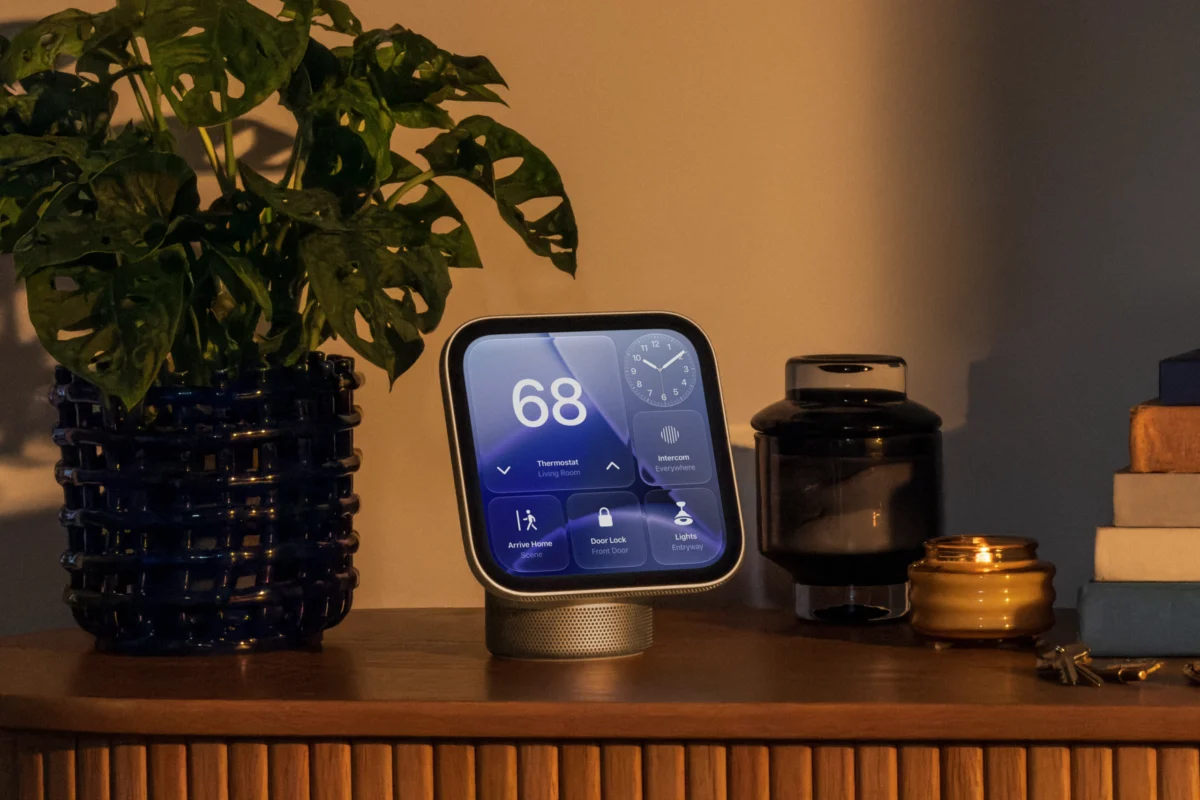
NEW YORK — In a pivotal move that signals a renewed and aggressive focus on the domestic sphere, Apple has unveiled a comprehensive suite of hardware and software designed to centralize the modern household. At a high-profile event held on Tuesday, October 13, the Cupertino-based tech giant introduced "HomeView," a dedicated smart display that represents the company’s first foray into a category long dominated by competitors.
The announcement, which also included a refreshed HomePod Mini, a significantly upgraded Apple TV 4K, and a new "Apple Home Collection" of accessories, centers on a singular technological pivot: the deep integration of Siri AI and a "privacy-first" architecture.
1. Main Facts: The "Three Pillars" of Apple’s Home Strategy
Apple’s entry into the smart display market with HomeView is not merely a hardware release; it is a statement of intent. During the keynote, Apple executives emphasized that the new lineup is built upon three non-negotiable core principles: Intelligence, Personalization, and Privacy.
The HomeView Smart Display
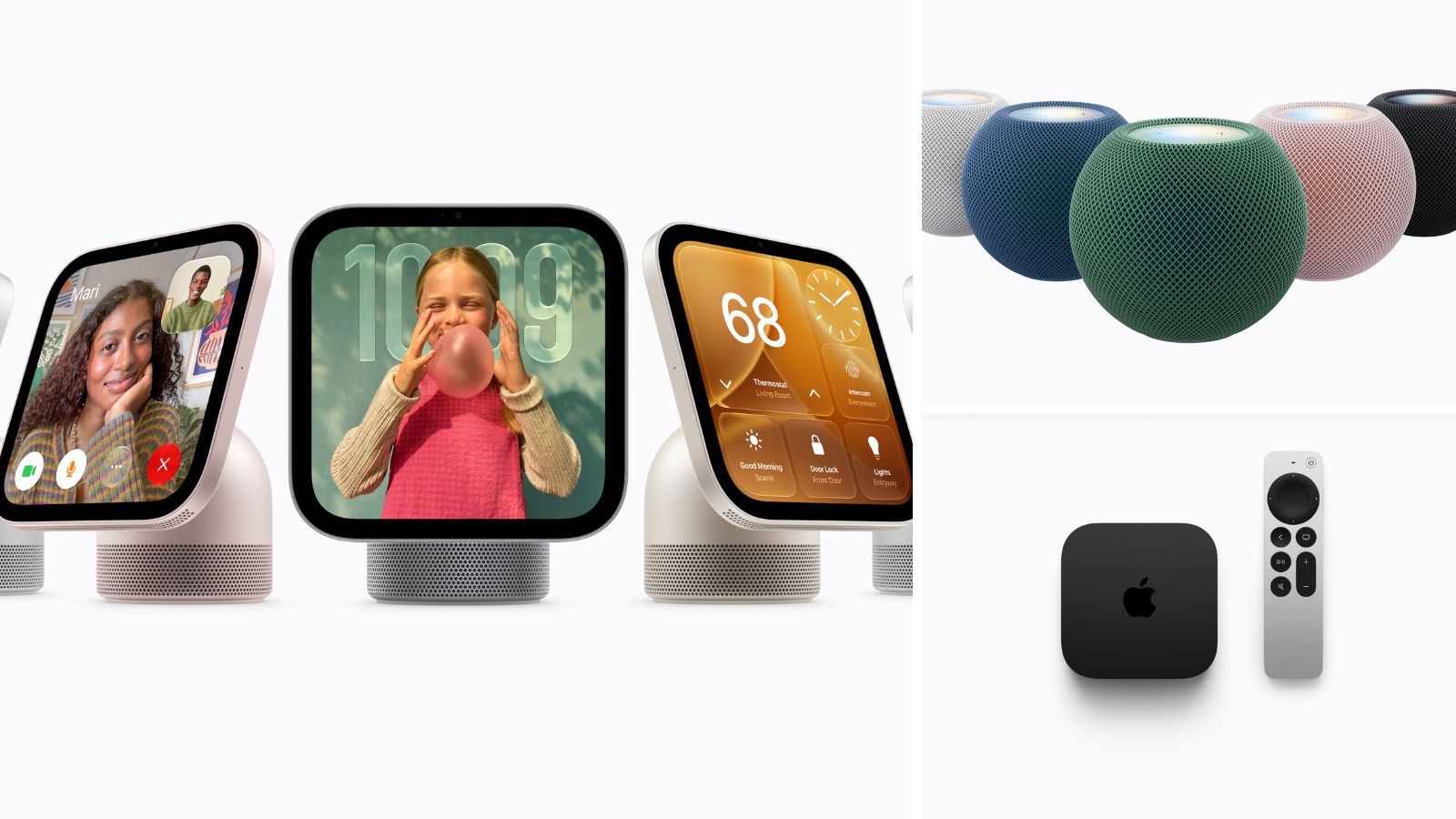
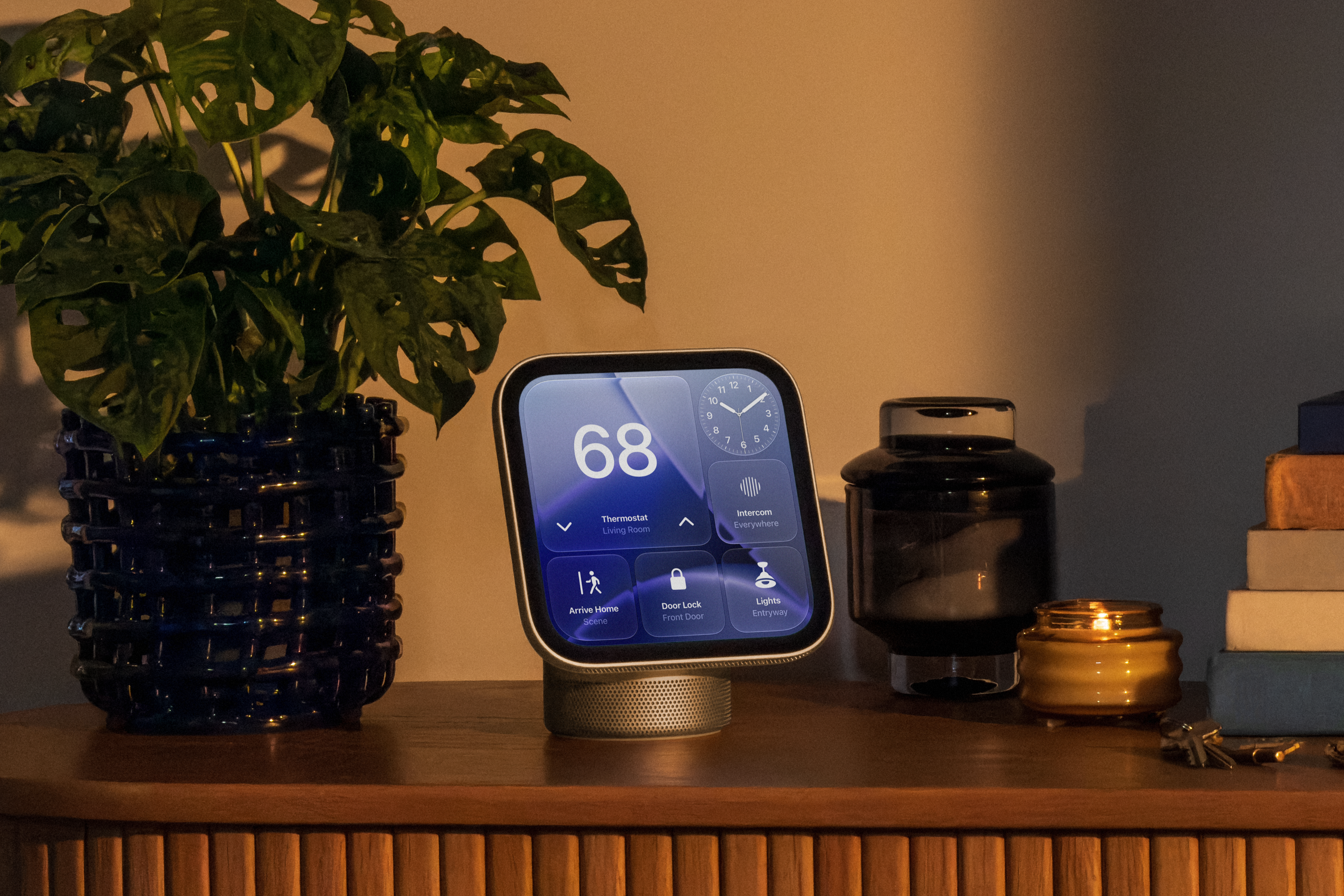
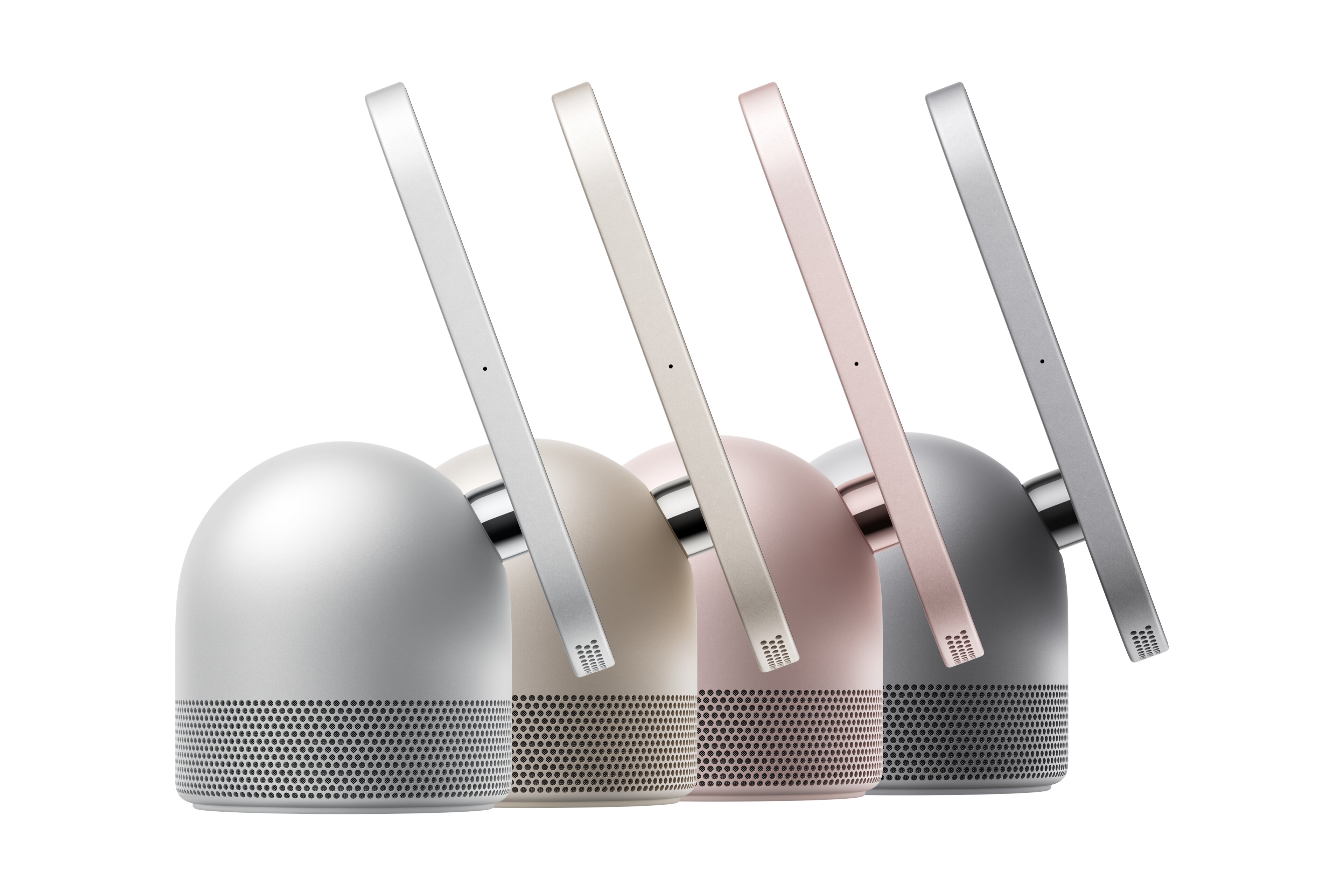
HomeView is a seven-inch smart display featuring a Liquid Retina Display. Available in Silver, Starlight, Rose Pink, and Space Grey, it is designed to be the "shared screen" of the house. Unlike traditional tablets, HomeView is built for "glanceability"—the ability to provide information from across a room.
Siri AI and Personal Context
The "Intelligence" factor is driven by an evolved Siri AI. This system does not operate in a vacuum; it draws "personal context" directly from the user’s iPhone. This allows the device to answer complex, household-specific queries, such as locating a recipe sent via iMessage or managing a family’s synchronized calendar.
Security through "Exclaves"
Perhaps the most significant technical detail is Apple’s approach to privacy. HomeView utilizes "exclaves"—compartmentalized, protected runtimes that are physically and logically separated from the main operating system. This ensures that camera and microphone data are processed locally and remain inaccessible even to Apple.
2. Chronology: The Roadmap to a Smarter Home
The rollout of these devices follows a strategic timeline, beginning with the October 13 announcement and stretching into the end of the year.
- October 13, 2026: Pre-orders officially opened for HomeView, HomePod Mini 2, and Apple TV 4K.
- October 30, 2026: Retail availability begins for the HomePod Mini 2 in all existing markets.
- November 1, 2026: HomeView (both tabletop and wall-mounted models) becomes available in six primary launch markets: Australia, Canada, India, New Zealand, the UK, and the US.
- November 13, 2026: The new Apple TV 4K hits the shelves.
- December 2026: The Apple Home Collection (cameras, locks, and thermostats) launches in the US and Canada, with limited availability in the UK.
Notably, Siri AI features will initially launch in English, with a beta version arriving for Apple TV 4K in the same timeframe. Apple has committed to expanding language support throughout 2027.
3. Supporting Data: Technical Specifications and Pricing
To understand the scale of this launch, one must look at the hardware specifications that distinguish these devices from their predecessors and competitors.
HomeView: The Visual Hub
- Display: 7-inch Liquid Retina Display.
- Camera: Ultra-wide lens with "Center Stage" technology. This allows the camera to pan and zoom automatically, keeping the user’s torso in frame even as they move around a kitchen or living room.
- Personalization: Facial recognition triggers a transition from "Household View" to "Personal View."
- Data Handling: Zero local storage for personal data. Information is pulled from the iPhone via Wi-Fi and wiped the moment the user leaves the room.
- Price: Rs 39,900 (for both tabletop and wall-mounted versions).
HomePod Mini 2: The Auditory Anchor
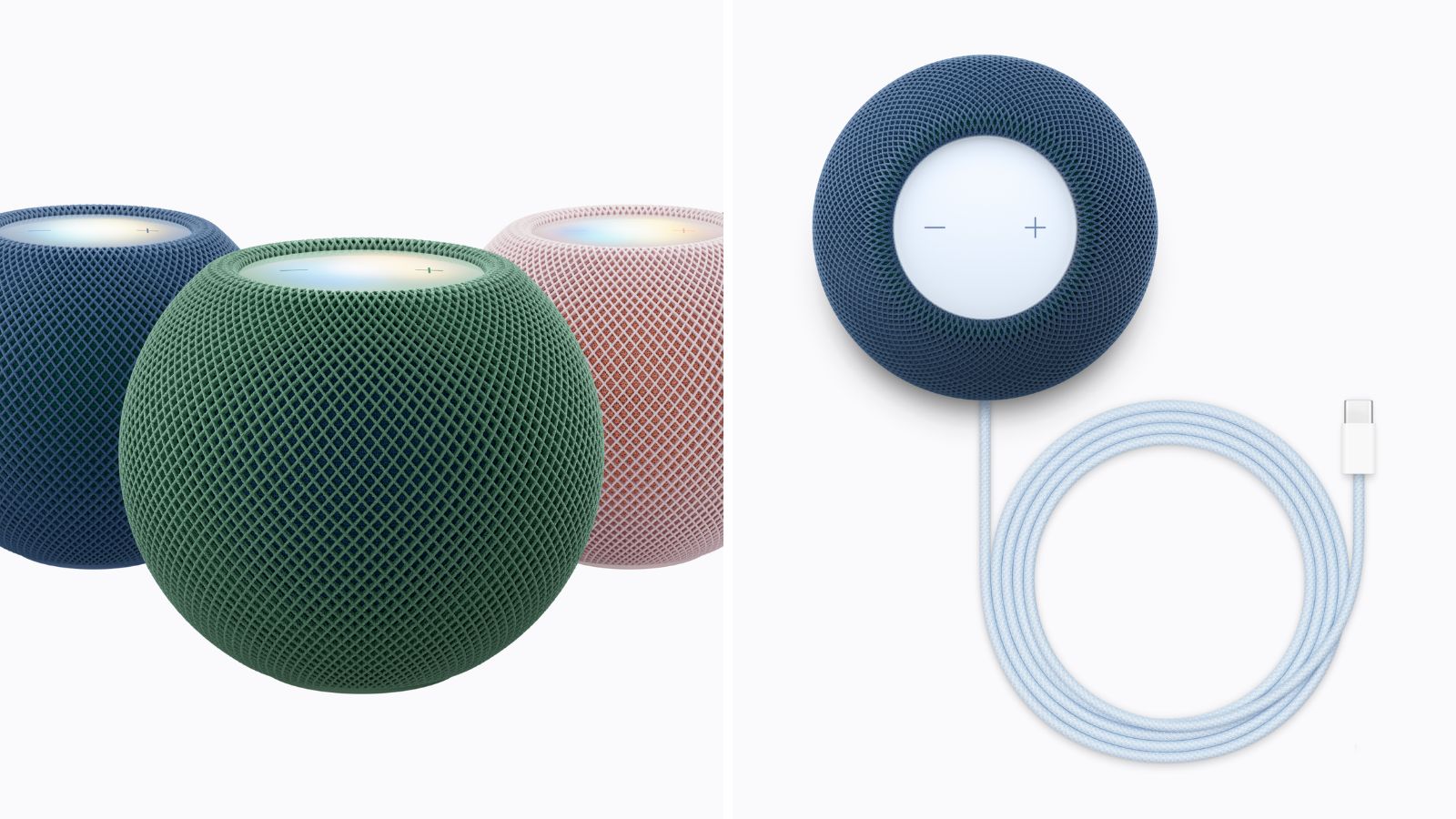
- New Colors: Blue, Green, and Pink join the classic White and Midnight.
- Sound Glow: A new visual feature where the top touch surface pulses with colors derived from the current track’s album art.
- Functionality: Can now act as the primary audio output for Mac computers, color-matching the latest iMac lineup.
- Price: Rs 18,900.
Apple TV 4K: The Entertainment Engine
- Hardware: Far-field microphones for "Hey Siri" commands without a remote.
- Remote Tracking: Integration with "Find My" and "Precision Finding." Siri can now trigger a sound on the Siri Remote.
- Audio Power: Support for up to four HomePods to create a calibrated 360-degree surround sound environment.
- Price: Rs 39,900.
The Apple Home Collection
Developed in partnership with LG Electronics and Schneider Electric, this collection marks Apple’s first branded foray into peripherals:
- Indoor/Outdoor Cameras: Features HomeKit Secure Video and automatic privacy tilting.
- Smart Lock: Utilizes NFC and proximity sensors to unlock via iPhone or Apple Watch.
- Availability: Restricted to North American standards for the thermostat and lock, priced competitively for the premium market.
4. Official Responses: The Apple Philosophy
Apple’s messaging during the New York event was clear: the smart home has, until now, been too complicated and too invasive. By positioning the iPhone as the "brain" and the home devices as "extensions," Apple aims to solve the fragmentation of the current market.
"FaceTime is a standout feature on HomeView," an Apple spokesperson noted during a live demonstration. "We put considerable thought into the experience so it would work well on a device that stays in one place. Whether you are cooking or the kids are running through the room, Center Stage ensures the connection feels natural."
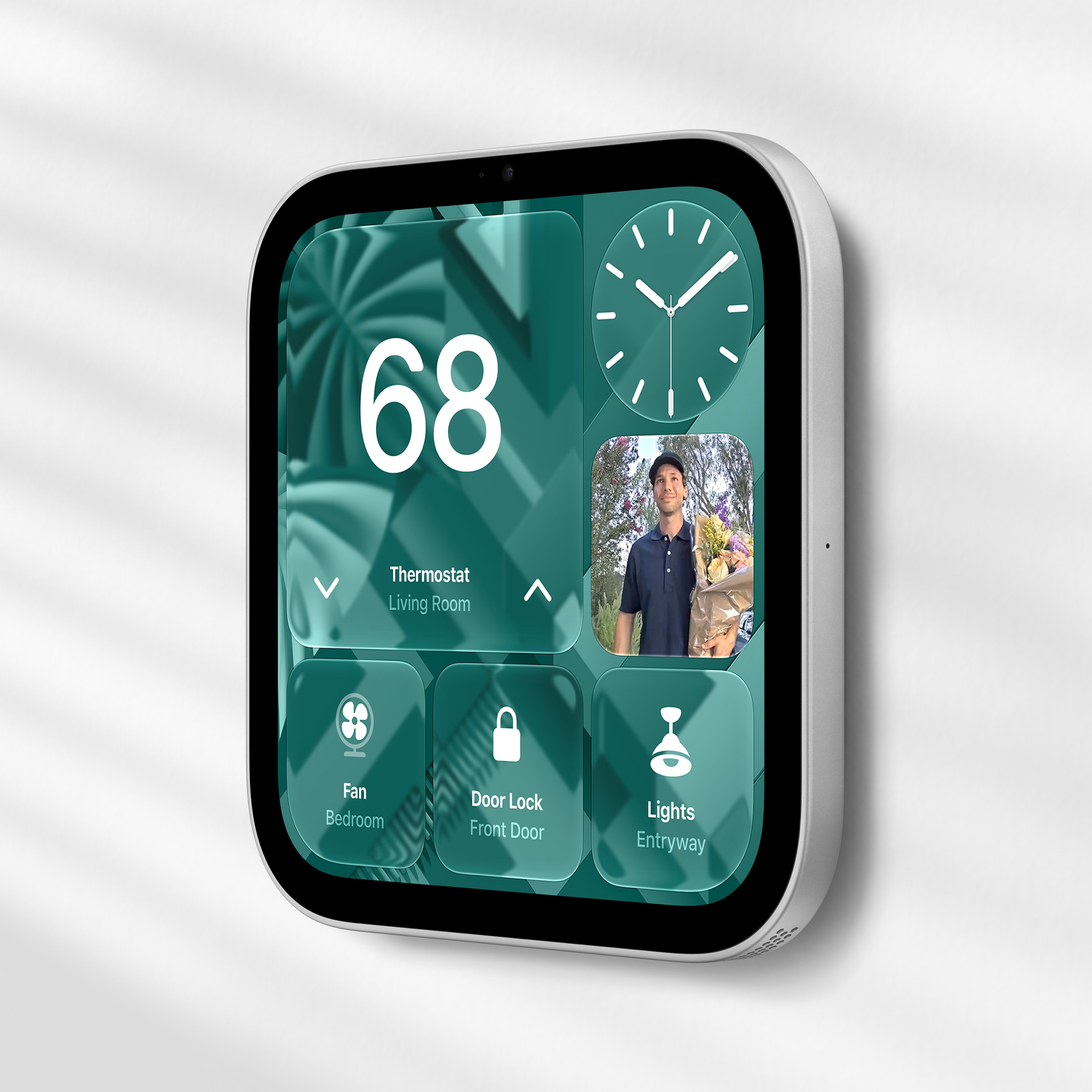
On the topic of privacy, the company was even more emphatic. "Privacy is at the core of all our products," the company stated. The requirement that a user must have their iPhone on the same Wi-Fi network and recently unlocked to see personal data on HomeView is a "fail-safe" designed to prevent unauthorized access to sensitive information like calendars and messages in a shared household.
Regarding the HomePod Mini 2, Apple highlighted the synergy between devices: "With Siri AI, the speaker can handle broader knowledge questions… it uses a paired iPhone for personal context, such as updating events to a shared family calendar."
5. Implications: What This Means for the Industry
The launch of HomeView and the accompanying Siri AI updates carries significant weight for the consumer electronics industry and the broader "Internet of Things" (IoT) landscape.
Challenging the Status Quo
For years, Amazon’s Echo Show and Google’s Nest Hub have dominated the smart display category. Apple’s entry at a premium price point (Rs 39,900) suggests they are not looking for mass-market volume, but rather to capture the "prosumer" who is already deep within the Apple ecosystem. By leveraging the iPhone’s processing power and the user’s existing data, Apple avoids the "creepy" factor of a device that knows too much on its own.
The India Strategy
The inclusion of India in the first wave of the HomeView launch is a telling sign of the market’s growing importance to Apple. Historically, smart home products have seen slower rollouts in the region. By pricing the HomeView and Apple TV 4K identically, Apple is creating a clear "tier" system for home entertainment and management.
The AI Arms Race
By rebranding the experience around "Siri AI," Apple is signaling that it has moved past the basic voice-command era. The ability for Apple TV 4K to understand "Play that show my friend recommended" implies a level of cross-app data mining (from Messages to Apple TV+) that competitors may struggle to match without compromising their own privacy stances.
Future-Proofing with the Home Collection
The partnership with LG and Schneider Electric for the Home Collection suggests that Apple is willing to lend its design language and security protocols to established industrial giants. This could lead to a more standardized, "it just works" experience for smart homes, which has been the industry’s "holy grail" for a decade.
Conclusion
As the author observed firsthand in New York, Apple’s new home lineup is less about individual gadgets and more about an invisible "connective tissue." If HomeView can successfully balance the convenience of a shared family screen with the strict privacy of an individual’s iPhone, it may finally turn the "smart home" from a hobbyist’s project into a household utility. The real test will begin on November 1, when these devices move from the controlled environment of a demo room into the chaotic reality of the modern family home.
The author attended the launch event in New York at the invitation of Apple.