The Bajaj Pulsar NS200 has long been the cornerstone of India’s performance motorcycling segment. Since its inception, the "Naked Sport" moniker has stood for an uncompromising balance of power, agility, and aggressive street-legal aesthetics. As the market pivots toward high-tech integration and rider-assist technologies, Bajaj Auto has unveiled its most comprehensive update yet for the 2026 model year. With a starting ex-showroom price of Rs 1.6 lakh, the new Pulsar NS200 is not merely a cosmetic refresh; it is a fundamental technological leap aimed at cementing its dominance in the competitive 200cc segment.
The Core Transformation: Performance Meets Precision
The 2026 update represents a shift in philosophy for the Chakan-based manufacturer. While Bajaj has historically focused on mechanical robustness, the 2026 NS200 integrates sophisticated digital architecture to meet the demands of a new generation of tech-savvy riders.
At the heart of the machine remains the trusted 199.5cc single-cylinder, liquid-cooled engine. However, the engineers have managed to coax a performance bump, with the power output now touching 25 bhp—an increase from the previous 24 bhp. This marginal yet significant gain, coupled with the introduction of an Electronic Throttle Body (ETB), ensures that power delivery is more precise and responsive across the rev range. The ETB has effectively unlocked multiple ride modes, allowing riders to adapt the engine’s character to varying road conditions, whether navigating dense urban traffic or carving through mountain passes.

A Chronology of the Pulsar NS200’s Legacy
To understand the magnitude of this 2026 update, one must look back at the trajectory of the NS200. Since its introduction in 2012, the bike was a game-changer for the Indian market, introducing the liquid-cooled engine and a perimeter frame to the masses.
- 2012: The debut of the Pulsar 200NS, marking the beginning of the "Naked Sport" era for Bajaj.
- 2015-2017: A period of refinement where the model was briefly discontinued and then reintroduced with BS4 compliance and fuel injection (FI) variants.
- 2020-2023: The transition to BS6 emission norms saw the NS200 solidify its mechanical prowess with the addition of USD (Upside-Down) forks, which significantly enhanced the bike’s handling dynamics.
- 2024-2025: The introduction of advanced safety features like dual-channel ABS and updated aesthetic trims kept the model relevant against stiffer competition.
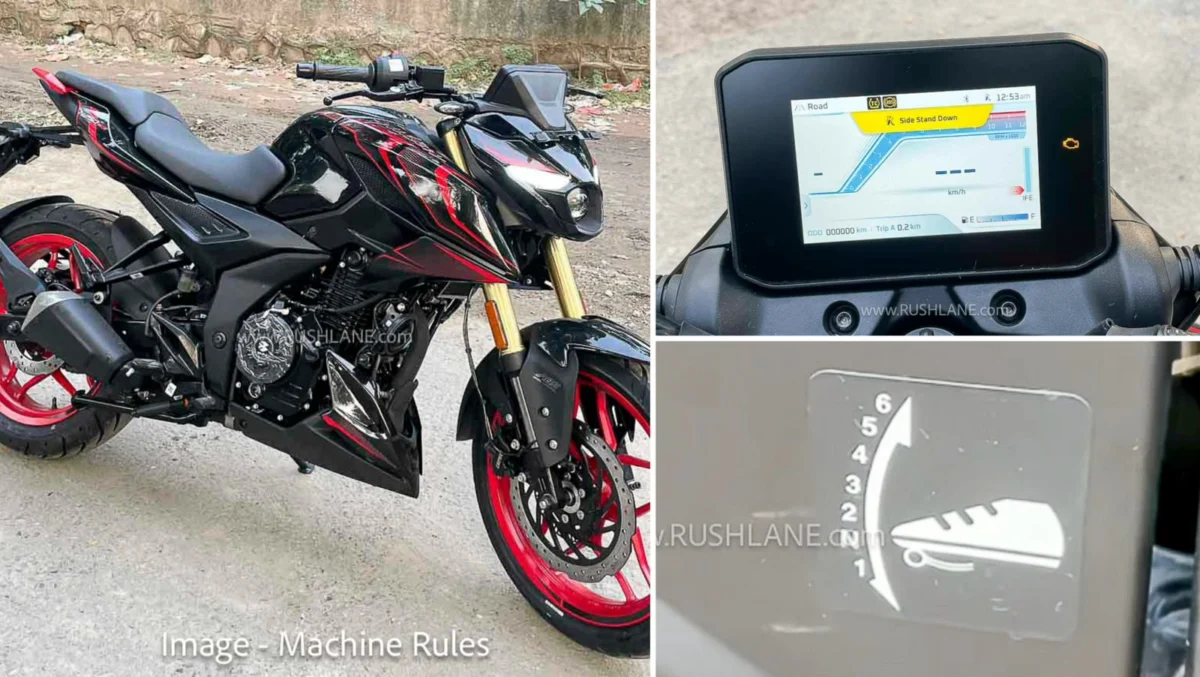
- 2026: The current "Digital Revolution" update. By integrating a 5-inch TFT display, bi-directional quickshifter, and traction control, Bajaj has effectively brought the NS200 into the modern era of premium motorcycling.
Technical Specifications and Hardware Enhancements
The most striking change for the 2026 model is the hardware suite. Bajaj has listened to the community’s demand for a more premium chassis setup. The previous 33mm USD front forks have been retired in favor of beefier 37mm units, providing superior feedback and stability during high-speed cornering.
The Sports Shifter and Traction Control
Perhaps the most celebrated addition is the bi-directional quickshifter, branded as the "Sports Shifter." This feature allows for clutchless upshifts and downshifts, mimicking the experience of high-displacement superbikes. When combined with the newly introduced traction control system, the 2026 NS200 becomes significantly more forgiving for riders pushing their limits, reducing the risk of wheel slip on loose or wet surfaces.

The Digital Cockpit
The centerpiece of the cockpit is the new 5-inch TFT instrument cluster. This unit is far more than a speedometer; it acts as an extension of the rider’s smartphone. Through the proprietary Bajaj app, the console offers:
- Google Maps Mirroring: Wireless navigation displayed directly on the screen.
- Connectivity: Bluetooth-enabled music controls and call management.
- Utility: Document storage, lap timers, and service reminders.
- Safety Alerts: Panic brake notifications and comprehensive telemetry.
Aesthetic Refinements
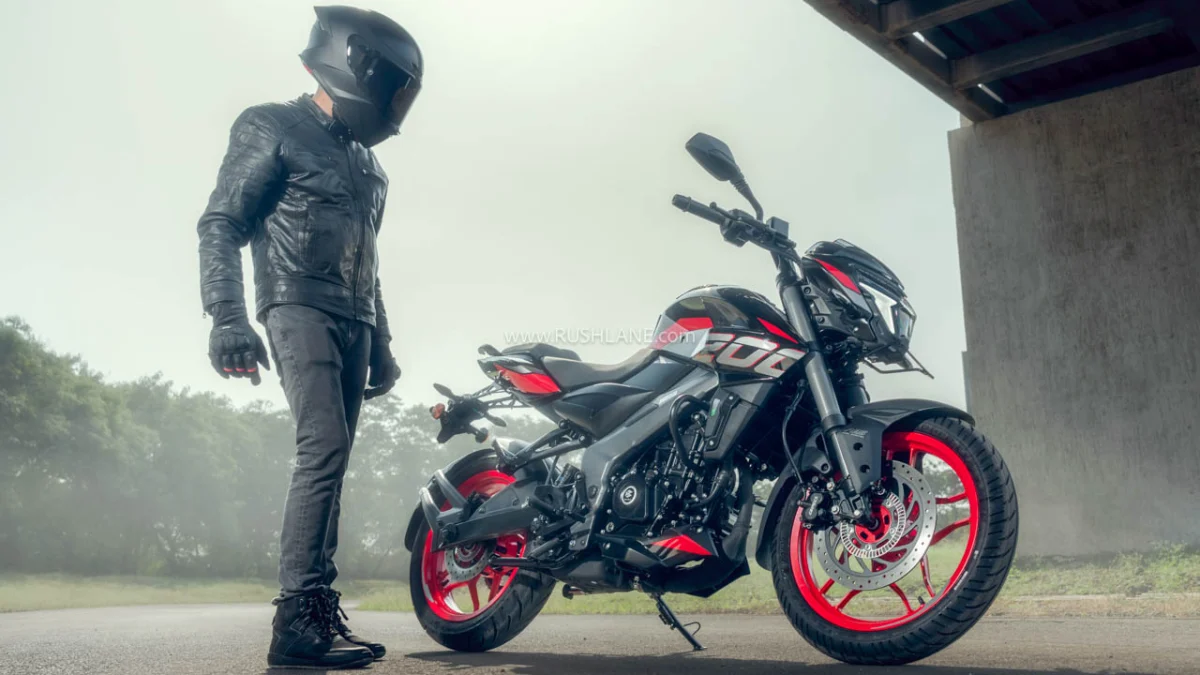
While the silhouette remains faithful to the iconic NS design, the 2026 model introduces a fresh color palette: Ebony Black, Racing Red, Nardo Grey, and Pearl Metallic White. The inclusion of painted wheels—color-matched to the body—adds a touch of premium sophistication that separates this model from its predecessors.
Supporting Data: Why This Update Matters
The 200cc segment is arguably the most contested space in Indian motorcycling. With rivals like the KTM Duke 200, TVS Apache RTR 200 4V, and the Suzuki Gixxer 250 vying for market share, Bajaj had to justify the price point of Rs 1.6 lakh.

The data suggests that the "tech-first" approach is working. According to recent sales reports, the Pulsar brand remains the backbone of Bajaj Auto’s volume strategy. By consolidating high-end features—once reserved for the Dominar or Triumph-Bajaj models—into the mass-market NS200, the company is effectively future-proofing the platform. The addition of radial tires at the rear, for instance, directly addresses the feedback from enthusiasts who sought better grip and longevity for spirited riding.
Official Perspective: The Vision Behind the Machine
During the unveiling, Mr. Sarang Kanade, Chief Business Officer of the Two-wheeler Business Unit at Bajaj Auto, articulated the company’s vision. He emphasized that performance is no longer just about horsepower figures; it is about the "human-machine interface."
"For Pulsar, performance has always been rooted in power," Kanade stated. "We believe it should also be defined by how confidently and intuitively a rider can use that power. With the NS200, we are evolving this definition to meet changing riding needs and bring greater adaptability to the riding experience, while staying true to the performance-led character of the NS."

This statement highlights a strategic shift. Bajaj is acknowledging that the modern Indian rider is increasingly looking for convenience, safety, and connectivity alongside raw performance. By focusing on "adaptability," the company is positioning the NS200 as a versatile tool that can handle the daily commute with the same ease as a weekend track day.
Implications for the Market
The launch of the 2026 Pulsar NS200 is expected to have several ripple effects across the industry:
- Pressure on Competitors: Rivals will now be forced to accelerate their own digital integration cycles. The standard for a 200cc motorcycle has been raised; TFT screens and quickshifters are no longer "premium" options but are rapidly becoming expected features.
- Increased Value Proposition: At Rs 1.6 lakh, the NS200 offers a feature-to-price ratio that is difficult to beat. This is likely to draw in buyers who were previously considering upgrading to 300cc-400cc machines, as the NS200 now offers a comparable tech experience.
- Brand Loyalty: By maintaining the familiar silhouette while upgrading the internals, Bajaj is appealing to both new buyers and long-time fans of the Pulsar legacy. This ensures that the brand remains a "first-choice" for young riders entering the performance segment.
Conclusion: A Benchmark Set
The 2026 Bajaj Pulsar NS200 is a testament to the fact that a successful product can always be improved. By retaining the aggressive, muscular aesthetic that made the NS series an icon, while completely modernizing the mechanical and digital internals, Bajaj has successfully navigated the challenge of evolution without alienation.

The bike is no longer just a "budget streetfighter." With the combination of a 25 bhp engine, traction control, bi-directional quickshifter, and a full-featured TFT display, it has graduated into a sophisticated piece of engineering. For the aspiring rider in 2026, the Pulsar NS200 offers a compelling argument: you don’t need to look elsewhere for the perfect blend of tradition and modern innovation. Whether this will lead to a new surge in market dominance remains to be seen, but the initial response suggests that Bajaj has, once again, read the pulse of the market perfectly.