In a landmark event that underscores India’s growing prominence in the global automotive landscape, Hyundai Motor India Limited (HMIL) officially inaugurated its state-of-the-art manufacturing facility in Talegaon, Pune, on October 14, 2026. The ceremony, graced by Maharashtra Chief Minister Devendra Fadnavis, marks a pivotal moment in the company’s history as it seeks to harmonize domestic growth with an aggressive export strategy.
The Pune facility, acquired from General Motors in 2023, represents more than just a production site; it is a manifestation of Hyundai’s commitment to "Industry 4.0" standards and a centerpiece of the company’s broader USD 15.5 billion investment program earmarked for India between 2026 and 2032.
Main Facts: A Hub for Global Ambitions
The Talegaon plant is currently operating with an initial installed capacity of 1.70 lakh vehicles annually. However, Hyundai’s master plan is far more ambitious: through a phased investment of Rs 11,000 crore, the company intends to scale this capacity to 3.20 lakh units per annum by 2030.

When combined with the existing massive manufacturing output from the Chennai facilities, Hyundai’s total annual manufacturing capacity in India will reach approximately 11.4 lakh vehicles. This expansion is designed to cater to both the burgeoning domestic demand for high-tech SUVs and the company’s commitment to becoming a primary global export hub for emerging markets. The plant also features an advanced engine shop capable of producing 1.50 lakh engines per year, ensuring high levels of localization and supply chain resilience.
A Chronological Perspective: From Legacy to Future-Proofing
The journey to the Pune inauguration was characterized by careful planning and strategic acquisition. The timeline below outlines the key milestones in this transformation:
- 2023: Hyundai Motor India acquires the Talegaon manufacturing plant from General Motors, signaling its intent to diversify its production footprint beyond the southern state of Tamil Nadu.
- Q4 2025: Commercial production officially commences at the Pune facility, with the new Hyundai Venue serving as the maiden model produced at the plant. This model is specifically targeted for global markets, solidifying Pune’s role as an export-centric base.
- October 13, 2026: Hyundai Motor Group announces its massive USD 15.5 billion investment program, setting the stage for long-term technological and capacity-related advancements in India.
- October 14, 2026: Official inauguration ceremony held in the presence of Maharashtra state leadership and Hyundai global executives, marking the official integration of the Pune plant into the HMIL network.
- 2027 (Projected): Expected introduction of the next-generation Creta, with industry speculation pointing toward a hybrid powertrain launch, potentially leveraging the flexible production capabilities of the new facility.
- 2030 (Goal): Completion of the phased investment program, bringing the Pune plant to its full capacity of 3.20 lakh vehicles per annum.
Supporting Data: The Scale of Impact
The economic footprint of the Pune facility extends far beyond the factory walls. By fostering a local supplier ecosystem, Hyundai has catalyzed regional economic development. Currently, 55 primary supplier partners have invested a cumulative Rs 4,600 crore in Maharashtra, with roughly 50% of the vendor base located within a 50-kilometre radius of the plant. This proximity model minimizes logistics costs and enhances "just-in-time" manufacturing efficiency.

Furthermore, the expansion has created a substantial workforce ripple effect. The combined effort of Hyundai and its supplier network has generated over 18,000 employment opportunities in the state. This influx of industrial activity has not only provided jobs but has also spurred investment in skill development and vocational training, which are essential for maintaining the high-tech requirements of modern vehicle production.
Technological Prowess: Industry 4.0 in Action
Hyundai has positioned the Pune plant as one of its most advanced global facilities, utilizing the proprietary E-FOREST platform. This digital ecosystem integrates various aspects of manufacturing, including:
- AI-Based Quality Control: The plant employs computer vision and artificial intelligence to perform real-time quality inspections, ensuring that defects are detected and addressed before a vehicle moves to the next stage of assembly.
- Predictive Maintenance: Sensors and IoT-enabled systems monitor machinery health, predicting potential failures before they occur. This reduces downtime and significantly enhances the reliability of the production line.
- Digital Twins and AR: The workforce is trained using augmented reality (AR) and digital simulation models, which allow employees to master complex assembly processes in a virtual environment, thereby reducing the learning curve and improving safety protocols.
- People-Centric Design: Recognizing the importance of human capital, the plant features world-class medical, wellness, and training infrastructure. The campus’s commitment to workplace excellence was validated by a 2026 Red Dot Award for design, highlighting that efficiency does not come at the cost of employee welfare.
Official Responses and Strategic Outlook
The inauguration was attended by a high-profile delegation, including Mr. Euisun Chung, Executive Chair of Hyundai Motor Group, and Mr. Tarun Garg, Managing Director and CEO of Hyundai Motor India.

During his address, Mr. Tarun Garg emphasized that the Pune facility is a cornerstone of the company’s "India for the World" philosophy. "Our phased investment approach in Pune is not merely about capacity," Garg stated. "It is about creating a hub of innovation, sustainable industrial development, and local employment that aligns with India’s vision of becoming a global manufacturing powerhouse."
The presence of Maharashtra’s leadership, including Chief Minister Devendra Fadnavis and Deputy Chief Minister Sunetra Ajit Pawar, underscored the importance of this project to the state’s industrial strategy. The government has pledged continued support for the automotive sector, viewing Hyundai’s investment as a catalyst for attracting further FDI (Foreign Direct Investment) into the Pune-Talegaon industrial corridor.
Implications: The Hybrid Transition and Global Export Reach
One of the most significant implications of the new plant is its flexible manufacturing architecture. The lines are designed to handle both Internal Combustion Engine (ICE) vehicles and hybrids. This is a critical strategic hedge as the automotive industry navigates the transition toward electrification.

While Hyundai has remained tight-lipped regarding specific hybrid models, the market is rife with speculation about the next-generation Creta. As India’s regulatory landscape shifts toward greener mobility, the ability to pivot production at the Pune plant to accommodate hybrid powertrains will be a significant competitive advantage.
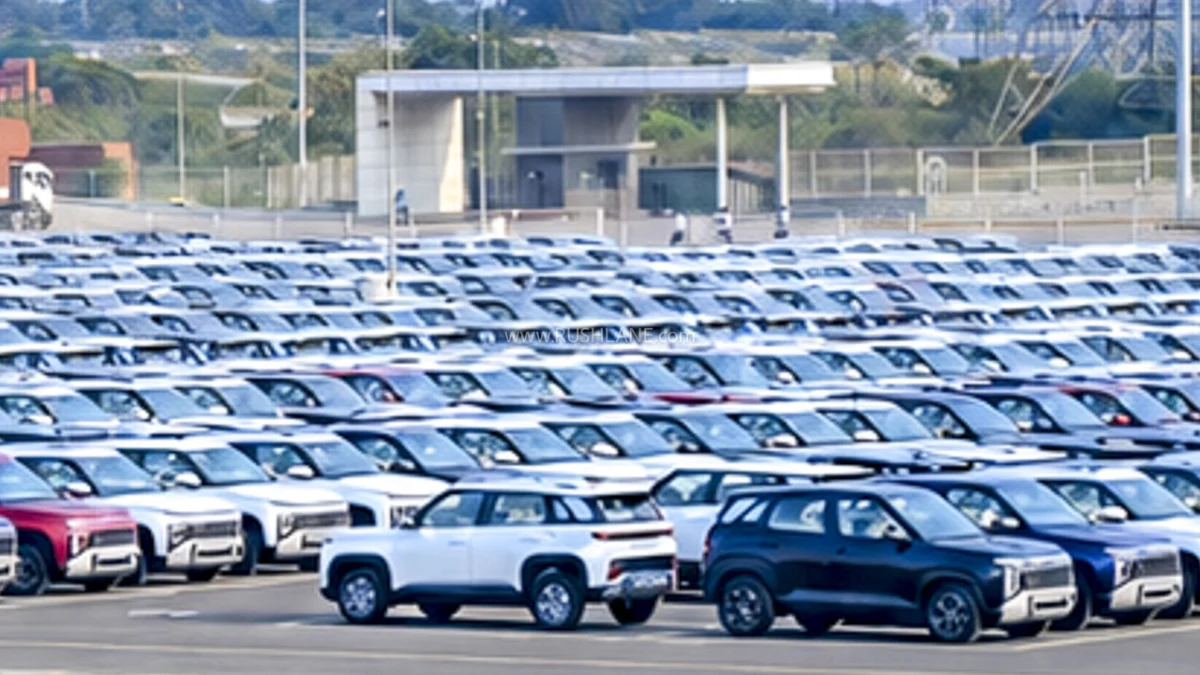
Furthermore, the facility is central to Hyundai’s export ambitions. With the Pune-made Venue already reaching global markets, the company plans to expand its export footprint to more than 35 countries. This is underpinned by the historic milestone of 40 lakh cumulative exports—a feat that makes Hyundai the undisputed leader in India’s passenger-vehicle export segment.
Conclusion: A Legacy of Growth
As Hyundai commemorates 30 years of operations in India, the milestone of 1 crore domestic sales reflects the deep-rooted trust the brand has cultivated with Indian consumers. The Pune plant stands as a testament to the fact that Hyundai is not resting on its laurels. By marrying historical success with forward-looking technologies and a massive expansion of production capabilities, the company is positioning itself to lead the next decade of automotive evolution.

Whether through its commitment to AI-driven manufacturing, its investment in local supplier ecosystems, or its readiness to adopt hybrid technologies, the Pune plant is a definitive signal that Hyundai is deeply committed to its long-term future in India. As the facility scales toward its 2030 targets, it will undoubtedly remain a focal point for global automotive observers watching the rise of India as a critical node in the world’s supply chain.