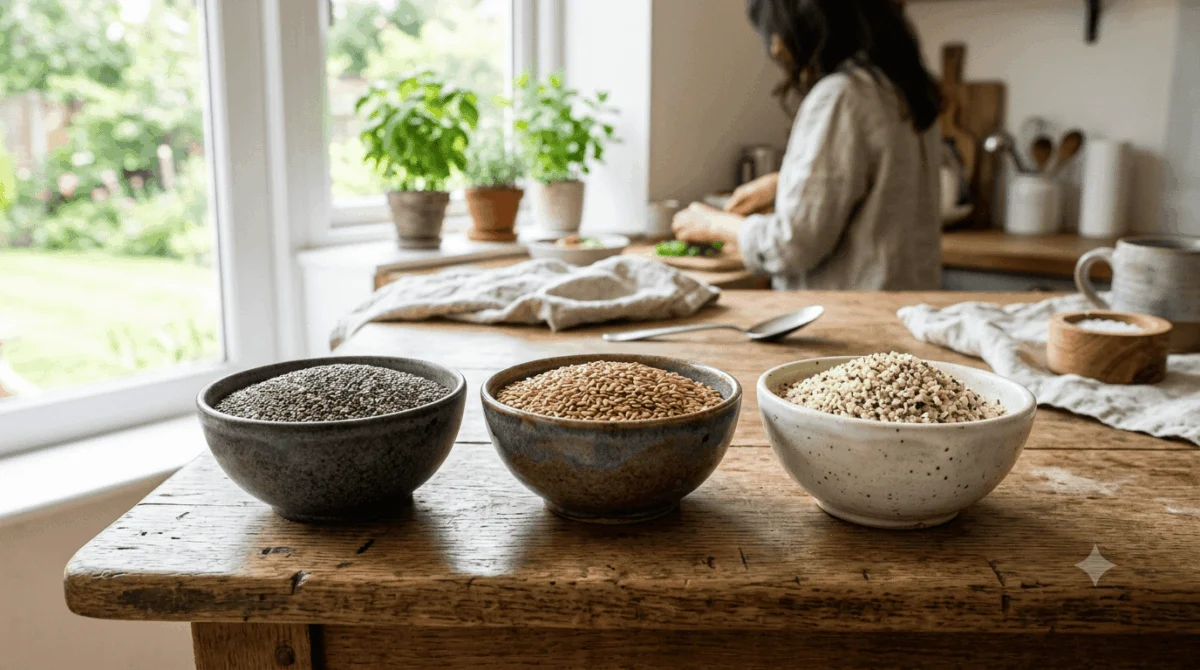
In the modern landscape of nutrition, few food categories have garnered as much attention as "super seeds." Small in size but formidable in nutritional density, seeds like flax, chia, and hemp have transitioned from niche health food store items to pantry staples in households worldwide. While these tiny powerhouses are frequently grouped together, they possess distinct profiles, offering specific health advantages that cater to different dietary goals.
For those looking to optimize their health through plant-based nutrition, understanding the nuance between these seeds is essential. Whether you are aiming to increase your fiber intake, boost your protein consumption, or find a sustainable source of plant-based omega-3 fatty acids, the choice of seed can significantly influence your nutritional outcome.
The Nutritional Landscape: Understanding the Basics
The appeal of seeds lies in their complex composition of healthy oils, plant-based proteins, dietary fiber, and essential micronutrients. However, they are not interchangeable.
- Flaxseeds are the gold standard for those seeking high fiber and potent lignans.
- Chia seeds act as a functional powerhouse, offering a unique gel-forming fiber that aids in hydration and satiety.
- Hemp seeds stand alone as a complete plant-based protein, providing all nine essential amino acids necessary for muscle repair and metabolic function.
Integrating these into a daily diet is not merely about "eating more seeds"; it is about strategic supplementation based on individual health markers and lifestyle requirements.

1. Flaxseeds: The Fiber and Lignan Specialist
Often referred to as linseeds, flaxseeds are small, brown, or golden seeds that have been cultivated for centuries. They are perhaps best known for their high concentration of alpha-linolenic acid (ALA), a plant-based omega-3 fatty acid.
Nutritional Profile
Beyond ALA, flaxseeds are a primary source of dietary fiber—both soluble and insoluble—which is critical for digestive regularity. They are also rich in lignans, a type of polyphenol that acts as an antioxidant. Research suggests that these lignans may play a role in hormone balance and heart health.
The Importance of Preparation
A critical, often overlooked fact regarding flaxseeds is their bioavailability. Because of their hard outer shell, whole flaxseeds often pass through the digestive system undigested. To unlock their full nutritional value, they must be ground into a meal. Ground flaxseeds allow the body to absorb the omega-3s and fiber effectively.
2. Chia Seeds: The Hydration and Satiety Catalyst
Originating from the Salvia hispanica plant, chia seeds are small, versatile, and highly reactive to moisture. When exposed to liquid, they form a gel-like coating, a property that makes them unique in the culinary and nutritional world.

Nutritional Profile
Chia seeds are a "two-in-one" nutritional package. They provide a significant amount of ALA omega-3s, but they are equally prized for their mineral content, specifically calcium and magnesium. Their fiber content is exceptionally high, which contributes to their ability to promote prolonged satiety—a key factor for those managing their weight.
Culinary Integration
Because of their hydrophilic nature (water-loving), chia seeds are ideal for puddings, overnight oats, or as a thickening agent in smoothies. Unlike flaxseeds, they do not require grinding, though soaking them is recommended to ensure they do not absorb excessive fluids from your digestive tract, which can cause discomfort if consumed dry in large quantities.
3. Hemp Seeds: The Protein Powerhouse
Hemp hearts, the shelled center of the hemp seed, are arguably the most versatile of the three. They lack the tough shell of flax or the gelling properties of chia, instead offering a soft, nutty texture that integrates seamlessly into almost any dish.
Nutritional Profile
Hemp seeds are a rare plant-based source of "complete" protein. They contain all nine essential amino acids, making them an excellent dietary inclusion for vegans and vegetarians who may struggle to meet protein requirements. Furthermore, they offer a favorable ratio of omega-6 to omega-3 fatty acids, which supports cardiovascular health.

Why They Stand Out
Hemp seeds are incredibly user-friendly. They can be sprinkled over salads, stirred into dal, or added to baked vegetables without needing any prior preparation like grinding or soaking. This ease of use makes them a preferred choice for individuals with busy lifestyles.
Comparative Analysis: How They Stack Up
| Feature | Flaxseeds | Chia Seeds | Hemp Seeds |
|---|---|---|---|
| Primary Benefit | Fiber & Lignans | Fiber & Hydration | Protein & Omega Acids |
| Omega-3 Source | High (ALA) | High (ALA) | Moderate (ALA) |
| Protein Content | Moderate | Moderate | High (Complete) |
| Preparation | Ground required | Soaked/Moist | Ready to eat |
| Best For | Digestive health | Satiety/Weight mgmt | Muscle/Plant protein |
Clinical Implications: The Truth About ALA
It is important for health-conscious individuals to temper their expectations regarding omega-3s. While flax, chia, and hemp are excellent sources of ALA, it is not identical to the EPA and DHA found in fish oil. The human body has a limited capacity to convert ALA into the more active forms of omega-3 (EPA and DHA). Therefore, while these seeds are vital components of a heart-healthy diet, they should be viewed as supplementary to—not a direct replacement for—marine-based omega-3s in those who have specific clinical needs.
Strategic Implementation: How Much Is Enough?
There is no "one-size-fits-all" dosage for seeds. However, nutritionists generally suggest that healthy adults can safely incorporate one tablespoon of seeds per day.
Best Practices and Precautions
- Start Slowly: If you are not accustomed to high fiber intake, jumping into a high-seed diet can cause bloating or digestive distress. Start with a teaspoon and increase gradually.
- Hydration is Mandatory: Fiber requires water to move through the digestive tract. Increasing seed intake without increasing water consumption can lead to constipation rather than relieving it.
- Medical Consultation: Always consult a healthcare provider if you have underlying conditions such as diabetes or hypertension. Seeds can interact with medications, particularly those that affect blood sugar or blood pressure.
- Pregnancy and Nursing: Evidence regarding the medicinal or high-dose use of certain seeds during pregnancy is limited. Consult with your obstetrician before adding them as a therapeutic supplement.
Conclusion: A Balanced Approach
The question of "which seed should you eat daily" is best answered by looking at your plate as a whole. You do not need to choose just one. In fact, a rotating variety of seeds—flax for fiber, chia for minerals, and hemp for protein—provides a more diverse spectrum of nutrients.

By integrating these small but mighty foods into your daily routine—whether through a morning smoothie, a lunchtime salad, or an evening bowl of oats—you can significantly enhance your nutritional intake. Remember, nutrition is a long-term commitment. Start with small, consistent changes, listen to your body, and always prioritize whole, unprocessed food sources to support your health journey.
Frequently Asked Questions (FAQ)
Q: Can I mix flax, chia, and hemp seeds together?
A: Yes. Combining them is an excellent way to get a broader profile of nutrients. They work well in yogurt, smoothies, and salads.
Q: Does chia seed need to be soaked overnight?
A: Not necessarily. While overnight soaking is popular for texture, they only need enough time to absorb moisture to be safe and digestible.
Q: Are hemp seeds a complete protein?
A: Yes. They contain all nine essential amino acids, making them one of the few plant-based sources that provide a complete protein profile.

Q: Which seeds are best for constipation?
A: Flax and chia are both excellent due to their high fiber content. Ensure you increase your water intake when consuming them to facilitate healthy digestion.
Q: Are these seeds suitable for vegetarians?
A: Yes. All three seeds are 100% plant-based and are excellent additions to vegetarian and vegan diets.
Disclaimer: This article is for informational purposes only and does not constitute medical advice. Always consult with a qualified healthcare professional before making significant changes to your diet or beginning any new supplement regimen.