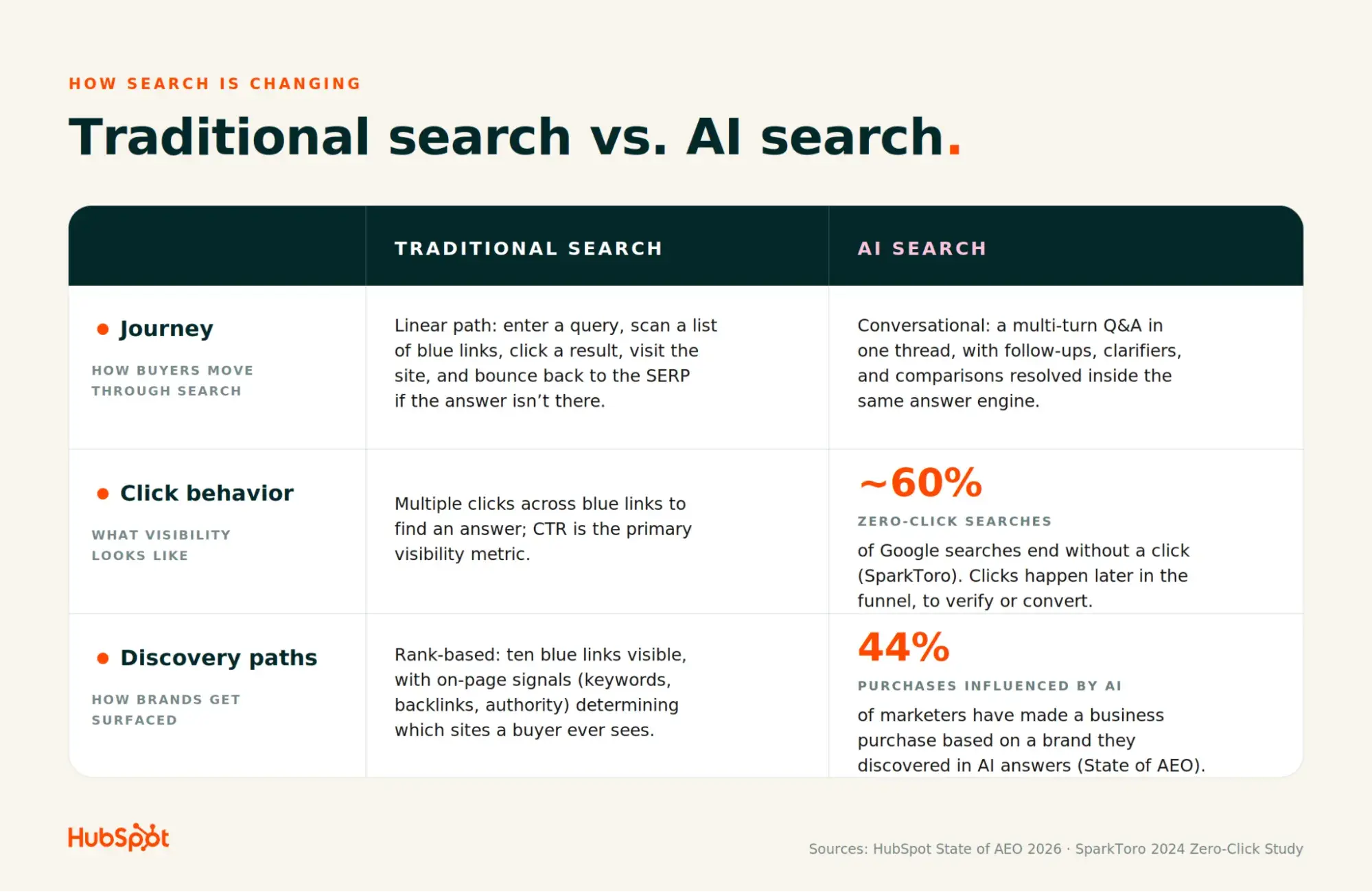
Website marketing has undergone a fundamental transformation. For years, the conventional wisdom focused on a linear funnel: promote your site, attract traffic, and optimize for conversions. However, in 2026, the customer journey has become decentralized. Before a prospect ever lands on your homepage, they have likely already consulted AI-powered search engines, engaged with Reddit threads, and scrutinized social media commentary.

Your website remains the anchor of your digital presence, but it no longer serves as the starting point for discovery. Today, your site is the destination for a user who has already been primed by the broader digital ecosystem. If your brand is not visible and credible across these external channels, you are effectively invisible to a significant portion of your potential market.
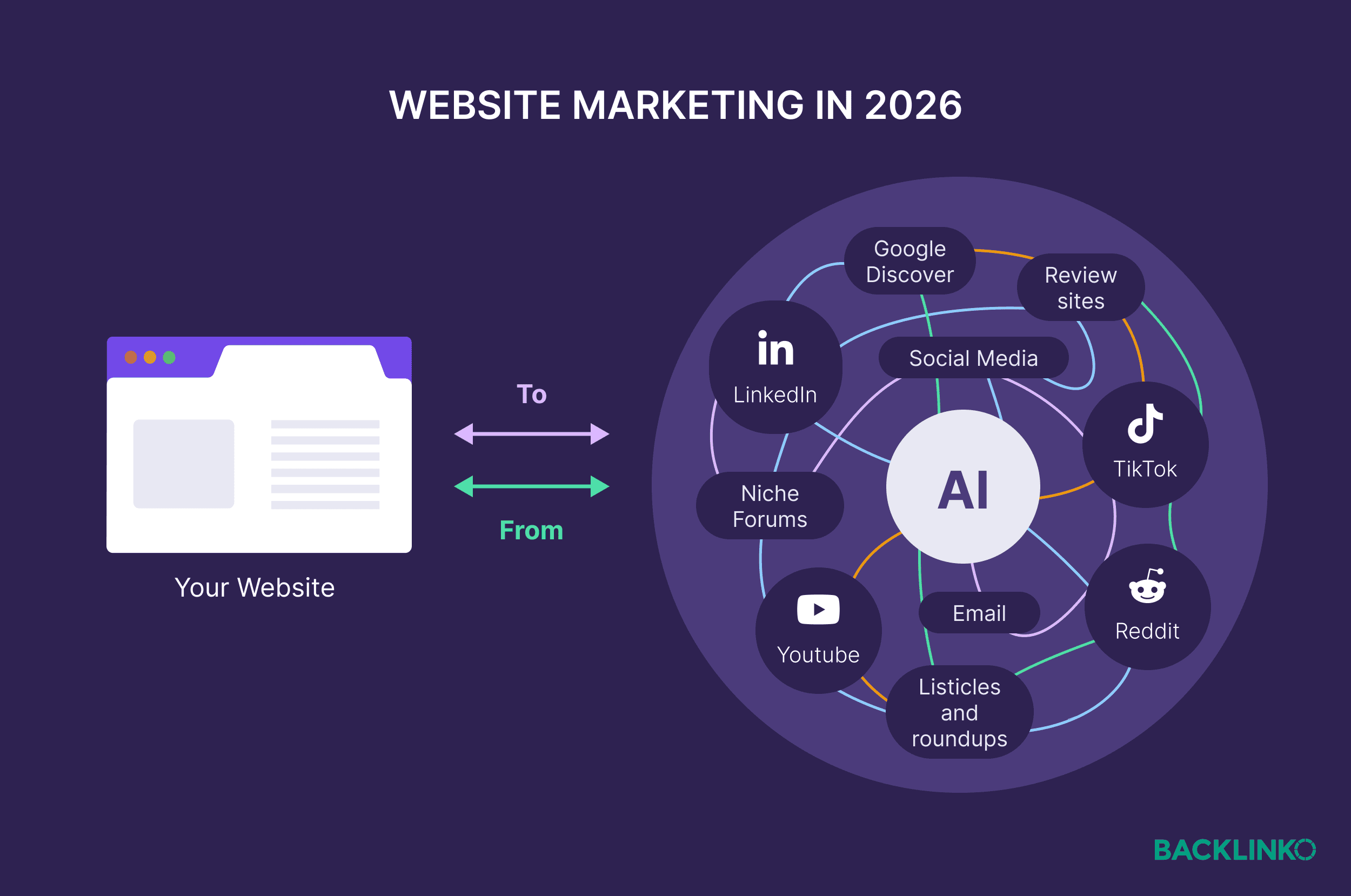
The Shift in Discovery: AI and Human-Led Research
The modern buyer journey is dominated by research that occurs off-site. According to recent data from Clutch, over 65% of consumers now rely on AI tools to research products and services before committing to a website visit.
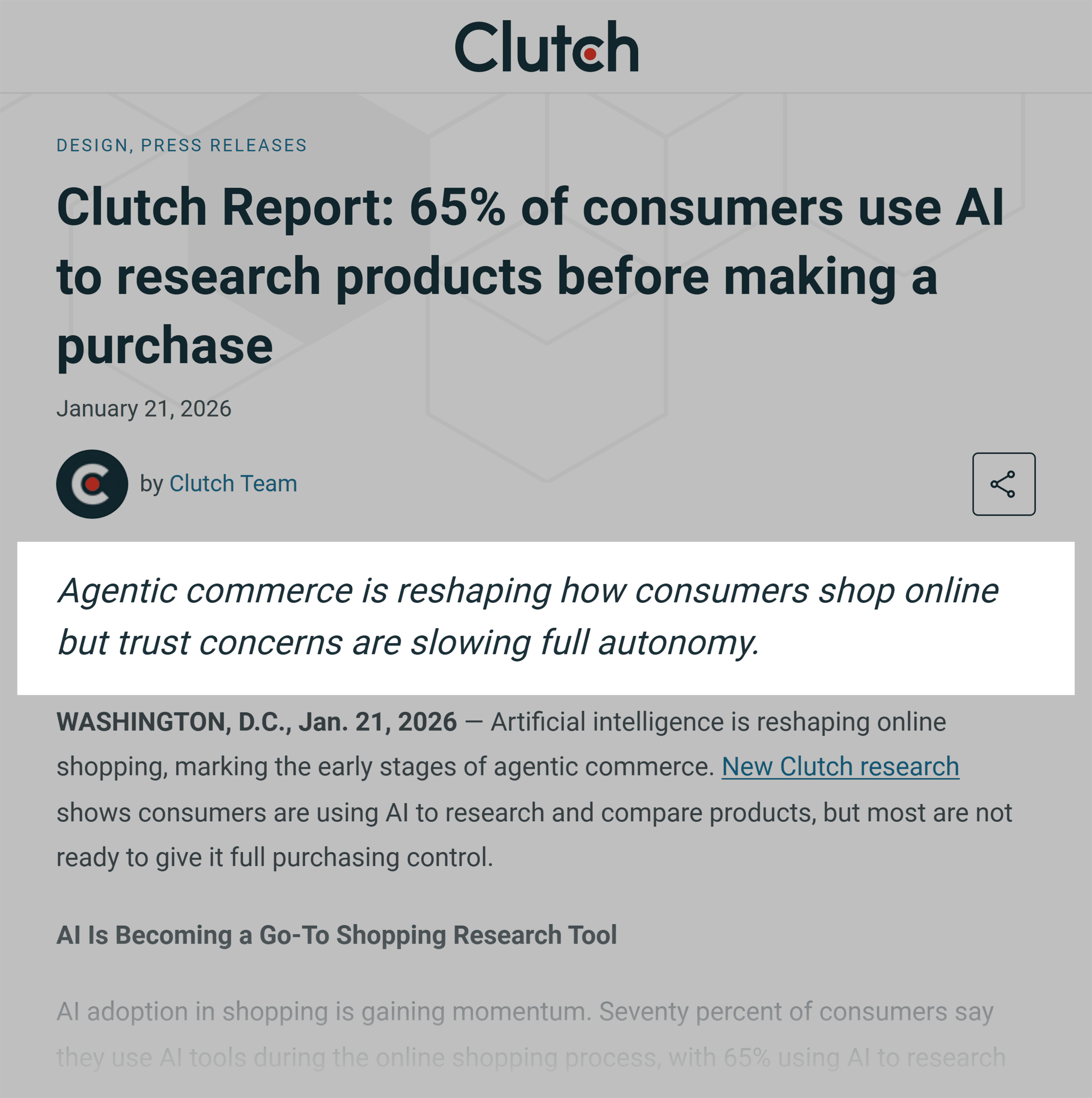
This creates a "pre-arrival bias." By the time a user clicks through to your domain, they have already formed an opinion about your brand based on what AI, community forums, and social influencers have told them. Your marketing objective has shifted: you are no longer just fighting for attention; you are fighting for the accuracy of your brand narrative in the eyes of both human users and Large Language Models (LLMs).
Chronology of the Modern Funnel
- The Awareness Phase (AI & Social): Prospects query AI tools or search social platforms for peer recommendations.
- The Validation Phase (Community): Users verify claims in niche communities (Reddit, Discord, or industry-specific forums).
- The Intent Phase (Click-through): Users arrive at your website with a pre-existing level of trust or skepticism.
- The Conversion Phase (Site Experience): The website serves to confirm the research and finalize the transaction.
1. Engineering Your Brand Reputation Online
You cannot afford to leave your reputation to chance. Influencing how the internet describes your brand requires a deliberate brand messaging strategy.
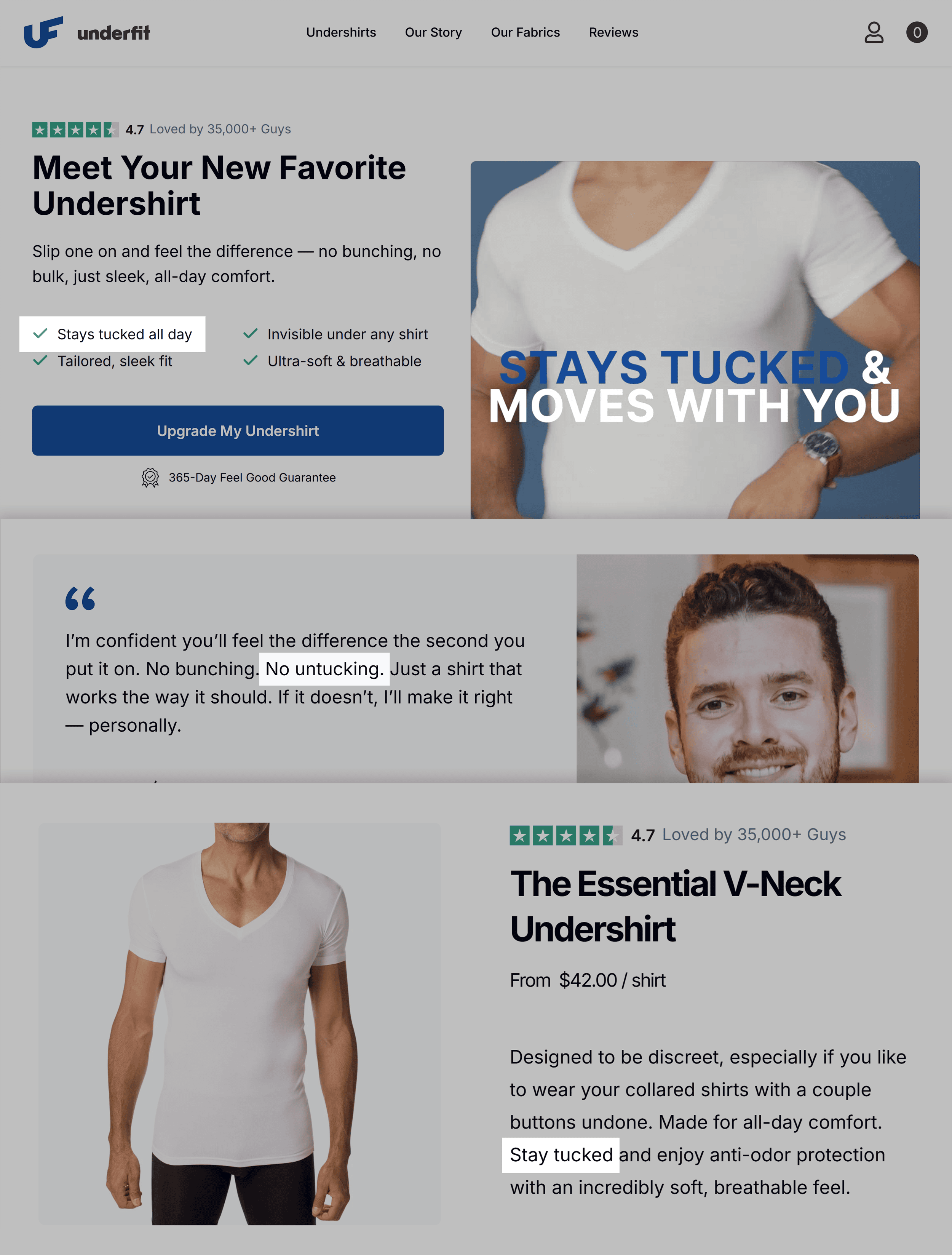
A robust brand messaging document should serve as the source of truth for every department—from marketing and sales to product and executive leadership. At its core, this document must define your value proposition, core values, and the specific problems your product solves.
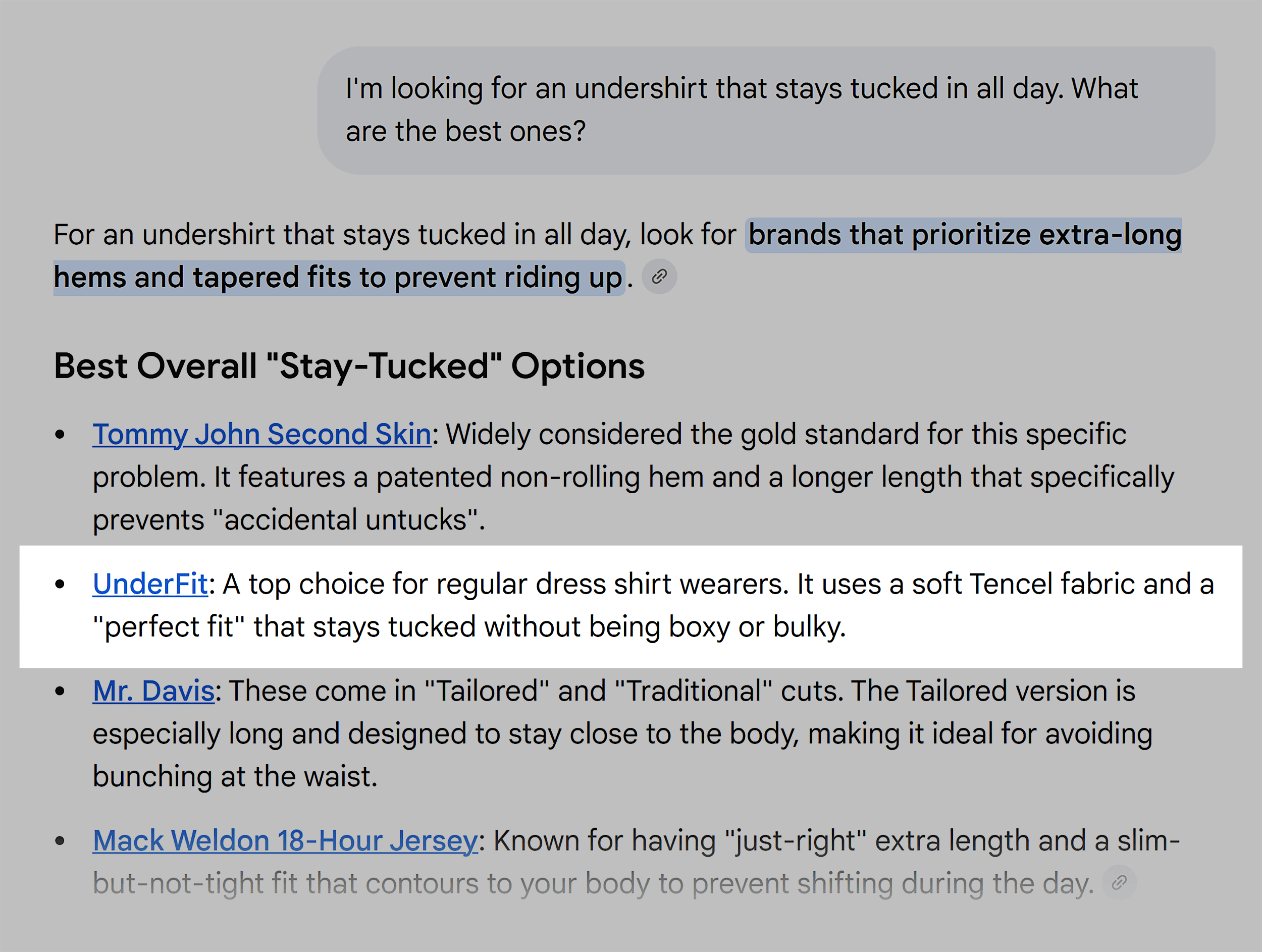
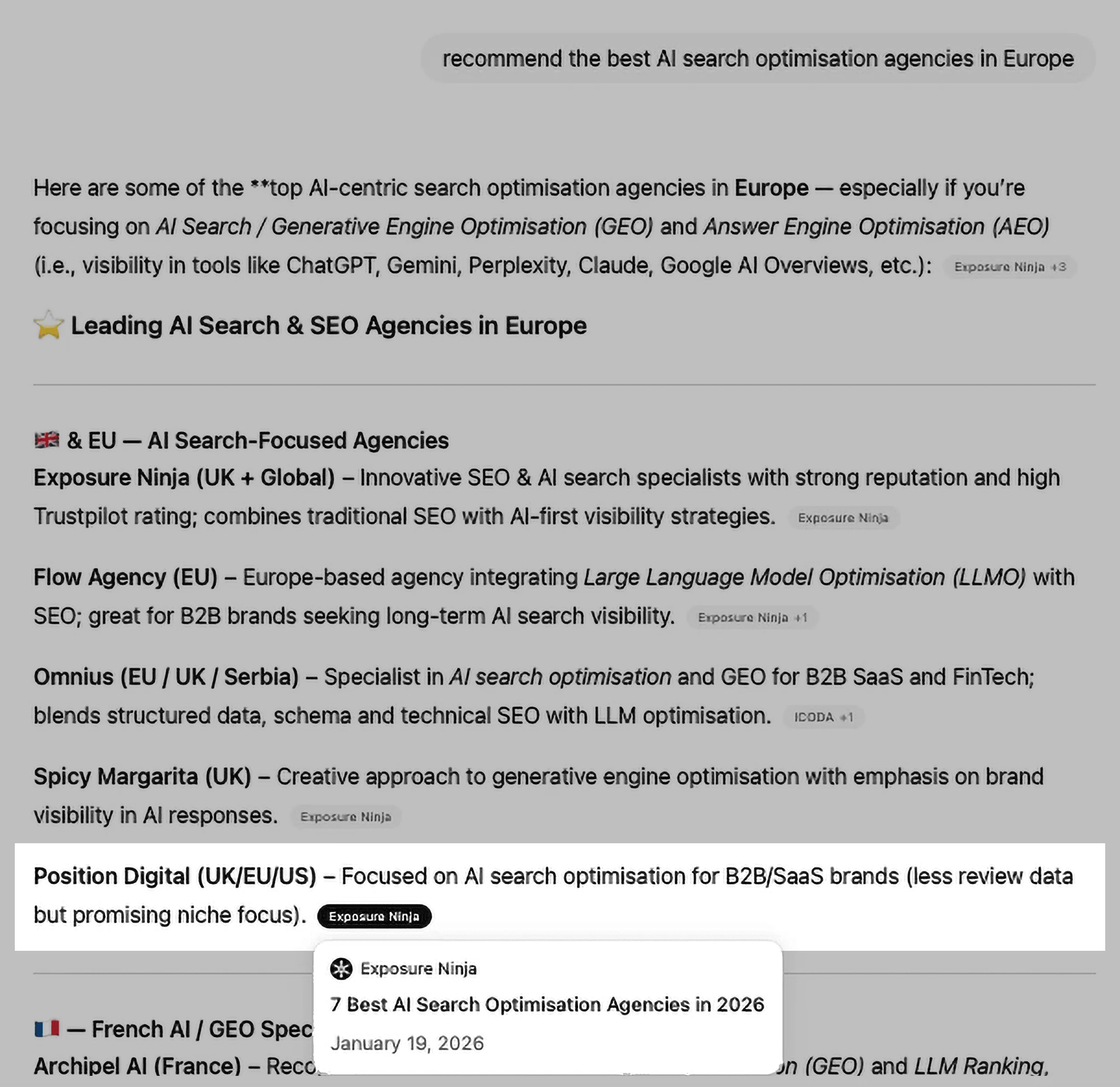
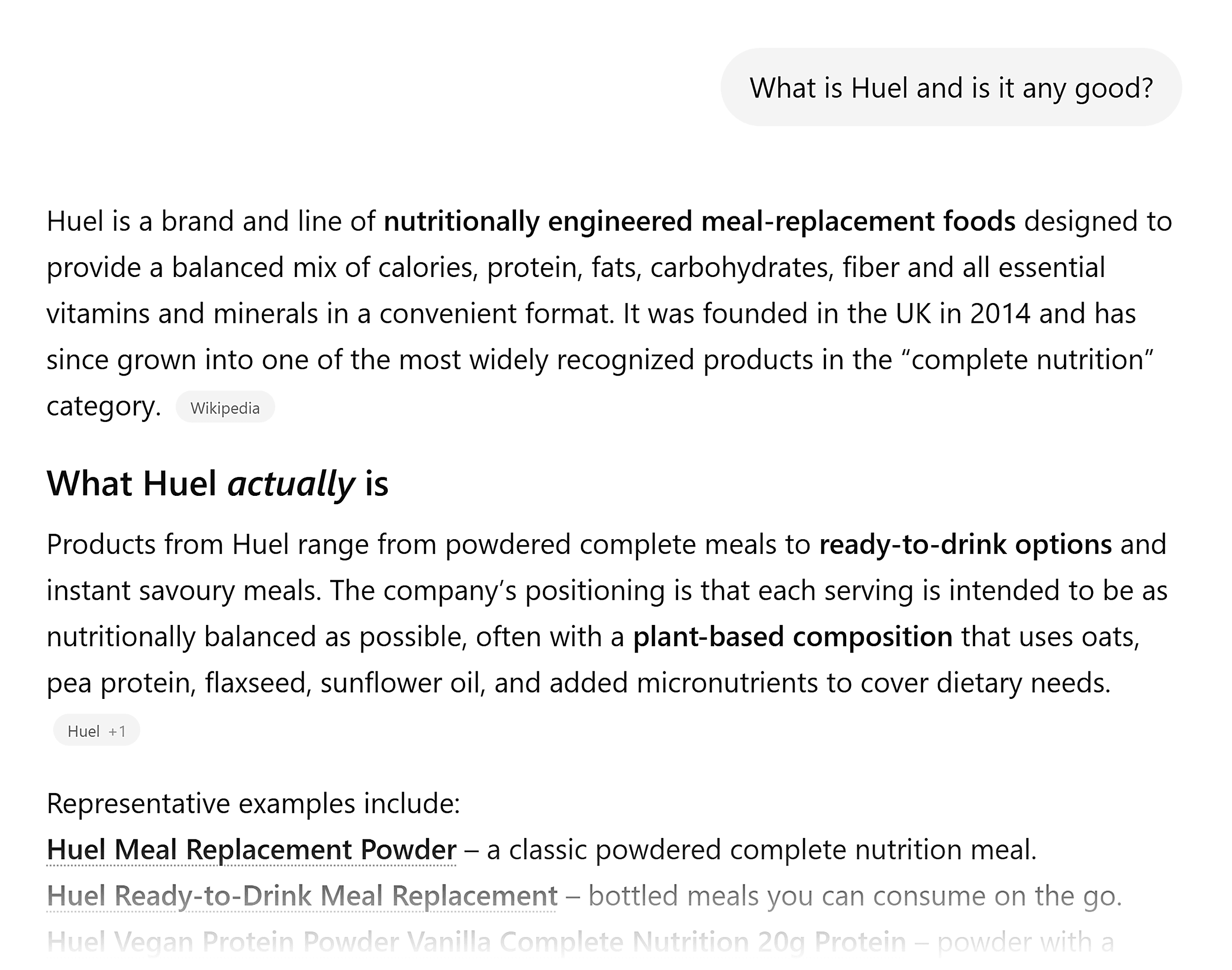
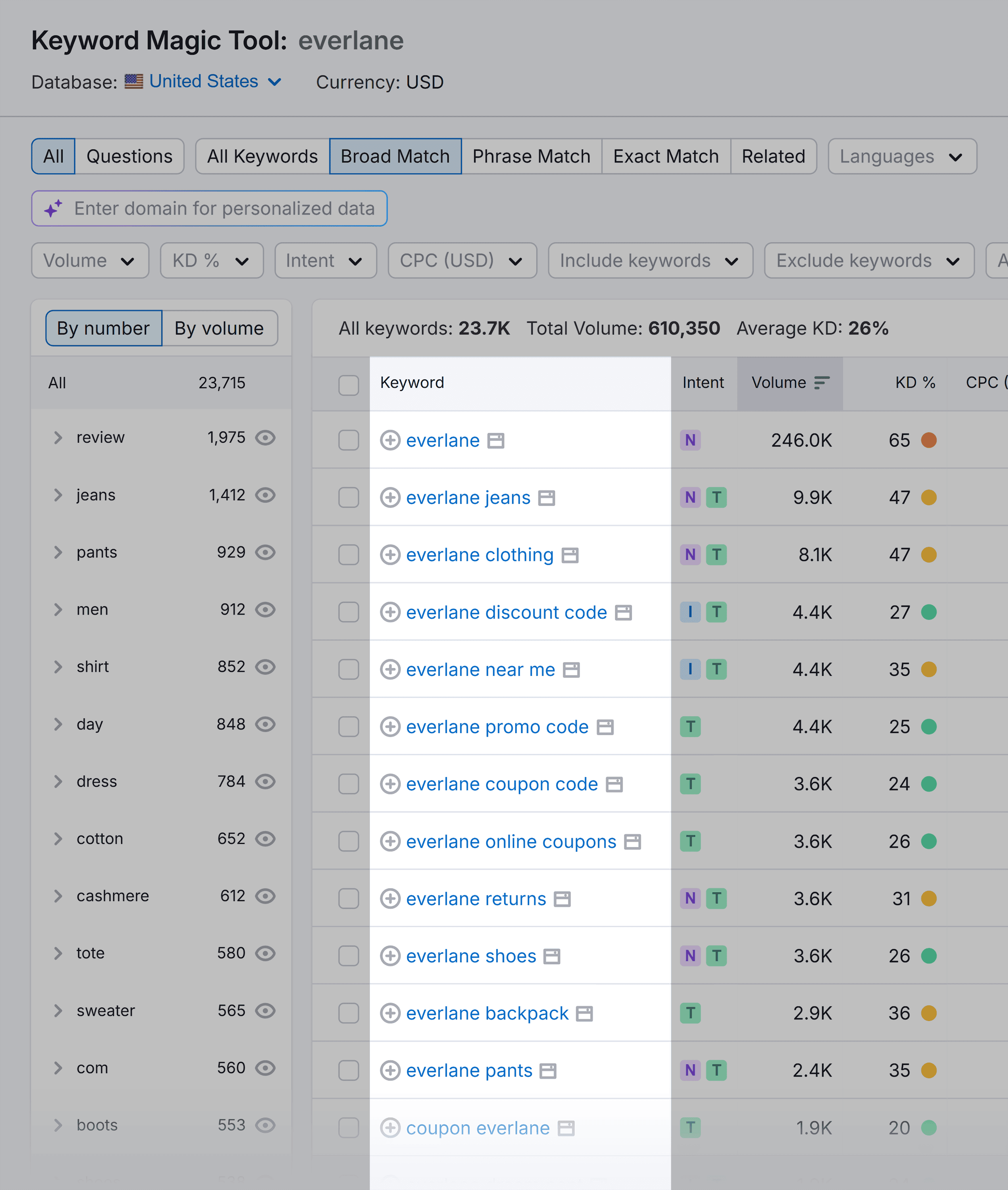
Actionable Step: Use an LLM to perform a "brand audit." Ask tools like ChatGPT or Claude, "What are the primary benefits associated with [Your Brand]?" and "Who are the top competitors for [Your Brand]?" Analyze these results to see if the AI narrative aligns with your intended positioning. If the AI is hallucinating or misrepresenting your benefits, you need to increase the frequency and consistency of your messaging across high-authority third-party sites.
2. Structuring for Humans and Machines
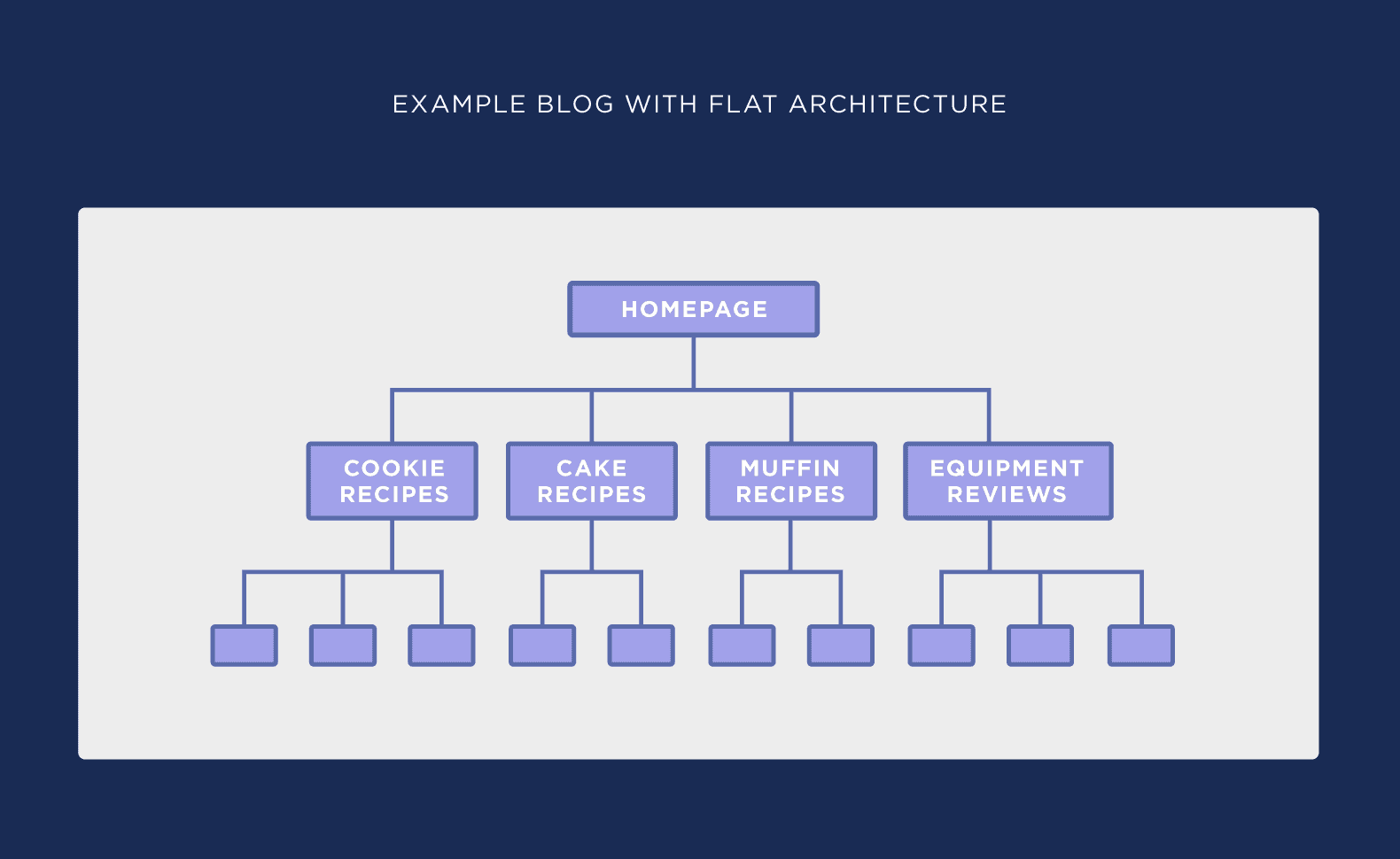
Visibility is only half the battle; the other half is technical accessibility. A website must be structured so that both humans and LLMs can easily parse the content.
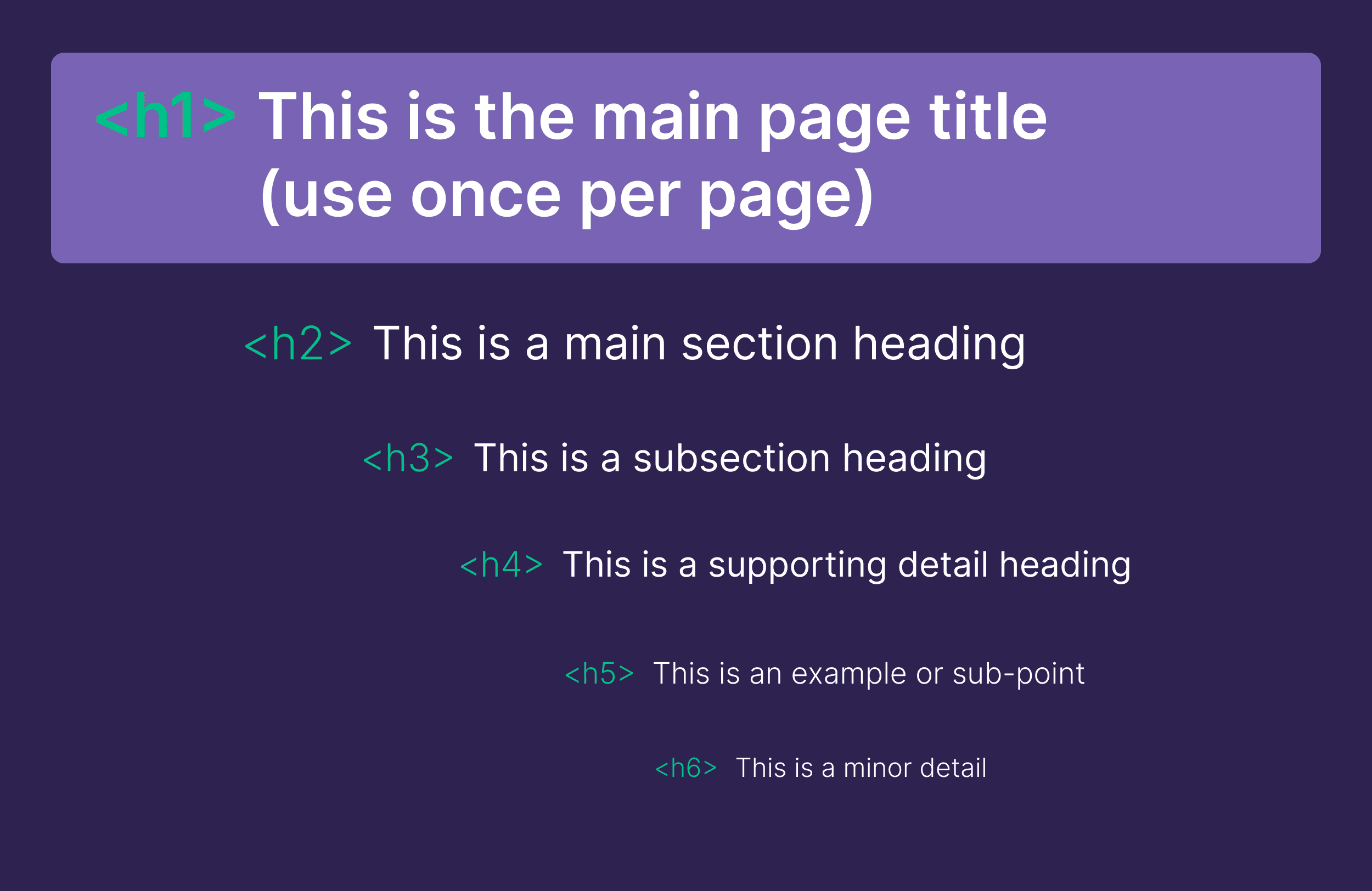
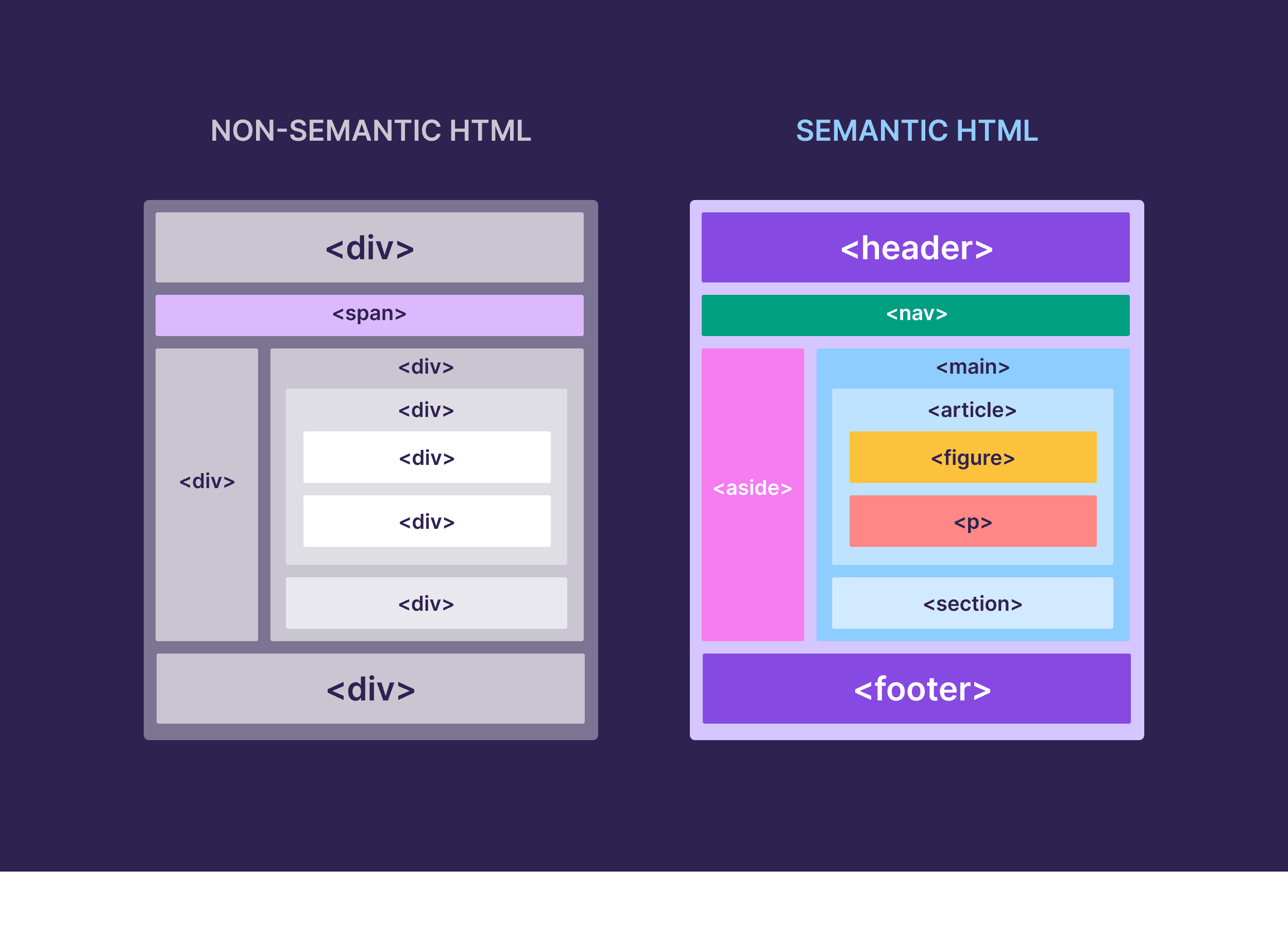
- Semantic Architecture: Use proper heading tags (H1, H2, H3), lists, and semantic HTML elements (like
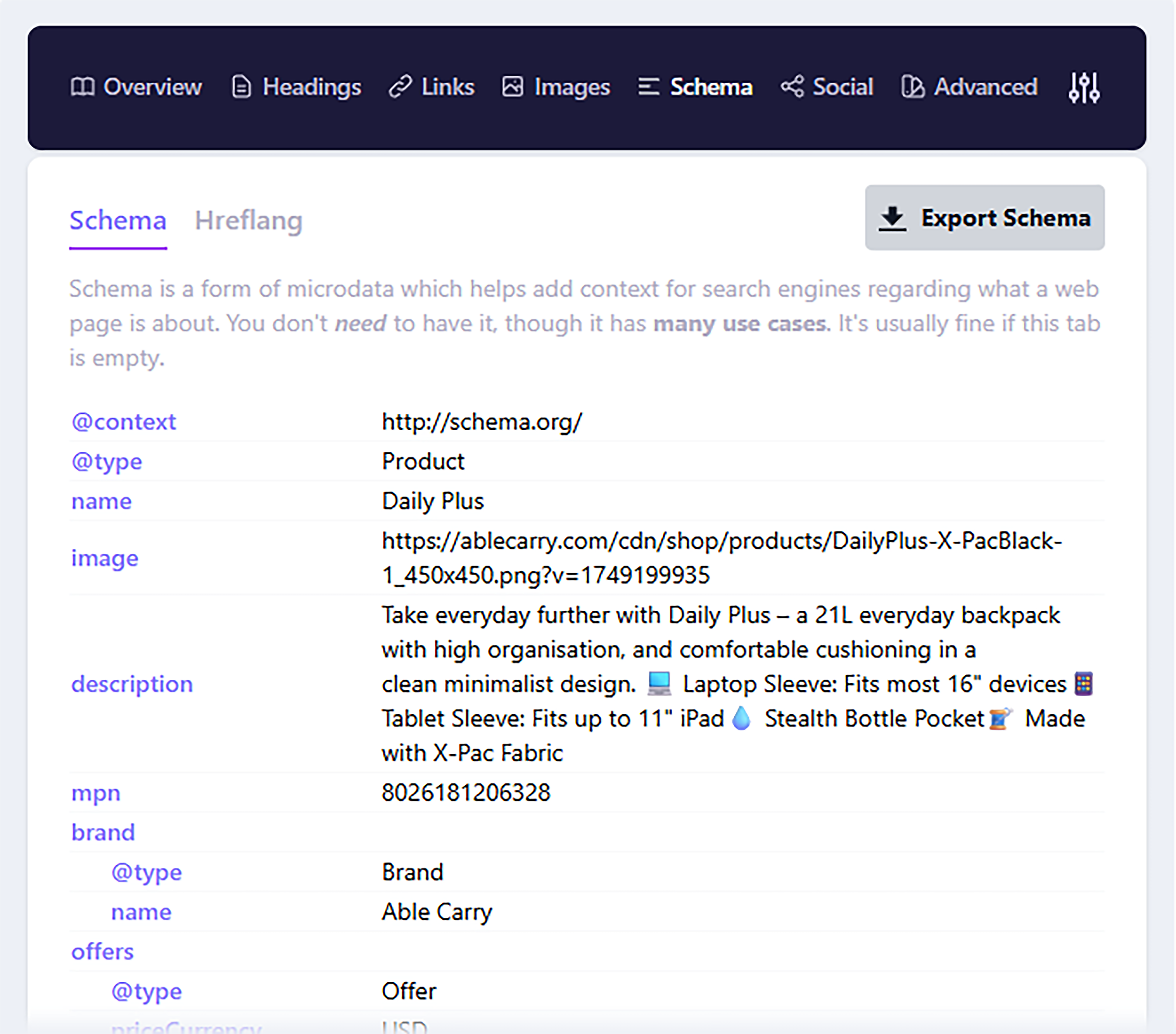
<article>and<section>). This creates a hierarchical map that LLMs use to understand the relationship between different topics on your site. - Structured Data: Implement schema markup to explicitly tell search engines what your content is. Whether it is a product page, a review, or a case study, structured data remains the gold standard for providing context to crawlers.
3. The Power of Proof Assets
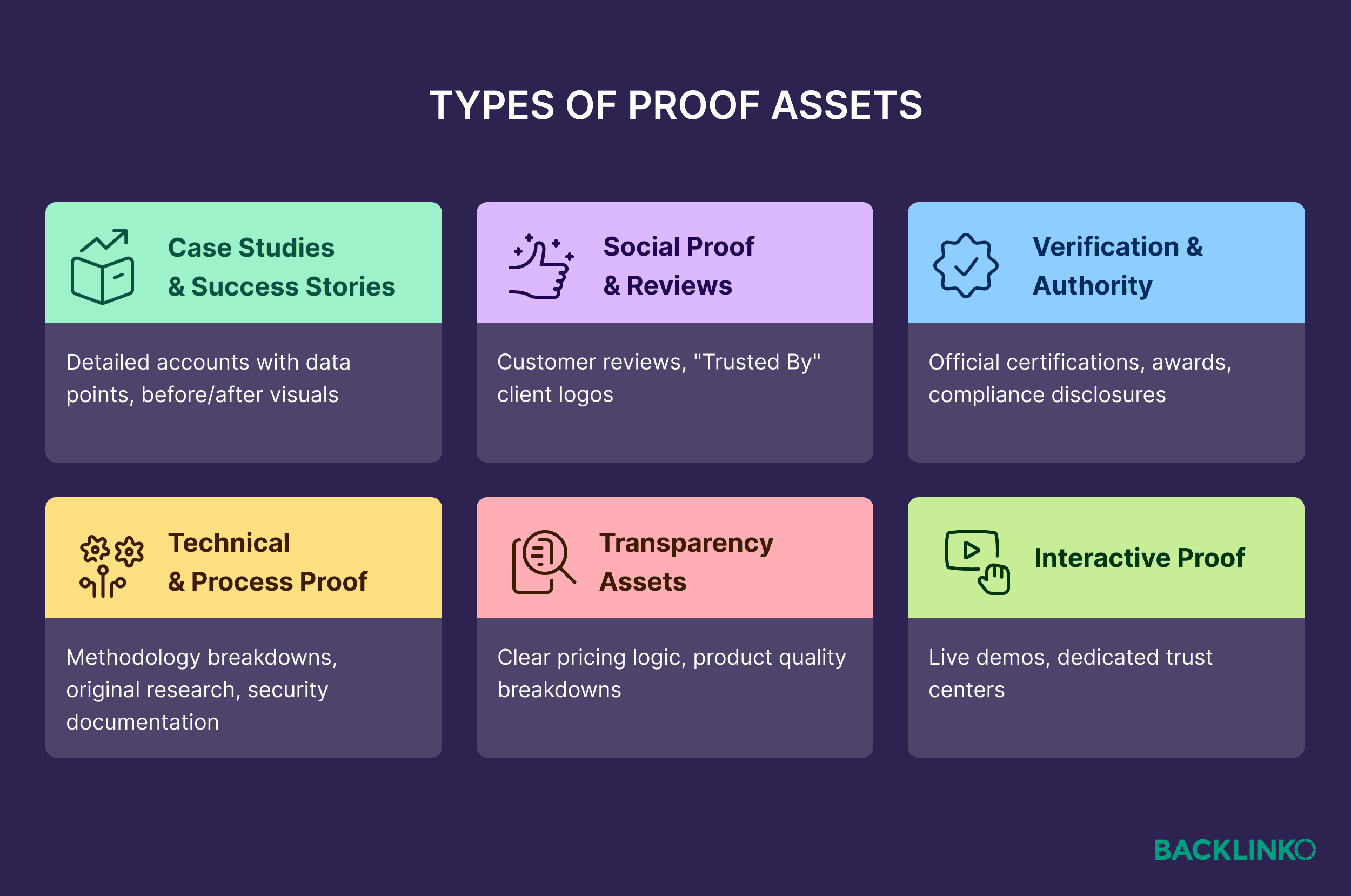
Proof assets are the evidence that validates your marketing claims. In 2026, these are the most critical components of your site’s credibility. These include:
- Case Studies: Quantifiable results backed by client data.
- Uptime & Security Documentation: Essential for SaaS companies.
- Peer Reviews: Unbiased, third-party feedback.
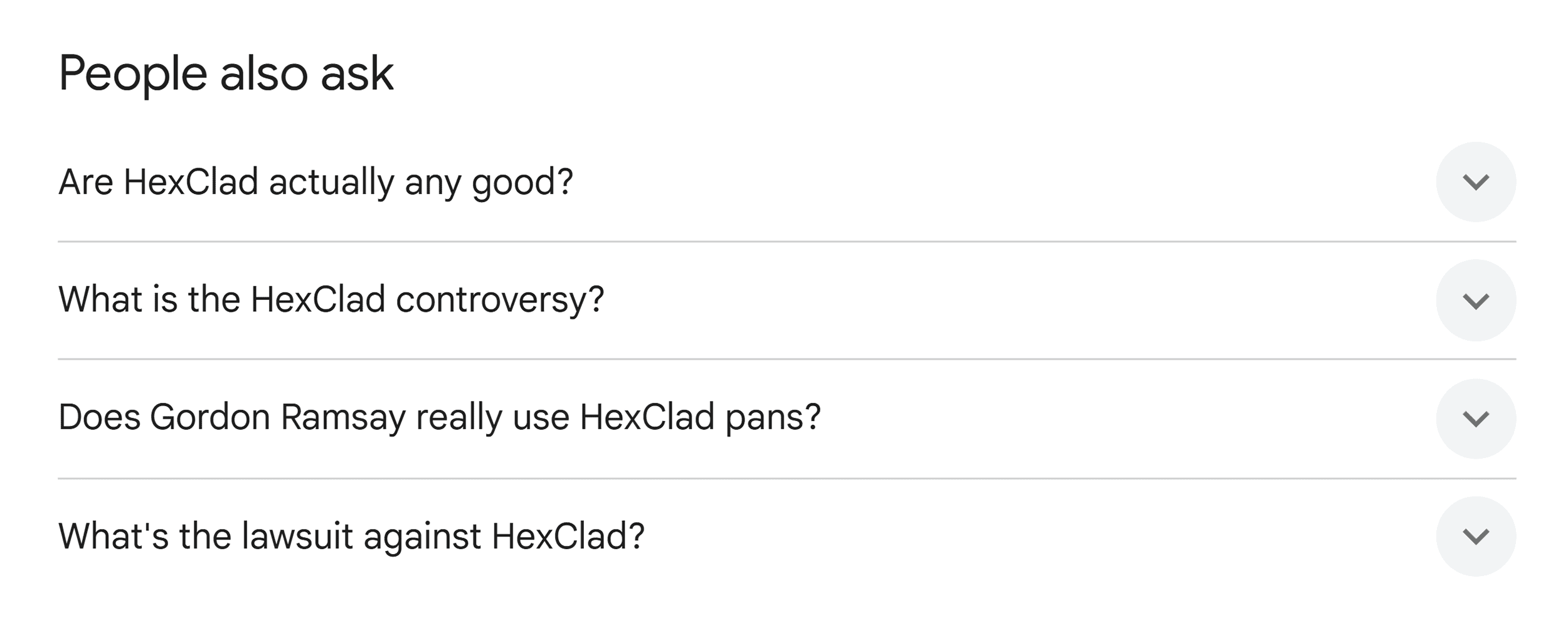
Actionable Step: Use Google’s "People Also Ask" feature to see what prospects are questioning about your brand. If you see a recurring question like "Is [Brand] worth the price?" or "How does [Brand] handle data privacy?", you should immediately create or update a dedicated "Proof Page" that addresses these concerns directly.
4. The Video-First Trust Protocol
Video is the ultimate tool for overcoming the "stranger" barrier. While text is informational, video is experiential. It allows potential customers to feel a sense of familiarity before they ever interact with your sales team.
Long-Form vs. Short-Form
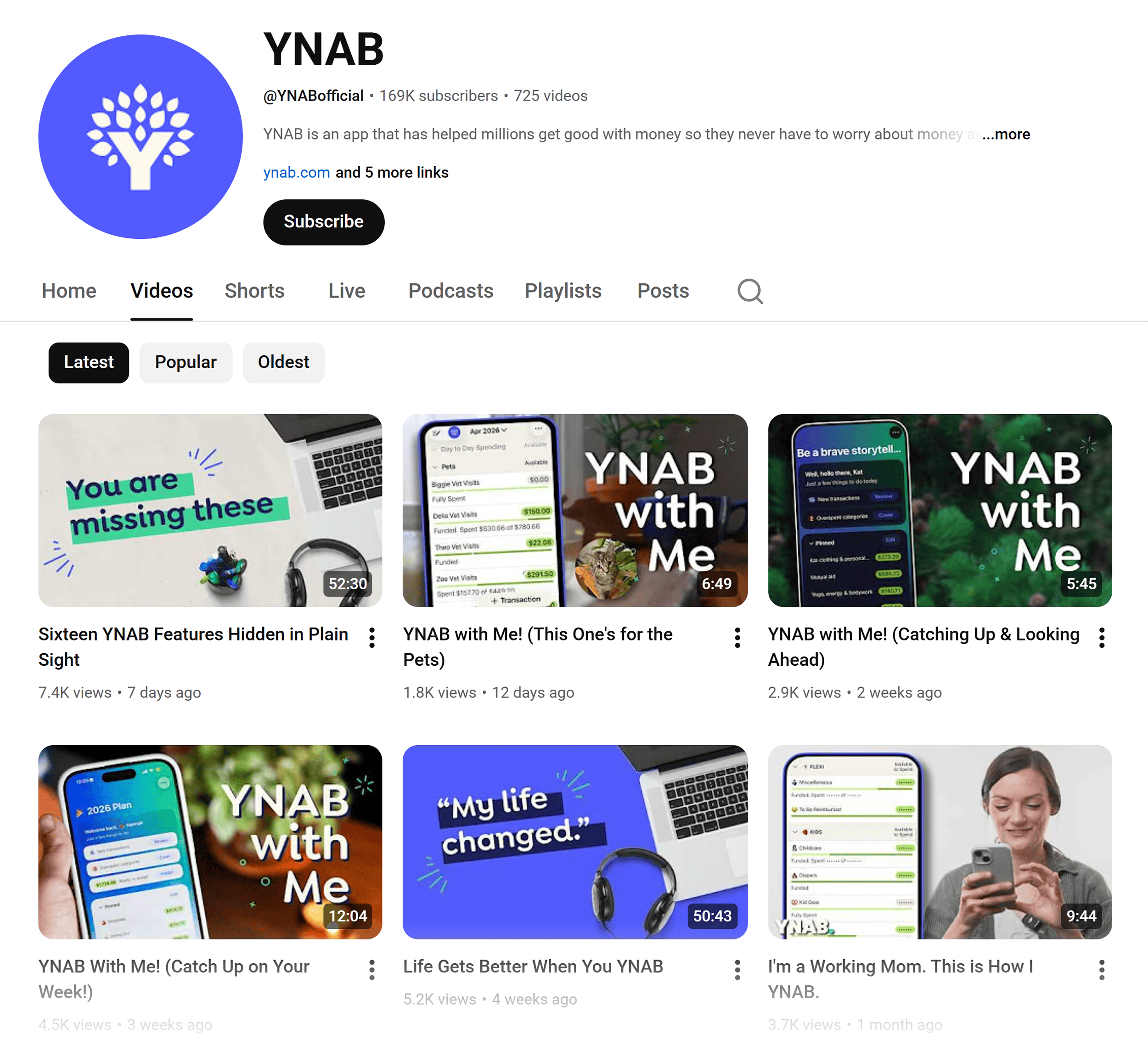
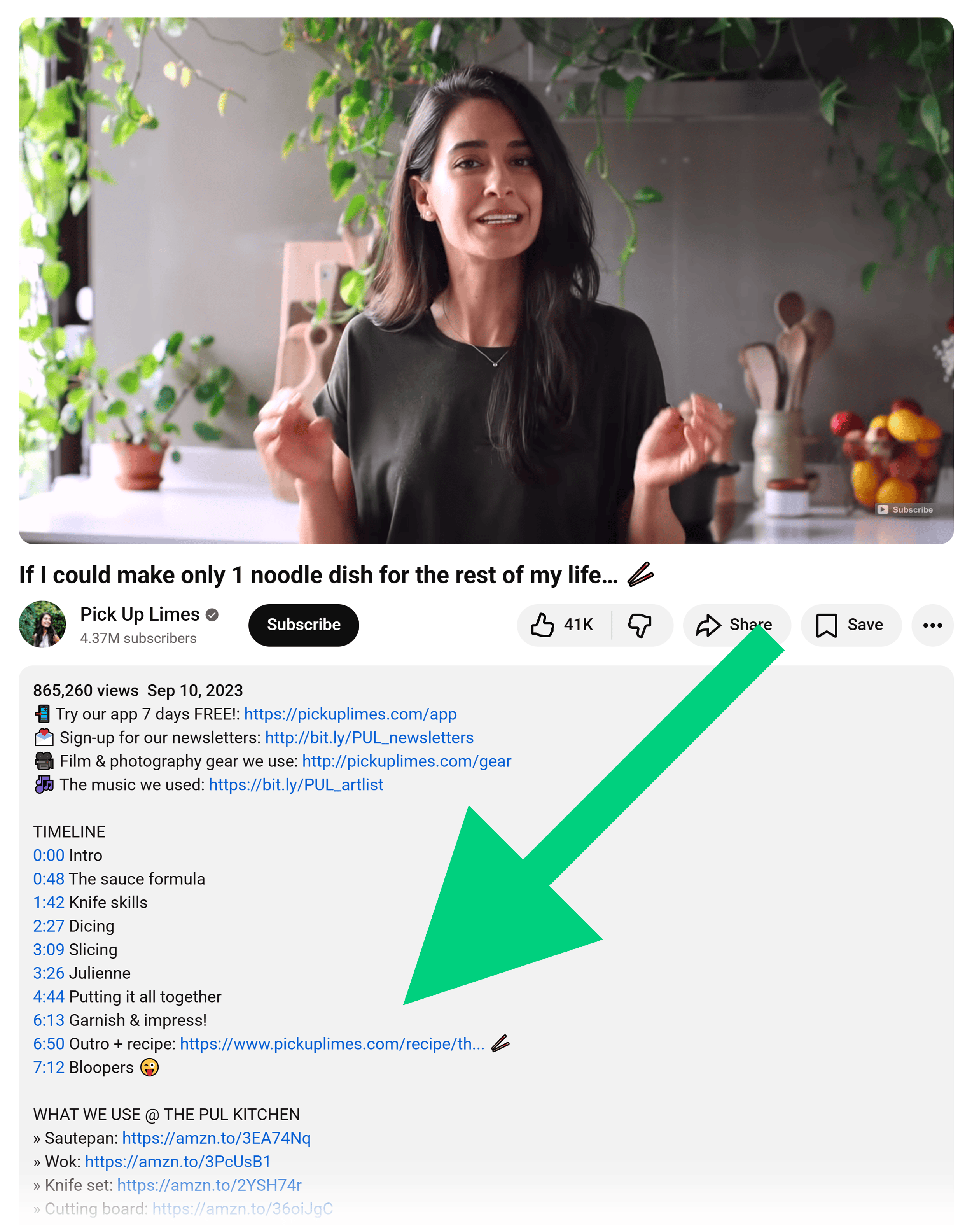
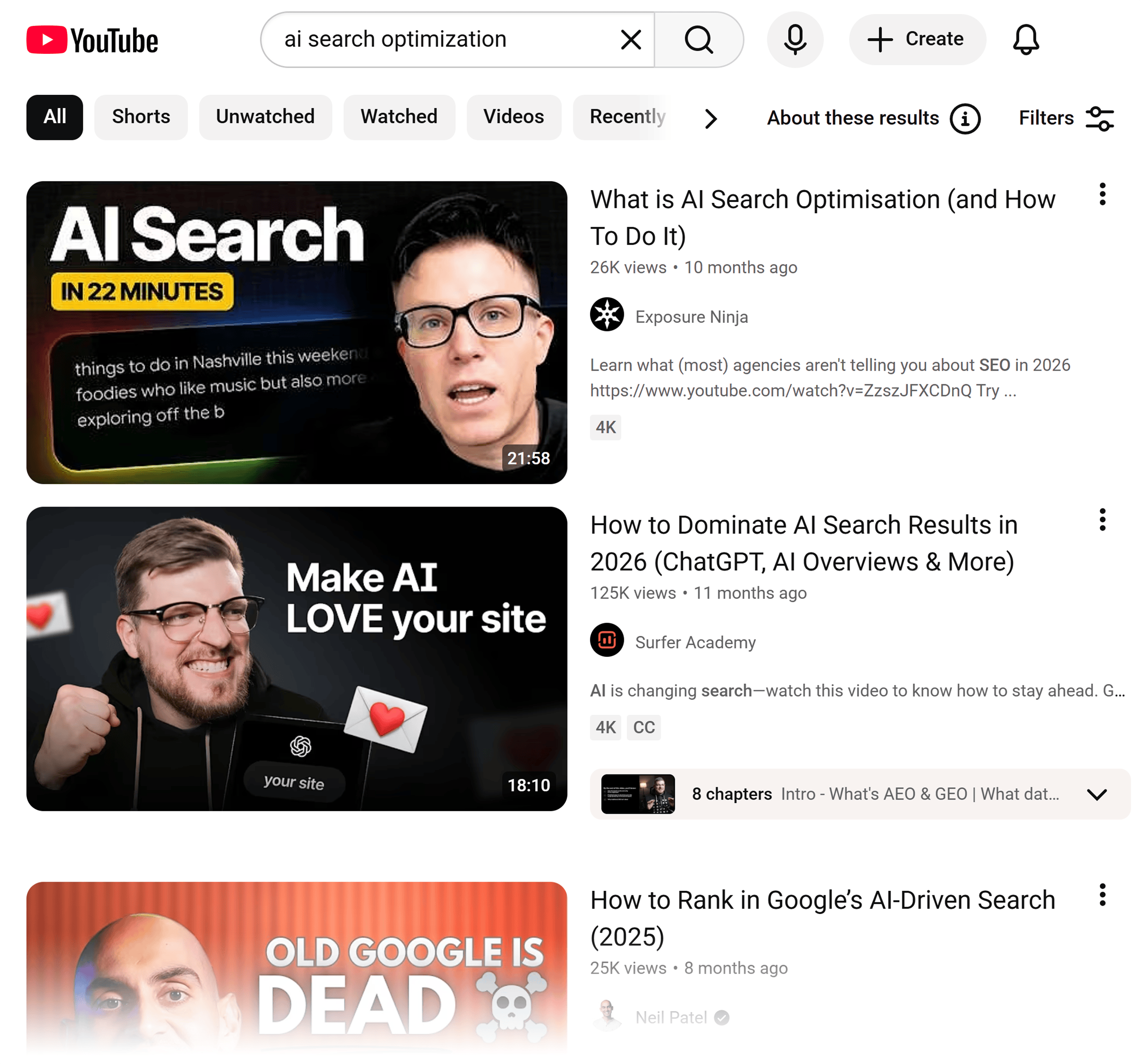
- Long-Form (The Authority Builder): Use YouTube to host webinars, product deep-dives, and educational tutorials. This content is for the buyer who is in the evaluation phase.
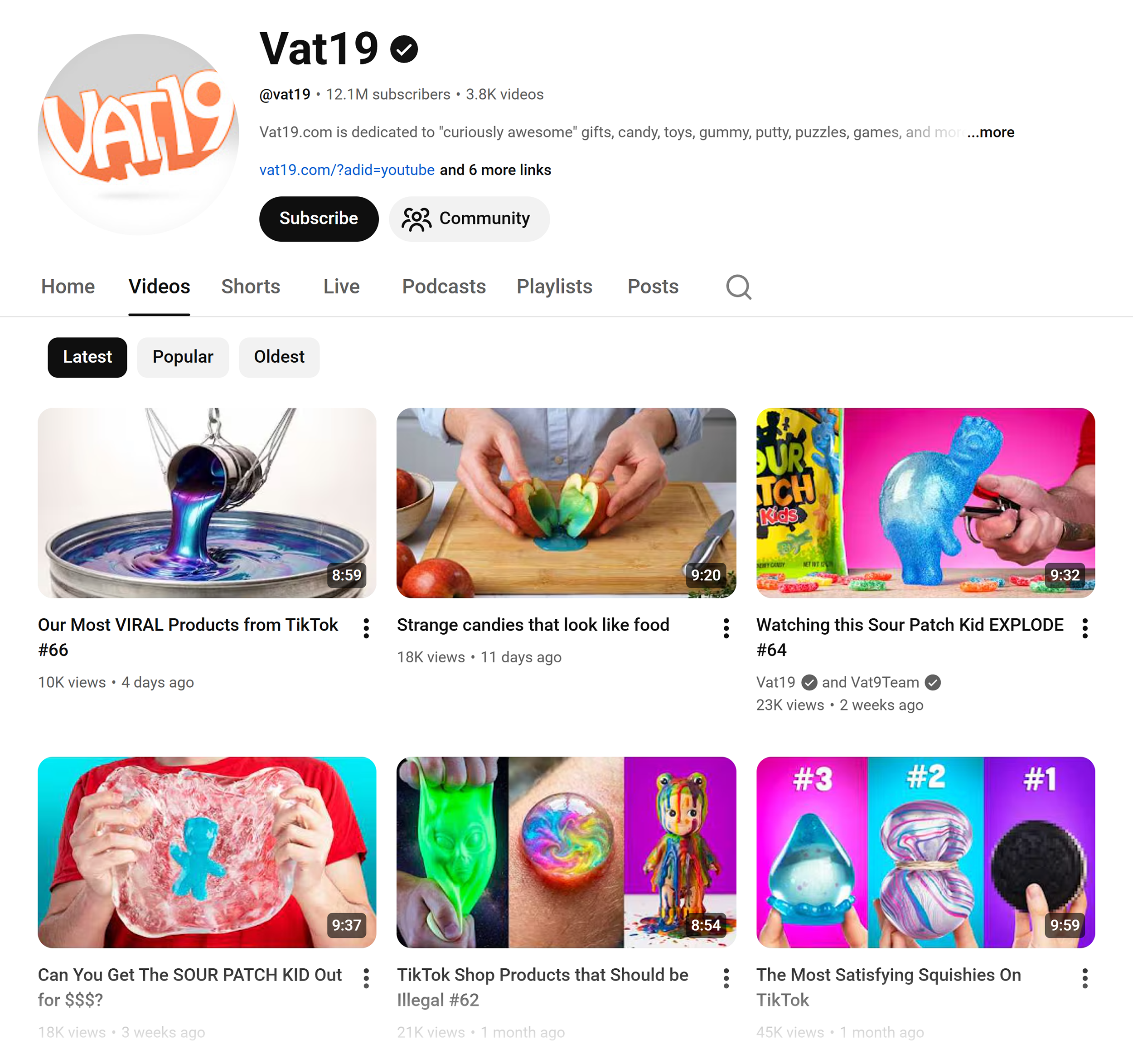
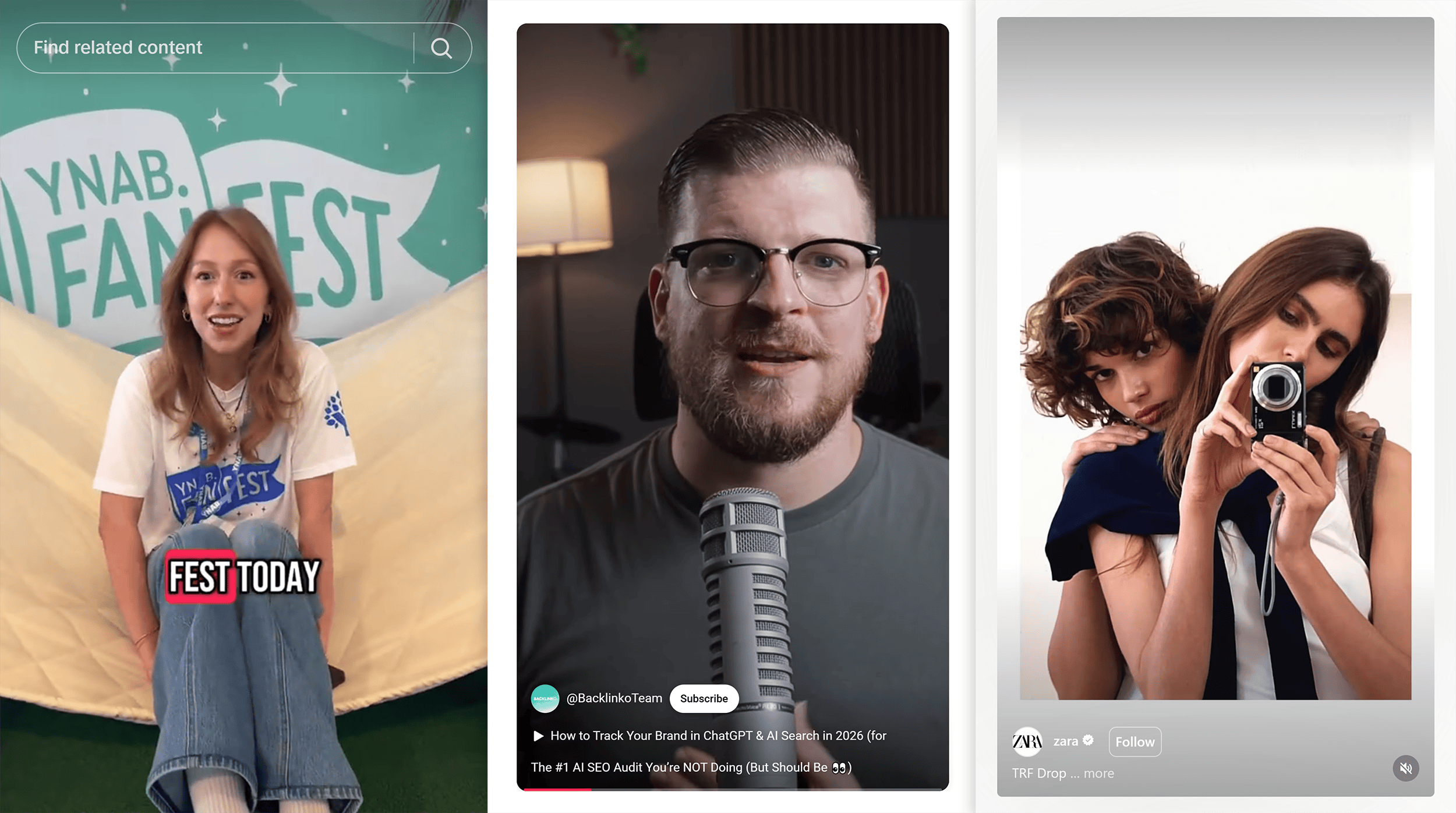
- Short-Form (The Familiarity Builder): Use TikTok, Reels, and YouTube Shorts to answer quick, common questions. The goal here is not necessarily to drive immediate traffic, but to stay top-of-mind through consistent, bite-sized appearances.
5. Capturing Google Discover Traffic
Google Discover is perhaps the most underrated traffic source for brands in 2026. Because it is personalized, content often feels curated rather than "searched for," leading to higher engagement.
How to optimize for Discover:
- High-Quality Visuals: Use featured images that are at least 1200px wide.
- Timeliness and Stakes: Discover favors content that feels urgent or relevant to a current trend.
- Mobile-First Design: Ensure your pages are lightning-fast and perfectly readable on mobile devices.
6. Conversion Rate Optimization (CRO) in a Zero-Click Era
In an environment where LLMs are answering questions directly, fewer people are clicking through to your site. This makes the "Revenue per Visitor" (RPV) metric significantly more important.
When a user finally decides to visit your site, you have a limited window to convert them.
- Reduce Friction: Eliminate unnecessary form fields, fix broken navigation, and ensure your site speed is optimized.
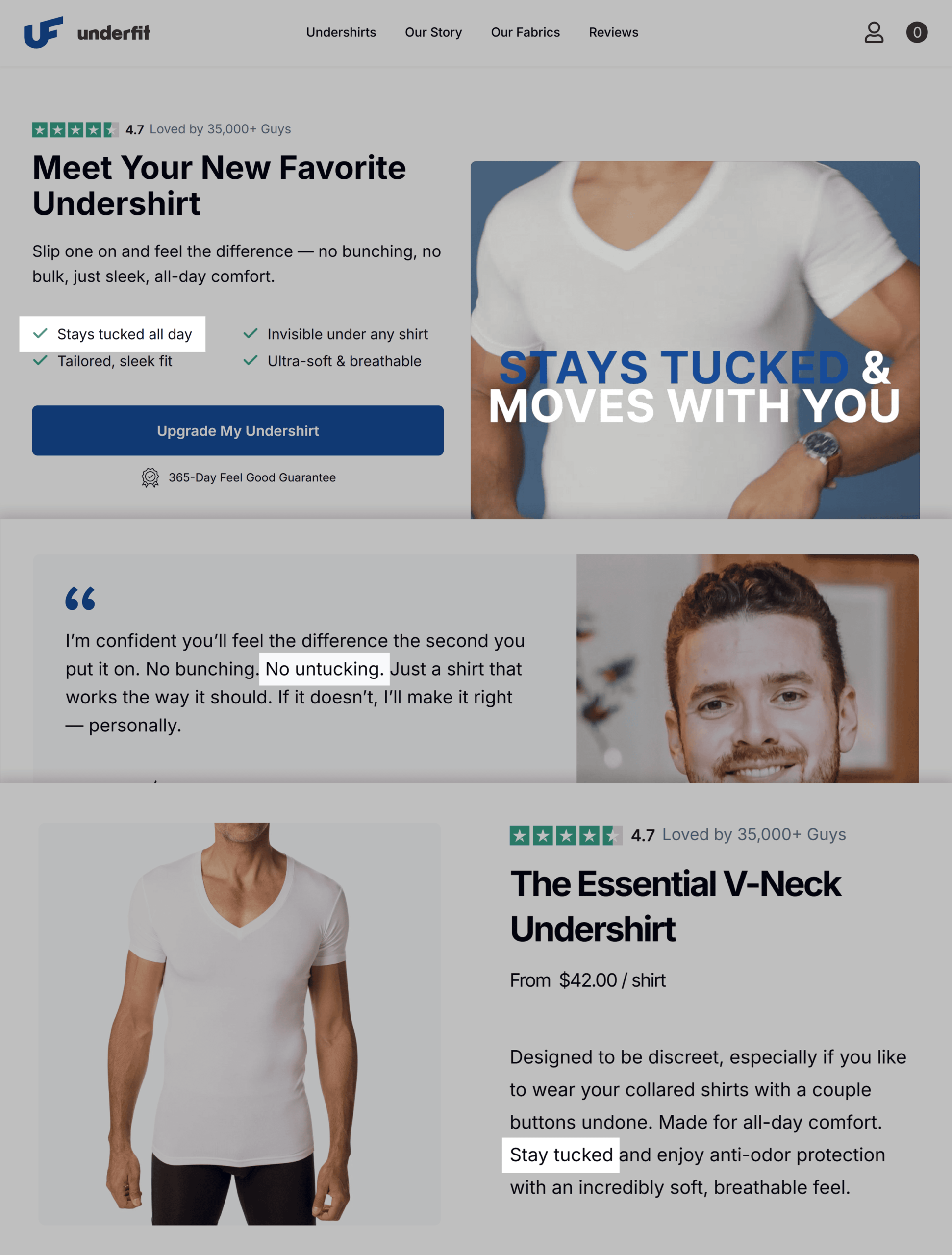
- Reduce Anxiety: Place trust signals (security badges, testimonials, and clear return policies) near your primary CTA buttons.
Behavioral Email Targeting: Your website marketing doesn’t end when the user clicks the "back" button. Use behavioral triggers in your email marketing—such as sending a specific case study to a user who visited your pricing page but didn’t convert. This maintains the conversation while the user’s intent is still high.
7. Humanizing the Brand
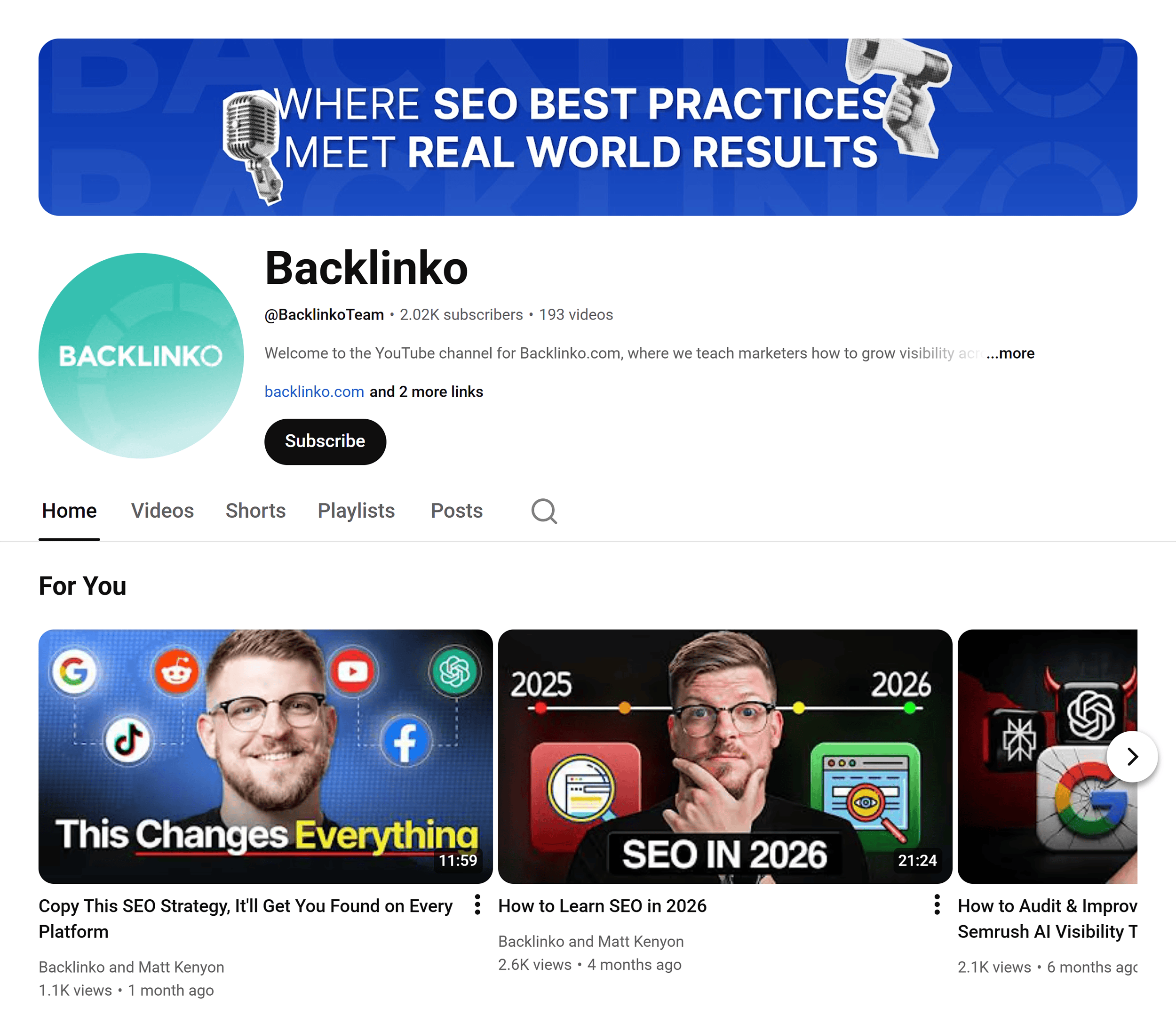
As AI-generated content continues to saturate the internet, the "human premium" increases. People crave authentic, flawed, and expert-led content.
Identify the individuals within your organization who can serve as public brand advocates. Whether it is the founder, a lead engineer, or a customer success manager, these individuals should be active on LinkedIn and industry podcasts. When a human speaks, it creates a personal connection that an AI simply cannot replicate.
Conclusion: The Path Forward
Website marketing in 2026 is no longer about forcing users into a funnel. It is about creating a presence that exists everywhere your customer goes, supporting their research, and being the destination they eventually choose because you were the most helpful, credible, and human entity they encountered along the way.
By focusing on high-authority external visibility, technical site structure, and human-led storytelling, you ensure that when the time comes to make a decision, your brand is the only logical conclusion.
Backlinko is owned by Semrush. We remain dedicated to providing world-class SEO insights based on rigorous, hands-on testing. This content was developed by our team to help you navigate the evolving landscape of digital marketing.