As the work week draws to a close, the pace of innovation in the artificial intelligence sector shows no signs of slowing. From revolutionary design workflows to the emergence of "Gemini 4 Argon" and the standardization of personal AI agents, the landscape is shifting from passive consumption to active, strategic application. Whether you are a creative professional, a software builder, or a business strategist, staying ahead requires moving beyond the "tutorial trap" and into the realm of practical, hands-on mastery.
The Design Dilemma: Why the First Output is Never Enough
In the creative industry, the allure of AI-generated design is undeniable. A single prompt can produce a polished layout in seconds. However, according to industry experts like Michael Stelzner, settling for the first iteration is the primary pitfall for modern designers.
The Iteration Mindset
When designers accept the initial output provided by an AI, they often enter a cycle of "micro-tweaking"—attempting to force a mediocre result into something functional. The professional alternative is to demand multiple iterations from the very first prompt. By requesting a variety of layouts, styles, and structural interpretations immediately, the user creates a gallery of options, allowing for a more informed selection process.
Workflow Security: The "Save-as-You-Go" Protocol
AI models are notoriously prone to "amnesia" when a conversation thread becomes overly complex or long. A critical pro tip for any designer: duplicate your design files frequently and timestamp them. This practice acts as a safety net, ensuring that if an AI hallucinates or forgets a key design constraint, you have a baseline version to return to without losing hours of progress.

Bridging the Gap: From "Knowing" to "Doing"
There is a distinct chasm between consuming AI-related content—reading threads, watching tutorials, and bookmarking "how-to" guides—and actually implementing these tools in a high-pressure, professional environment.
The Shift Toward Hands-On Learning
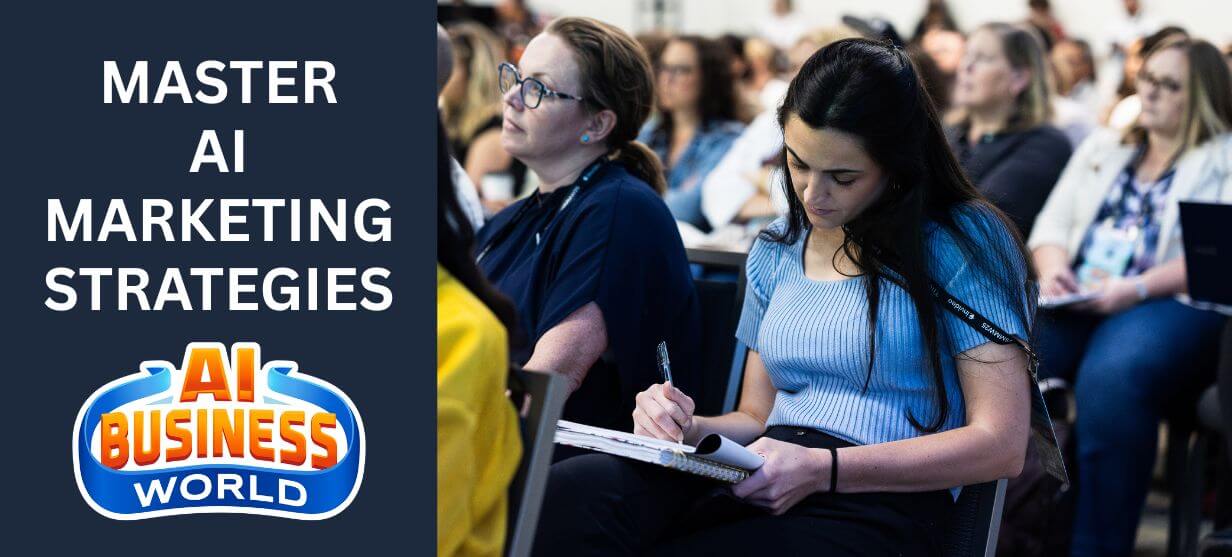
Industry gatherings, such as the upcoming AI Business World conference, are pivoting toward a "practitioner-first" model. Instead of passive keynotes, the industry is seeing a surge in demand for hands-on, workshop-style training. Participants are looking for sessions where they can stress-test AI tools in real-time, solving actual business problems under the guidance of experts who have already navigated the integration hurdles.
Building Your Own Tech: The No-Code Revolution
One of the most profound shifts in the current market is the transition from "software buyer" to "software builder." Erika Stanley, an AI strategist and host of the AI Queens podcast, suggests that many businesses are paying for expensive, bloated software suites that solve only half of their actual problems.
The "Market of One" Strategy
Building custom AI applications—even without a background in computer science—has become viable. The philosophy is simple: build for yourself first. By creating an app that addresses your specific, unique workflow, you save on recurring subscription costs and eliminate the friction of forced-fit software.
The Development Framework
- Start with a Skateboard, Not a Ferrari: Don’t attempt to build a complex, multi-feature platform on day one. Start with a Minimum Viable Product (MVP) that solves one specific pain point.
- The Pre-Build Document: Before writing a single line of code, use AI to interview yourself. Generate a technical requirements document. This document acts as a roadmap, saving significant costs when working with developers or AI coding platforms.
- Vibe Coding vs. Claude Code: For those exploring the builder route, it is vital to distinguish between "vibe coding" platforms (all-in-one, drag-and-drop interfaces like Lovable) and more technical, code-heavy approaches like Claude Code. Understanding which path aligns with your technical literacy is the difference between a successful project and a stalled prototype.
- Security and Backups: Security cannot be an afterthought. From day one, implement robust backup habits. One erroneous instruction can wipe a project; maintaining version control is the hallmark of a professional build.
Industry Chronology: The Week’s Major Developments
The landscape of AI shifted significantly this week with a series of high-profile announcements from tech giants:
- Monday: Google announces the global rollout of "Skills" in Gemini, allowing users to save and reuse complex instructions. Simultaneously, they begin the phasing out of "Gems" to streamline the user experience.
- Tuesday: Meta partners with Sierra and other commerce entities to announce the "Personal Agent Protocol," an open standard designed to allow personal AI agents to communicate directly with business APIs.
- Wednesday: OpenAI expands its advertising footprint within ChatGPT. By introducing visual ad formats during image generation, the company is creating new, measurable touchpoints for brands while maintaining user privacy.
- Thursday: Google releases "Gemini 4 Argon." Touted as the most powerful model for complex reasoning, Argon is currently being deployed in cybersecurity and software engineering sectors to handle long-horizon tasks, such as autonomous vulnerability patching.
Supporting Data and Technical Implications
Google’s Strategic Pivot: Reusable Skills
Google’s introduction of "Skills" is a direct response to the "repetitive prompt" problem. By allowing users to combine reference files and brand guidelines into a persistent, reusable skill, Google is essentially allowing users to build a modular AI brain. This will have massive implications for corporate compliance and brand consistency, as employees can now access standardized, pre-vetted AI behaviors.

Meta’s Open Protocol
The Personal Agent Protocol is perhaps the most significant structural development of the month. Currently, personal AI assistants are siloed. If a user wants their AI agent to book a flight, the agent must struggle through browser automation. With a common standard, these agents could eventually authenticate, purchase, and interact with business back-ends securely. This is the first major step toward an "agentic web," where software agents act as the primary interface between consumers and commerce.
OpenAI’s Ad Ecosystem
The expansion of ChatGPT ads signals a maturation of the business model. By providing full-funnel measurement and independent evaluation pilots, OpenAI is signaling to enterprise brands that ChatGPT is a safe, trackable environment for advertising. For the user, this means that while ads are becoming more visual, the wall between editorial AI responses and sponsored content is being reinforced to maintain user trust.

Implications for the Future of Work
The common thread across these updates is the transition from "AI as a tool" to "AI as an ecosystem."
- For Marketers: The divide between marketing strategy and technical AI implementation is closing. The modern marketer must now be a hybrid—capable of both brand storytelling and basic AI-app configuration.
- For Security Teams: With models like Gemini 4 Argon, the role of cybersecurity professionals is changing from "manual defender" to "AI supervisor." The ability of models to autonomously patch vulnerabilities will redefine the speed at which software infrastructure is secured.
- For Small Business Owners: The ability to bypass traditional SaaS vendors by building custom, lightweight tools is the single greatest competitive advantage available in 2026. The shift from "buying software" to "building solutions" will likely lead to a surge in micro-businesses with highly efficient, automated operational stacks.
Conclusion: The Road Ahead
As we look toward the remainder of the year, the focus will continue to be on integration and agentic behavior. The winners in this new economy will not necessarily be those with the most powerful models, but those who can most effectively weave these tools into their daily workflows, build custom solutions to their specific problems, and maintain the discipline to iterate, test, and secure their work.

The era of merely watching from the sidelines is over. Whether you are building an app, designing a layout, or refining your brand’s AI policy, the tools are now in your hands. The challenge is no longer about access—it is about execution.