In the fast-paced modern kitchen, the intersection of convenience and culinary elegance is often a difficult landscape to navigate. Home cooks frequently find themselves choosing between the laborious, time-intensive preparation of traditional desserts and the lackluster options offered by store-bought, pre-packaged sweets. However, a recent resurgence in "express gourmet" recipes has introduced a compelling solution: the Royal Khoya Pistachio Treat.
This dish, which has gained significant traction for its ability to bridge the gap between humble pantry staples and royal-quality indulgence, requires just five minutes of active preparation. By combining the dense, milky richness of khoya (reduced milk solids) with the vibrant, earthy notes of premium pistachios, this dessert offers a sophisticated experience that belies its simplicity.
Main Facts: The Essence of the Five-Minute Indulgence
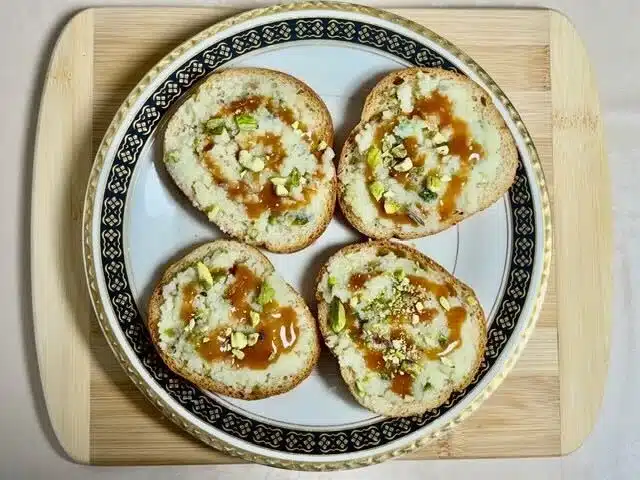
The Royal Khoya Pistachio Treat is fundamentally a study in texture and contrast. At its core, the recipe utilizes a base of toasted bread—ideally a French baguette for its structural integrity and light crumb—as a canvas for a decadent topping. The filling consists of a creamy, sweetened khoya mixture infused with finely crushed pistachios, finished with a delicate drizzle of homemade caramel sauce.
Unlike traditional Indian sweets, which often require hours of slow-boiling milk to achieve the desired consistency, this modern iteration relies on high-quality pre-made ingredients to deliver the same flavor profile in a fraction of the time. The dish is designed to be served warm, ensuring that the crunch of the toasted bread perfectly complements the velvety, soft nut mixture resting atop it. With a standard yield of six servings, it is positioned as an ideal solution for last-minute hosting or a spontaneous post-dinner treat.
Chronology: The Evolution of the Recipe
The history of khoya—or mawa—dates back centuries in South Asian culinary traditions, serving as the backbone for iconic sweets like gulab jamun and barfi. Traditionally, producing khoya involved boiling whole milk in an open iron pan for several hours, a process that demanded constant vigilance.
In the contemporary era, the preparation of these treats has undergone a significant transformation. The "five-minute" methodology represents the latest phase in this evolution:
- Phase One: Preparation of the Base: The process begins with the slicing and buttering of the bread. The bread is toasted until it reaches a light golden hue, a critical step that prevents the final product from becoming soggy when the creamy topping is applied.
- Phase Two: The Creamy Infusion: While the bread undergoes its transformation, the khoya is prepared. Whether utilizing a microwave for rapid softening or a gentle stovetop pan, the goal is to achieve a spreadable, dough-like consistency that is rich but not heavy.
- Phase Three: The Caramelization: The final flourish is the creation of a light caramel sauce. This requires precise heat control—typically on a low setting—to ensure the sugar reaches a golden-amber state without turning bitter.
- Phase Four: The Assembly: The components are brought together at the final moment, preserving the structural integrity of the toast while ensuring the topping remains warm and inviting.
Supporting Data: Why This Recipe Succeeds
Culinary analysts and food bloggers who have tested the Royal Khoya Pistachio Treat highlight several factors that contribute to its high success rate among amateur cooks.
- Versatility of Ingredients: The recipe is remarkably forgiving. While the classic version specifies a French baguette, the methodology supports the use of brioche, sourdough, or standard white bread, allowing for personal customization.
- Nutritional Density: Pistachios are a nutrient-dense inclusion, providing healthy fats, protein, and antioxidants. When paired with khoya, the dish offers a satisfying satiety that often results in smaller, more mindful portion sizes.
- Time-Efficiency Metrics: The five-minute timeframe is not merely a marketing claim but a result of the recipe’s streamlined architecture. By eliminating the need for complex emulsification or long-duration baking, the recipe reduces the "barrier to entry" for home cooks who might otherwise feel intimidated by gourmet dessert preparation.
Official Perspectives: The Philosophy of Easy Luxury
Culinary experts, including those behind the popular Manjula’s Kitchen platform, emphasize that the goal of this recipe is to demystify the "royal" aspect of Indian-inspired desserts.
"The beauty of this dish lies in the fact that it is a ‘special occasion’ dessert that doesn’t require a special occasion," notes a lead recipe developer. The philosophy here is rooted in the belief that home cooking should be restorative and enjoyable rather than a chore. By utilizing the microwave for the khoya base and employing a simple pan-toasting technique, the recipe respects the time constraints of the modern family while refusing to sacrifice the depth of flavor associated with traditional, time-consuming methods.
Furthermore, there is a focus on the sensory experience. The contrast between the crisp, buttery exterior of the bread and the dense, nutty interior creates a "mouthfeel" that is often cited as the primary driver of the dish’s popularity. The optional nature of the caramel sauce further demonstrates the recipe’s flexibility, allowing the host to adjust sweetness levels based on the preferences of their guests.
Implications: The Future of Home-Style Gourmet
The rise of recipes like the Royal Khoya Pistachio Treat carries significant implications for the future of home cooking. As consumers continue to seek high-quality culinary experiences at home, the demand for "elevated convenience" is expected to grow.
1. The Shift Toward "Elevated Convenience"
This trend suggests a departure from processed convenience foods toward "assembled" gourmet meals. Rather than buying a pre-made cake that lacks freshness, consumers are opting for recipes that require minimal cooking but allow for the use of high-quality, artisanal ingredients.
2. Cultural Fusion and Modernization
The adaptation of khoya—a product traditionally linked to long-form cooking—into a quick, modern toast-topping reflects a broader trend of cultural fusion. It honors the heritage of the ingredient while acknowledging the realities of a global, fast-paced lifestyle. This encourages younger generations to engage with traditional flavors without feeling overwhelmed by the technical demands of the past.
3. Sustainability and Waste Reduction
Because the recipe is modular and allows for the use of various bread types, it serves as an excellent method for reducing food waste. Stale bread, often destined for the bin, is given new life through the toasting and topping process, proving that sustainability and luxury can coexist in the same kitchen.
4. Accessibility and Inclusion
Finally, the recipe’s emphasis on simple kitchen equipment (a pan, a microwave) ensures that it is accessible to a wide demographic. Whether one lives in a fully equipped kitchen or a compact urban apartment, the ability to create a "royal" treat remains consistent.
Conclusion: A Masterclass in Simplicity
The Royal Khoya Pistachio Treat is more than just a quick snack; it is a testament to the idea that sophistication is not defined by the time spent in the kitchen, but by the quality of the ingredients and the intentionality of the preparation. By balancing the traditional richness of khoya with the modern convenience of a five-minute assembly, this dessert provides a blueprint for how we can maintain our connection to cultural culinary roots while navigating the demands of the 21st century.
Whether served as a quiet treat for oneself after a long day or presented as a sophisticated end to a dinner party, the dish remains a reliable, elegant, and deeply satisfying addition to the home chef’s repertoire. As we look toward the future of cooking, the success of this recipe serves as a reminder that the best flavors are often those that bring people together—quickly, easily, and with a touch of royal flair.