Byline: Business Desk
The Indian D2C (Direct-to-Consumer) personal care landscape is undergoing a significant shift as Nat Habit, a startup synonymous with "fresh," kitchen-inspired Ayurvedic beauty products, prepares for its next phase of hyper-growth. The company announced today that it has successfully closed a ₹142 Cr ($14.7 Mn) Series C funding round, a move that signals investor confidence in the brand’s ability to transition from a premium niche player to a household name across the Indian subcontinent.
The all-primary funding round was led by Trident Growth Partners. The capital injection also saw participation from existing marquee investors, including Bertelsmann India Investments, Mirabilis Investment Trust, and Sharrp Ventures. Notably, the cap table expanded to include Physis Capital and the Hero Family Office, underscoring the strategic interest from institutional and family-backed capital in the burgeoning wellness sector.
The Strategic Blueprint: From Niche to "Bharat"
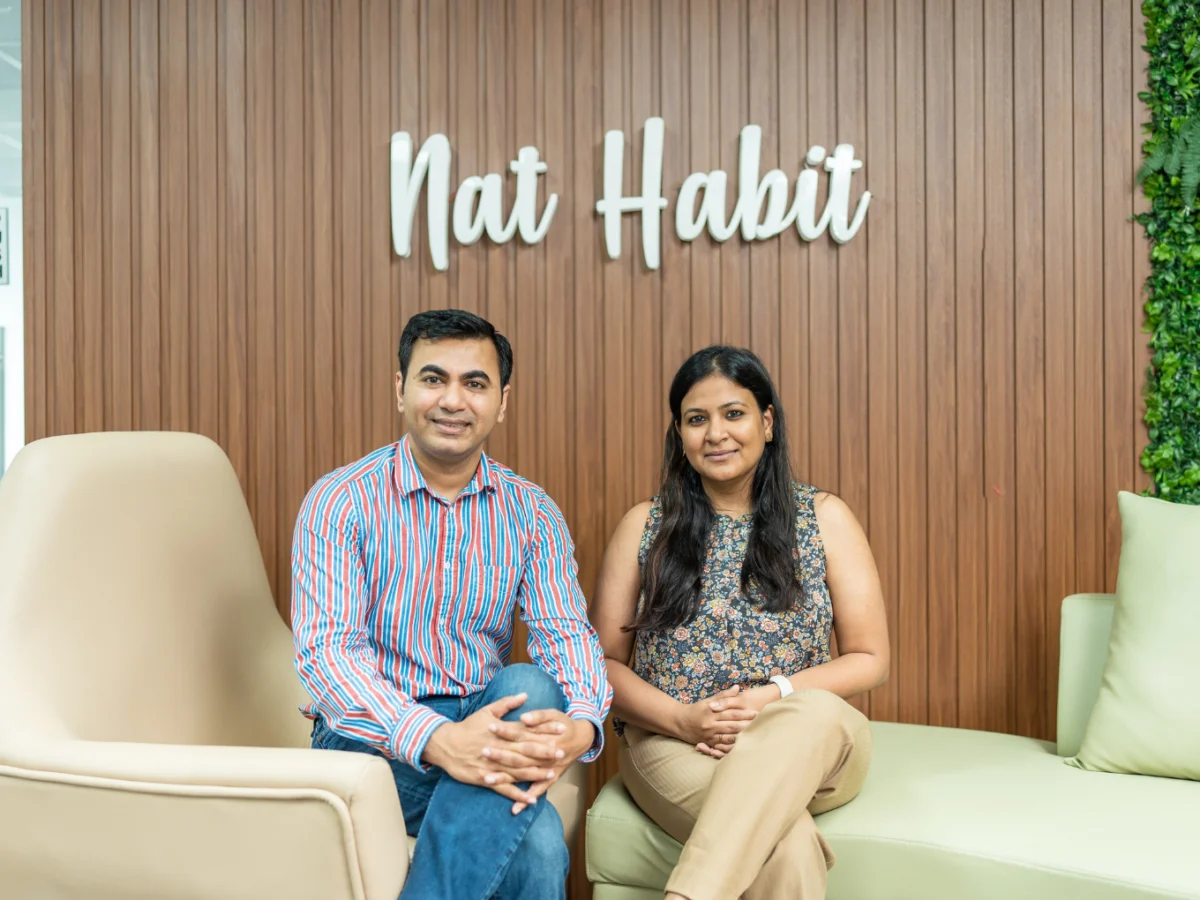
Founded in 2019 by Swagatika Das and Gaurav Agarwal, Nat Habit carved a unique space for itself by prioritizing the "freshness" of its formulations. By blending traditional Ayurvedic wisdom with modern, scientific manufacturing, the brand successfully captured the attention of urban, educated, and health-conscious consumers.
However, the Series C mandate is clear: scale. Nat Habit is now pivoting its strategy to penetrate the "Bharat" consumer base—a demographic that extends beyond the affluent metros into Tier-II and Tier-III cities.
"Our ambition now is to make our products accessible to many more households across India," said co-founder Swagatika Das. To achieve this, the company plans to overhaul its product communication and introduce varied pack sizes, making their premium-quality formulations more affordable and approachable for a broader audience.
Chronology of Growth: A Trajectory of Resilience
Nat Habit’s journey has been defined by steady, calculated growth rather than impulsive expansion. Since its inception, the startup has maintained a focus on product efficacy and customer retention.
- 2019: Nat Habit is founded by Swagatika Das and Gaurav Agarwal, focusing on fresh, plant-based hair and skincare.
- 2023: The startup secures $10.2 Mn in a Series B round, marking a pivotal moment where the company committed to product diversification and aggressive offline retail experimentation.
- 2024: The company hits a milestone of serving over 60 Lakh households, with an annualized gross revenue reaching approximately ₹330 Cr.
- 2025 (Current): With the closing of the ₹142 Cr Series C round, the company shifts its focus to a massive offline distribution push and R&D-led category expansion.
This trajectory highlights a brand that has matured alongside the broader Indian D2C ecosystem, moving from a digital-only startup to an omnichannel powerhouse.
Scaling the Retail Footprint
Perhaps the most ambitious aspect of Nat Habit’s post-funding roadmap is its retail expansion. Currently present in approximately 20,000 stores, the brand aims to scale this to 2 Lakh outlets over the next three years. This 10x expansion is not merely about increasing store count; it represents a fundamental change in how Nat Habit interacts with the Indian consumer.
Offline and Modern Trade Strategy
The company plans to move beyond the general trade format (kirana stores) and aggressively enter "Modern Trade"—the organized retail chains and supermarkets that dominate urban shopping centers. This move will require a robust backend, including an expansion of the team to handle supply chain logistics, trade marketing, and regional sales management.
Quick Commerce Dominance
Recognizing that consumer behavior is shifting toward instant gratification, Nat Habit intends to use a portion of the fresh capital to solidify its presence in the quick-commerce segment. By leveraging platforms like Blinkit, Zepto, and Swiggy Instamart, the company aims to ensure that its "fresh" products remain top-of-mind and readily available for the impulsive, time-poor shopper.
Expanding the Product Portfolio: Entering New Frontiers
While Nat Habit has established a strong reputation in haircare and body care, the Series C funds are earmarked for deep-tech R&D to enter competitive new categories. Specifically, the company is looking to launch sunscreens and specialized serums—products that require high formulation stability and scientific rigor.
Investment in manufacturing facilities will be prioritized to ensure that the transition into these new categories does not compromise the brand’s core value proposition of "freshness." By internalizing parts of the R&D and manufacturing process, Nat Habit aims to maintain the quality standards that allowed it to scale to 60 Lakh households in the first place.
Industry Context: The Ayurveda and Wellness Gold Rush
Nat Habit’s fundraise arrives at a time when the Indian Ayurvedic and herbal wellness segment is experiencing a period of intense scrutiny and massive investment.
The sector is polarized. On one hand, players like Kapiva are raising significant capital—having secured $60 Mn in a Series D round in September 2025—to fuel international expansion and AI-driven product innovation. Kapiva’s recent launch of a ₹50 Cr innovation fund further highlights the industry’s focus on blending ancient traditions with modern technology.
On the other hand, the market is unforgiving. The recent closure of "The Ayurveda Co" (T.A.C) in July 2025 serves as a cautionary tale for the industry. The startup’s collapse, attributed to over-expansion and unsustainable business practices, has served as a wake-up call for investors and founders alike. The takeaway is clear: in a crowded market, hyper-growth must be backed by unit economics and a sustainable supply chain.
Implications for the D2C Landscape
The success of Nat Habit’s funding round suggests that investors are shifting their focus toward "defensible" brands—companies that have a clear product differentiation (fresh, Ayurvedic) and a proven track record of customer loyalty.
1. The Death of "Growth at All Costs"
Nat Habit’s strategy reflects the new reality of the D2C sector. The focus has moved from aggressive customer acquisition through heavy discounting to building sustainable distribution networks and product innovation. By targeting the "Bharat" consumer, Nat Habit is effectively widening its Total Addressable Market (TAM) without sacrificing the premium positioning it has cultivated.
2. The Omnichannel Imperative
The era of "D2C-only" is waning. Brands that fail to integrate into the offline retail landscape—the primary channel for 90% of Indian consumers—are finding it difficult to scale beyond a certain revenue plateau. Nat Habit’s plan to reach 2 Lakh stores is a recognition that true scale in India requires a physical presence.
3. Innovation as a Moat
As the market becomes saturated with Ayurvedic products, generic offerings are no longer enough. The shift toward sunscreens and serums indicates that Nat Habit is moving into categories where technical efficacy is expected. By investing in its own manufacturing and R&D, the company is creating a "moat" that protects it from copycat competitors.
Conclusion: A Test of Execution
As Nat Habit embarks on this ambitious three-year plan, the focus will undoubtedly be on execution. Scaling from 20,000 to 200,000 retail outlets involves complex challenges, from inventory management to ensuring the "fresh" nature of the products remains intact during the extended transit times of a wider distribution network.
However, with the backing of Trident Growth Partners and a war chest of ₹142 Cr, the company is well-positioned to navigate these challenges. If Nat Habit can successfully bridge the gap between its premium, online-first heritage and the realities of the mass-market offline retail environment, it could cement its position as a dominant force in the Indian personal care landscape for years to come.
The coming months will be critical. As the company rolls out its new product categories and expands its retail footprint, the industry will be watching to see if Nat Habit can maintain its "fresh" identity while growing into a titan of the Indian retail sector.