In an era defined by "notification fatigue" and the constant pull of the digital world, the wearable technology market is witnessing a counter-intuitive shift. While smartwatches continue to grow in complexity, a new segment of "screen-free" trackers is emerging for users who prioritize deep health insights over wrist-based connectivity. The latest entrant into this space is the Google Fitbit Air, a device that strips away the glass and silicon interface in favor of a discreet, pebble-like form factor. Priced at Rs 13,999, the Fitbit Air represents Google’s most aggressive attempt to bridge the gap between traditional fitness bands and high-end smart rings.
Main Facts: The Screen-Free Value Proposition
The Google Fitbit Air is not merely a "lite" version of a smartwatch; it is a specialized health instrument designed for passive, 24/7 monitoring. Its primary objective is to collect high-fidelity physiological data without interrupting the user’s life with pings, vibrations, or glowing screens.
Key Specifications and Pricing
- Price: Rs 13,999.
- Dimensions: 17mm wide and 8.3mm thick.
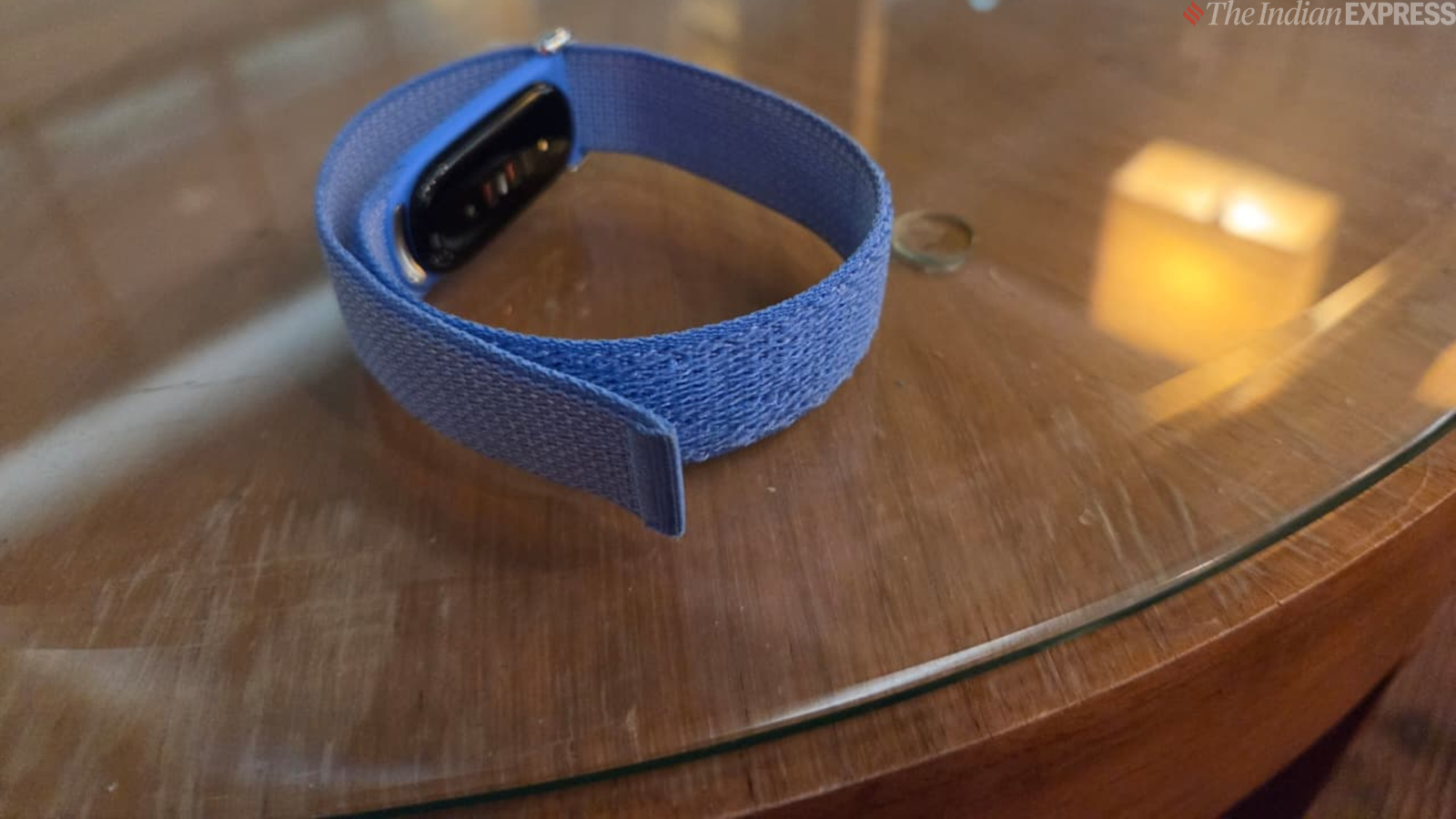
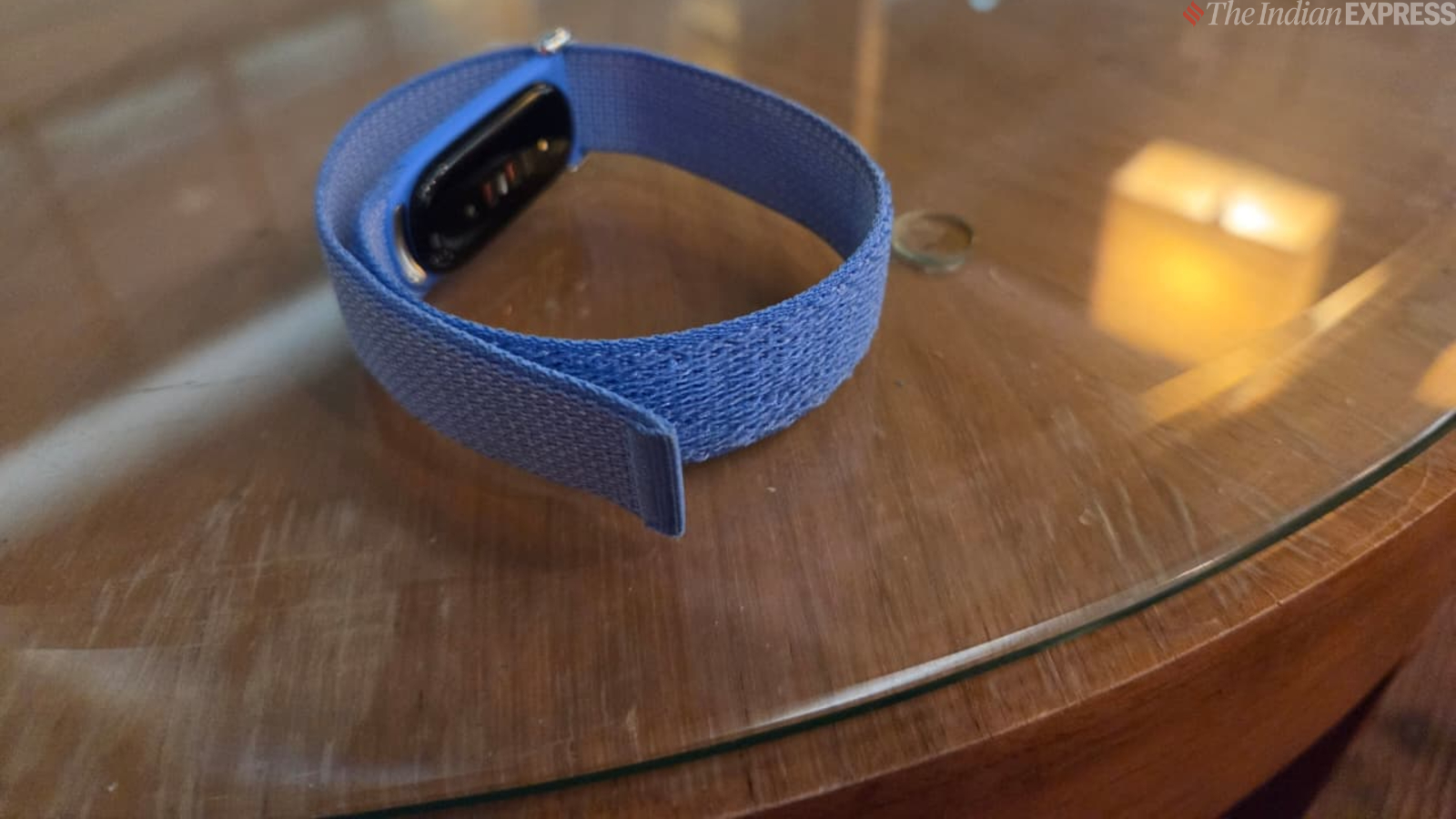
- Form Factor: Screen-free, pebble-shaped tracker housed in a modular textile loop.
- Sensors: Optical heart rate monitor, SpO2 (blood oxygen) sensors, skin temperature sensor, and 3-axis accelerometer.
- Connectivity: Bluetooth LE, syncing with the Google Health app (formerly the Fitbit app).
- Battery Life: Approximately 7 days on a single charge.
- AI Integration: Powered by Google Gemini for personalized health coaching.
The device targets a specific demographic: the "quantified self" enthusiast who may already own a traditional watch or a high-end smartwatch like the Pixel Watch 5, but finds such devices too cumbersome or distracting for sleep and intense athletic training. By removing the screen, Google has been able to focus entirely on ergonomics and battery longevity, positioning the Air as a direct competitor to the Whoop 4.0 and the Oura Ring.
Chronology: From San Francisco to Delhi — A Field Test
To understand the efficacy of a screen-free tracker, one must look at how it performs during periods of high physiological stress. A long-haul journey from San Francisco to Delhi, via a layover in Dubai, provided the ultimate testing ground for the Fitbit Air’s "invisible" design.
The Travel Experience
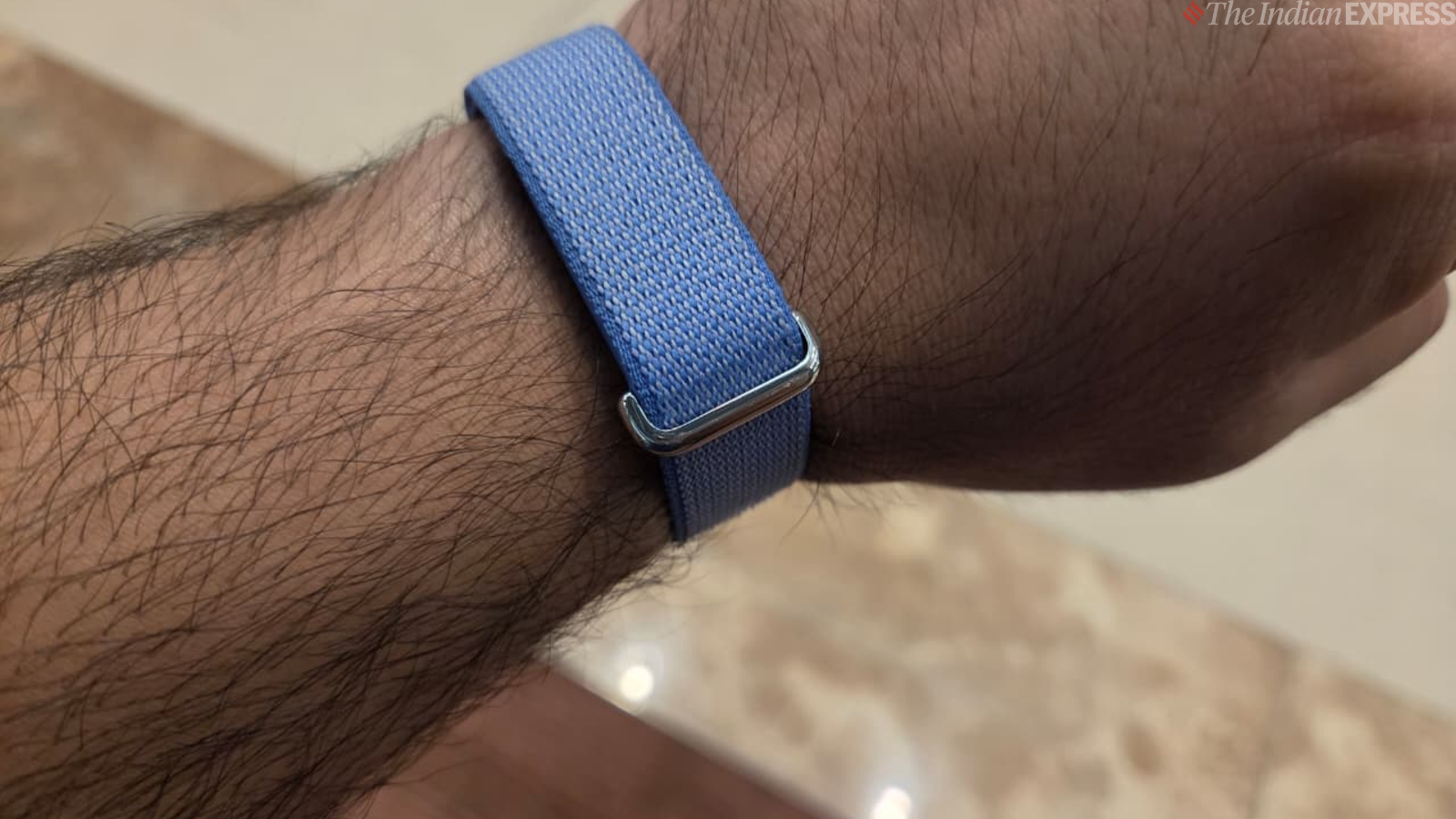
During the 20-plus hours of transit, the limitations of a traditional smartwatch become apparent. The Pixel Watch 5, while feature-rich, often requires a top-up charge during long travel days and can become an irritant during cramped airplane sleep. In contrast, the Fitbit Air remained unnoticed. Upon landing in Dubai, the physical presence of the Pixel Watch was palpable—a weight on the wrist—whereas the 17mm-wide Fitbit Air felt no more intrusive than a friendship bracelet.
The First Week: Calibration
The first seven days of wearing the Fitbit Air are critical. This is the "calibration period" where the device establishes a baseline for the user’s Resting Heart Rate (RHR), Heart Rate Variability (HRV), and sleep patterns. During this phase, the tracker isn’t just counting steps; it is learning the user’s circadian rhythm and recovery capacity.
The Post-Travel Recovery
After returning to a normal routine, the Fitbit Air began to deliver its most valuable asset: data interpretation. Using the Google Health app, the tracker identified the "lag" in recovery caused by jet lag and sleep deprivation. It wasn’t until the sixth day that the "Daily Readiness Score" returned to an optimal range, providing a data-backed green light to return to high-intensity gym sessions.
Supporting Data: Metrics, Battery, and the AI Edge
The Fitbit Air’s hardware is impressive, but its true utility lies in the data ecosystem it inhabits.
Advanced Physiological Tracking
Unlike basic pedometers, the Fitbit Air tracks a comprehensive suite of "Biometrics that Matter":
- Cardio Load: Similar to the "Strain" metric popularized by Whoop, this measures the cardiovascular stress placed on the body, allowing users to avoid overtraining.
- Sleep Architecture: The device provides a granular breakdown of REM, Light, and Deep sleep stages. Its lightweight design results in higher compliance for sleep tracking compared to bulky smartwatches.
- Skin Temperature Variation: By tracking deviations from a baseline, the Air can provide early warnings of potential illness or hormonal shifts.
- AFib Notifications: The tracker monitors for irregular heart rhythms, offering a level of medical-grade oversight previously reserved for more expensive wearables.
Battery Performance vs. Competitors
Battery life remains the "Achilles’ heel" of the wearable industry. The Fitbit Air’s 7-day battery life significantly outperforms the 24-hour cycle of the Apple Watch Series 10 or the Pixel Watch 5.
- Fitbit Air: 7 days.
- Whoop 4.0: 4–5 days.
- Pixel Watch 5: ~24–36 hours.
Furthermore, the Air features a rapid-charge capability: 5 minutes of charging provides enough power for a full day of use, and a 100% charge is achieved in roughly 90 minutes.
The Gemini AI Integration
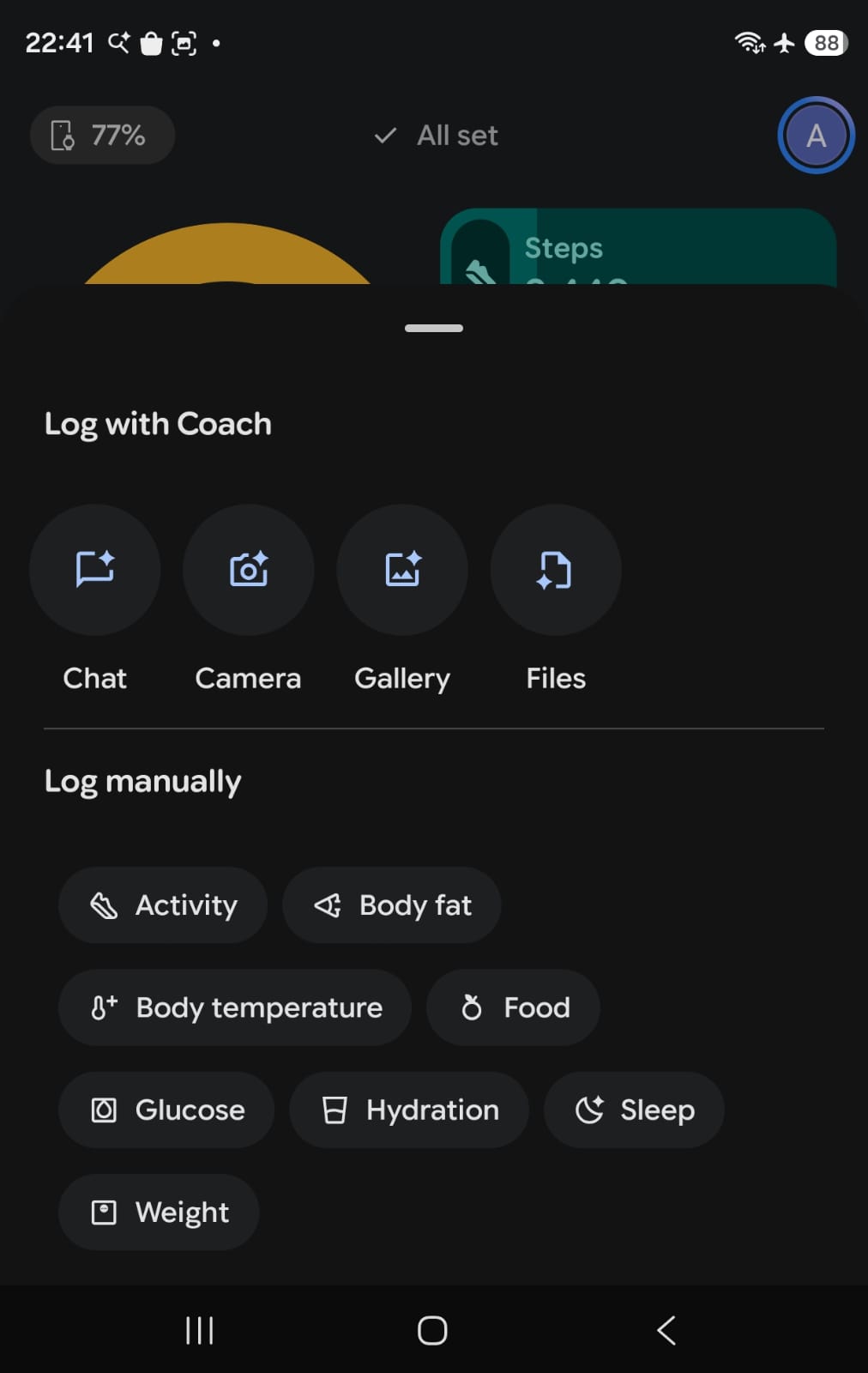
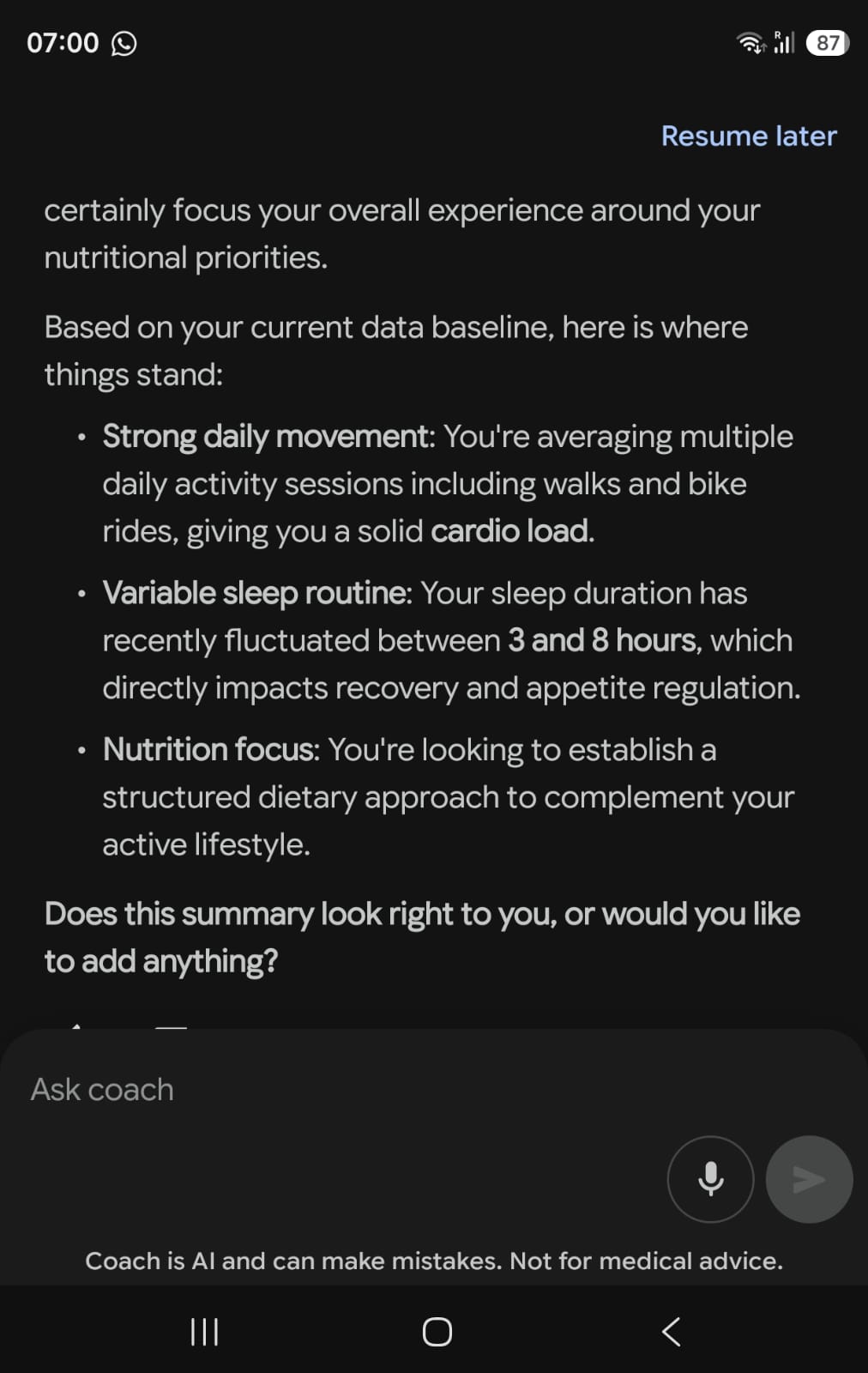
The most significant "enrichment" to the Fitbit ecosystem is the inclusion of a Gemini-powered AI Health Coach. Accessible via the Google Health app, this AI does not just present charts; it engages in a "free-flowing exchange." For instance, when queried about afternoon fatigue, the AI analyzed the user’s recent walking metrics (high) and sleep data (low) to suggest a specific nutritional approach to maintain energy levels without the "crash" associated with caffeine or heavy carbohydrates.
Official Responses: Google’s Strategic Pivot
While Google has not released a formal "manifesto" for the Fitbit Air, the device’s design and the recent rebranding of the Fitbit app to "Google Health" signal a clear strategic direction.
The Shift to "Actionable Intelligence"
Industry analysts suggest that Google is moving away from being a hardware provider to becoming an "Intelligence Provider." By locking advanced AI insights and the Gemini Health Coach behind a Fitbit Premium subscription, Google is adopting a recurring revenue model. While the basic metrics remain free, the "coaching" element—the very thing that makes the data useful—requires a monthly fee after the initial three-month trial.
Addressing the "Smartwatch Fatigue"
Internal design philosophies at Google/Fitbit have increasingly focused on "Ambient Computing"—the idea that technology should be there when you need it but disappear when you don’t. The Fitbit Air is the physical embodiment of this philosophy. Official marketing materials emphasize the "washable textile loop" and "discreet design," targeting users who may want to wear a traditional mechanical watch on one wrist while keeping their health data flowing from the other.
Implications: The Future of the Wearable Market
The launch of the Fitbit Air carries several long-term implications for the tech industry and consumer health.
1. The "De-Screening" of Tech
The Fitbit Air validates the idea that we have reached "Peak Screen." As consumers look for ways to reduce their screen time, devices that offer high utility without an interface will likely grow in popularity. This "invisible tech" trend is a direct response to the mental health concerns surrounding constant connectivity.
2. The Democratization of Elite Metrics
Features like HRV and Cardio Load were once the exclusive domain of professional athletes using expensive equipment. By offering these in a Rs 13,999 package, Google is bringing elite-level sports science to the general public. This could lead to a more health-literate population that understands recovery as much as they understand "closing their rings."
3. The Subscription Wall
The reliance on a subscription model for AI insights sets a precedent. In the future, the value of a wearable may not be the sensors it contains, but the quality of the AI "brain" it connects to. This raises questions about data equity: will the best health advice only be available to those who can afford a monthly "wellness tax"?
4. Privacy and Data Security
With Google’s Gemini AI now analyzing sleep, heart rate, and even dietary habits, the stakes for data privacy have never been higher. As the AI coach becomes more conversational and personal, the "data footprint" of the user becomes a highly detailed map of their biological life. The success of the Fitbit Air will depend largely on Google’s ability to maintain user trust in how this sensitive health data is handled.
Final Verdict
The Google Fitbit Air is a sophisticated, specialized tool that excels by doing less. It doesn’t take calls, it doesn’t show texts, and it won’t help you navigate a city. Instead, it provides a quiet, persistent window into your internal health. For the traveler, the athlete, or the digital minimalist, it offers a compelling alternative to the "noisy" smartwatch, proving that sometimes, the most powerful way to stay connected to yourself is to disconnect from the screen.