In an era defined by fast-paced living and increasingly processed dietary habits, the resurgence of traditional, whole-food cooking has become more than just a culinary trend—it is a lifestyle movement. At the forefront of this shift is the "Ultimate Wholesome Dal Soup with Veggie Crunch," a recipe that bridges the gap between ancient Ayurvedic wisdom and the contemporary need for quick, nutrient-dense meals. As food enthusiasts and nutritionists alike pivot toward plant-based proteins, this dish offers a masterclass in texture, flavor, and physiological satisfaction.
Main Facts: The Anatomy of a Perfect Bowl
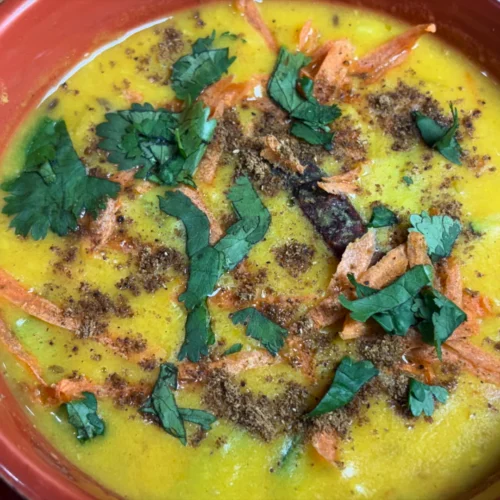
The Ultimate Wholesome Dal Soup is not merely a recipe; it is a nutritional strategy. The foundation of the dish relies on a dual-lentil profile: moong dal (split mung beans) and masoor dal (red lentils).
Moong dal is highly prized in vegetarian cooking for being easy to digest and rich in plant-based protein, fiber, and essential minerals like magnesium and folate. Masoor dal, conversely, provides a creamy, hearty consistency that acts as the perfect canvas for the soup’s spice profile. When combined, these two pulses create a complete amino acid profile, making the soup a viable primary meal rather than just a side dish.
What elevates this recipe from a standard lentil stew to a "wholesome soup" is the inclusion of the veggie crunch topping. By stir-frying fresh vegetables separately and adding them at the moment of serving, the cook preserves the vibrant color and crisp texture of the produce—a technique that prevents the "mush factor" often associated with long-simmered soups.
Chronology: From Pantry Staples to Culinary Masterpiece
The preparation process of this soup is designed for efficiency, respecting the time constraints of the modern home chef.
- Phase 1: The Soaking (30 Minutes): The process begins with a 30-minute soak. While seemingly passive, this stage is chemically crucial; it softens the outer hull of the lentils, ensuring even cooking and reducing the presence of phytic acid, which can hinder mineral absorption.
- Phase 2: The Infusion (25 Minutes): The lentils are simmered with aromatics. During this phase, the lentils break down into a smooth, comforting base. This is where the depth of flavor is developed, as the spices penetrate the softening pulses.
- Phase 3: The Textural Contrast (10 Minutes): While the lentils simmer, the vegetable topping is prepared. A quick, high-heat sauté of seasonal vegetables—such as carrots, bell peppers, or peas—is essential. By cooking them separately and adding them as a garnish, the chef introduces a "crunch" that acts as a sensory counterpoint to the velvet-like texture of the blended dal.
- Phase 4: The Finishing Touch: The soup is served immediately. The contrast between the warm, soft, spiced base and the fresh, cool-crisp vegetables creates a dynamic eating experience that stimulates the palate.
Supporting Data: Why Lentil-Based Diets Win
Nutritional data consistently supports the efficacy of a lentil-centric diet. According to studies published in the Journal of Nutrition, the regular consumption of pulses is linked to lower levels of LDL cholesterol and improved blood glucose management.
Furthermore, the "Veggie Crunch" component of the soup serves to increase the bioavailability of vitamins. When vegetables are stir-fried, the application of a small amount of healthy fat (such as ghee or olive oil) helps the body absorb fat-soluble vitamins like A, D, E, and K, which are abundant in colorful produce. The combination of slow-burning carbohydrates from the lentils and the fiber-dense crunch from the vegetables provides a sustained release of energy, preventing the post-meal "slump" associated with high-glycemic index foods.
Official Perspectives: The Philosophy of Manjula’s Kitchen
Renowned culinary experts have long championed this specific approach to dal. The philosophy behind this recipe is rooted in the idea that food should be "simple, nourishing, and comforting." By stripping away unnecessary complexity, the recipe honors the ingredients themselves.
"When you blend the dal, you are creating a vehicle for warmth," says experts associated with the recipe. "But when you add the crunch, you are creating a conversation in the mouth. It keeps the diner engaged with every bite." This pedagogical approach to home cooking encourages chefs to move beyond rigid recipe-following and embrace the intuitive nature of balancing textures.
Implications: The Future of Home Cooking
The implications of embracing such recipes are profound for public health and household economics.
Economic Sustainability
With global food inflation affecting grocery prices, lentils remain one of the most cost-effective sources of high-quality protein. A bowl of this soup costs a fraction of an animal-protein-based meal while offering comparable satiety.
Culinary Versatility
One of the most significant implications of this recipe is its adaptability. As noted in the Frequently Asked Questions (FAQs), the dish is a "living recipe." If a chef is missing an ingredient, the soup does not fail; it evolves. Whether it is adding mushrooms for an umami kick or using a pressure cooker to slash the cook time in half, the recipe encourages a flexible, low-stress kitchen environment.
The Mental Health Connection
There is a growing body of research linking the act of "comfort cooking" to reduced cortisol levels. The repetitive, rhythmic tasks of chopping vegetables and stirring a simmering pot serve as a form of mindfulness. By focusing on the sensory elements—the scent of spices, the sound of the sizzle in the pan, the vibrant colors of the vegetables—the cook is able to transition from the chaos of the workday to a state of domestic tranquility.
Conclusion: A Blueprint for Daily Wellness
The Ultimate Wholesome Dal Soup with Veggie Crunch is more than a fleeting recipe for a rainy afternoon. It is a blueprint for daily wellness. It teaches us that "wholesome" does not have to mean "bland," and "simple" does not have to mean "uninspired."
By focusing on the interaction between texture and flavor, and by respecting the nutritional density of legumes and fresh vegetables, we can create meals that sustain both the body and the spirit. Whether you are a novice in the kitchen looking to build confidence or an experienced chef seeking a meditative, reliable dish, this soup serves as a reminder that the best food is often that which is made with intention, patience, and a dash of something crunchy. As you prepare your next batch, remember that every spoonful is a step toward a more nourished, balanced life.