Maker Faire has long been heralded as the "Greatest Show and Tell on Earth," a sprawling celebration of ingenuity, technology, and sheer creative willpower. Yet, as the event returns to the historic grounds of Mare Island this weekend, the core philosophy has shifted from passive observation to active participation. This year’s iteration of the Maker Faire Bay Area is not merely a venue to witness innovation; it is a sprawling, multi-day laboratory where attendees are expected to get their hands dirty, master new tools, and leave with tangible products of their own design.
From soldering iron-hot circuit boards to the tactile precision of professional puppet construction, the 2026 program underscores a pivot toward immersive, skill-based education. Whether for the seasoned engineer or the curious novice who has never picked up a tool, the event offers a comprehensive roadmap to building, deconstructing, and understanding the physical world.
The Core Mission: Democratizing Innovation
At its heart, the 2026 Maker Faire Bay Area seeks to dissolve the barrier between the creator and the consumer. The event organizers have curated a series of workshops that prioritize "making" over "buying," emphasizing that the most profound learning happens when one is forced to troubleshoot, assemble, and iterate.
The event’s venue, the industrial backdrop of Mare Island, serves as a fitting stage for this ethos. The juxtaposition of historic naval architecture with the bleeding edge of AI, biotechnology, and robotics creates an environment where the history of manufacturing meets the future of the decentralized maker movement.

A Chronology of Creation: This Weekend’s Highlights
For those navigating the dense schedule of the Faire, several key programs stand out as defining features of this year’s experience. These sessions are designed to move participants through a lifecycle of creation:
1. The Sonic Frontier: EMF Explorer Badge
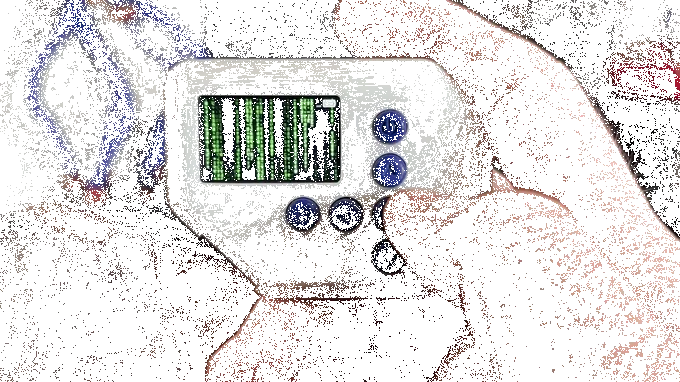
The weekend kicks off with a focus on electronic literacy. The "EMF Explorer Badge" workshop allows attendees to construct a wearable device capable of detecting and sonifying hidden electromagnetic frequencies. By soldering their own boards, participants gain practical experience in circuit assembly while developing an "ear" for the invisible waves that permeate modern life. It is an exercise in sensory expansion, teaching makers how to "listen" to the world of electronics surrounding them.

2. Textile Upcycling: The Art of Circular Fashion
In the Craft & Create area, designer Scatha Allison, known for her "Ms. Velvet Cream Neocoture" label, leads workshops on sustainable fashion. The focus here is on circularity: turning discarded T-shirts into functional, braided keychains. By teaching basic 4-strand braiding techniques, the workshop transforms "waste" into a personalized accessory, reinforcing the concept that material value is often determined by the maker’s intent rather than the item’s original purpose.
3. Professional Performance: The Puppet Maker’s Craft
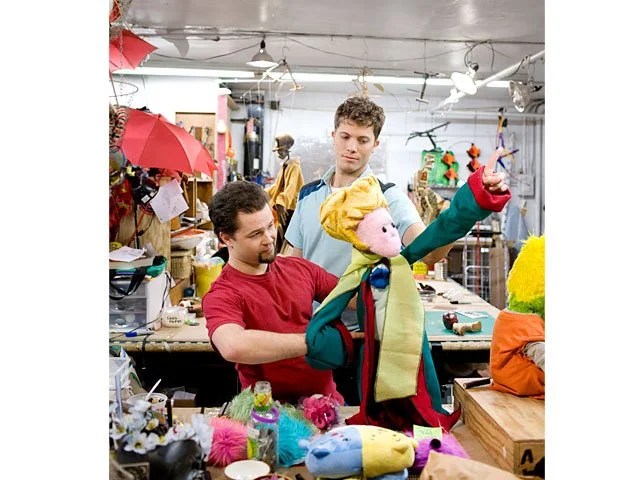
Perhaps the most narrative-driven workshop, Michael "Shoop" Schupbach—whose resume includes work for Sesame Street and Avenue Q—is teaching the art of professional puppet design. This is not merely a craft session; it is an introduction to the engineering of movement. Participants learn how to construct a puppet from scratch, focusing on the ergonomics and mechanical design that allow a sock and some felt to become a living, breathing character.
4. The Robot Olympics: Competitive Engineering
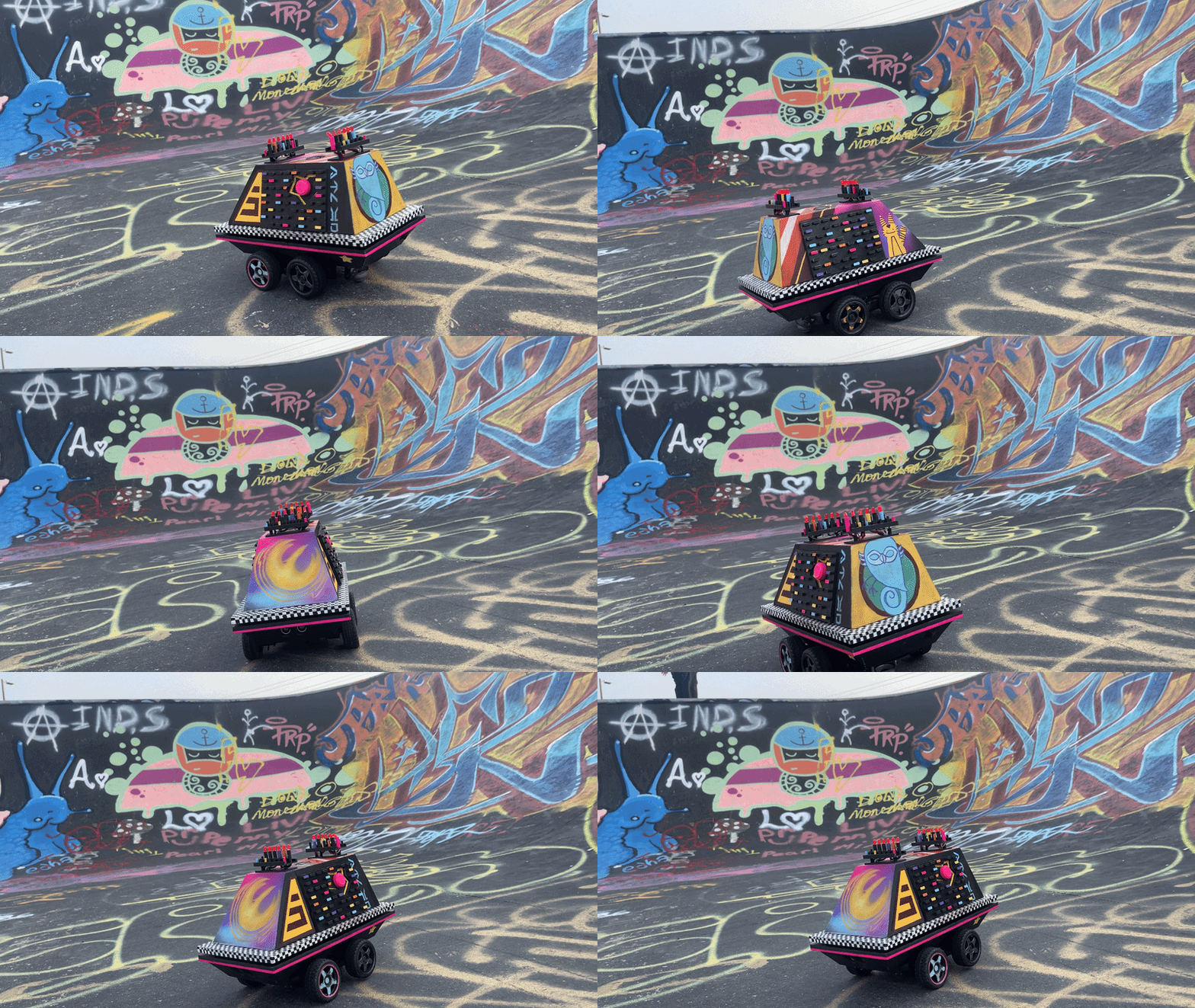
Moving into the realm of automation, the EASE Robotics program challenges middle school students and enthusiasts to move beyond "plug-and-play" kits. This workshop forces participants to engage with the full stack of robotics: hardware circuit design, autonomous sensor integration, and low-level coding. The goal is to build a machine capable of competing in the "Robot Olympics," a trial-by-fire competition where the efficacy of one’s design is put to the test in real-time.
5. Physical AI: The Dawn of the Home-Grown Assistant
In a nod to the current technological zeitgeist, the Faire features a workshop on building voice-based AI toys. This is an advanced, practical deep-dive into "Physical AI." Makers will assemble a palm-sized robot, connect it to a localized large language model, and implement edge AI to give the device real-time voice and vision processing. It is a striking example of how quickly industry-standard technologies are trickling down to the home hobbyist.

Supporting Data: The Impact of Community-Driven Manufacturing
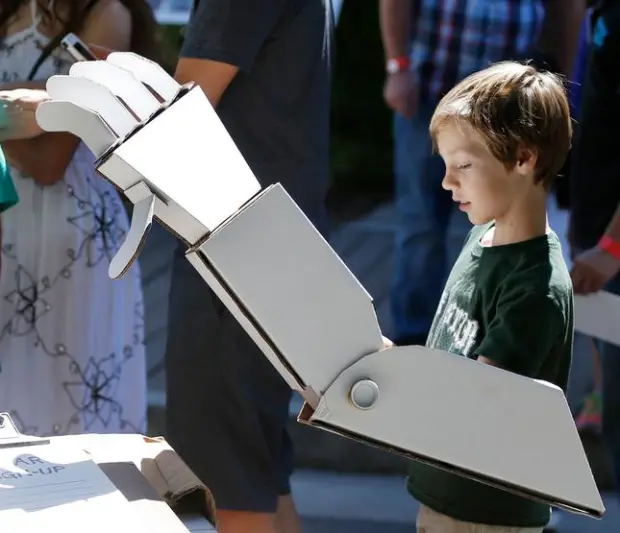
The 2026 Maker Faire is not just about personal hobbies; it is about systemic change. A standout feature this year is the "Mobility Making Party," a collaborative effort to assemble open-source Toddler Mobility Trainers (TMTs).
This activity represents a shift in the "Maker" identity. Historically, the movement was critiqued for focusing on gadgets and novelties. Today, the data from community projects shows a move toward "Social Impact Engineering." By using distributed manufacturing—a model where blueprints are shared globally and assembled locally—the maker community is providing affordable, life-changing medical equipment to families that might otherwise be priced out of the traditional healthcare market. This is the "maker movement" at its most mature: leveraging peer-to-peer collaboration to solve real-world accessibility issues.

Official Perspectives: The Institutional Vision
The organizers of Maker Faire Bay Area, now marking two decades of existence, view this 20th-anniversary milestone as a moment of reflection. Their official stance, shared through various panels during the event, is that the "maker" label is no longer a niche hobby but a necessary literacy for the 21st century.
"Biotechnology is poised to impact our lives as profoundly as the computer revolution did in the 20th century," notes a representative from Counterculture Labs, a long-standing participant at the Faire. Their presence this year includes a "Kombucha Petting Zoo" and a display of "Agar Art," designed to demystify complex bio-technologies. The organization argues that by giving the public access to professional-grade tools, they are ensuring that the future of biology is shaped by a diverse, informed public rather than a closed group of corporate researchers.

Implications for the Future of DIY
What are the long-term implications of this shift toward high-intensity, workshop-heavy events?
The Death of the "Black Box"
The recurring theme across the "Robot Olympics," the AI toy workshops, and the bio-hacking labs is the rejection of the "black box." In modern consumer culture, devices are meant to be sealed, proprietary, and unrepairable. Maker Faire explicitly fights this trend. By requiring attendees to assemble their own robots, solder their own badges, and grow their own cultures, the Faire instills a sense of "technological agency." If you can build it, you can fix it; and if you can fix it, you own it.

Sustainability through Deconstruction
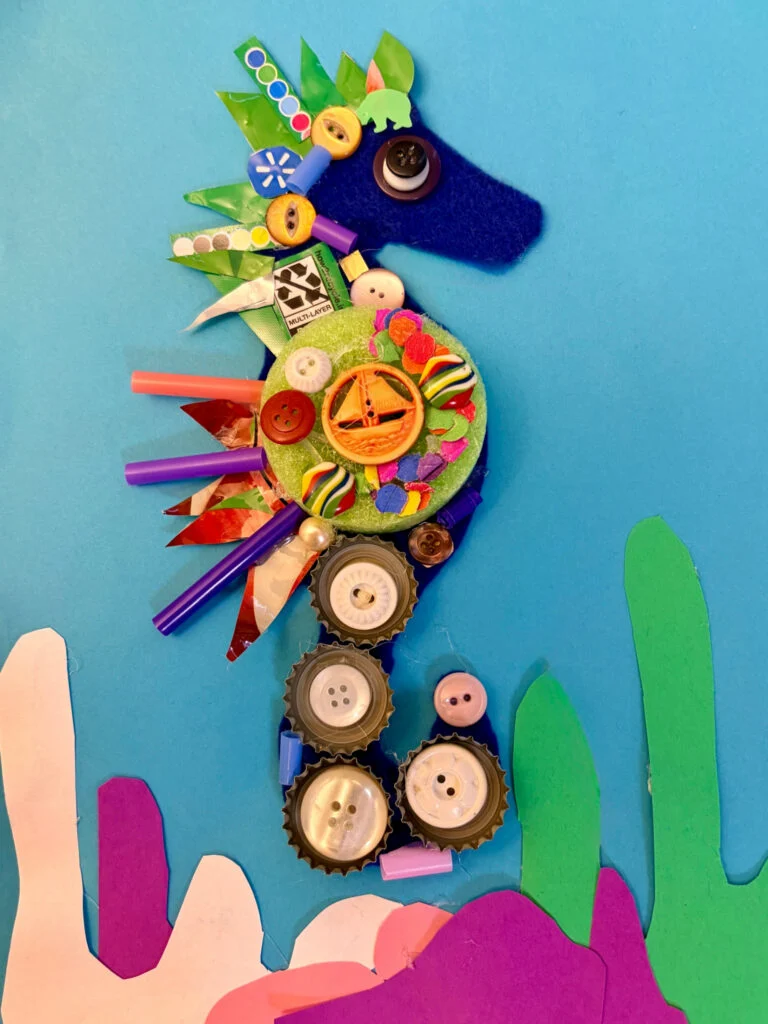
The Mobile Maker Club’s "Creature Lab" provides a blueprint for a more sustainable future. By forcing participants to source materials from discarded waste streams, the Faire is teaching the next generation of engineers to design for "end-of-life." When a maker spends an hour stripping a piece of electronics for parts, they learn the value of modularity and the cost of planned obsolescence.
Skill-Stacking as the New Literacy
As we look toward the 2030s, the "T-shaped" professional—someone with deep expertise in one area and broad knowledge across others—is becoming the industry standard. Maker Faire acts as a catalyst for this. A student who spends Saturday morning building a TMT device and Saturday afternoon coding a robot is participating in "skill-stacking," building a versatile resume of practical, cross-disciplinary problem-solving abilities that are increasingly difficult to teach in a traditional classroom.

How to Engage: A Practical Guide
For those planning to attend the remaining days of the Faire, the organizers emphasize the need for proactive scheduling. Admission to the Faire is a baseline requirement, but many of the high-demand, hands-on workshops require additional registration and, in some cases, a nominal materials fee.
- Consult the Schedule: The official Maker Faire Schedule Page is the single source of truth for time slots and workshop capacities.
- Safety First: Many activities, such as the EMF Explorer soldering workshop, require adherence to safety protocols. While all ages are welcome, parental supervision is strictly mandated for minors, particularly during high-heat activities.
- Community Connection: The learning does not end when the Faire closes its gates on Sunday evening. The organizers have moved much of the community discourse to a dedicated Discord server, where makers share documentation, post-mortem project analyses, and open-source schematics for the projects they started at the event.
Conclusion
The 2026 Maker Faire Bay Area is a testament to the resilience and growth of the maker movement. By evolving from a passive display of "neat things" into a rigorous, workshop-led education initiative, the event has solidified its place as a critical component of the Bay Area’s intellectual infrastructure.

It is a place where you can learn to build an AI, repair a mobility device, or craft a puppet—all in the same afternoon. In doing so, it serves as a powerful reminder: the most effective way to understand the world is to stop watching it, pick up a tool, and begin the process of making it your own. As the movement enters its third decade, the lesson is clear—the future belongs to those who aren’t afraid to take it apart and put it back together again.