In the modern marketing landscape, where algorithmic saturation and AI-generated content threaten to dilute brand identity, the traditional "celebrity endorsement" is increasingly viewed as a relic of a bygone era. Consumers, particularly those in the Gen Z demographic, possess an acute sensitivity to performative marketing. Recognizing this shift, lifestyle brand Free People recently moved away from standard transactional celebrity partnerships to embrace a model of "cultural co-authorship" with musician and multi-hyphenate artist, Willow.
The collaboration, which underpinned Free People’s Fall 2026 campaign, serves as a blueprint for how brands can move beyond high-gloss photography to foster genuine creative synergy. By ceding traditional corporate control, Free People and Willow have created a framework where the boundary between commerce and art is not merely blurred—it is erased.
The Evolution of the Brand Ambassador Model
For decades, the standard playbook for fashion brands has been straightforward: hire a celebrity, place them in a stylized setting, and distribute images across social and traditional media channels. While effective for brand awareness, these campaigns often lack depth, resulting in a hollow interaction between the consumer and the brand.
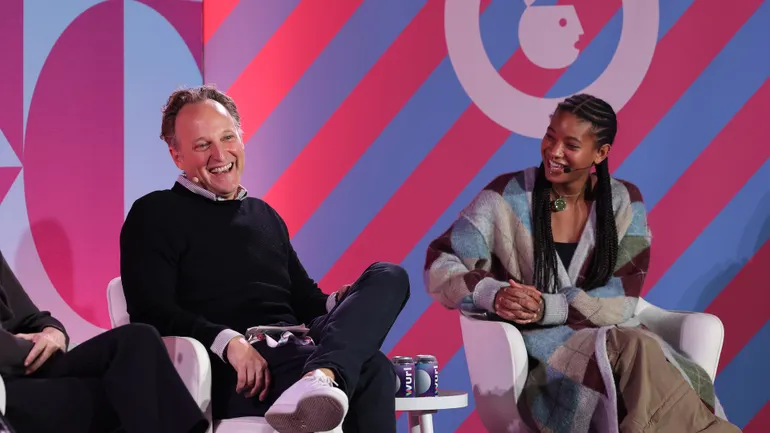
During an October 7 panel at Advertising Week New York, Samantha Tacón of the United Talent Agency (UTA) addressed this industry fatigue. "Willow is an artist with a capital A," Tacón stated. "The transactional deals that I think clutter a lot of the brand space weren’t something that we were interested in."
Instead, the partnership was born from a mutual appreciation. Willow, who has identified as a fan of the Urban Outfitters-owned brand since childhood, sought a collaboration that respected her creative autonomy. For Free People CMO Jack Reynolds, the decision to step back was not a loss of oversight, but a strategic investment in authenticity. "It was nuanced," Reynolds explained. "The position we had to take was less about giving something up and more about who we were giving it to… If you give rigid, you get rigid. At some point, you just have to trust it."
Chronology of a Co-Authored Campaign
The partnership did not begin with a rigid marketing brief or a pre-determined shot list. Instead, it unfolded through a series of organic, project-based milestones that prioritized Willow’s creative vision over traditional campaign constraints.
- Initial Engagement: Willow and her creative team approached Free People, not as a commercial entity, but as a creative partner. The early discussions focused on aligning the brand’s bohemian aesthetic with Willow’s evolving musical and visual identity.
- The Creative Visioning Phase: Rather than providing a standard brief, Free People leadership met with Willow to listen to her music and understand the team she surrounds herself with. This stage was critical in establishing a rapport that prioritized the artist’s integrity.
- Production of the Fall 2026 Campaign: The resulting campaign included traditional imagery, but also expanded into high-concept performance art. The centerpiece was a live performance video featuring a set designed with moss-covered floors, hanging vines, and natural boulders.
- The Record Release Party: Extending the campaign into real-world activations, the collaboration included a multi-faceted record release party, integrating fashion, music, and community building.
- The Headquarters Performance: On October 8, the partnership moved into the corporate space, with Willow performing live at Free People’s Philadelphia headquarters, signaling a deeper integration of the artist within the brand’s culture.
Cultural Co-Authorship as a Strategic Necessity
The term "cultural co-authorship" is gaining traction as the definitive shift for brands looking to survive in a digital-first world. As AI continues to accelerate trends, the human element—the "soul" of a campaign—becomes the primary differentiator.
According to Tacón, the traditional "square peg in a round hole" approach is no longer sustainable. "If brands want to reach their communities, trying to fit a square peg into a round hole doesn’t always work," she noted. "Cultural co-authorship is where the future is headed."
This approach allows both parties to play to their institutional strengths. Free People leveraged its expertise in logistics, global distribution, and visual storytelling, while Willow brought the artistic narrative, musical substance, and a dedicated, diverse fanbase. By allowing Willow the freedom to execute her creative vision, Free People ensured that their apparel existed within a context that felt natural rather than forced.
Supporting Perspectives: The Artist’s View
For Willow, the collaboration was an exercise in testing her own boundaries. While she had long admired the artistic evolution of Free People, entering into a corporate partnership carried inherent risks.
"I’ve been seeing the artistic evolution of Free People for so long that I knew that it was quality," Willow said during the panel. "But you’re always taking a little bit of a risk. If you’re not taking a little bit of a risk, we’re not moving forward or trying anything new."
The success of the partnership, she noted, was in the balance. "I’ve been in this industry for a long time, and so I feel like I’m very sensitive to what my limits are. There was a really good balance, and I was actually surprised by how far I could spread my wings."
Perhaps most importantly, the collaboration served to expand the brand’s reach. As an African-American woman, Willow’s influence brought the brand to new, diverse audiences—specifically Black girls and young women who had not historically seen themselves reflected in the brand’s bohemian marketing materials. "I’m always trying to expand the ears of different kinds of people that maybe wouldn’t listen to my music or maybe wouldn’t consume my art, because it really is about creating a larger community," Willow added.
Implications for Future Brand-Artist Relationships
The Free People and Willow partnership offers several key takeaways for brands and talent agencies looking to move beyond the status quo:
1. The Death of the "Transactional" Deal
Brands that treat artists as mere billboards will likely find it increasingly difficult to secure top-tier talent who prioritize their creative legacy over a paycheck. The future belongs to those willing to share the "authorial" chair.
2. Financials as a Foundation, Not a Ceiling
While financial compensation remains a necessity, it should be part of an early, transparent conversation that focuses on the "ethos" of the partnership. As Willow emphasized, "Artists just want to be seen and respected for what they individually bring to the table… I’m not a product. I’m a human being, and I should be treated as such."
3. Sustainability of Partnership
The most successful modern campaigns do not have a hard "end date." By treating the collaboration as an ongoing dialogue—as Free People and Willow have done—the partnership gains depth and long-term brand equity. This "infinite game" approach ensures that the relationship continues to evolve, keeping the brand relevant and the artist engaged.
4. Risk Tolerance as a Metric
The willingness to surrender control is the greatest indicator of a brand’s commitment to authenticity. If a marketing department is terrified of the artist’s input, they are likely stuck in the "rigid" model that Reynolds warned against. True collaboration requires a high tolerance for creative uncertainty.
Conclusion
The partnership between Free People and Willow serves as a poignant case study in how to navigate the modern, authenticity-driven marketplace. By moving past the restrictive confines of a traditional brief and embracing a philosophy of co-authorship, Free People has managed to do more than sell clothes; they have cultivated a community.
As the industry moves forward, brands that view their ambassadors as creative partners rather than marketing assets will find themselves at a distinct advantage. In a world saturated with synthetic content, the most valuable commodity a brand can offer is a genuine, human-centered narrative—one that is authored by the very people who define the culture.