

In the ever-evolving digital landscape, professional bloggers are constantly seeking new frameworks to enhance audience engagement, SEO performance, and long-term sustainability. Surprisingly, one of the most effective blueprints for modern content strategy is currently being drafted on the colorful, hard courts of the nation’s fastest-growing sport: Pickleball.
What began as a backyard curiosity in 1965 has transformed into a global cultural phenomenon. By analyzing the mechanics of the sport, content creators can derive sophisticated strategies that translate directly from the pickleball court to the digital dashboard.
The Evolution of a Phenomenon: From Bainbridge to Global Scale
The chronology of pickleball is a masterclass in organic growth. Conceived in 1965 on Bainbridge Island, Washington, by Joel Pritchard, Bill Bell, and Barney McCallum, the game was initially a makeshift solution to alleviate family boredom. Using ping-pong paddles and a perforated plastic ball, the founders refined the rules over several years, emphasizing accessibility over raw athletic power.
By the early 2020s, the sport reached an inflection point. According to the Sports & Fitness Industry Association (SFIA), pickleball participation grew by nearly 160% over three years, with over 36 million Americans hitting the courts. This growth trajectory mirrors the journey of a successful niche blog: starting with a simple, localized idea, iterating based on community feedback, and eventually scaling into a dominant digital asset.
Supporting Data: Why Strategy Trumps Pure Power
Data from the pickleball ecosystem reveals that the sport’s success is not driven by the "hardest hitters," but by those who master strategic positioning and consistency. Similarly, current SEO metrics indicate that "authority-driven" content—characterized by clarity, user intent, and community interaction—consistently outperforms high-volume, low-quality "spam" content.

Just as a pickleball match is won through court coverage and tactical placement rather than brute force, a blog’s success is predicated on the strategic alignment of content with specific audience pain points.
1. The Power of Starting Small
Every digital empire, much like the modern pickleball craze, begins with a single, humble action. For bloggers, the "blank page" syndrome is a common hurdle. However, the pickleball model teaches that you do not need a massive stadium to start—you only need a net and a partner. Whether you are launching a Substack, a niche affiliate site, or a professional portfolio, the key is the "Minimum Viable Product" approach. Launch with what you have, refine as you go, and remain focused on the broader trajectory of your brand.
2. Rallying Your Digital Community
In pickleball, a rally is a collaborative effort between opponents to keep the ball in play, creating excitement for players and spectators alike. A blog is essentially a long-form rally. When you respond to comments, engage in threads, or host live Q&A sessions, you are "extending the rally." The longer the interaction continues, the higher the dwell time and the deeper the trust factor becomes. A static blog is a dropped ball; a conversational blog is a championship rally.
3. The Art of the ‘Dink’: Mastering Simplicity
Perhaps the most crucial strategic move in pickleball is the "dink"—a soft, controlled shot that resets the pace of the game. In the world of content, this translates to the art of simplifying complex information. Modern readers are inundated with data; they crave clarity, digestible formatting, and "low-friction" consumption. By avoiding unnecessary jargon and prioritizing clean, readable layouts, bloggers can use the "dink" to control the flow of their content, making their message more impactful than a loud, cluttered "hard sell."
4. Finding the ‘Kitchen’ Sweet Spot
In pickleball, the "kitchen" (or non-volley zone) is a restricted area that forces players to make tactical decisions about when to stay back and when to move in. For content creators, this represents the balance between being helpful and being promotional. If you are too "in the kitchen"—over-promoting or being overly aggressive with sales—you alienate your audience. If you stay too far back, you fail to connect. Finding that "sweet spot" means knowing exactly when to offer value and when to make the ask, maintaining a professional equilibrium that keeps readers coming back.
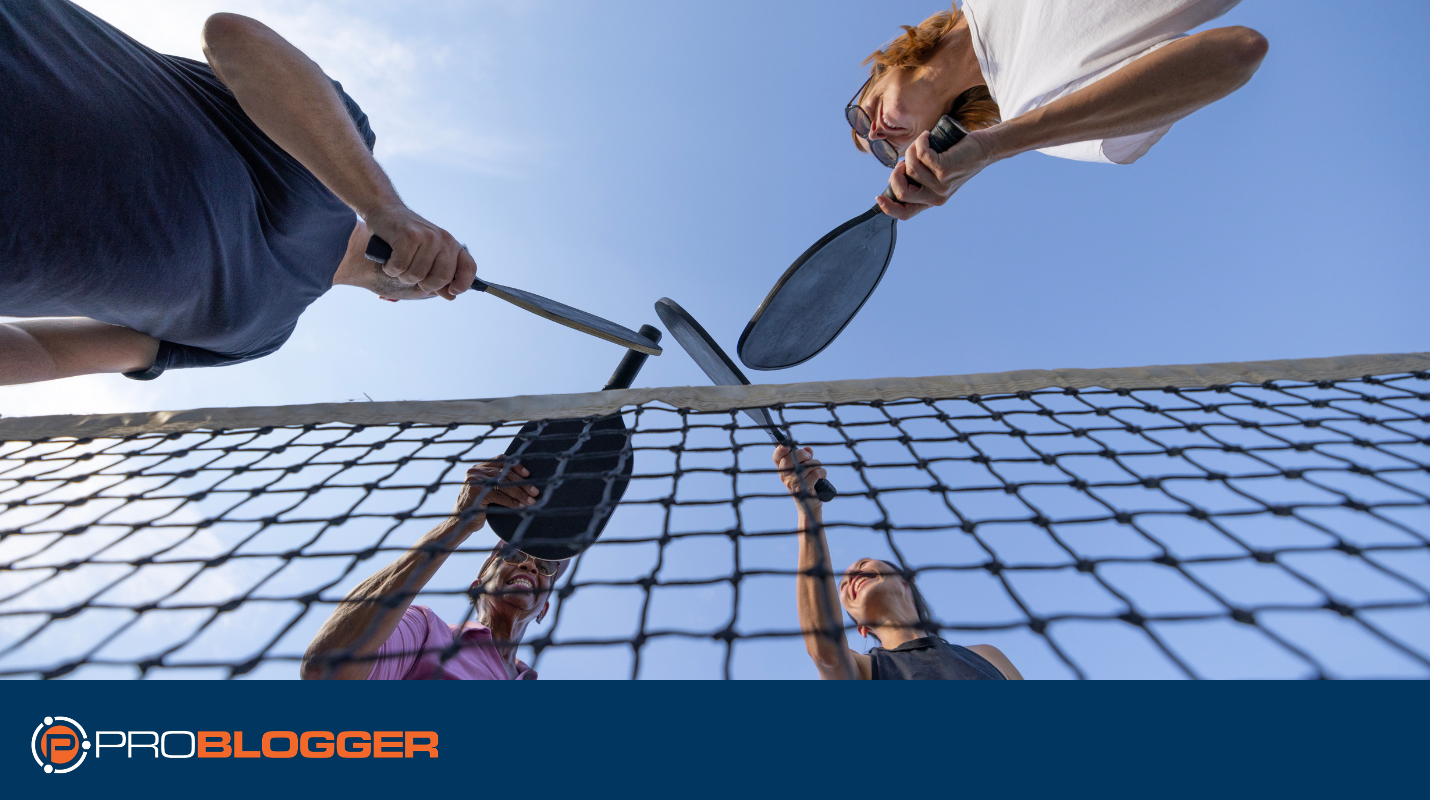
5. Learning from the ‘Whiff’
Even professional athletes experience the "whiff"—a missed shot that results in a loss of points. In the blogging world, not every article will go viral, and not every campaign will convert. The lesson here is resilience. Successful bloggers treat underperforming content as data, not failure. By analyzing the "whiff"—checking bounce rates, reviewing engagement metrics, and assessing social sentiment—you can refine your next "serve" and improve your performance in the next cycle.
6. The Necessity of Adaptability
The digital landscape is a moving target. SEO algorithms shift, social media platforms rise and fall, and user preferences evolve. Much like a player who must change their grip or their stance to counter an opponent’s backhand, a blogger must be agile. This means regularly auditing your content strategy, staying informed about industry trends, and being willing to pivot when the market dictates. Flexibility is the ultimate competitive advantage.
7. Maintaining Focus: Keep Your Eye on the Ball
It is easy to get distracted by "shiny object syndrome"—the newest platform, the latest AI tool, or the most recent algorithm update. However, the most successful blogs stay hyper-focused on their core mission and the specific needs of their target audience. By keeping your "eye on the ball"—your primary value proposition—you ensure that every post serves a purpose, effectively cutting through the digital noise.
8. The Strength of the Serve
A pickleball serve sets the tone for the entire point. In blogging, the headline and the first 100 words are your "serve." If the hook is weak, the reader loses interest before the rally begins. A strong serve requires a compelling narrative, a clear promise of value, and a structured introduction that compels the reader to scroll. Your introduction should act as a gateway, not a barrier, to the value you provide.
9. Strategic Positioning
Positioning in pickleball is about occupying the space that gives you the best chance of returning the ball. In digital marketing, this is known as "niche authority." By clearly defining your unique value proposition and positioning your brand to fill a specific void in the marketplace, you move from being a generalist to a specialist. This strategic positioning makes your blog indispensable to a specific demographic, shielding you from broader market volatility.

10. The Vital Importance of Enjoyment
Perhaps the most overlooked lesson is the most essential: pickleball is, at its core, fun. The camaraderie, the laughter, and the sense of play are what drive the sport’s meteoric rise. If a blogger loses their passion, it shows in the writing. Authenticity, enthusiasm, and a genuine interest in your subject matter are the "x-factors" that differentiate a professional brand from a churn-and-burn content farm. When you enjoy the process, your audience enjoys the result.
Implications for the Future of Blogging
The integration of these athletic principles into the blogging workflow suggests a shift toward a more sustainable, human-centric model of content creation. As AI-generated content becomes more prevalent, the human element—the "rally" between the writer and the reader—becomes the primary value differentiator.
By treating blogging as a sport of skill, strategy, and community, creators can move away from the frantic, high-pressure cycles of traditional content marketing. Instead, they can build robust, agile, and enjoyable platforms that stand the test of time.
The next time you sit down to write, don’t just draft a post—step onto the court. Be strategic, embrace the simplicity of the "dink," learn from your misses, and keep your eye on the ultimate goal: connecting with your audience through value and purpose. The game is waiting; it’s time to serve.