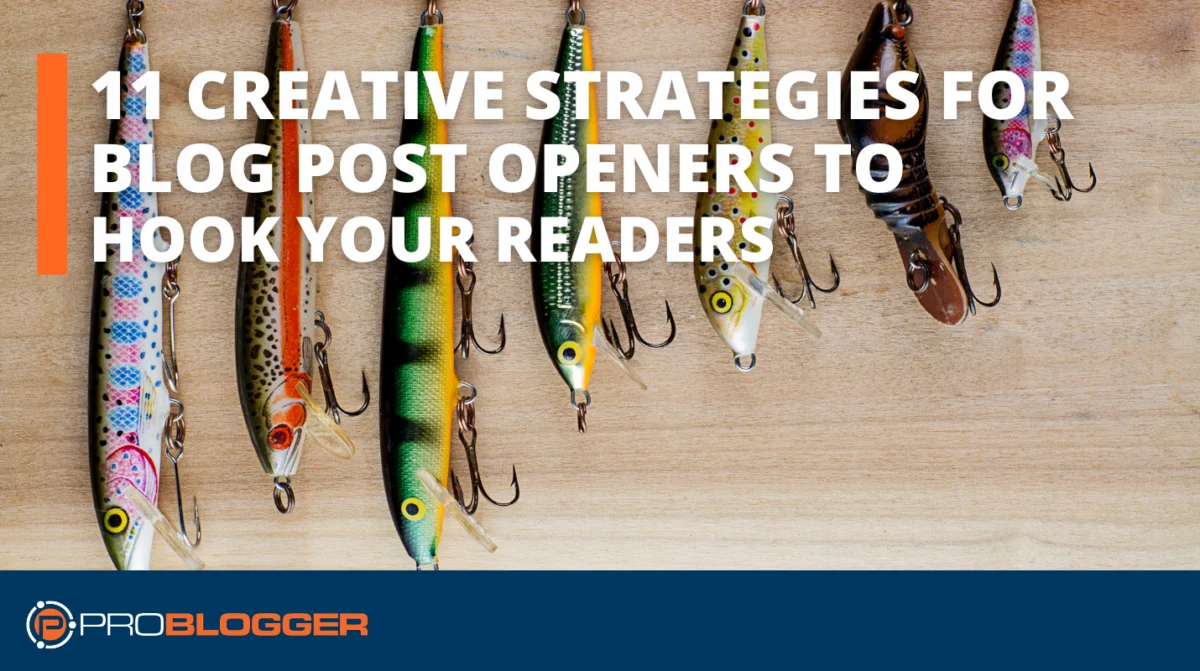
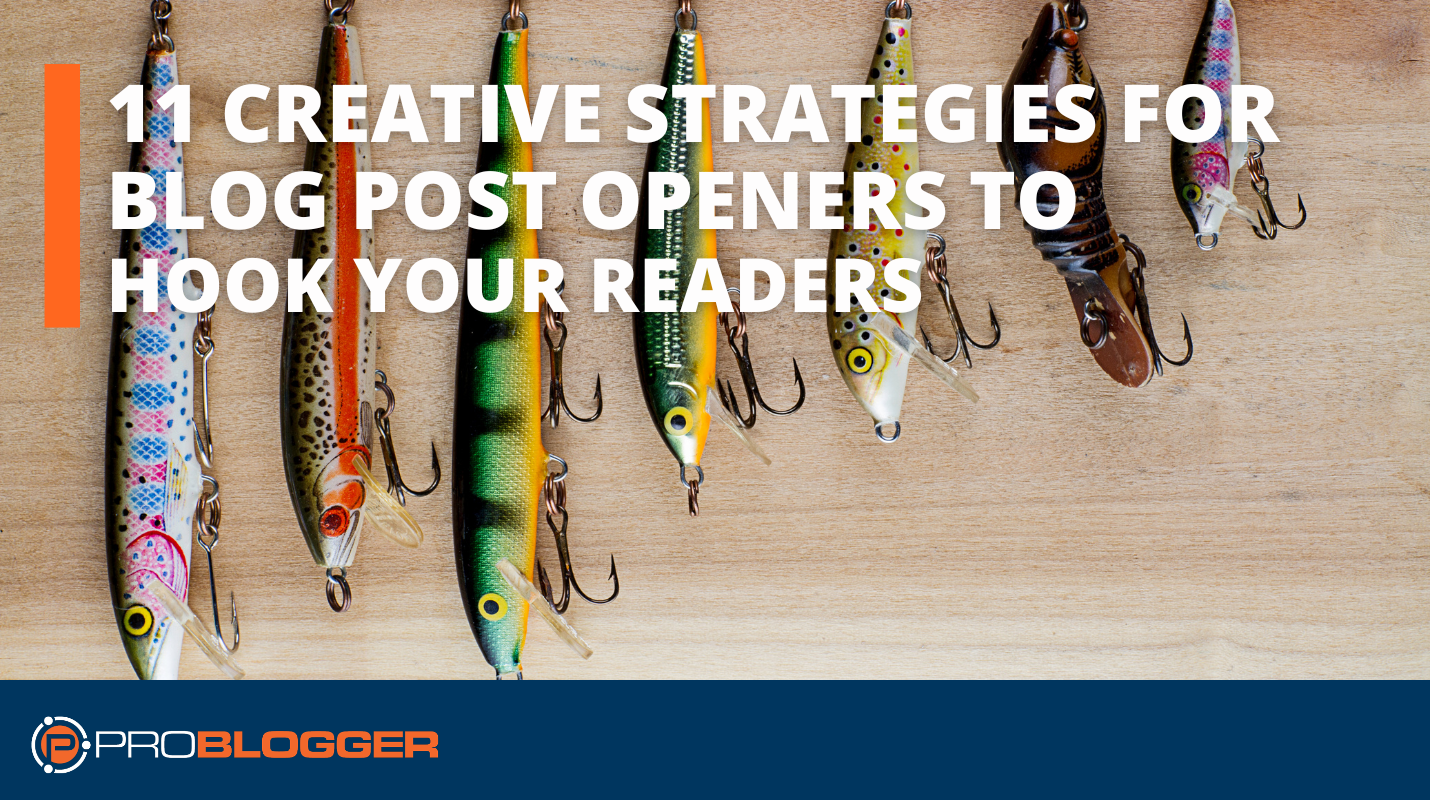
In the digital landscape, where the average human attention span is reportedly shorter than that of a goldfish, the battle for a reader’s focus is won or lost in the blink of an eye. For bloggers, content creators, and digital journalists, the title of an article serves as the primary lure, but it is the opening line that seals the deal.
If the headline is the doorway, the opening line is the inviting living room that convinces a visitor to stay. Failure to captivate in the first few sentences leads to a "bounce"—a swift departure from your site that signals to search engines that your content lacks value. To master the craft of blogging, one must move beyond the perfunctory introduction and embrace the art of the hook.
The Anatomy of Engagement: Why First Impressions Matter
The significance of an opening line cannot be overstated. When a reader clicks on a link, they are making a split-second decision: Is this worth my time? If your introduction is sluggish, overly academic, or painfully generic, that reader is already reaching for the "back" button.
Drawing from the principles of copywriting, we know that every element of a post has a singular, cascading purpose. The headline exists to get the reader to the first sentence. The first sentence exists to get the reader to the second. By the time a reader reaches the third sentence, they should be intellectually or emotionally invested enough to continue reading until the call to action.
11 Proven Strategies to Captivate Your Audience
To transform your content from easily ignored to essential reading, consider these eleven strategies, honed by veteran content creators to maximize engagement and reader retention.
1. Identifying a Specific Need
The most successful content acts as a bridge between a reader’s problem and a solution. By identifying a pain point immediately, you signal that the post is relevant. You do not need to provide the solution in the opening paragraph; rather, you must acknowledge the struggle. This "empathy-first" approach creates an immediate bond of trust.
2. The Power of the "Yes" Question
Copywriters have utilized the "yes-ladder" technique for decades. By posing a question that elicits a natural, internal "yes" from the reader, you establish a psychological commitment. When a reader agrees with your premise, they are subconsciously more inclined to agree with your conclusion.
3. Posing Intriguing Questions
While a "yes" question builds agreement, an intriguing question builds curiosity. These are open-ended queries that tease a revelation. By highlighting a knowledge gap, you create a "curiosity itch" that can only be scratched by reading further into the post.
4. Offering a Surprising Anecdote
Human beings are hardwired for stories. A personal, unexpected, or slightly off-topic anecdote can "snap" a reader out of their passive scrolling mode. By sharing something vulnerable or surprising, you break the pattern of the "standard" blog post, signaling that your content offers a unique perspective.
5. Leveraging Narrative and Analogy
Analogies serve as mental shortcuts, making complex concepts accessible. When you open with a story or a metaphor, you bypass the reader’s defensive analytical filters and engage their imagination. Whether it is a true story or a fictionalized scenario, narratives transform abstract information into relatable human experience.
6. Making Bold, Defensible Claims
In an era of information overload, readers appreciate authority. A bold claim—a promise to solve a specific problem or a contrarian take on a popular topic—sets a high expectation. However, this strategy carries a caveat: you must be able to back up your claim. Nothing destroys credibility faster than a "clickbait" opening that leads to a thin, hollow body of text.
7. Stirring Strategic Controversy
Controversy is a powerful, albeit risky, tool. By taking a firm stance on a polarizing subject, you encourage readers to lean in. The goal is not to be offensive for the sake of it, but to express an opinion that invites debate. Readers who agree will feel validated; those who disagree will read on to formulate a rebuttal. Both outcomes increase time-on-page.
8. Painting a Vivid Sensory Picture
Abstract concepts often fail to stick. By using sensory language—describing sights, sounds, or physical sensations—you make the topic "real." This is particularly effective for persuasive writing or personal development content, where you need the reader to feel the weight of their current situation before they can embrace the change you are proposing.
9. Deploying Startling Statistics
Data is the language of authority. A punchy, counter-intuitive statistic serves as a "pattern interrupt" that demands attention. When a number challenges the status quo, the reader is compelled to understand the context behind that figure.
10. The Wisdom of the Quote
A well-placed, evocative quote can lend immediate gravitas to your post. It connects your writing to broader human wisdom and establishes a tone of intellectual rigor. It is a classic rhetorical device that never fails to provide a sophisticated entry point.
11. The Impact of the Visual Hook
We live in an increasingly visual culture. Sometimes, the best way to start a post is not with a sentence, but with a striking image that encapsulates the theme. Many successful bloggers have noted that a high-quality, relevant image can be the deciding factor in whether a visitor lingers or leaves.
Chronology of Engagement: A Strategic Workflow
To implement these strategies, one must view the writing process as a chronological sequence:
- The Title (The Lure): Needs to be descriptive yet enticing.
- The Opening (The Hook): Must leverage one of the 11 strategies above to ground the reader.
- The Body (The Value): Should be structured to fulfill the promise made in the opening.
- The Conclusion (The Call): Must provide a clear path for the reader to take the next step.
Supporting Data and Industry Perspectives
Marketing research consistently shows that 80% of readers will read your headline, but only 20% will click through to read the body copy. Of that remaining 20%, the attrition rate is highest within the first two sentences.
Industry leaders suggest that the "above the fold" area of a blog—the portion visible without scrolling—is the most valuable real estate on the web. A/B testing on major publishing platforms indicates that when the opening hook is revised to include a "need-based" statement or a "surprising statistic," engagement metrics—such as average session duration and scroll depth—increase by an average of 15% to 30%.
Official Responses and Expert Consensus
Content strategists agree that while technical SEO (Search Engine Optimization) is vital for discovery, engagement is the ultimate signal of quality. Search engines like Google have increasingly prioritized "user intent." If a user clicks a result and immediately leaves, it signals a mismatch. Therefore, crafting an opening that matches the user’s intent—and then exceeds their expectations—is now a core pillar of modern SEO.
Implications for the Future of Blogging
As the digital landscape becomes more crowded, the "average" post will no longer suffice. The future of content belongs to those who view writing not as a chore, but as a performance.
The implications for creators are clear:
- Invest in Craft: Spend as much time refining your first paragraph as you do your research.
- Know Your Audience: A "bold claim" might work for a tech blog but fail in a wellness journal. Tailor your hook to your persona.
- Iterate: Use analytics to see where your readers drop off. If they leave in the first ten seconds, your opening is likely the culprit.
Conclusion
Your opening line is the heartbeat of your post. It is the moment where you look your reader in the eye and invite them into a conversation. Whether you choose to stir controversy, share a vulnerable story, or present a startling statistic, the objective remains the same: to show your reader that their time is respected and their curiosity will be rewarded. By mastering these 11 strategies, you move from being a mere content producer to an architect of engagement, ensuring that your words don’t just sit on a page, but actively resonate with the people who matter most—your readers.