
In the modern digital landscape, having a polished website, high-quality blog content, and a seamless user experience is no longer the finish line—it is merely the baseline. You can invest thousands of dollars into technical performance and creative design, yet still find your brand invisible to the algorithms that govern modern discovery.

The reason is simple: Search engines like Google and Large Language Models (LLMs) like ChatGPT have moved beyond the "on-page" era. They no longer rely solely on what you say about yourself on your own domain. Instead, they function as digital reputation managers, constantly scanning the wider web to see what others are saying about you.
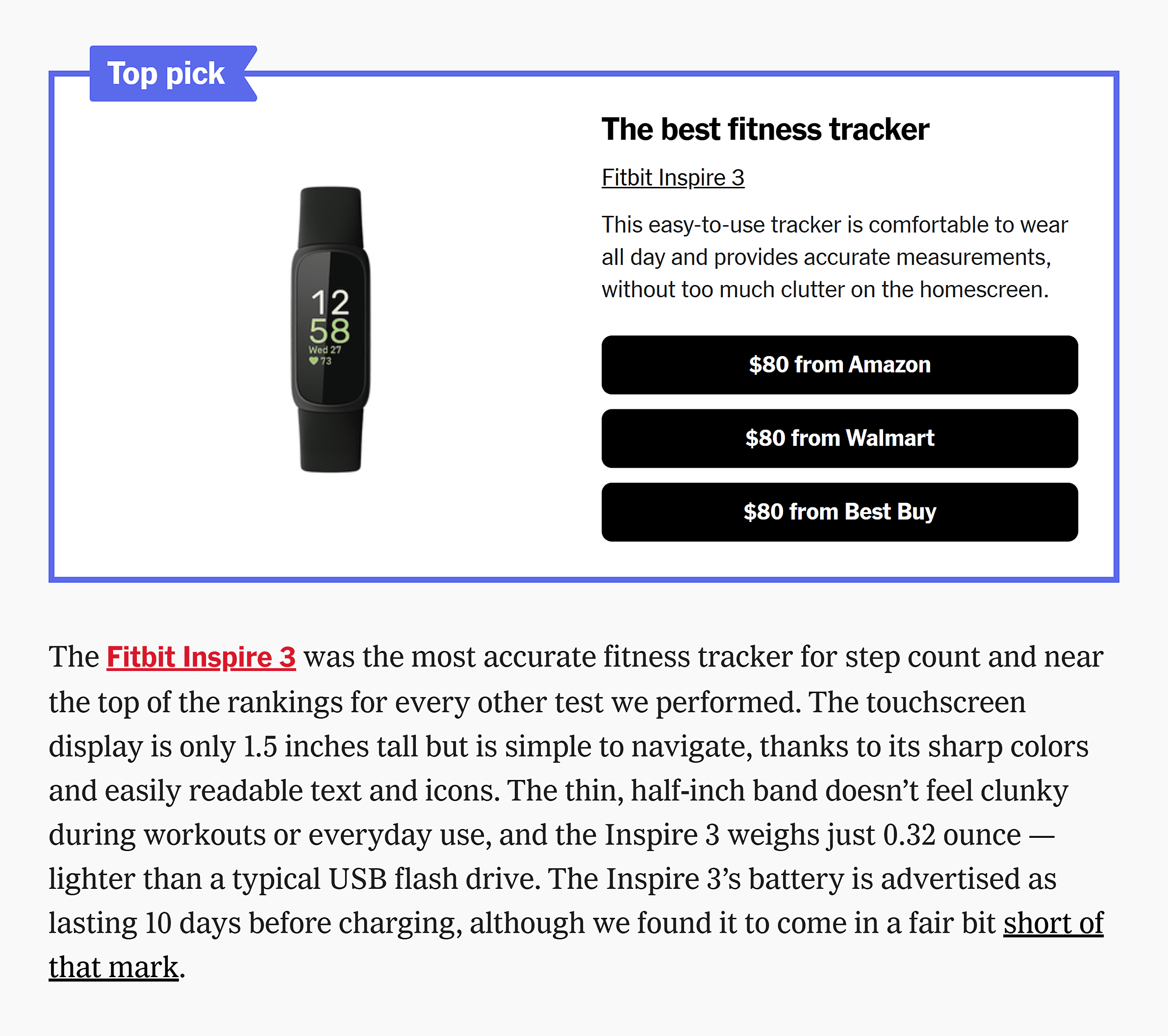
Every time a credible publication, a niche community, or a respected industry expert mentions your brand, they are casting a "vote" of confidence. These brand mentions are now a cornerstone of digital authority, acting as the bridge between being a business and becoming an industry-recognized entity.
Understanding the Anatomy of a Brand Mention
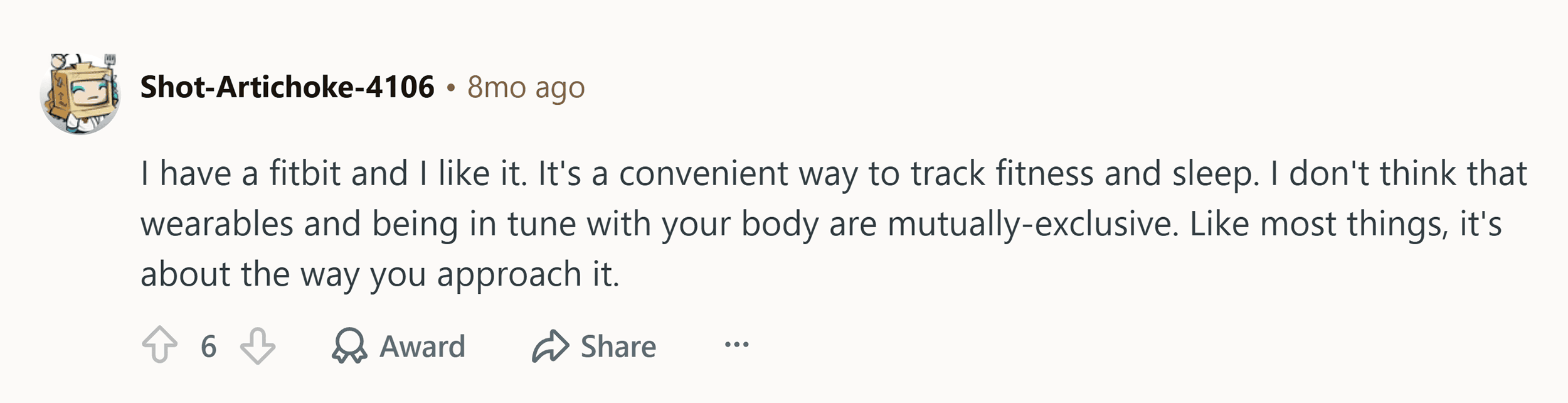
A brand mention is any third-party reference to your business. These references manifest across the digital ecosystem—in editorial articles, deep-dive YouTube reviews, community forum threads, or podcast transcripts. They generally fall into two distinct categories:
- Linked Mentions: These include a direct, clickable hyperlink to your website. These are the "gold standard" because they provide both a direct path for referral traffic and a clear signal of authority to search engine crawlers.
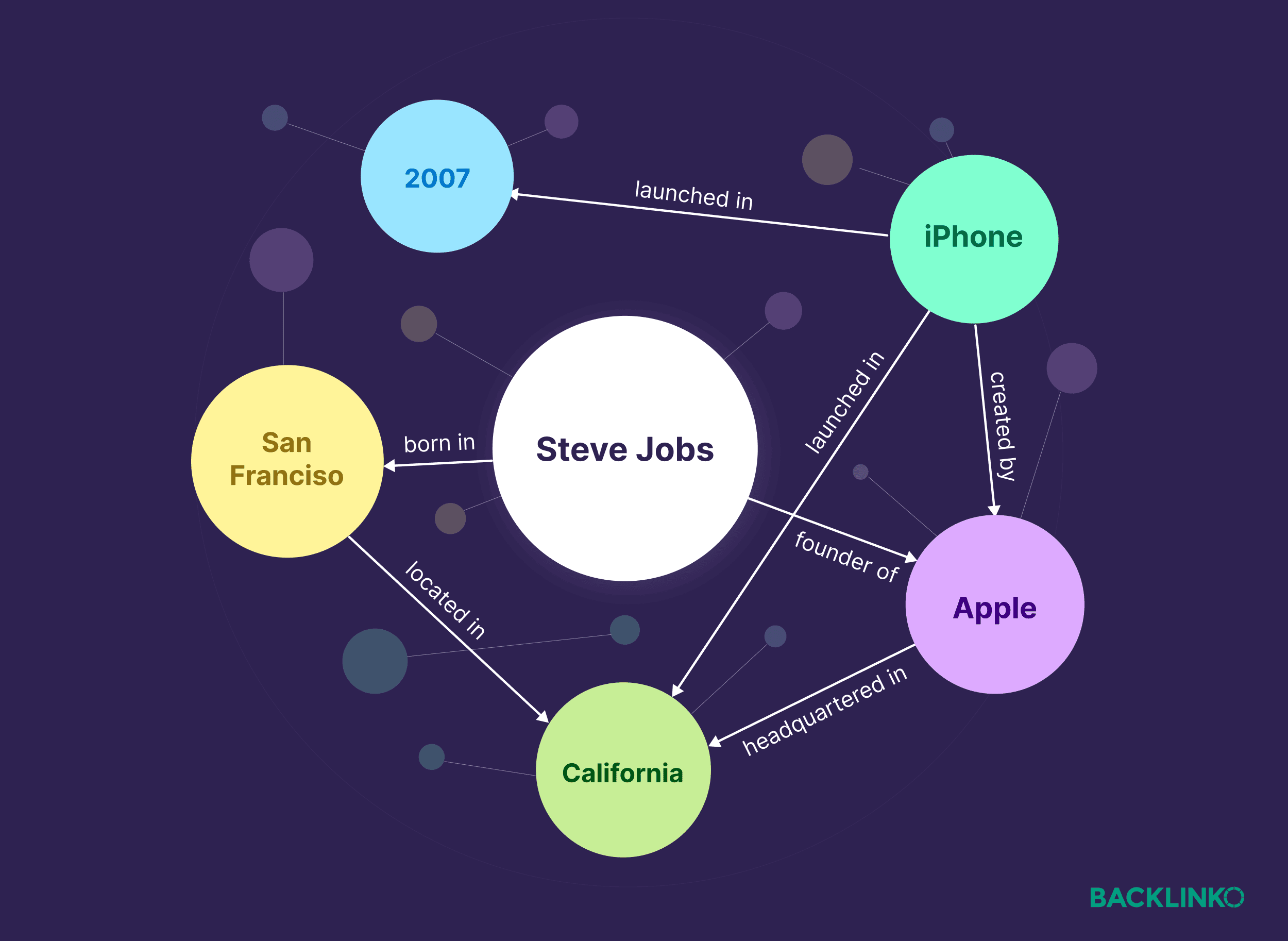
- Unlinked Mentions: These are references to your brand name without a link. While they lack the immediate benefit of a click-through, they are critical for building "brand context." When search engines see your brand name appearing repeatedly in relevant, high-authority discussions, they solidify your brand’s presence in their Knowledge Graph.
Web Mentions vs. AI Mentions
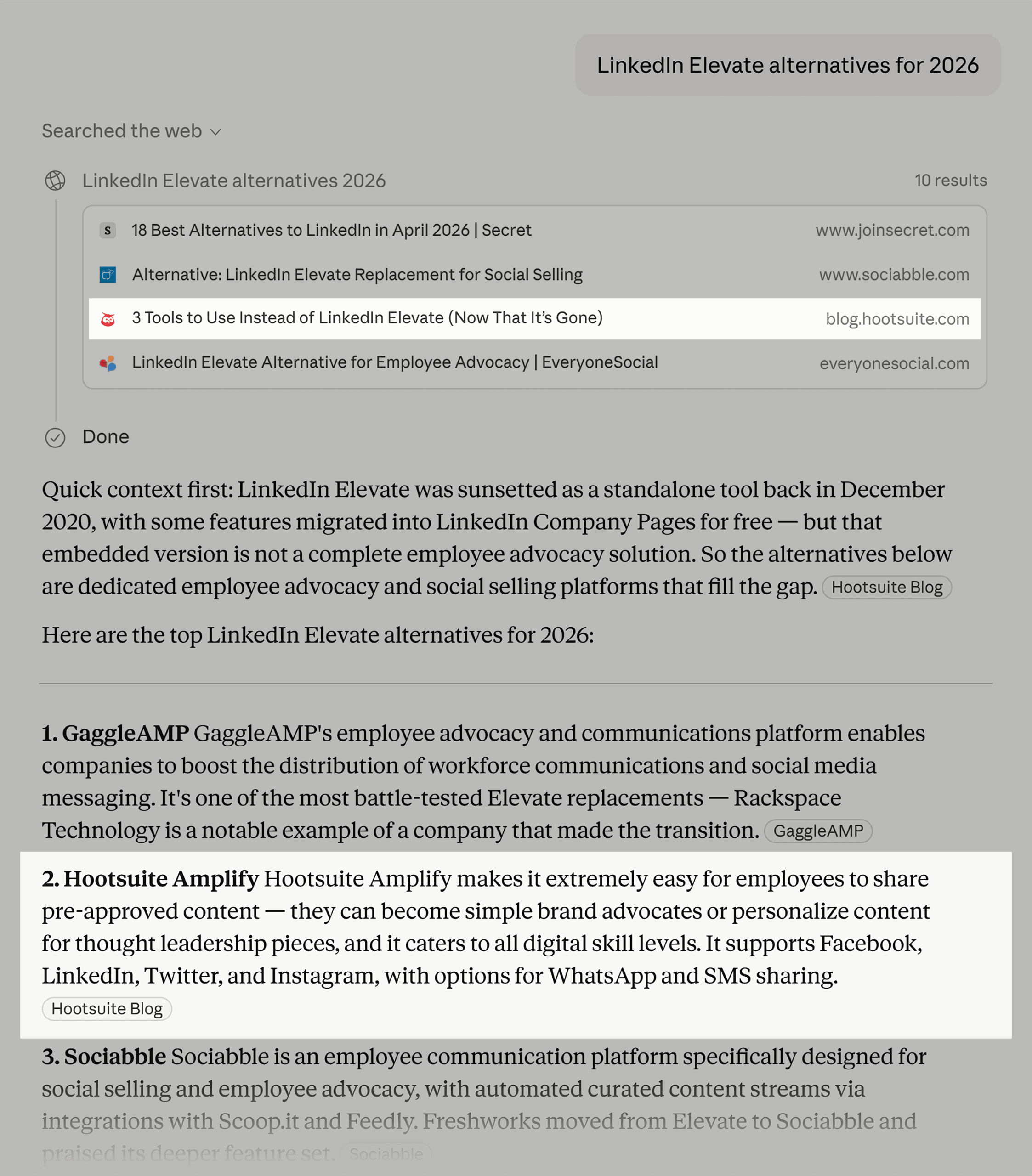
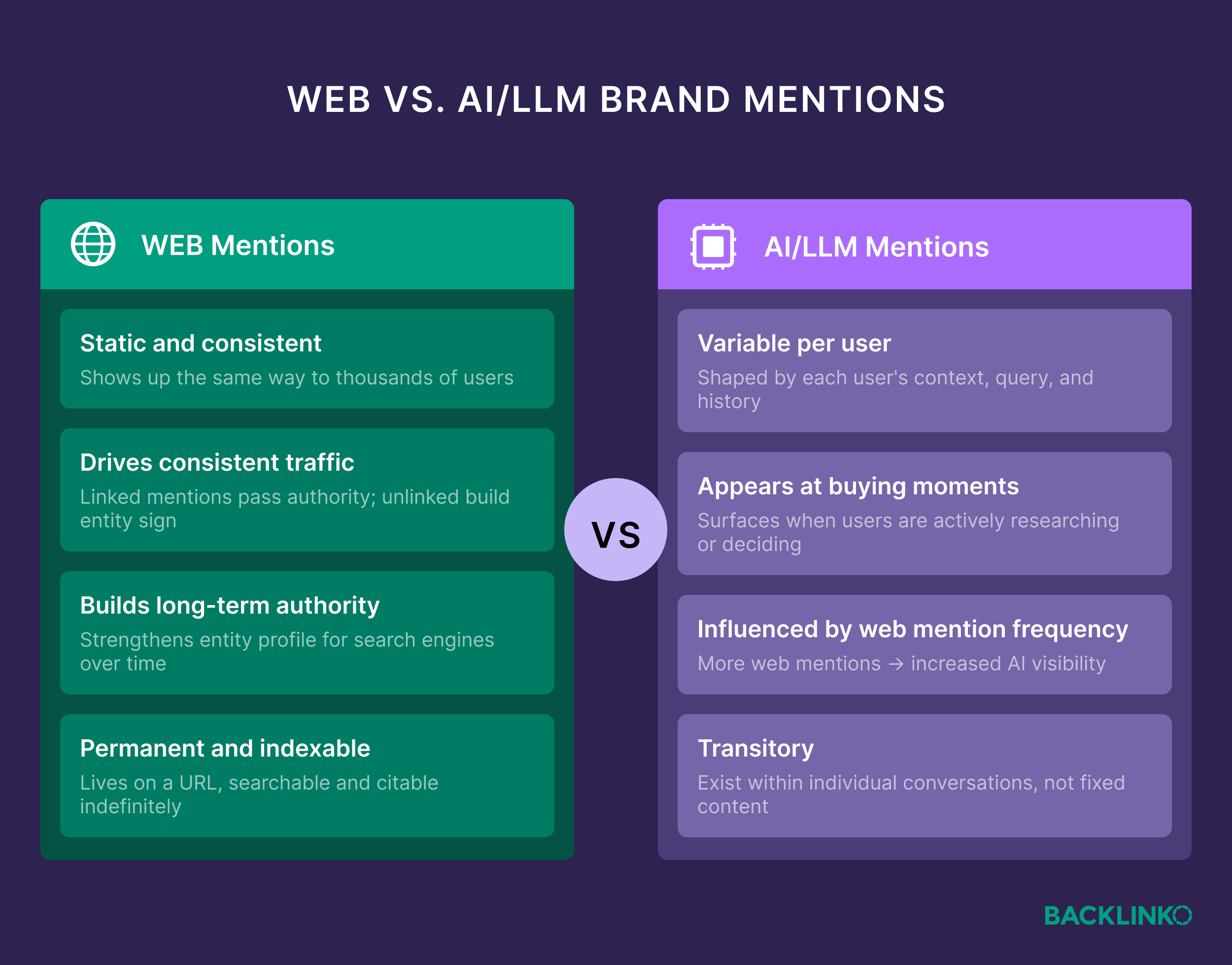
It is crucial to distinguish between traditional web mentions and AI-driven mentions. When ChatGPT or Claude references your brand in a response, it is a dynamic, user-specific occurrence based on that individual’s browsing history and prompt context. These AI mentions are transient—they disappear once the chat ends.
However, web mentions are static. They are permanent, indexed records that contribute to the "training" of the AI. By consistently appearing in trusted, relevant sources across the open web, you are essentially providing the raw data that LLMs use to construct their recommendations. In this sense, earning web mentions is the long-term strategy for securing your place in AI-generated search results.

Why Brand Mentions Matter Now More Than Ever
The shift toward AI-integrated search has turned brand mentions into a primary signal for "Entity Recognition." Google’s Knowledge Graph, a vast database that maps relationships between companies, people, and concepts, relies heavily on these mentions to verify that your business is a legitimate, authoritative entity.
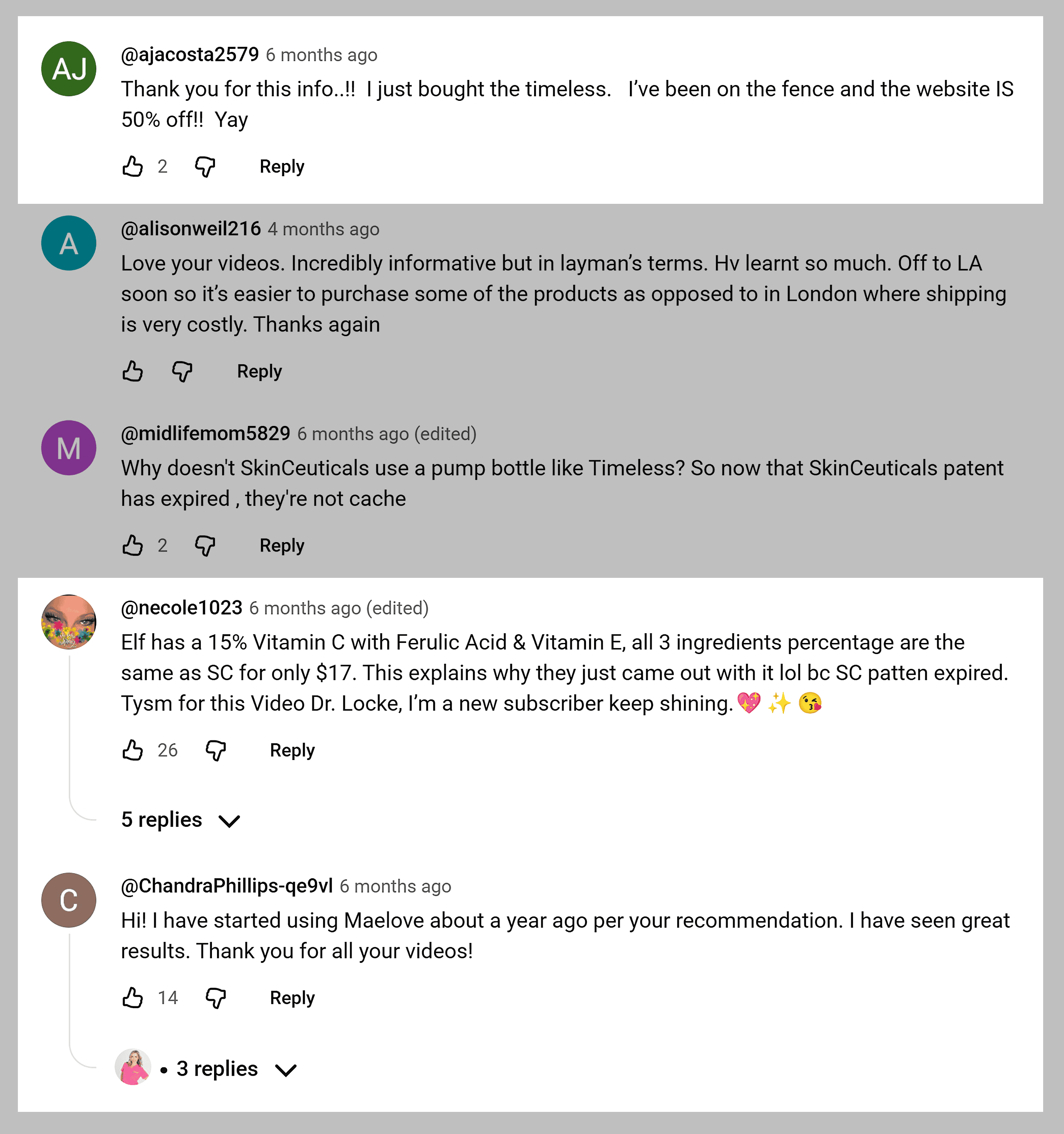
Furthermore, mentions facilitate audience expansion. When you appear in a video by an influencer—such as The Budget Dermatologist recommending a skincare brand—you aren’t just gaining an SEO signal; you are tapping into a pre-qualified audience. The comments section of such videos often serves as proof of intent, with viewers explicitly stating they purchased the brand because of the mention. This proves that brand mentions drive real-world revenue, not just algorithmic favor.
The Pillars of a High-Value Brand Mention
Not all mentions are created equal. To move the needle, your brand needs mentions that satisfy three specific criteria:
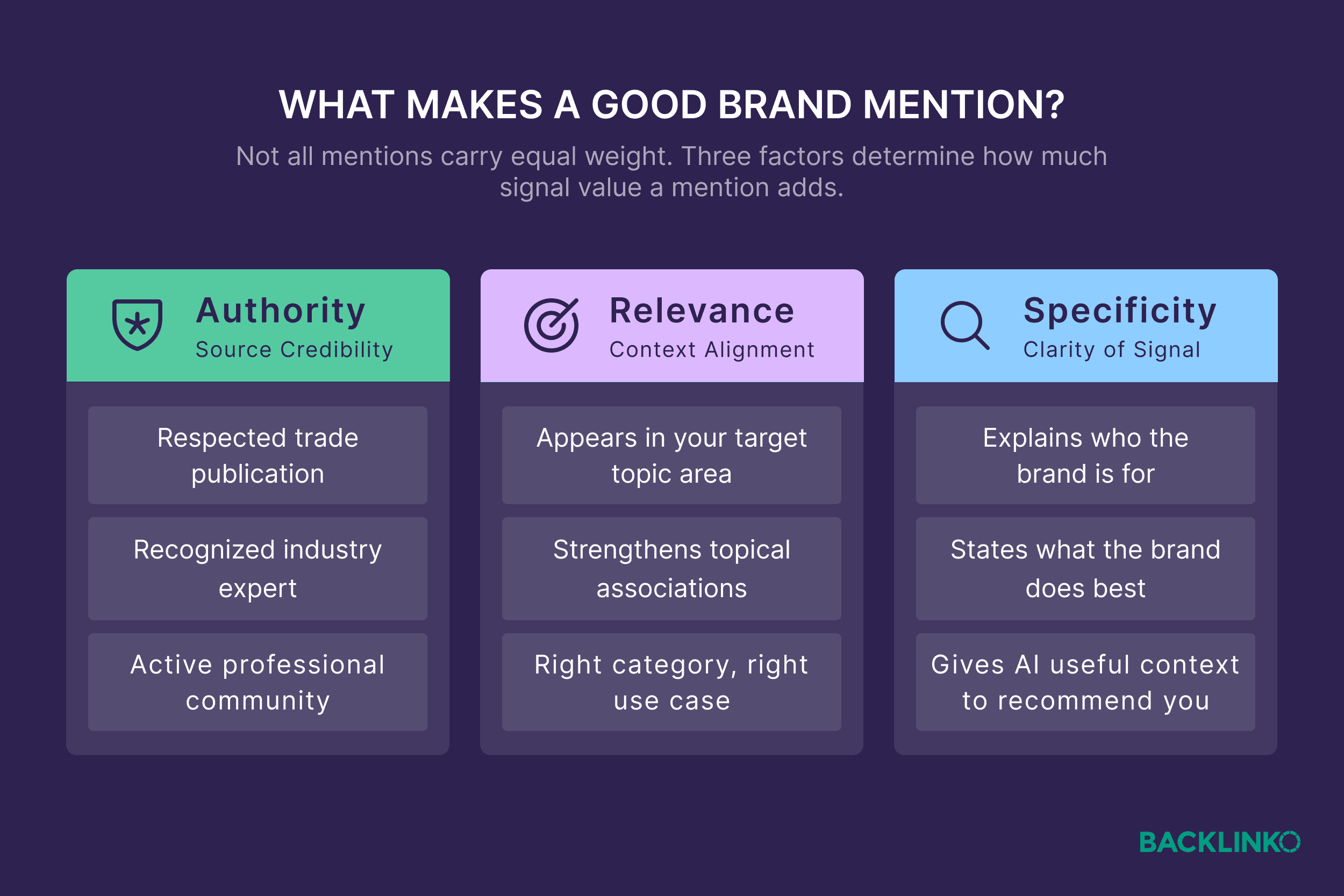
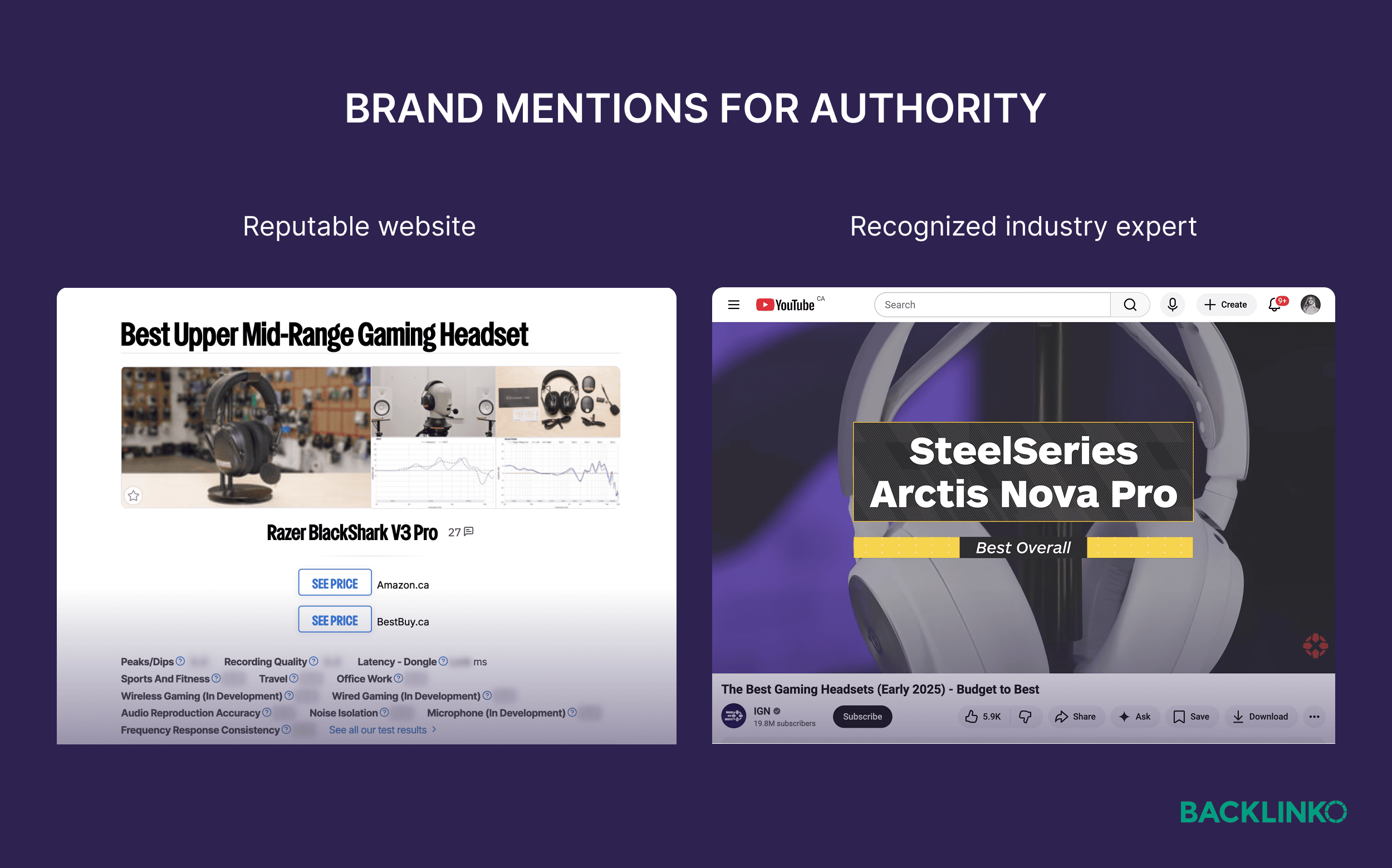
- Authority: A mention in a high-traffic, reputable industry publication (e.g., The New York Times or a top-tier industry trade) holds significantly more weight than a vague reference on a low-traffic personal blog.
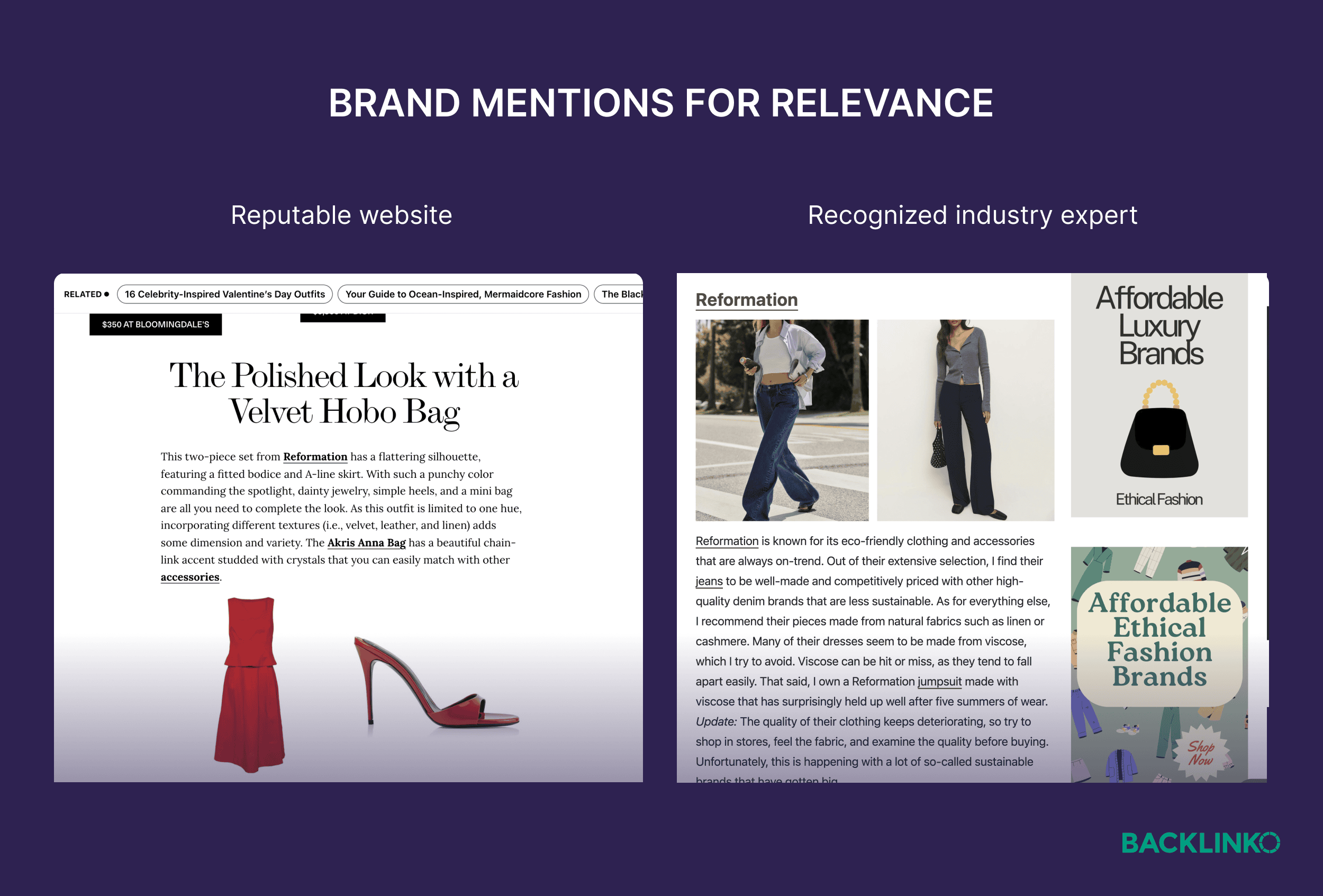
- Relevance: Context is king. If you are a fashion brand, being mentioned in a sustainability-focused article or a high-end style guide reinforces your topical authority. The source must be relevant to your industry for the signal to be "heard" by search engines.
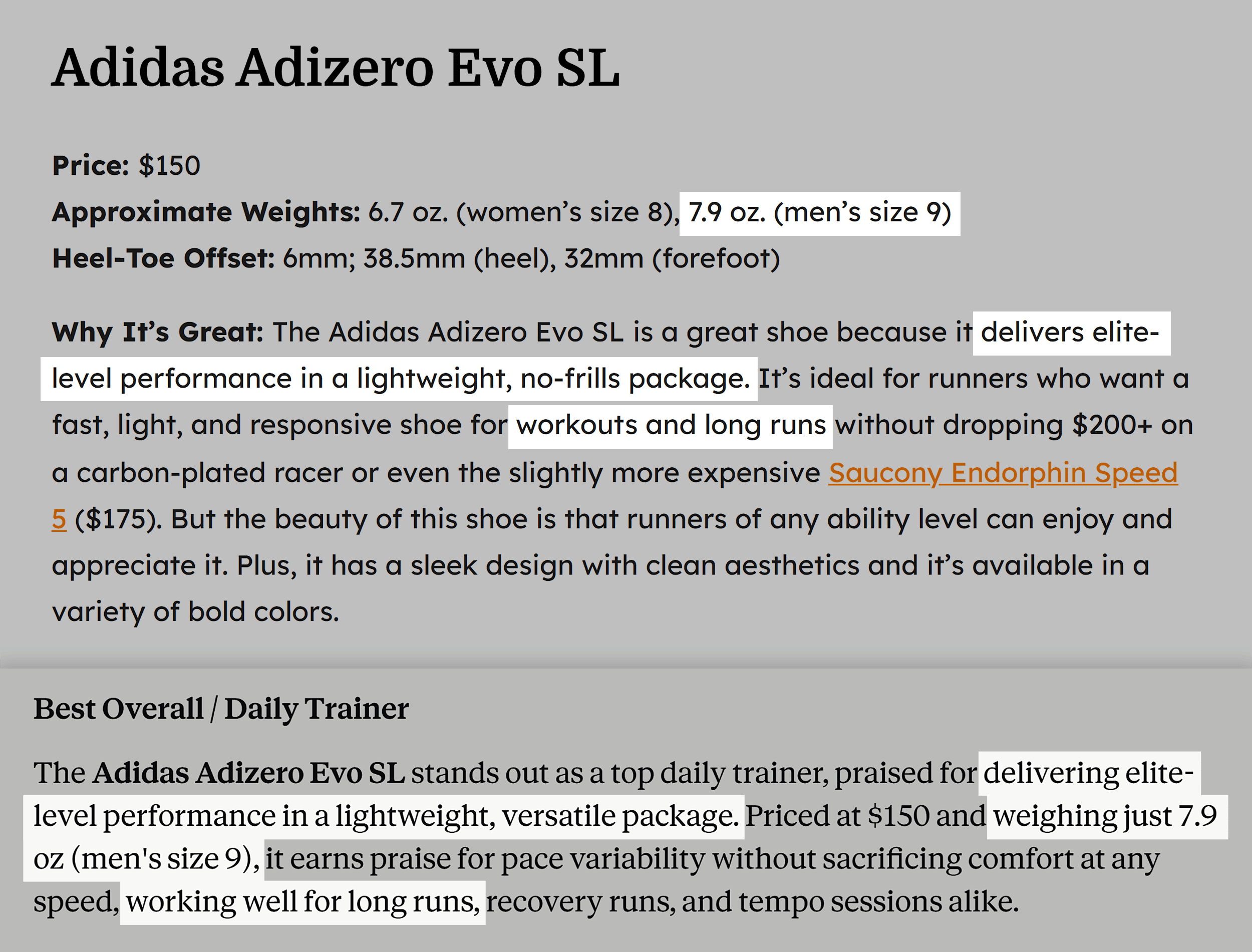
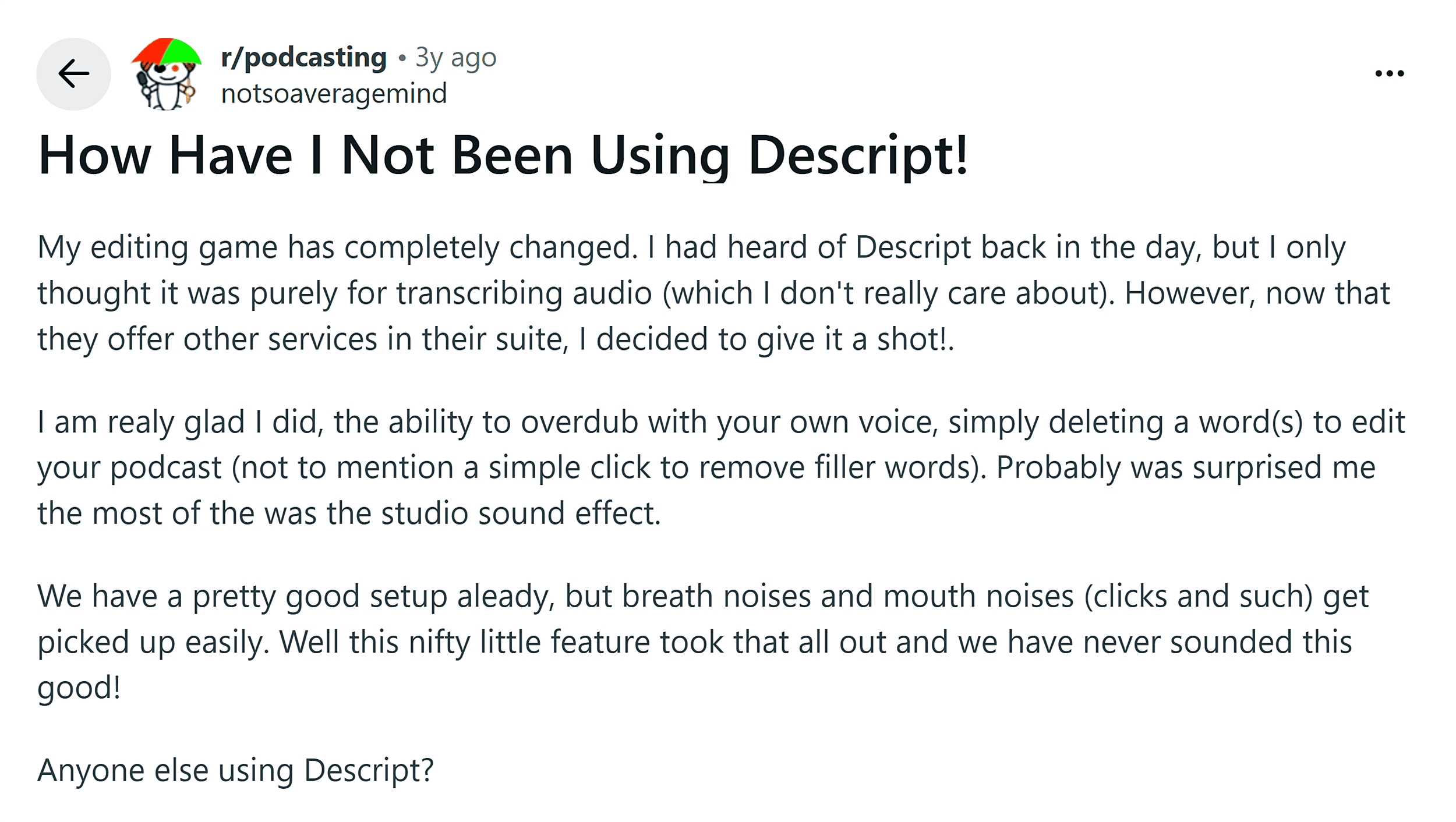
- Specificity: The most valuable mentions are descriptive. A mention that includes specific use cases, feature highlights, or unique benefits provides search engines with "usable signals." When a user reads that your tool is "ideal for video editing due to its AI-powered script cleanup," the AI learns precisely when to recommend you to a user.
Four Tactical Strategies to Earn More Mentions
Earning high-value mentions is not about spamming the internet; it is about providing value that others feel compelled to cite.
1. Create Data-Driven, Citable Content
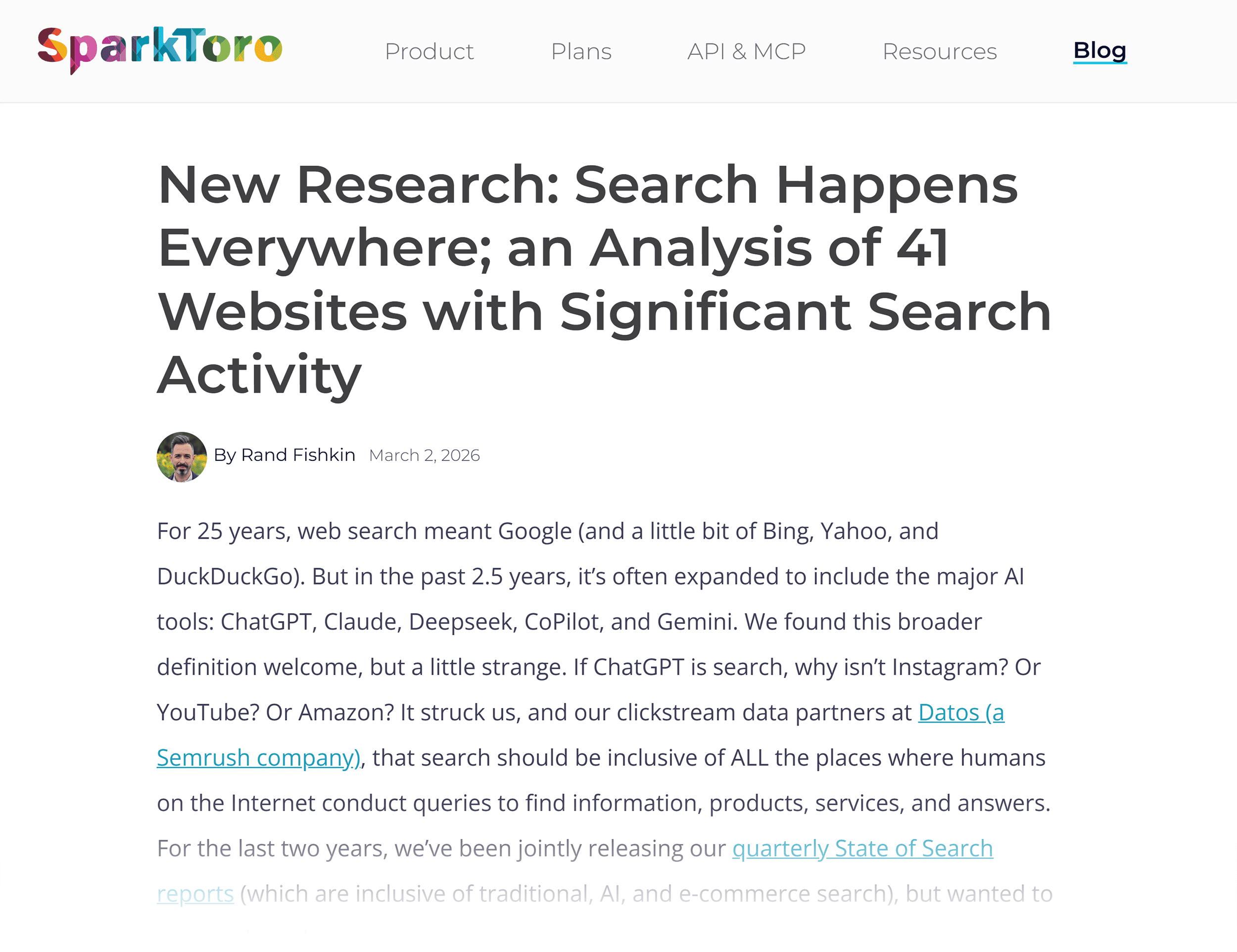
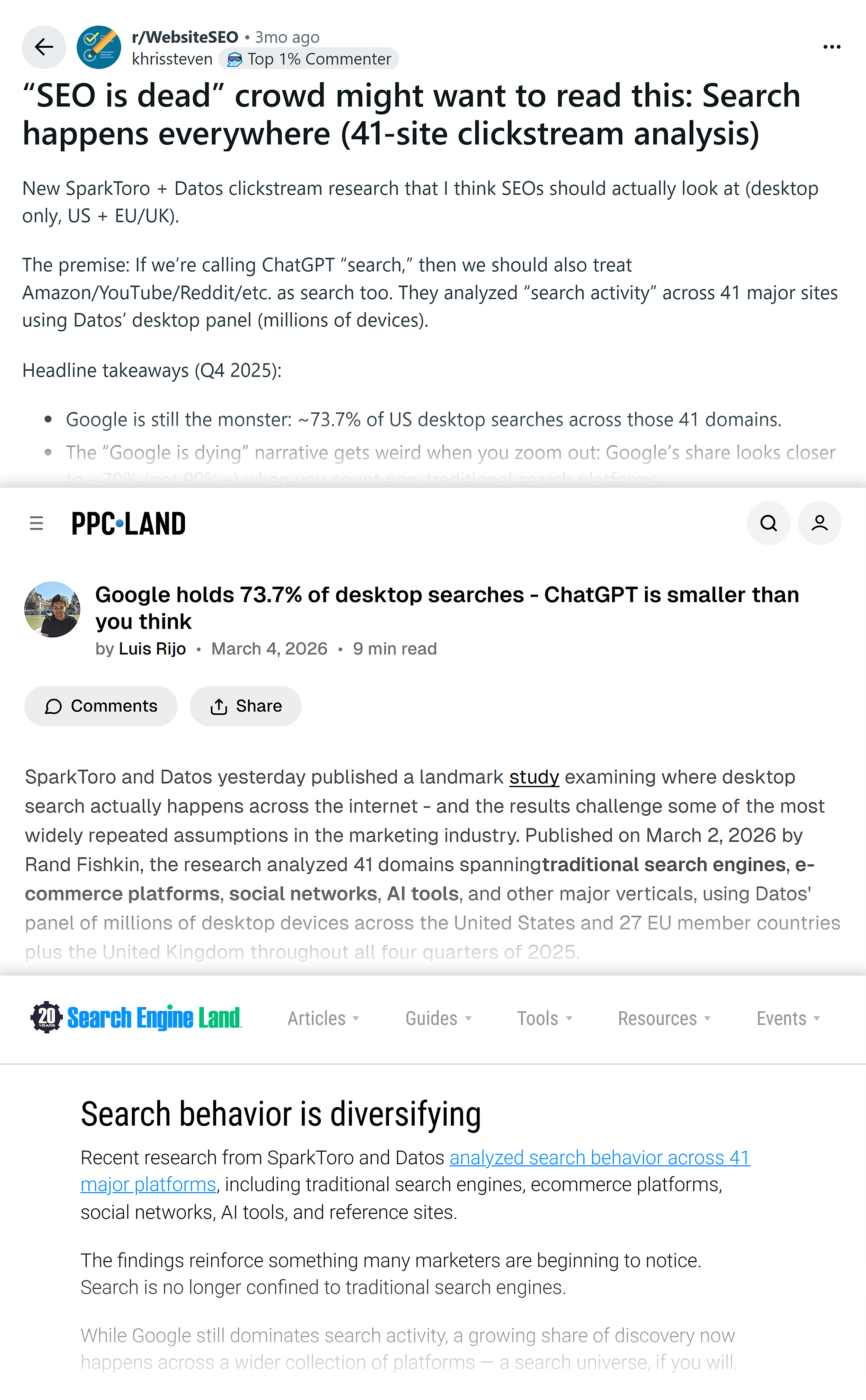
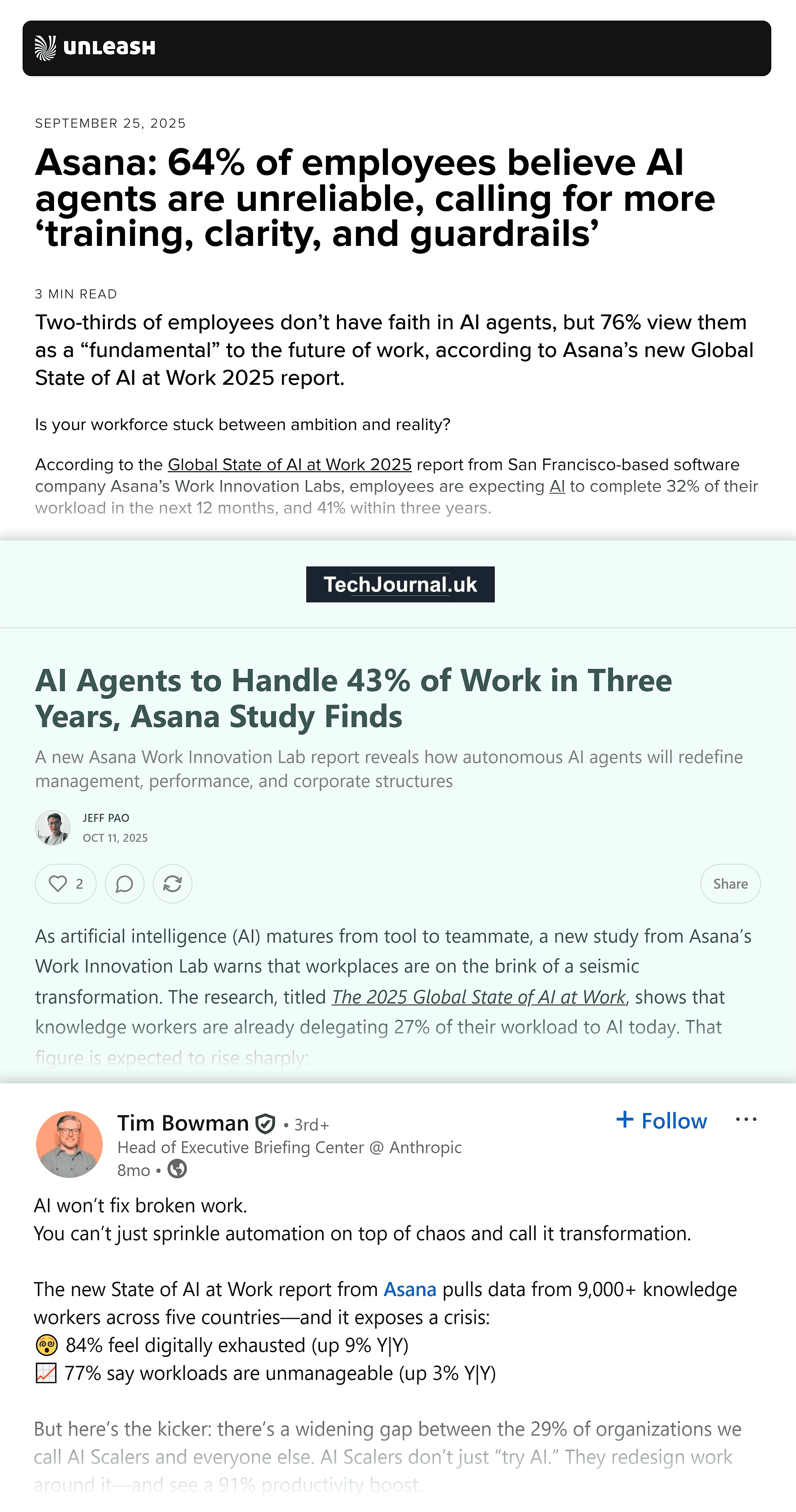
Original research is arguably the most effective tool for generating mentions. When you publish a report that answers a burning industry question with proprietary data, you become the primary source.
- How to execute: Identify a debate in your industry that lacks evidence. Conduct surveys or analyze internal data to provide an answer. Package this research into a highly visual, easy-to-quote format (e.g., summary charts, key takeaways) so that journalists and bloggers can embed your findings into their own stories.
2. Partner With Complementary Brands
Co-branded campaigns are a shortcut to authority. By hosting a joint event, a co-branded webinar, or a collaborative product release, you merge your audiences.
- The "Co-occurrence" Factor: When your brand is consistently mentioned alongside another established, respected brand, search engines and LLMs start to associate your entity with theirs. This "co-occurrence" signals to algorithms that you belong in the same league.
3. Feature Experts and Industry Leaders
When you center your content around the expertise of others—through expert roundups, interviews, or podcasts—you create a natural incentive for those contributors to share your work.
- The Strategy: Do not settle for one-line quotes. Frame your content around the contributor’s specific expertise. When the expert shares the content with their 100,000+ followers on LinkedIn or X, they are essentially providing a "stamp of approval" for your brand, generating both direct traffic and high-authority social signals.
4. Contribute Expertise Through Digital PR
Pitching your leadership team to podcasts and industry publications as subject matter experts is a classic, yet evolving, PR strategy.
- The Shift: Stop pitching "the brand" and start pitching "the playbook." When a CEO shares a unique methodology on a podcast, the show notes, transcripts, and social media recaps become a goldmine for brand mentions. Focus on outlets that your specific audience already trusts, rather than chasing vanity media placements.
Tracking and Reporting ROI
To justify your efforts to leadership, you must track these mentions with the same rigor you apply to paid campaigns.
- Google Alerts & Manual Audits: Use Google Alerts for daily updates on your brand name, but supplement this with a weekly manual search. Google Alerts often misses niche forums and Reddit threads, which are goldmines for brand sentiment.
- Social Listening Tools: Invest in tools like Semrush Brand Monitoring or Brandwatch. These allow you to track sentiment—are people mentioning you in a positive, neutral, or negative light? This is vital for crisis management and brand health reporting.
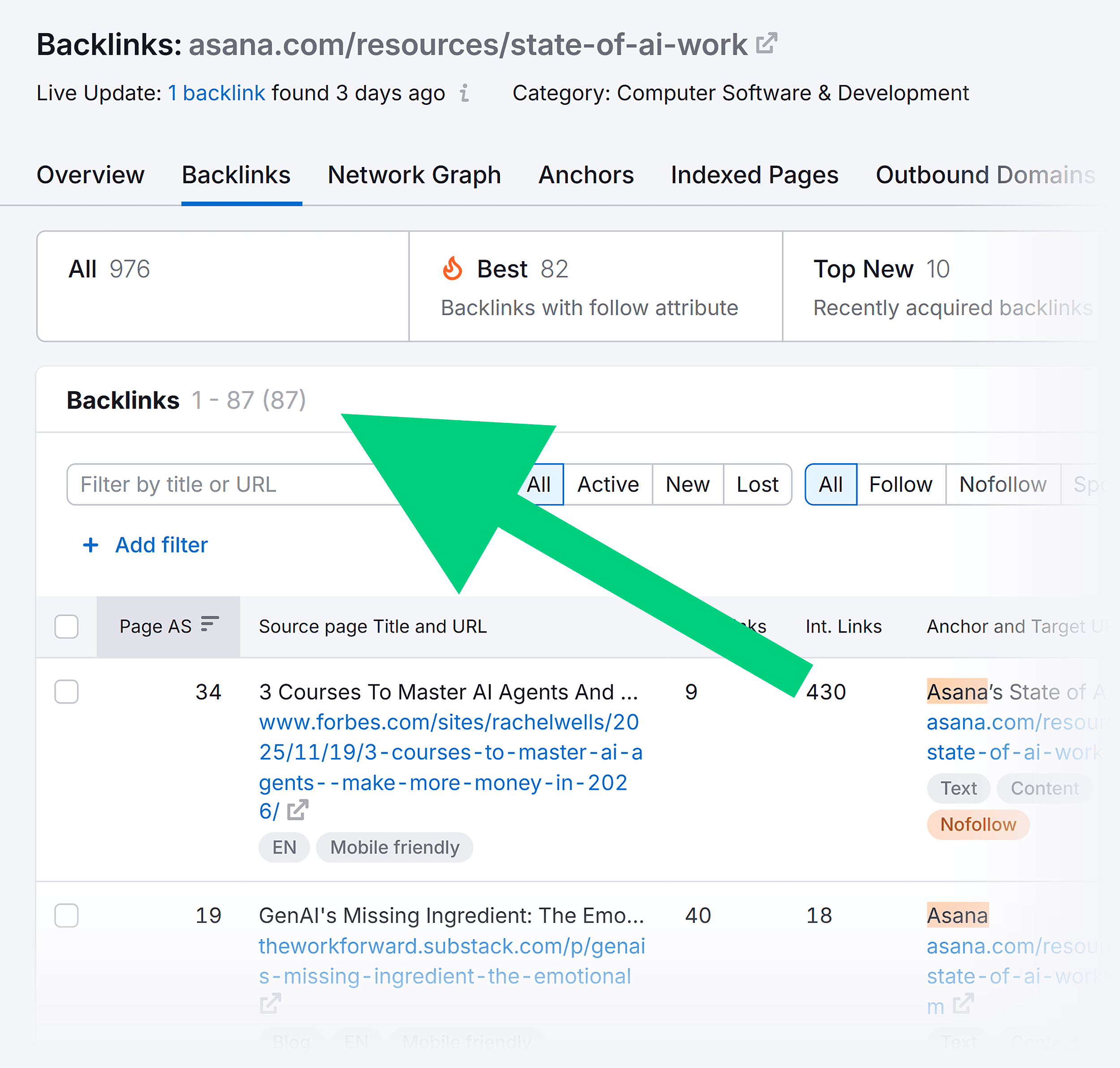
- Backlink Analytics: Use backlink monitoring to find where your brand is mentioned as a link. Filter by "anchor text" to ensure you are seeing how people are describing your brand in their links.
Reporting to Leadership
Leadership cares about trends, not raw counts. When reporting, present a narrative:
"This month, we earned 45 mentions, a 10% increase over last month. Crucially, 80% of these mentions were in high-authority industry publications, and our sentiment score remained positive, indicating that our recent co-branded campaign is successfully building brand trust."
Conclusion: The Long-Term Play
Building brand mentions is a marathon, not a sprint. It requires a fundamental shift in how you view your marketing efforts: move away from purely "self-promotional" content and toward "collaborative" and "evidence-based" content. By focusing on authority, relevance, and specificity, you are not just optimizing for today’s search engines—you are building a lasting digital reputation that will remain resilient in an AI-driven future.