In the fast-paced, algorithm-driven world of modern social media, a ghost from the early 2000s is attempting a resurrection. Orkut, the platform that once defined the social lives of millions in Brazil and India before being shuttered by Google in 2014, is teasing a return. Orkut Büyükkökten, the visionary behind the site, has issued a rallying cry to his former user base, urging them to register their support on the domain Orkut.com. As the digital landscape faces a crisis of authenticity, this proposed comeback seeks to tap into a growing hunger for the "human-first" internet of the past.
The Main Facts: A Call to Rebuild the Internet
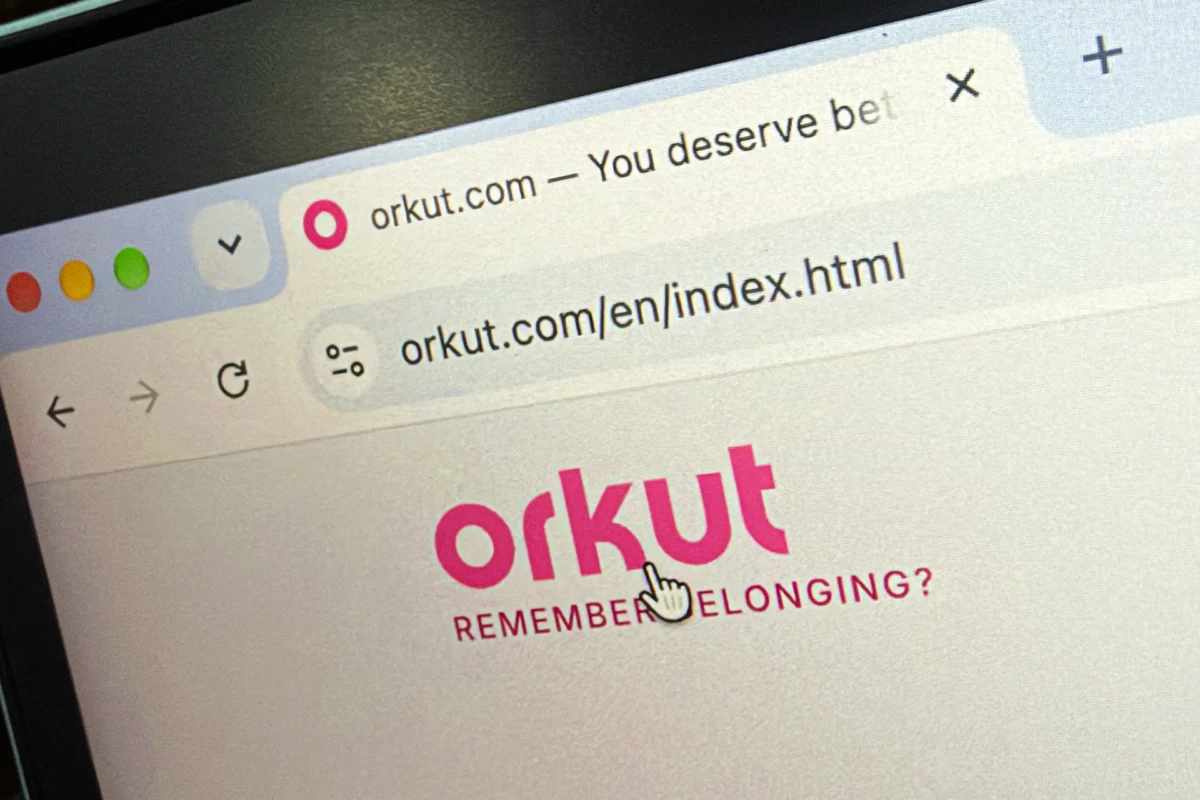
Orkut Büyükkökten, a 51-year-old software engineer and social architect, sent ripples through the tech industry on Thursday with a post on X (formerly Twitter). He explicitly invited former users and new enthusiasts alike to visit the Orkut website, add their names to a registry of support, and recruit others to the cause.
The initiative is framed not merely as a revival of a brand, but as a moral corrective to the current state of social networking. Büyükkökten’s vision is centered on a radical departure from the opaque algorithms and synthetic, AI-generated content that dominate platforms like Meta’s Facebook, Instagram, and TikTok. By invoking the ethos of the early 2000s—a time when social networks were designed to foster genuine connection rather than maximize engagement metrics—Büyükkökten is betting on the idea that the internet has lost its soul and is ready to reclaim it.
However, the path forward remains shrouded in ambiguity. While the website is active and the call to action is clear, Büyükkökten has not confirmed whether a new version of the platform is currently under construction or if this is an exploratory mission to gauge market interest before significant capital is committed.
A Chronology of a Digital Icon
To understand the significance of Orkut’s potential return, one must look back at its storied history and the evolution of its creator’s philosophy.
2004–2014: The Golden Age of Orkut
Orkut launched in January 2004 as a side project by Büyükkökten while he was a software engineer at Google. It was one of the earliest successful attempts at a social network, predating the global dominance of Facebook. Orkut flourished by focusing on community-driven "communities," where users bonded over niche interests, ranging from regional pride to eccentric hobbies. At its peak, the platform boasted nearly 300 million active users, becoming a cultural phenomenon in Brazil and India.
2014: The Sunset
As Google pivoted its resources toward Google+ and its video giant, YouTube, it decided to shutter Orkut in September 2014. The platform was officially archived, leaving a vacuum that was quickly filled by Facebook and, later, WhatsApp and Instagram.
2016–2020: The "Hello" Experiment
Büyükkökten did not disappear from the social media scene. In 2016, he launched "Hello," a platform designed to connect people through shared passions rather than simple social graphs. Despite his efforts, the app failed to capture the lightning-in-a-bottle magic of the original Orkut, garnering just over 2 million downloads before shutting down in 2020.
2022–Present: The Quest for Utopia
In 2022, a note appeared on Orkut.com stating, "I’m building something new." This sparked years of speculation. In subsequent interviews with outlets like Wired, Büyükkökten discussed integrating machine learning in a way that, ironically, might enhance human connection rather than exploit it. Today, that vision has evolved into a direct, public appeal to the masses to join him in "rebuilding the internet we first loved."
Supporting Data: Why Now?
The decline of user trust in major social platforms provides a fertile, if competitive, ground for a new entrant.
- The Algorithm Problem: Modern social platforms are largely driven by algorithmic feeds that prioritize rage-bait, virality, and advertisements. Users are increasingly reporting "social media fatigue," leading to a decline in authentic posting.
- The AI Threat: As Büyükkökten noted in his letter, the rise of AI-generated content is dissolving the premise that "there is a person on the other side." The ubiquity of bots and fake accounts has eroded the digital trust necessary for community building.
- The Demographic Shift: The cohort that grew up with Orkut—now in their late 20s, 30s, and 40s—represents a massive, nostalgic demographic with significant disposable income and a desire to return to a simpler, more controlled online experience.
While "Hello" failed to scale, the market conditions today are significantly different than they were in 2016. The backlash against "Big Tech" and the desire for "Digital Spaces" (such as Discord or private subreddits) suggests a structural demand for the kind of community-centric architecture Orkut pioneered.
Official Responses and Industry Skepticism
The reaction from the tech sector has been one of cautious observation. When contacted for comment, the Orkut team remained silent, offering no further clarification on the technical roadmap or the funding status of the potential relaunch.
Industry analysts are split. Some believe that the "nostalgia play" is a powerful tool for initial user acquisition, noting that the brand recognition of Orkut in key emerging markets is still high. Others, however, are skeptical. "Brand equity is not enough," notes a tech strategist. "The barrier to entry for social networks isn’t just the software; it’s the network effect. Convincing users to migrate their social lives from established, entrenched giants to a new, unproven platform is an uphill battle that has claimed many casualties."
Implications: The Future of Human Connection
If Orkut were to return, it would signify a major shift in the philosophy of web development. For two decades, the industry has prioritized "infinite growth" and "time-on-site" metrics. If Büyükkökten successfully prioritizes "genuine belonging," he would be challenging the very business model that currently underpins the internet economy.
1. The Challenge of Monetization
If the platform focuses on human connection, how will it sustain itself? If it relies on traditional advertising, it risks falling into the same algorithmic traps that ruined its predecessors. If it adopts a subscription or membership model, it risks alienating the massive, global user base that made the original Orkut a success.
2. The AI Paradox
Büyükkökten has expressed interest in using AI, yet he criticizes it as a destroyer of human connection. The implication here is a "Human-Centered AI" approach—perhaps using machine learning to moderate toxic content or help users find communities, rather than to manipulate their behavior for ad revenue.
3. Cultural Resilience
Ultimately, the success of Orkut 2.0 will depend on whether it can foster a culture that resists the toxicity of modern internet discourse. The platform’s success in India and Brazil was rooted in its ability to empower hyper-local communities. Replicating that in a global, highly polarized environment will be a challenge of governance as much as it is a challenge of engineering.
Conclusion
The revival of Orkut is a testament to the fact that we are currently in a "Post-Social" era. Users are no longer satisfied with the passive consumption of content; they are actively seeking the communities they lost as the internet became increasingly corporate and automated. Whether or not Orkut returns, the call from its founder serves as a poignant reminder of what we once had: an internet that felt like a place where people lived, rather than a place where data was mined.
For now, the world waits to see if Orkut Büyükkökten can translate his vision into reality. If he succeeds, he may provide a blueprint for a more human-centric digital future. If he fails, the attempt will still serve as a powerful critique of the platforms that currently hold our digital lives captive. Regardless of the outcome, the digital world is listening—and for a brief moment, the ghosts of 2004 have become the center of the conversation.