For over a decade, the digital landscape has been dominated by a handful of monolithic entities. Meta’s sprawling ecosystem of Facebook, Instagram, and WhatsApp, alongside Google’s YouTube, Snapchat, TikTok, and X (formerly Twitter), have acted as the primary town squares of the internet. However, a significant shift is currently underway. A growing segment of the population—particularly Gen Z and digitally native younger users—is increasingly disenchanted with the algorithmic homogenization of traditional social media.
In response, a vibrant, diverse ecosystem of startups is emerging. These platforms are not trying to capture "everyone"; rather, they are building specialized, intentional, and often private environments designed to foster genuine connection, personal curation, and community-driven discovery.

The Chronology of the Shift: From Global Feeds to Personal Spaces
The trajectory of social media has moved from the "Open Graph" era, where the goal was to connect the entire world into one massive, searchable, and often noisy feed, to the current "Fragmented Era."
The seeds of this movement were sown around 2020, as users began to suffer from "algorithm fatigue"—a phenomenon where the constant pressure to perform, the barrage of AI-generated "slop," and the erosion of privacy on legacy platforms led to a decline in user satisfaction. Throughout 2024 and 2025, the market saw a surge in apps that prioritized utility over mindless scrolling.
Key milestones in this timeline include:
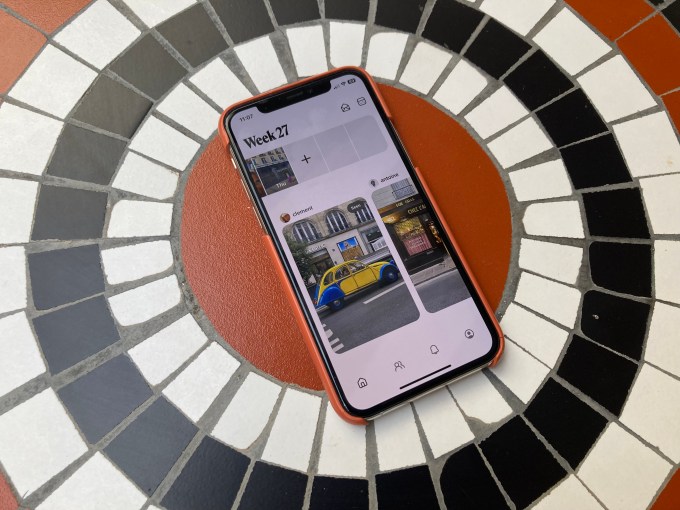
- 2024: The launch of Retro, a pivot back to intentional photo sharing.
- 2025: The acquisition of relationship managers like Clay (now Mesh) by Automattic, signaling a shift toward personal identity management rather than public posting.
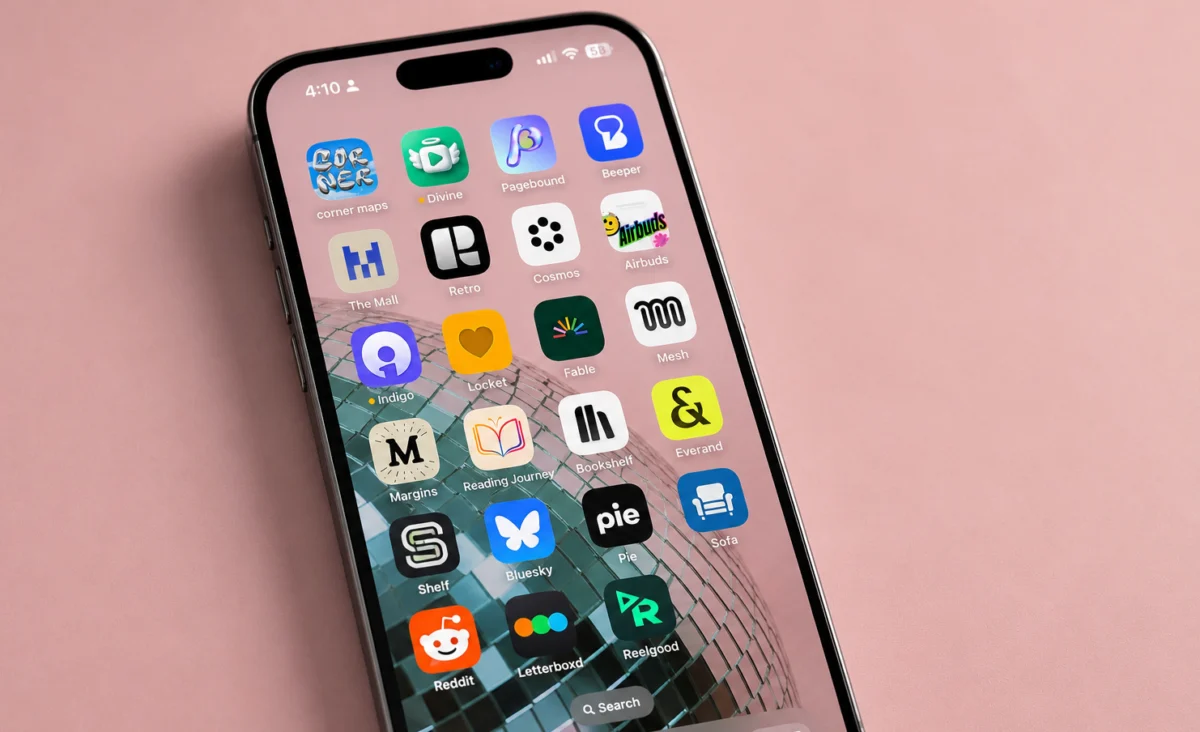
- 2026: The rapid adoption of specialized discovery tools like The Mall and Corner, proving that users prefer curated niches over generic, ad-supported discovery engines.
Supporting Data: Why "Smaller" is Better
Data indicates that while the time spent on the "Big Five" social platforms remains high, the engagement quality is plummeting. Users are spending more time on these apps but reporting lower levels of happiness or creative fulfillment.

Recent industry analysis suggests that users are increasingly gravitating toward "walled gardens" of their own making. For instance, Corner, which positions itself as "Google Maps, but social," has already garnered over 125,000 active users. This demographic shift is not driven by a lack of access to mainstream platforms, but by a conscious choice to gatekeep their social experience. Younger users are demonstrating a willingness to abandon networks with billions of users in favor of platforms that offer meaningful, high-signal interactions, even if those platforms are limited to a few hundred close contacts.
A Curated Guide to the New Social Frontier
If you are looking to extricate yourself from the grasp of Big Tech, the following platforms offer a compelling, high-quality alternative for your digital life.

Retro: Reclaiming the Photo Album
Created by former Instagram insiders Nathan Sharp and Ryan Olson, Retro is a masterclass in thoughtful design. It abandons the "like-chasing" mechanics of its predecessors in favor of a private, collaborative journal format. The app allows for a "time-travel" experience through your own camera roll and gives users strict privacy controls, ensuring your photos are shared only with those who matter most.
Cosmos: The Anti-Pinterest for Creatives
For those tired of the AI-generated imagery polluting traditional inspiration boards, Cosmos provides a sophisticated alternative. It is an "inspiration engine" that allows users to search by color, keyword, or aesthetic. It is less about showing off and more about building a taste-based digital library.

Indigo: Bridging the Decentralized Web
One of the primary hurdles to leaving X has been the fragmentation of the decentralized social web (Bluesky, Mastodon, etc.). Indigo, co-created by Ben McCarthy and Aaron Vegh, serves as a unified client. It provides a seamless, polished experience that allows users to participate in multiple open-social protocols simultaneously without the friction of switching apps.
Corner: Socialized Cartography
Corner has successfully gamified the act of local discovery. By allowing users to curate lists—ranging from the best queer nightlife spots to the quietest indie bookshops—it transforms the map into a social graph. It is effectively a community-powered guide to the world, stripped of the commercial bias found in traditional review sites.

Divine: The Resurrection of Short-Form Video
The shuttering of Vine remains a sore spot for many internet veterans. Divine, backed by Jack Dorsey’s nonprofit "and Other Stuff," is not just a clone; it is a restorative project. By importing the original Vine archives and courting early creators like Lele Pons and JimmyHere, Divine is attempting to recapture the magic of the six-second video era while operating on an open-source ethos.
Mesh: The "Address Book on Steroids"
Mesh represents a fundamental change in how we view "social networking." It is less a public feed and more a personal CRM. By tracking changes in professional bios and public posts across LinkedIn and X, it helps users maintain relationships with the people who actually matter. Its acquisition by Automattic and upcoming integration with Beeper marks a move toward a more integrated, private communication suite.

Fable & Shelf: The New Intellectual Hubs
Platforms like Fable (with its new Everand integration) and Shelf represent the movement toward "interest-based social." Fable facilitates virtual book clubs, while Shelf acts as a repository for your media consumption—books, movies, and music. Both prioritize private curation over public clout, allowing users to build a legacy of their own interests rather than a feed of performative updates.
Airbuds & The Mall: Socializing the Mundane
Airbuds has finally solved the music-social puzzle that Spotify and Apple Music struggled with for years, turning passive listening into an active, social ritual. Similarly, The Mall is attempting to turn the shopping experience into a social activity, allowing users to track brands and follow the curated collections of their peers.

Official Responses and Strategic Implications
The rise of these startups has not gone unnoticed by the giants. Tech executives at legacy firms have frequently cited "competition for attention" as a primary risk factor in their annual reports. However, the strategy of these startups is fundamentally different from the "move fast and break things" approach of the early 2010s.
Most of these platforms—particularly those backed by non-profit initiatives or those focused on specialized tools—are prioritizing interoperability and user agency. The implication is clear: the era of the "all-in-one" social network is nearing its end. In its place, we are seeing the rise of a "Modular Social Web," where users pick and choose specialized tools for photography, music, reading, and shopping, connecting them through decentralized protocols rather than centralized databases.

The Future: Toward a Human-Centric Internet
The exodus from Big Tech is not merely a trend; it is a structural change in how humans relate to the digital world. By moving toward platforms that are private by default, ad-light, and focused on specific human activities, users are effectively reclaiming their digital autonomy.
As these platforms continue to mature, the primary challenge will be sustainability. How do these small, focused apps maintain high-quality service without resorting to the data-mining tactics that drove users away from Facebook and Google in the first place? Many are experimenting with subscription models, premium features, and open-source funding, suggesting that the future of social media may be a "paid-for" or "user-owned" model rather than an "ad-supported" one.

For the user, the choice is now clear: continue to inhabit the increasingly hostile environment of global, algorithm-driven feeds, or curate a digital life that reflects your actual interests, your actual friends, and your actual taste. The "Digital Exodus" is not about leaving the internet; it is about building a better version of it, one app at a time.
Note: As with all digital tools, it is recommended to review the privacy policies of these platforms, as they operate under diverse data governance models. While many of these startups offer a superior user experience, the responsibility of digital curation ultimately rests with the individual.