
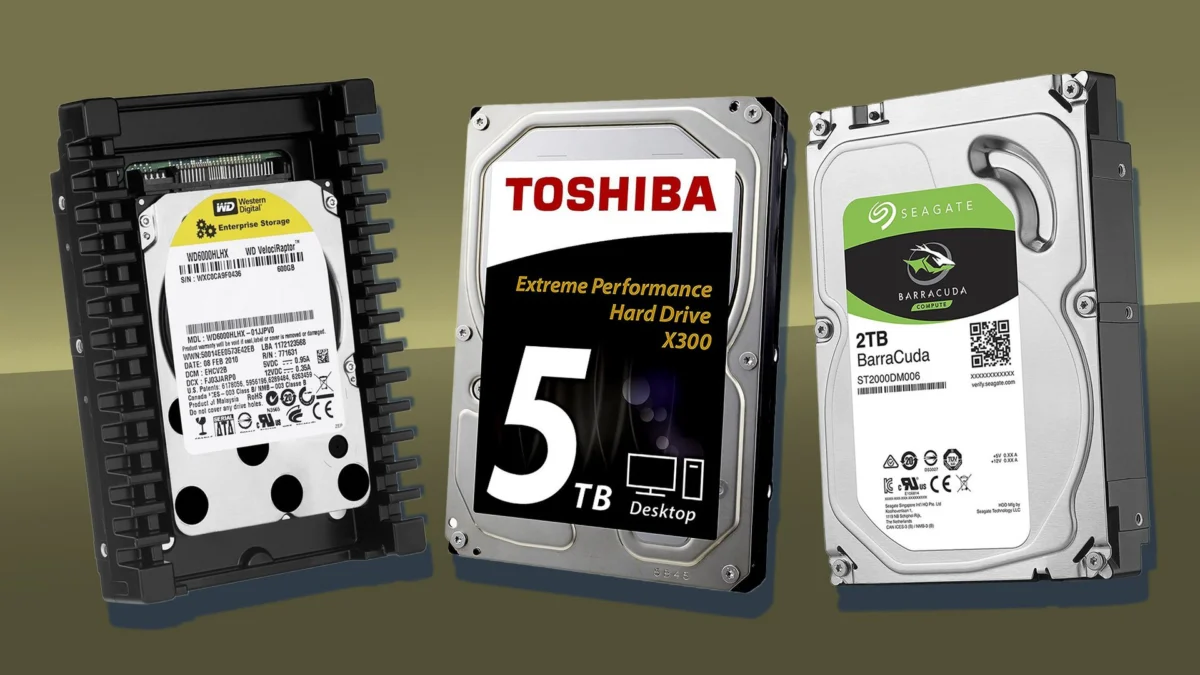
The rapid ascent of artificial intelligence has triggered a paradox in the modern technology landscape: while the world fixates on the cutting-edge processing power of GPUs and the lightning-fast throughput of Solid-State Drives (SSDs), the backbone of the AI revolution remains, surprisingly, the conventional Hard Disk Drive (HDD). As data centers scramble to store the petabytes of information required to train and maintain massive Large Language Models (LLMs), the demand for high-capacity, cost-effective storage has reached a fever pitch.
Toshiba, a titan in the storage industry, is positioning itself to capitalize on this tectonic shift. The company recently announced a strategic investment of 60 billion yen—approximately $380 million—to significantly expand its HDD manufacturing operations in the Philippines. This initiative marks a pivotal turning point for the company, representing its most substantial commitment to disk drive infrastructure in half a decade.
The Core Strategy: Why HDDs Still Rule the Data Center
The resurgence of the HDD is rooted in a fundamental economic reality: scale. While SSDs offer superior performance, lower latency, and higher durability, they remain roughly 20 times more expensive than HDDs on a per-gigabyte basis. For the massive, sprawling data centers that serve as the engines of the AI economy, the primary constraint is not always access speed, but raw, cost-effective capacity.
AI systems are insatiable. They require the retention of massive datasets that must be accessible, but not necessarily in the millisecond-fast timeframe that drives the premium pricing of flash memory. Toshiba’s strategy is built on the premise that as long as the cost gap between SSDs and HDDs remains wide, the "hard drive" will not only survive but thrive as the primary repository for the world’s growing digital archives.
Chronology: A Roadmap to Future Storage
Toshiba’s roadmap is as aggressive as it is ambitious. The company is not merely increasing the volume of current production; it is accelerating the transition toward higher-density storage technologies.
- Fiscal 2025–2027: The immediate focus is on the expansion of the Philippine facility. New production lines are currently under construction to accommodate the surge in demand for high-capacity drives optimized for cloud and AI infrastructure. Toshiba aims to nearly double its production capacity for these specific units by the end of fiscal 2027.
- The 40% Leap: Alongside the capacity expansion, Toshiba is transitioning to advanced manufacturing processes that will yield drives capable of storing 40% more data than the current industry standard. This allows data centers to house more information within the same physical rack space, a critical factor for companies dealing with limited floor area and power constraints.
- 2030 and Beyond: The company has set its sights on the next generation of storage density, aiming to bring 65TB-class HDDs to market by approximately 2030. Following that, Toshiba’s long-term research and development teams are actively working on models capable of reaching the 100TB threshold, which would effectively rewrite the economics of large-scale data retention.
Supporting Data: The Global Storage Squeeze
Toshiba’s investment is part of a broader, industry-wide race. Currently, Toshiba controls slightly over 10% of the global HDD market by storage capacity. While this is a formidable share, the company has set a long-term goal of capturing 30% of the market. This ambition is fueled by a supply-demand imbalance that has permeated the entire sector.
The urgency is not unique to Toshiba. Major competitors like Seagate and Western Digital are reporting similar pressures. Seagate, for instance, has reportedly allocated the majority of its nearline HDD capacity through 2028, with active negotiations already underway for 2029. Similarly, Western Digital has committed the lion’s share of its 2027 production, with significant portions of its 2028 and 2029 outputs already reserved.
Supporting this ecosystem are specialized suppliers like Nitto Denko, which controls over 90% of the global market for magnetic-head suspension assemblies. Recognizing the bottleneck, Nitto Denko has announced a 28 billion yen (roughly $117 million) investment to expand its CISFLEX production by 40% by fiscal 2028. This upstream investment is a bellwether for the entire industry: the supply chain is bracing for a sustained, multi-year period of high growth.
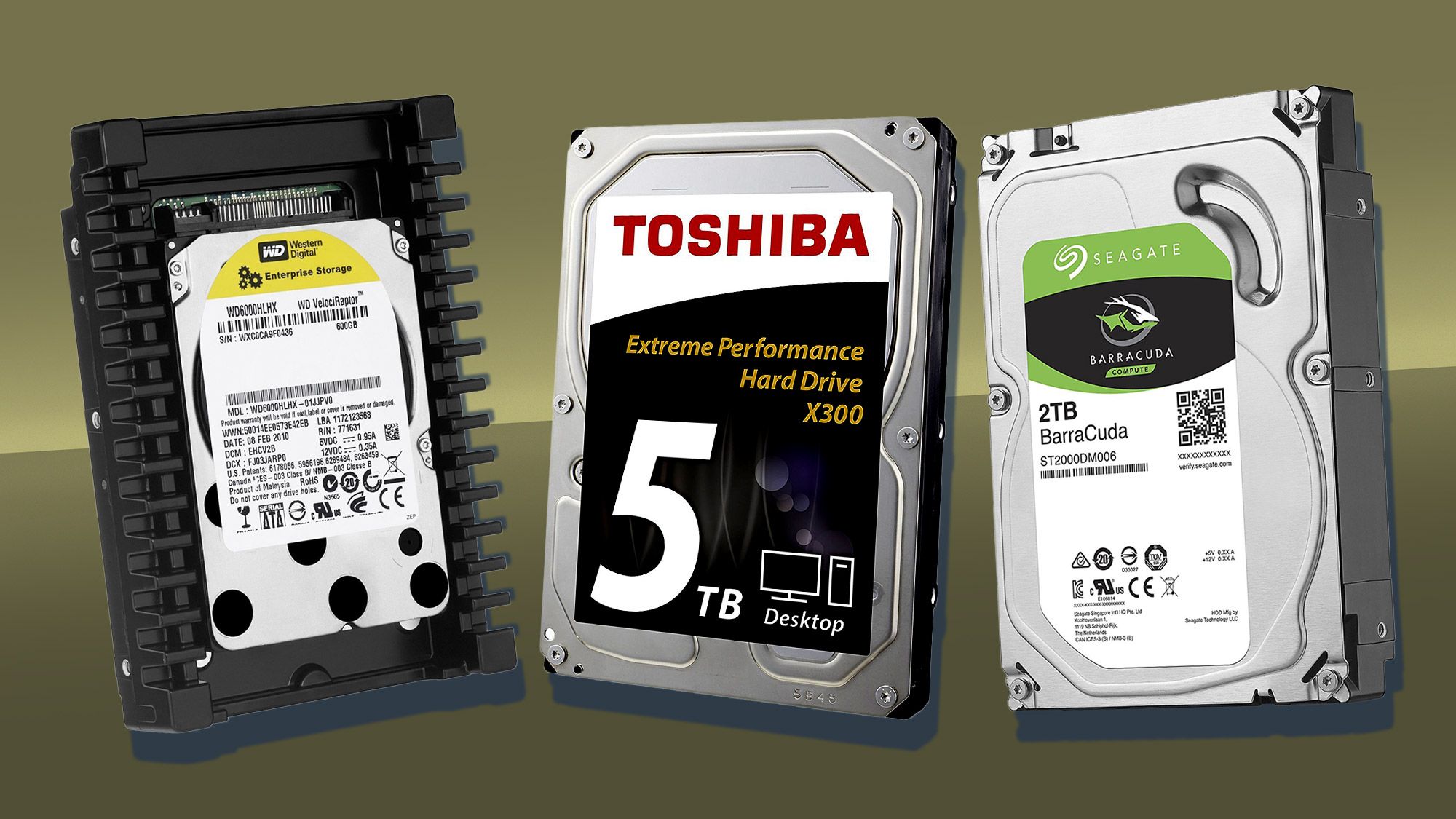
Efficiency Through Automation: The Philippine Model
A critical component of Toshiba’s $380 million investment is the modernization of its production facilities. The company is not simply adding more workers; it is fundamentally redesigning the manufacturing process through the integration of automation in inspection and cleanroom operations.
By deploying robotics and AI-driven quality control, Toshiba expects to reduce additional staffing requirements by approximately 40% for the expanded capacity. Beyond labor savings, this automation is projected to significantly improve manufacturing yields—the percentage of produced drives that pass quality control—which is essential for maintaining margins in the high-volume, low-margin world of mass-market storage.
Industry Implications and Competitive Landscape
The implications of this shift are profound for the broader tech industry. Western Digital is mirroring this sense of urgency with a $1 billion investment in Japan, focused on research, development, and deeper cooperation with academic institutions. This suggests that the "Storage War" is no longer just about volume; it is about who can achieve the next breakthrough in magnetic recording technology (such as Heat-Assisted Magnetic Recording, or HAMR).
For the end-user—ranging from cloud providers like AWS and Azure to private enterprises managing proprietary AI models—this investment cycle offers a glimmer of stability. The sustained investment in HDD technology ensures that the cost of storage will continue to decline, or at the very least, remain predictable, even as data generation grows exponentially.
Furthermore, the shift toward higher-capacity drives (65TB and 100TB) will change the architecture of data centers. Higher density means fewer drives are required to reach the same storage targets, which in turn reduces the energy consumption and cooling requirements—a key metric for companies aiming to meet aggressive sustainability goals.
The Road Ahead: Balancing Ambition and Execution
Toshiba’s primary challenge is not the lack of demand, but the speed of execution. Capturing the AI-driven market requires a perfect alignment of component supply, manufacturing efficiency, and technological innovation. With its 30% market share target, Toshiba is effectively telling its rivals that it is willing to aggressively compete for the crown of the high-capacity storage segment.
As the AI bubble matures into a long-term utility, the companies that provide the "physical infrastructure" for that intelligence—the drives that hold the vast, complex histories of our digital world—will be the ones that define the next decade of computing. Toshiba’s $380 million move is a clear signal that, in the age of the algorithm, the humble spinning platter remains an indispensable piece of the puzzle.
Whether through its commitment to the Philippines or its long-term R&D in 100TB drives, Toshiba is banking on a future where the sheer volume of human and machine-generated data continues to outpace the capacity of modern storage. In this race, the hard drive is no longer an aging legacy technology; it is the bedrock of the future.