In the world of mechanical keyboards, the divide between the crisp, binary precision of digital switches and the fluid, multidirectional control of analog joysticks has long been considered an impassable chasm. For decades, PC gamers have been forced to choose between the reliability of WASD movement and the intuitive, 360-degree input of gamepads. However, a clever innovation emerging from the 3D-printing community is threatening to dissolve this barrier entirely.
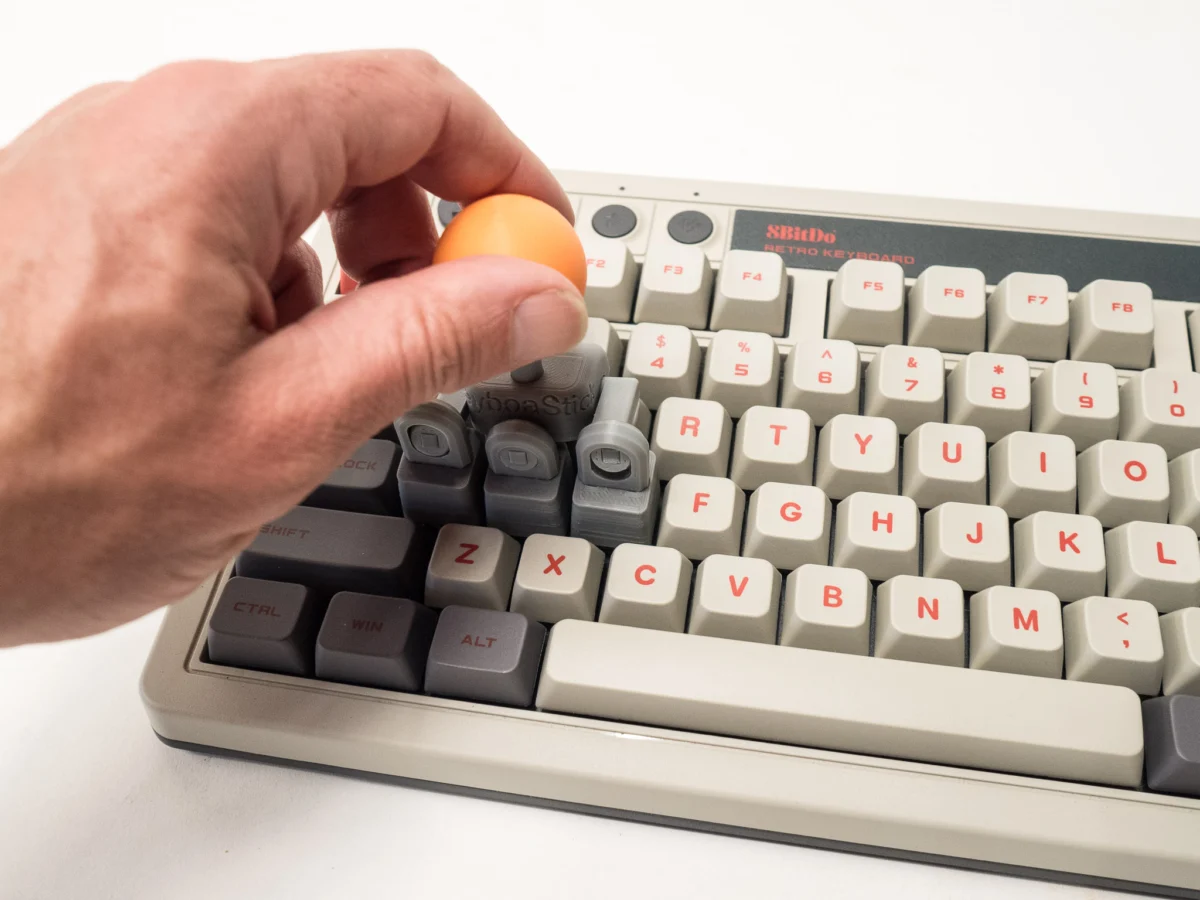
The KeyboaStick, designed by Korean maker FunOrNothing, is an ingenious 3D-printed attachment that transforms a standard set of WASD mechanical switches into a functional, articulated mini-joystick. By leveraging the mechanical force of existing keyboard switches, this project provides an affordable, DIY bridge for gamers who crave the precision of an analog stick without sacrificing the aesthetic or functional benefits of a mechanical keyboard.
Main Facts: What is the KeyboaStick?
At its core, the KeyboaStick is a modular, 3D-printable assembly designed to be mounted directly onto a standard mechanical keyboard. It replaces the traditional WASD keycaps with a specialized framework that converts lateral pressure into vertical actuations of the underlying mechanical switches.
The project is highly accessible, with a price point ranging from $0 (for those who print their own files) to roughly $17 (for pre-printed kits). The design is notable for its "forgiving" geometry; the print-in-place joints are engineered to function even on entry-level 3D printers that might lack the extreme calibration required for more complex mechanical assemblies.
Key Features:
- Universal Compatibility: Designed primarily for the WASD cluster, though the creator has expanded the ecosystem to include various key configurations.
- Print-in-Place Engineering: The reliance on articulated linkages means that most of the assembly is completed during the printing process, minimizing the need for complex hardware or assembly tools.
- Customizable Performance: From the standard entry-level model to the "Pro" version, users can choose between different levels of resistance and responsiveness.
Chronology: From Concept to Community Phenomenon
The journey of the KeyboaStick reflects the rapid, decentralized nature of modern open-source hardware development.
The Inception Phase
FunOrNothing first conceptualized the device as a way to solve a specific ergonomic frustration: the rigid, four-directional limitation of WASD movement in platformers and racing games. By late 2024 and early 2025, the initial prototypes began circulating on platforms like MakerWorld. The design was praised for its elegance, specifically how it utilized the existing keyboard switches to register movement, effectively turning a keyboard into a hybrid controller.
The Rise and the "Clones"
As the design gained traction on social media and gaming forums, its popularity unfortunately attracted the attention of less-than-scrupulous e-commerce sellers. Because the files were released to the public, many unauthorized vendors began mass-producing the prints and selling them on marketplaces like Amazon and AliExpress without attribution or compensation to the creator. This forced a pivot in the project’s distribution strategy.
The Official Collaboration
To combat the proliferation of low-quality knockoffs, FunOrNothing partnered with RadianLab. This collaboration solidified the supply chain, allowing users who lack 3D printers to purchase high-quality, factory-tested, and optimized prints directly. This move not only stabilized the quality of the product but also ensured that the original designer received support for their continued development of the "Pro" and "Arrow" iterations of the stick.

Supporting Data: Engineering and Usability
The KeyboaStick is not merely a gimmick; it is a study in minimalist mechanical engineering. For those interested in the technical viability of the device, several factors contribute to its success in real-world scenarios.
Calibration and Tolerance
A common failure point in 3D-printed hinges is "friction welding" or, conversely, excessive wobble. The KeyboaStick avoids this by utilizing a clearance-heavy design. Even on older machines with loose tolerances, the parts fit together with enough slack to function reliably.
Performance Metrics
In testing environments—such as playing Sonic the Hedgehog 2 or other high-twitch platformers—the KeyboaStick proves to be surprisingly capable. While there is a slight "stickiness" inherent in 3D-printed linkages (especially when compared to high-end industrial potentiometers), the input lag is effectively zero because it is physically tied to the mechanical switches of the keyboard.
| Metric | Performance Level |
|---|---|
| Response Time | Instant (Direct Switch Actuation) |
| Ease of Print | High (Print-in-place) |
| Durability | Moderate (Requires periodic maintenance) |
| Ergonomic Comfort | High (Reduces finger fatigue) |
Note: While the device is excellent for casual play, competitive e-sports players may still prefer high-polling-rate analog hall-effect controllers.
Official Responses and Creator Philosophy
FunOrNothing has remained transparent about the limitations of the device. In various community posts on Discord and MakerWorld, the designer has emphasized that the KeyboaStick is an augmentation, not a complete replacement for a high-end gamepad.
"The goal," as stated in community discussions, "was to make a boring keyboard fun, and a fun keyboard awesome." By keeping the files accessible, the creator has fostered a culture of iteration. The community has since contributed their own remixes, including alternative colorways, custom keycap tops, and even modified base plates for different keyboard brands like 8BitDo, Logitech, and Keychron.
The partnership with RadianLab was a significant turning point. By offering a "Pro" version, they addressed the primary criticism of the original design: the lack of a premium, polished feel. The Pro version utilizes tighter tolerances and more durable materials, addressing the very issues that users encountered when printing the early versions on home machines.
Implications: The Future of Modular Gaming Input
The KeyboaStick represents a larger shift in the gaming hardware industry: the democratization of peripheral design.

1. Customization vs. Standardization
For years, gaming peripherals have been standardized by a few major manufacturers. The KeyboaStick breaks this mold, suggesting a future where users don’t buy a "joystick" or a "keyboard," but rather a set of modular components that can be customized to the specific genre of game being played. If a user is playing a racing game, they swap in a joystick module. If they move to an RPG, they swap back to traditional keys.
2. The Impact of Intellectual Property in Open Source
The "stolen" designs mentioned in the article highlight the ongoing tension in the 3D-printing community. While the open-source nature of the KeyboaStick allowed it to flourish, it also exposed the fragility of digital goods. This has forced creators to move toward a model where they offer high-quality "official" prints as a service, thereby adding value beyond the digital file itself.
3. Sustainability and Repairability
Unlike a standard plastic controller which is often discarded when a single potentiometer fails, the KeyboaStick is inherently modular. If a linkage snaps, the user simply prints a replacement part. This contributes to a "circular economy" within the gaming hobby, reducing electronic waste and empowering users to maintain their own hardware.
Conclusion: Is the KeyboaStick Right for You?
The KeyboaStick is a testament to the power of community-driven design. It is not perfect—users may experience the occasional snag in movement, and those with "heavy hands" might find the 3D-printed joints susceptible to wear over time. However, for the price of a few dollars in filament or a small investment in a RadianLab print, it offers a transformative experience for mechanical keyboard enthusiasts.
Whether you are looking to relive the glory days of retro platformers or simply want to add a layer of tactile excitement to your workstation, the KeyboaStick stands as one of the most innovative, accessible, and fun projects in the current 3D-printing landscape. As the ecosystem continues to grow, we can expect to see even more refined iterations that further blur the lines between digital and analog input.
Resources:
- Files: KeyboaStick on Makerworld
- Official Prints: RadianLab Etsy Store
- Community Support: Makezine Discord Server