NEW DELHI / KURUKSHETRA — Nationwide outrage over systemic irregularities in national recruitment and eligibility examinations reached a boiling point on Saturday, June 6, 2026. Mass demonstrations erupted in both the national capital and Haryana, with opposition parties demanding the immediate resignation of Union Education Minister Dharmendra Pradhan.
The protests, driven by mounting anger over the National Eligibility cum Entrance Test (NEET) paper leak and alleged discrepancies in Central Board of Secondary Education (CBSE) examinations, highlighted not only the growing discontent among India’s youth but also a stark divergence in how law enforcement agencies managed public dissent in different states. Furthermore, the day’s events exposed simmering rivalries within the opposition alliance as parties vied for leadership of the student-led movement.
1. Main Facts of the June 6 Demonstrations
The coordinated demonstrations on Saturday focused heavily on the integrity of India’s national examination infrastructure, which critics argue has been compromised by systemic corruption and administrative negligence. The primary demands of the protesters included:
- The immediate resignation of Union Education Minister Dharmendra Pradhan.
- A comprehensive, independent investigation into the NEET paper leak.
- Accountability for recurring discrepancies in CBSE-administered tests.
- Structural reforms to dismantle the influential "paper-leak mafias" allegedly operating under political patronage.
While the core grievances remained consistent across venues, the administrative and security responses to the protests varied dramatically between New Delhi and Kurukshetra, Haryana.
The Delhi Demonstration
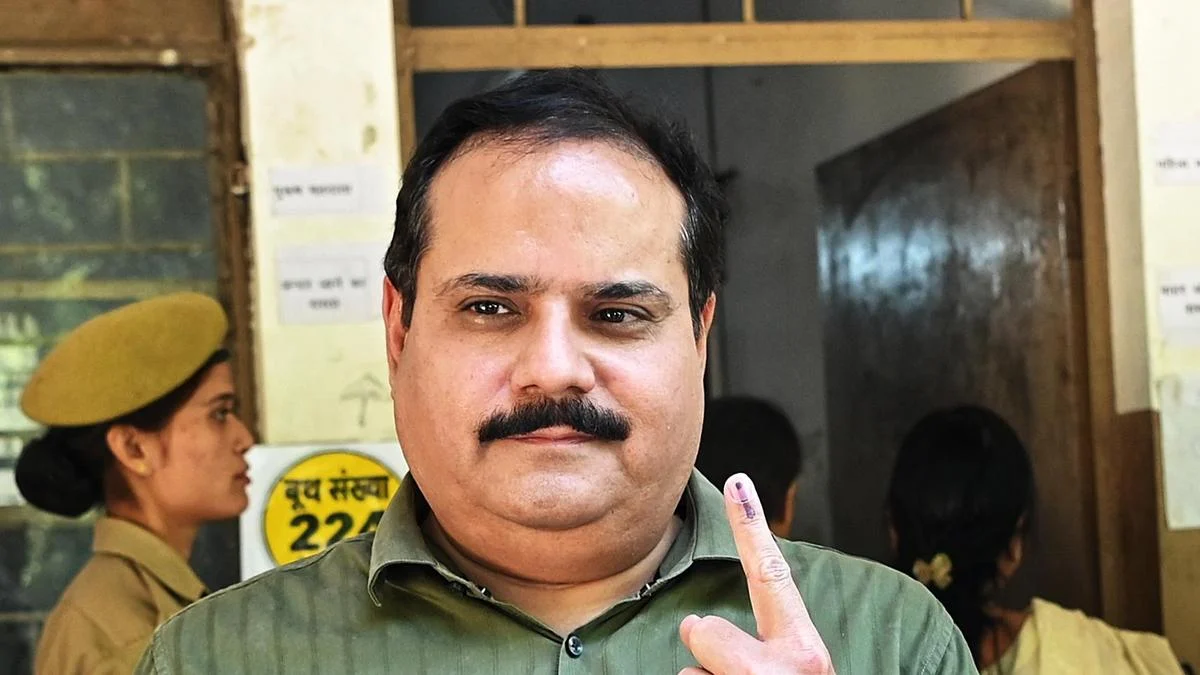
In the national capital, activists belonging to the Cockroach Janata Party (CJP) organized a localized demonstration. Security forces in New Delhi adopted a highly restrained, non-confrontational posture, allowing the demonstration to proceed without physical intervention or the use of crowd-control measures.
The Kurukshetra Clash
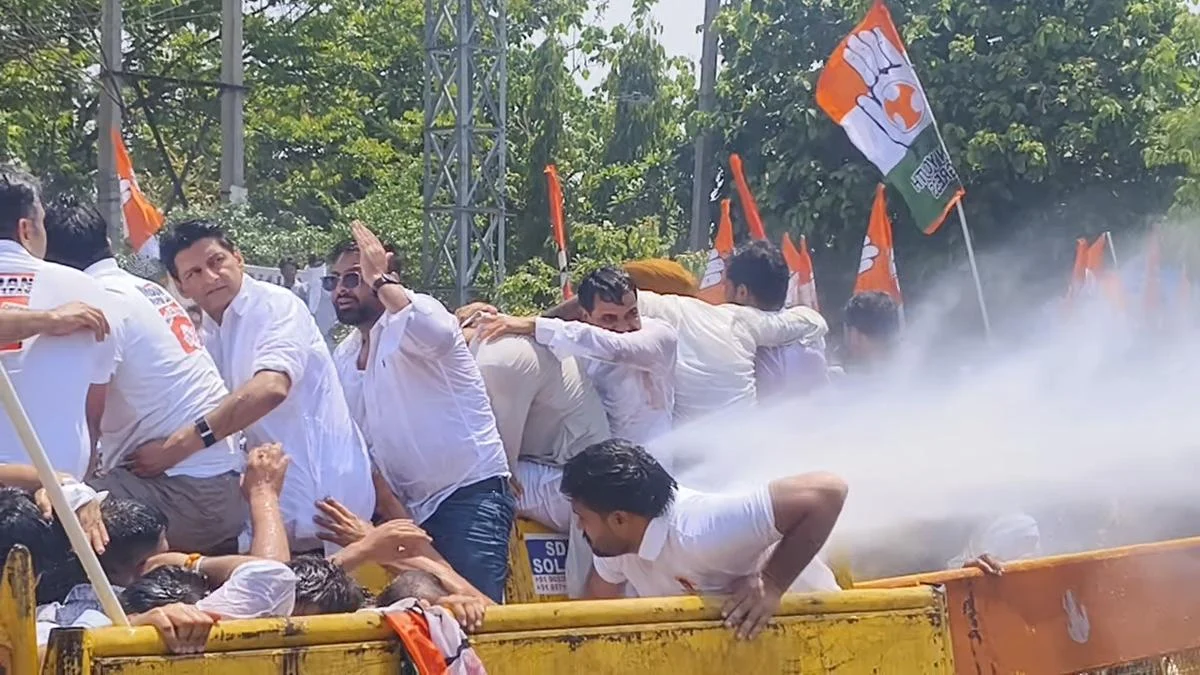
In sharp contrast, the situation in Kurukshetra, Haryana, escalated into physical confrontation. Led by senior Congress leader and Lok Sabha Member of Parliament (MP) Deepender Hooda, thousands of Youth Congress and National Students’ Union of India (NSUI) cadre marched toward the residence of Haryana Chief Minister Nayab Singh Saini. To prevent the protesters from breaching security cordons and executing a planned gherao (encirclement) of the Chief Minister’s residence, Haryana Police deployed heavy barricading and eventually resorted to high-pressure water cannons to forcibly disperse the crowd.

2. Chronology of Events (June 6, 2026)
The events of June 6 unfolded across multiple physical and digital battlegrounds, reflecting a highly coordinated push by opposition forces alongside sharp political sparring online.
+----------------------------------------------------------------------------+
|                       TIMELINE OF EVENTS: JUNE 6, 2026                     |
+----------------------------------------------------------------------------+
| 09:00 AM | Security forces establish multi-layer barricades in Delhi      |
|          | and Kurukshetra ahead of scheduled protests.                    |
+----------+-----------------------------------------------------------------+
| 11:00 AM | CJP activists gather in New Delhi; security personnel maintain |
|          | a watchful but restrained and non-interventive posture.        |
+----------+-----------------------------------------------------------------+
| 12:30 PM | Congress MP Deepender Hooda mobilizes Youth Congress and NSUI    |
|          | activists in Kurukshetra, launching a march toward CM's house.  |
+----------+-----------------------------------------------------------------+
| 01:15 PM | Online friction erupts as Congress' Srivatsa Y.B. posts on X,   |
|          | mocking the scale of the Delhi protest linked to AAP.           |
+----------+-----------------------------------------------------------------+
| 02:00 PM | Kurukshetra protesters reach the primary police blockade;       |
|          | brief scuffles break out as activists try to scale barricades.  |
+----------+-----------------------------------------------------------------+
| 02:30 PM | Haryana Police deploy high-pressure water cannons to disperse   |
|          | the marching Congress activists in Kurukshetra.                 |
+----------+-----------------------------------------------------------------+
| 03:30 PM | Deepender Hooda delivers a defiant speech, announcing the next  |
|          | major protest phase in Panipat on June 12, 2026.                |
+----------------------------------------------------------------------------+
Morning Mobilization and Security Setup
By early Saturday morning, intelligence reports of planned marches prompted local administrations in Delhi and Haryana to fortify key administrative zones. In Kurukshetra, multi-layered iron barricades and riot-control vehicles were positioned along the arterial roads leading to Chief Minister Nayab Singh Saini’s official residence.
Midday Confrontation in Kurukshetra
By noon, a massive crowd of Youth Congress workers, led by MP Deepender Hooda, gathered in Kurukshetra. Holding banners, shouting anti-government slogans, and demanding the ouster of Dharmendra Pradhan, the marchers moved systematically toward the Chief Minister’s residence. Upon reaching the primary police blockade, the crowd attempted to scale the barriers. After several warnings went unheeded, law enforcement personnel deployed high-pressure water cannons, successfully halting the march and scattering the frontline demonstrators.
The Quiet Assembly in Delhi
Simultaneously, the CJP-led protest in New Delhi proceeded under vastly different circumstances. The turnout was significantly smaller, and the atmosphere remained subdued. Security personnel observed from a distance, choosing not to deploy physical force or crowd-control measures, which later became a point of intense political discussion.
3. Supporting Data and Political Context
The protests on June 6 are part of a broader, compounding crisis surrounding national-level examinations in India. Over the last several years, repeated leaks of question papers, technical glitches, and grace-mark controversies have undermined public trust in the National Testing Agency (NTA) and the CBSE.
The Scale of Youth Discontent
According to student organizations, the integrity of competitive exams affects tens of millions of aspirants annually. The NEET-UG exam alone sees over two million applicants competing for limited medical seats, making any leak or irregularity a high-stakes crisis for middle- and lower-income families who invest heavily in private coaching.

+----------------------------------------------------------------------+
|             ESTIMATED SCALE OF NATIONAL EXAMINATIONS AFFECTED        |
+----------------------------------------------------------------------+
| Examination Metric               | Approximate Number of Aspirants   |
+----------------------------------+-----------------------------------+
| NEET-UG Annual Registrations     | 2.4 Million                       |
| CBSE Board/Recruitment Exams     | 3.5 Million (Combined)            |
| Total Nationwide Protest Venues  | 50+ (Organized by NSUI/Congress)  |
+----------------------------------------------------------------------+
Socio-Economic Pressures in Haryana
During his address to the agitating crowds in Kurukshetra, MP Deepender Hooda contextualized the student protests within Haryana’s broader socio-economic challenges. Hooda asserted that the state is currently grappling with some of the highest rates of youth unemployment and substance abuse in the country.
Opposition leaders argue that when public recruitment exams are repeatedly cancelled or compromised by "paper-leak mafias," the state’s youth are pushed further into economic despair. Hooda claimed that under the Bharatiya Janata Party (BJP) administration’s 12-year tenure, paper leaks have become structural rather than accidental, flourishing due to a lack of administrative accountability and political patronage.
4. Official Responses and Inter-Party Friction
The events of June 6 triggered sharp responses from both the ruling establishment and opposition factions, revealing deep-seated political divisions.
Congress Demands Structural Accountability
Speaking from the protest site in Kurukshetra, Deepender Hooda made it clear that the Congress Party intends to escalate the issue to the highest legislative levels.
"We will fight the battle from the streets to the Parliament until the youth of Haryana and the country receive justice," Hooda declared. He further announced that the party’s mobilization would continue, with the next major demonstration scheduled to take place in Panipat on June 12, 2026.
Inter-Party Friction Within the Opposition
The protests also exposed strategic rivalries within the broader opposition bloc, specifically between the Indian National Congress (INC) and the Aam Aadmi Party (AAP).

Srivatsa Y. B., a close aide to the Leader of the Opposition in the Lok Sabha, Rahul Gandhi, took to the social media platform X (formerly Twitter) to take a sharp, veiled swipe at AAP, suggesting they were the quiet force behind the low-key CJP protest in Delhi. Pointing to the scale of the Congress-led mobilization versus other parties, Srivatsa wrote:
"…National Student Union of India (the student wing of Congress) has organised 50 massive protests across India. AAP’s first one is today with 100 people sipping cold coffee."
This public friction highlights an ongoing struggle for dominance within the opposition alliance, as Congress seeks to position itself as the primary, aggressive champion of youth and student rights, while portraying rival opposition factions as passive or disconnected.
Government and Police Stance
While Union Education Minister Dharmendra Pradhan has previously defended the integrity of national testing bodies and promised strict action against any malpractices, the ministry remained quiet on Saturday regarding the direct demands for his resignation.
In Haryana, local administrative officials defended the police action in Kurukshetra, maintaining that the use of water cannons was a necessary, non-lethal measure to maintain public order and protect public property after protesters repeatedly ignored orders to halt their march on the Chief Minister’s residence.
5. Strategic Implications for National Politics
The escalating protests and the government’s contrasting responses carry significant long-term political and administrative implications.

1. Upcoming Parliamentary Sessions
The resolve expressed by Congress leaders like Deepender Hooda indicates that the examination scandals will be a central point of conflict in the upcoming sessions of Parliament. The opposition is highly likely to coordinate joint walkouts, demand dedicated debates, and push for a joint parliamentary committee (JPC) to investigate the National Testing Agency’s operational protocols.
2. Haryana State Assembly Elections
With Haryana heading toward critical state assembly elections, the issues of unemployment, drug abuse, and recruitment paper leaks are being heavily leveraged by the Congress to tap into youth anger. By linking the national NEET crisis to localized recruitment failures, the opposition aims to build a powerful anti-incumbency narrative against Chief Minister Nayab Singh Saini’s administration.
3. Judicial and Administrative Reforms
The persistent public pressure is putting immense strain on the Union Government to enact sweeping administrative reforms. Observers suggest that merely replacing personnel within testing agencies may no longer satisfy the public or the opposition. Instead, the government may be forced to introduce stringent new legislation targeting organized paper-leak syndicates, implement advanced biometric security measures, and decentralize high-stakes testing to prevent single-point failures in the national examination system.