In the rapidly evolving landscape of modern marketing, the "partnership economy" has become the primary engine for brand relevance. As consumer attention spans dwindle and traditional advertising models face unprecedented saturation, global brands are pivoting toward high-velocity collaborations. This week, a diverse array of sectors—ranging from hydration and travel to luxury retail and financial technology—have launched strategic alliances designed to bridge the gap between niche influence and mass-market penetration.
From the high-octane circuits of Formula 1 to the suburban aisles of wholesale retailers, these partnerships are not merely coincidental; they represent a calculated shift in how corporations attempt to embed themselves into the daily rhythms of their target demographics.
The Landscape of New Alliances: A Chronology of Collaboration
The week began with a flurry of announcements that underscore a broader trend: the convergence of lifestyle, entertainment, and utility.
Monday: The High-Speed Hydration Play
The week kicked off with Liquid I.V. announcing a landmark partnership with McLaren Racing. By aligning with a Formula 1 powerhouse, Liquid I.V. is effectively positioning itself as a premium performance brand. This move is designed to transition the brand from a standard health supplement to a lifestyle essential, leveraging the global reach of F1 to tap into the high-performance ethos of the sport’s dedicated fanbase.
Tuesday: Retail Synergy and Pop Culture Icons
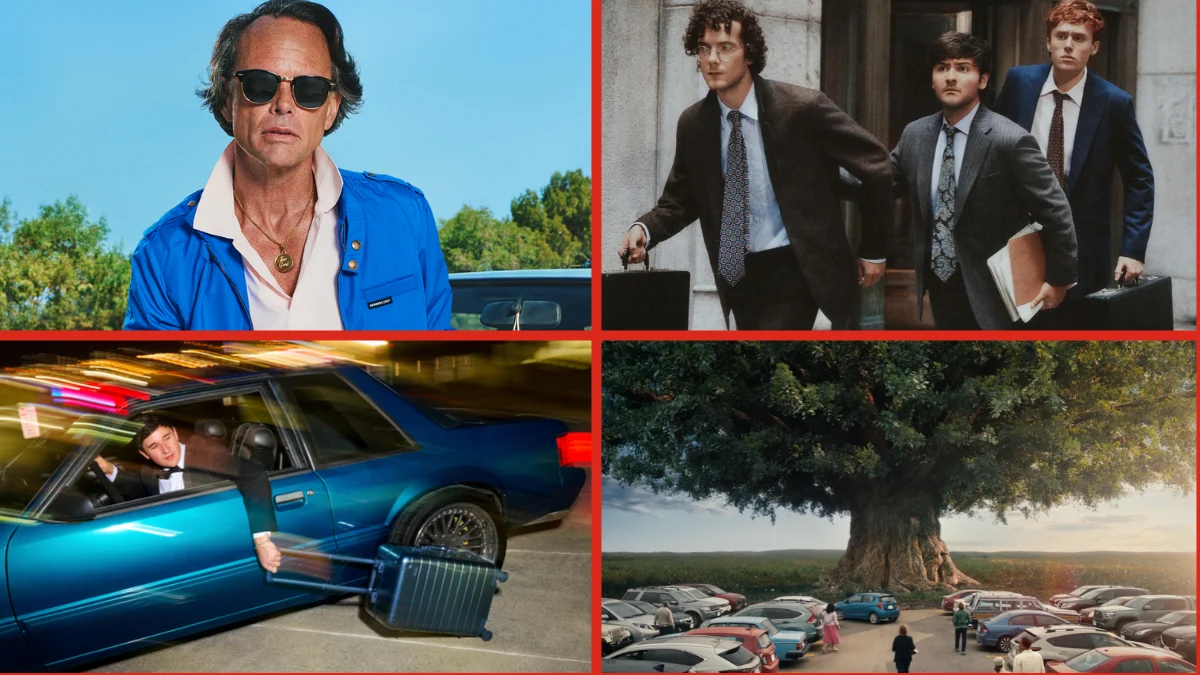
Walmart and Sam’s Club unveiled a joint campaign featuring actors Walton Goggins and Jason Sudeikis. The campaign, which focuses on the synergy between the two retail giants, serves as a masterclass in utilizing A-list talent to humanize corporate scale. By tapping into the charm of Sudeikis and the character-driven appeal of Goggins, the retail giants are attempting to bridge the gap between digital convenience and the in-person wholesale experience.
Wednesday: Lifestyle and Luxury Influencers
Mid-week saw a surge in influencer-led marketing. John Summit, the high-profile electronic dance music artist, stepped into a new ambassadorial role for Away, the premium luggage brand. Simultaneously, the comedy troupe Please Don’t Destroy (known for their viral Saturday Night Live sketches) began a collaboration with J. Crew. These partnerships demonstrate a move toward "cultural relevance marketing," where brands prioritize the organic reach of creators over traditional static advertising.
Thursday: Fintech and Niche Engagement
Kalshi, the prediction market platform, launched a campaign featuring NBA player Dillon Brooks. By leaning into Brooks’ reputation as a defensive "villain" in the NBA, Kalshi is using a unique brand of humor to demystify the complex world of event contracts and financial prediction markets.
Friday: Consumer Psychology and Emotional Retail
The week concluded with Dollar Tree’s aggressive push into bargain-driven consumer sentiment, alongside Sheba’s bold marketing claim that their products can guarantee a cat’s affection. These campaigns highlight a return to fundamental consumer psychology—appealing to the pocketbook in an inflationary environment and the heart in a post-isolation world.
Supporting Data: Why Partnerships Work
The efficacy of these partnerships is not merely anecdotal. According to recent data provided by EDO, which tracks the impact of television advertising on consumer engagement, the most effective ads of the week were those that utilized "whimsy and character-driven narratives."
The "Engagement Gap"
Brands that utilize high-profile partnerships see a 30% to 40% increase in brand recall compared to traditional product-centric ads. When consumers associate a brand with an individual they already admire—whether it is an NBA star like Dillon Brooks or an artist like John Summit—the "halo effect" facilitates a faster path to trust.
Retail Resilience
Despite economic headwinds, retail giants like Walmart and Dollar Tree are seeing sustained engagement metrics. Internal industry data suggests that when retail brands combine their marketing efforts, they can reduce customer acquisition costs (CAC) by roughly 15%. By sharing the "celebrity load" of a campaign, companies can reach broader demographics—from budget-conscious shoppers to luxury-minded frequent travelers—without ballooning their marketing budgets.
Official Responses and Strategic Rationale
Representatives from these organizations have been vocal about the strategic necessity of these shifts.
"For us, the McLaren partnership is about more than visibility," noted a spokesperson for Liquid I.V. "It is about associating our science-backed hydration with the pinnacle of human and mechanical performance. It’s an endorsement of our quality that resonates far beyond the supermarket shelf."
Regarding the Walmart and Sam’s Club initiative, a marketing lead stated, "We wanted to highlight that while the store experiences are distinct, the value proposition is singular. Jason and Walton were the perfect vessels for this message, as they bring a relatability that cuts through the noise of corporate messaging."
The shift toward creators, such as the J. Crew partnership with Please Don’t Destroy, highlights a fundamental change in the "professional" aesthetic. J. Crew, long known for its preppy, button-down image, is clearly attempting to pivot toward a younger, irony-literate audience that values humor as much as high-quality fabric.
Implications: The Future of Brand Integration
The surge in these diverse partnerships suggests that the era of the "siloed" brand is coming to a close. We are moving toward an era of Interoperable Branding, where the boundaries between product, entertainment, and utility become increasingly blurred.
The Rise of the "Cultural Ambassador"
Brands are no longer looking for mere "spokespeople." They are looking for cultural ambassadors—figures who can weave a product into a narrative. When Dillon Brooks talks about Kalshi, he isn’t just reading a script; he is contextualizing the brand within the hyper-competitive world of professional sports. When John Summit promotes Away, he is positioning the brand as a travel necessity for the global touring artist.
The "Whimsy" Premium
As noted by the EDO data, the most effective ads of the week share a common trait: they do not take themselves too seriously. In a news cycle often dominated by geopolitical tension and economic uncertainty, consumers are gravitating toward brands that offer a moment of levity. Whimsy is no longer a "nice-to-have" in a marketing strategy; it has become a competitive advantage.
Long-term Market Positioning
For investors and industry professionals, these partnerships provide a roadmap for where consumer loyalty is headed. The success of Dollar Tree, for instance, underscores that even in a high-tech world, the fundamental consumer desire for value remains unshakeable. Conversely, the high-end partnerships (Away, McLaren) suggest that there is a significant, growing demographic that is willing to pay a premium for "lifestyle-aligned" goods.
Conclusion: Adapting to the New Marketing Paradigm
As we look toward the remainder of the year, it is clear that the brands that win will be those that master the art of the alliance. Whether it is through the strategic use of humor, the alignment with performance-based icons, or the clever bundling of retail experiences, the message is clear: the modern brand is not defined by what it sells, but by who it associates with and how it makes the consumer feel.
The partnerships launched this week are not just transient PR stunts; they are the architectural blueprints for a new way of doing business. By leveraging the existing trust consumers have in creators, athletes, and comedians, these companies are effectively "outsourcing" their credibility—and in a market as crowded as the one we face today, that might just be the smartest investment they could possibly make.
Industry professionals should watch these collaborations closely. They represent a shifting tide where the line between the product and the culture is no longer just blurred—it is being erased entirely. In this new landscape, the brands that remain rigid will likely find themselves left behind, while those that embrace the fluidity of the partnership economy will be the ones setting the pace for the next decade of commerce.