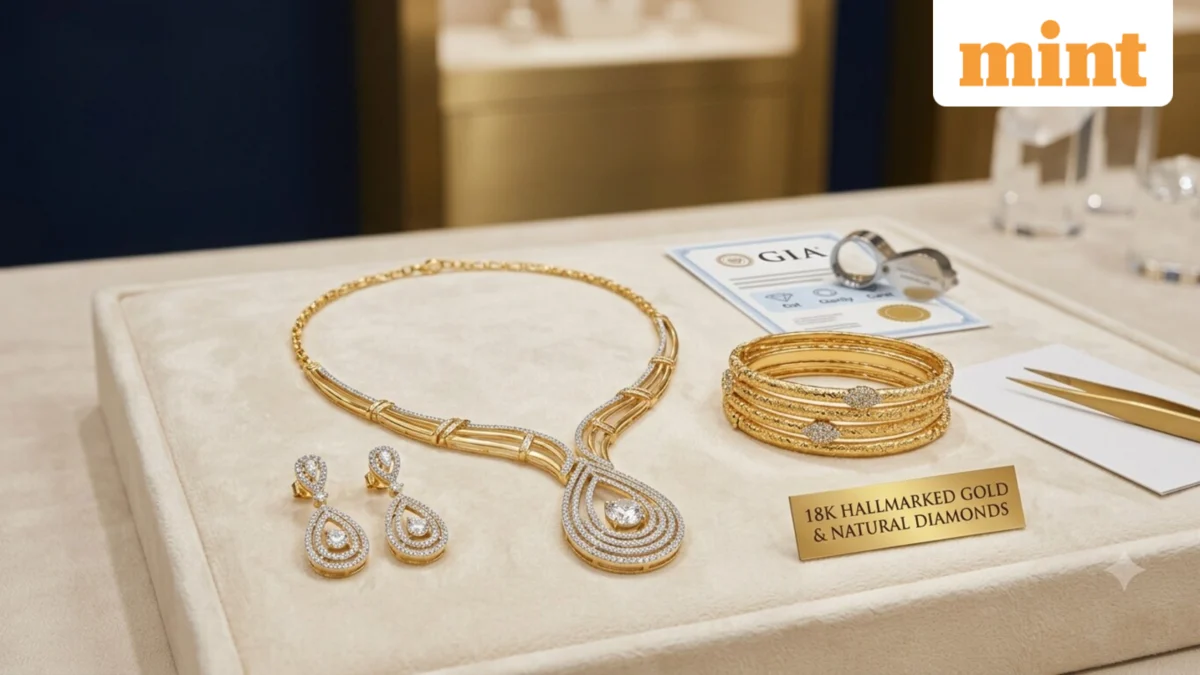
Dhanteras, the auspicious precursor to Diwali, holds a profound cultural and economic significance in India. Traditionally viewed as an opportune time to invite prosperity into the home, the festival triggers a massive surge in the demand for precious metals and ornate jewellery. For millions of households, the purchase of gold, diamonds, and traditional heirlooms like Polki and Jadau is not merely a transaction; it is a ritualistic investment in wealth and legacy.
However, as the retail landscape evolves and jewellery designs become increasingly complex, the sophistication required to make an informed purchase has reached new heights. In an era where "hallmarking" is often confused with "certification," consumers must navigate a minefield of terminology to ensure they are getting exactly what they pay for. This guide provides a deep dive into the nuances of jewellery procurement, offering the clarity needed to shop with confidence this festive season.
1. The Core Distinction: Gold Hallmark vs. Diamond Certification
One of the most prevalent misconceptions among even seasoned buyers is the belief that a BIS (Bureau of Indian Standards) hallmark acts as a blanket guarantee for the entire piece of jewellery. It is vital to clarify: A BIS hallmark does not certify diamonds or gemstones.
The BIS Hallmark: The Gold Standard
The BIS hallmark is a certification of the metallic content. When you purchase hallmarked gold, the stamp confirms:
- Purity of the Metal: It verifies the exact karatage of the gold used in the ornament.
- Regulatory Compliance: It ensures the item meets the stringent standards set by the Bureau of Indian Standards.
- Authenticity: It validates that the gold is not substandard or adulterated.
The Diamond Certificate: The Quality Assurance
Conversely, a diamond certificate—often called a grading report—is an entirely different document. It provides an objective, scientific assessment of the stones themselves, independent of the gold setting. A credible diamond report evaluates:
- The Four Cs: Cut, Color, Clarity, and Carat weight.
- Provenance: Whether the stone is natural or laboratory-grown.
- Technical Specs: Fluorescence, measurements, and symmetry.
Consumer Takeaway: If you are buying a diamond-studded gold ring, you should rightfully demand two distinct pieces of documentation: a BIS HUID (Hallmark Unique Identification) for the gold and a recognized laboratory certificate for the diamonds.
2. Navigating the Digital Verification of Gold
In recent years, the Indian government has streamlined the verification process for gold, making it easier than ever for consumers to verify their purchases in real-time.
The Three Pillars of a BIS Hallmark
When inspecting a piece of gold jewellery, look for the following three laser-engraved markings:
- The BIS Logo: The triangular mark indicating that the item was hallmarked at a BIS-recognized centre.
- Purity/Fineness: For 22-karat gold, look for "22K916," indicating 916 parts of gold per 1,000. For 18-karat gold, you will see "18K750."
- The HUID: The six-digit alphanumeric Hallmark Unique Identification number. This is the most critical piece of data.
How to use the BIS Care App
The BIS Care app is the gold standard for consumer empowerment. By entering the HUID into the app’s "Verify HUID" feature, you can access the:
- Name and address of the jeweller.
- Assaying and Hallmarking Centre (AHC) details.
- The type of jewellery and the date of hallmarking.
If the details provided in the app do not match the item in your hand, it is a significant red flag. Never rely on verbal assurances; always cross-reference the physical marking with the digital record.
3. Diamond Quality: Beyond the Sparkle
Purchasing diamond jewellery requires a higher level of scrutiny than plain gold. Because diamonds vary wildly in value based on minute differences in clarity and color, documentation is non-negotiable.
Essential Components of a Diamond Report
Do not accept a generic "guarantee" from a shopkeeper. A professional diamond report must include:
- Diamond Identification Number: Often laser-inscribed on the girdle of the stone.
- Detailed Grading: Specifics on the cut (which dictates brilliance) and the clarity (the presence of inclusions).
- Fluorescence: A detail often overlooked, which can affect the appearance of a diamond under UV light.
- Laboratory Stamp: The document must bear the seal of a globally recognized authority.
The Debate: GIA vs. IGI
The market is currently dominated by two major grading houses:
- GIA (Gemological Institute of America): Widely considered the "gold standard" for grading. Their reports are prized for their extreme conservatism and rigorous international standards. For investment-grade diamonds, a GIA report is the preferred choice.
- IGI (International Gemological Institute): Highly prevalent in the retail sector due to their extensive network and prompt service. IGI is known for providing detailed reports that are easy for the average consumer to interpret.
When making a high-value purchase, ensure the laboratory is one of these two industry leaders. Always check the certificate’s website to confirm the report number matches the physical stone in the jewellery.
4. The Complexity of Polki and Jadau
Polki (uncut natural diamonds) and Jadau (the traditional technique of setting stones in gold) are prized for their regal, vintage aesthetic. However, because these stones are not "cut" to the same standards as brilliant-cut diamonds, they are often prone to misrepresentation.
The Five-Point Checklist for Traditional Jewellery:
- Stone Identification: Explicitly ask: "Is this Polki, or is it a glass-filled imitation?" Ensure the distinction is written on the invoice.
- Quality Assessment: Since Polki is uncut, grading is more subjective. Ask the jeweller for the basis of the stone’s valuation.
- Disclosure of Treatments: Many gemstones are heat-treated or oiled to improve color and clarity. Ethical jewellers must disclose these treatments.
- The Price Breakdown: Unlike standardized gold coins, Polki jewellery involves significant "making charges" (labour). Request a clear breakdown of the cost of the gold, the cost of the stones, and the crafting fee.
- Written Documentation: Never leave the store without an itemized invoice that describes the materials used. If the piece is an heirloom-quality investment, request a detailed product description that can be used for future insurance appraisals.
5. Implications for the Modern Consumer
As we approach Dhanteras, the shift toward a more transparent, technology-driven jewellery market is evident. The government’s move to increase hallmarking fees and enforce mandatory HUID tagging is a direct response to consumer complaints regarding purity.
Economic Implications
For the consumer, this transparency translates into higher resale value. When you buy hallmarked, certified jewellery, you are ensuring that the asset remains liquid. If you choose to sell or exchange the piece in the future, a hallmarked item with accompanying diamond certification will fetch a significantly higher and more accurate market price compared to uncertified pieces.
The Regulatory Landscape
The Ministry of Consumer Affairs has been clear: protection of the consumer is the priority. The mandatory hallmarking order has effectively pushed smaller, unorganized players to either upgrade their standards or exit the market. This consolidation benefits the consumer by creating a more standardized retail environment.
Final Advice: The "Trust but Verify" Approach
While Dhanteras is a time of joy and tradition, it is also a time for financial prudence. The festive season often sees high-pressure sales tactics. Remember:
- Avoid rush purchases: Do your research before entering the showroom.
- Insist on the bill: An invoice is your primary legal protection.
- Understand the buy-back policy: Ask the retailer about their exchange and buy-back policies before committing to a purchase.
By viewing your jewellery purchase through the lens of a "consumer-investor," you ensure that the wealth you bring home this Dhanteras is not only beautiful but also authentic and secure. As the industry continues to professionalize, the power lies with the informed buyer who knows exactly what to ask for, how to verify it, and why it matters.