
By Editorial Staff
October 11, 2026
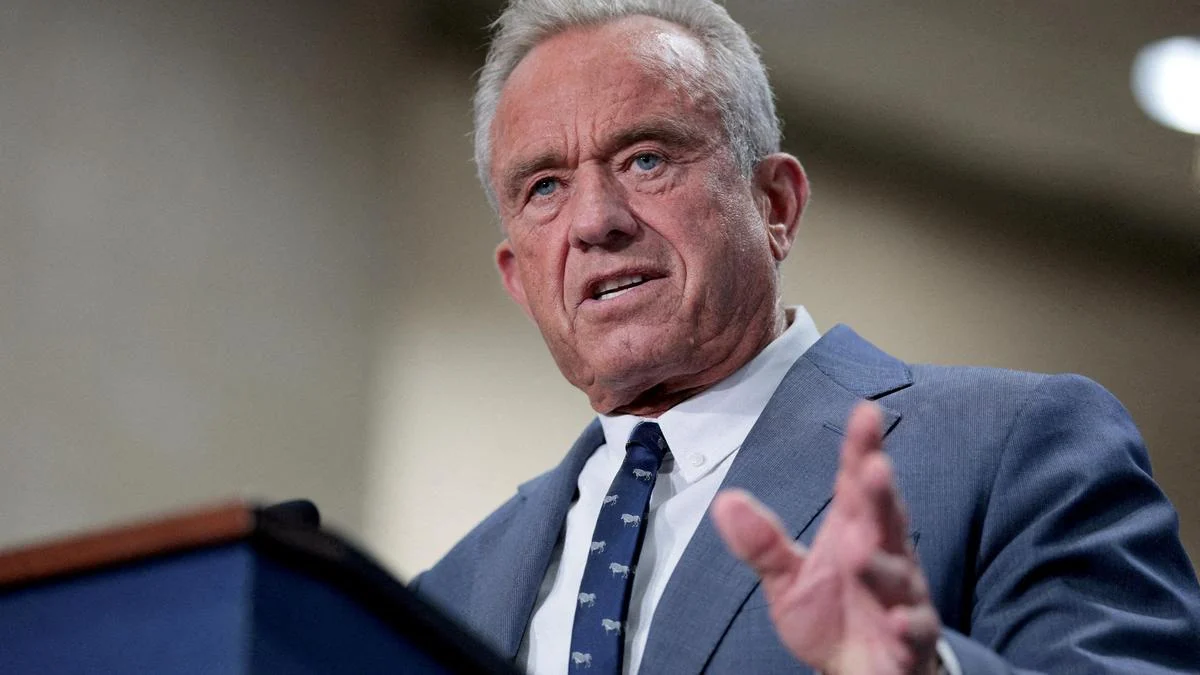
In a move that marks a tectonic shift in American public health policy, U.S. Health and Human Services (HHS) Secretary Robert F. Kennedy Jr. has launched a comprehensive, agency-wide initiative aimed at scrutinizing the safety profile of vaccines. The initiative, announced this past Thursday, seeks to institutionalize the study and documentation of health problems reported following immunization, formalizing a long-held agenda by a Secretary who rose to prominence as a vocal critic of the pharmaceutical industry and vaccine mandates.
The initiative represents the culmination of a broader strategy to reshape federal immunization oversight. Critics, including major medical associations, argue that this campaign risks undermining decades of settled science, while supporters characterize it as a necessary quest for transparency in a system they believe has been captured by corporate interests.
Main Facts: A New Era of Federal Scrutiny
The core of the new HHS strategy revolves around several key pillars designed to fundamentally change how the federal government monitors, reports, and validates vaccine safety.
The primary development is the opening of a dedicated clinic at the National Institutes of Health (NIH). As of Monday, this facility has begun the systematic treatment and study of patients who report adverse health outcomes following vaccination. This clinic serves as the centerpiece of a broader effort to provide a federal venue for claims that have historically been managed through clinical reporting systems.
Additionally, the Centers for Medicare & Medicaid Services (CMS) has introduced a proposal to financially incentivize physicians for reporting suspected injuries to the Vaccine Adverse Event Reporting System (VAERS). This, paired with a directive requiring electronic health records (EHR) to explicitly capture vaccine-related adverse events, signals a push to increase the volume of data flowing into federal safety systems.
These actions come against a backdrop of intense political and legal friction. President Donald Trump has frequently echoed Secretary Kennedy’s assertions, including the oft-repeated—and medically refuted—claim that American children receive up to 90 vaccine doses before the age of 18. Medical experts, including the American Academy of Pediatrics (AAP), maintain that childhood vaccines are rigorously studied in placebo-controlled, peer-reviewed trials and remain the gold standard for preventative medicine.
Chronology: From Activism to Institutional Power
To understand the current volatility in U.S. health policy, one must examine the timeline of Secretary Kennedy’s tenure and the rapid evolution of HHS priorities since his appointment.
- Pre-2026: Robert F. Kennedy Jr. establishes himself as a prominent figure in the anti-vaccine movement, founding organizations dedicated to questioning the safety and necessity of mandatory immunization schedules.
- Early 2026 (The Purge): Within his first months as HHS Secretary, Kennedy executed a significant restructuring of the Centers for Disease Control and Prevention’s (CDC) vaccine advisory committee. He terminated all 17 independent expert members, replacing them with a panel of professionals largely sympathetic to his skepticism of current vaccine protocols.
- January 2026 (The Revised Schedule): The CDC announced a radical departure from established guidelines, significantly reducing the recommended vaccine schedule. Universal recommendations for flu, rotavirus, hepatitis A, hepatitis B at birth, and certain forms of meningitis and RSV were removed or altered.
- March 2026 (The Judicial Intervention): A federal court issued a preliminary injunction blocking the implementation of the new vaccine schedule. The court found that Kennedy and the HHS had violated federal administrative laws during the restructuring of the Advisory Committee on Immunization Practices (ACIP). This injunction effectively stalled ACIP meetings, leading to uncertainty regarding insurance coverage for various immunizations.
- October 2026 (The Current Initiative): The HHS announces the new clinical study program and incentivized reporting measures, signaling that the administration remains committed to its original policy goals despite ongoing legal and public health challenges.
Supporting Data: The Compensation Landscape
The federal government’s approach to vaccine injury has been governed by the Vaccine Injury Compensation Program (VICP) since 1988. This "no-fault" system was established to ensure that individuals injured by vaccines could be compensated without the need for protracted litigation against vaccine manufacturers, thereby protecting the national supply of vaccines.
- The Vaccine Injury Table: Currently, the federal system lists 14 specific categories of compensable injuries across 16 types of vaccines.
- Fiscal Impact: Since its inception nearly four decades ago, the program has awarded approximately $5 billion in damages to claimants.
- Volume of Claims: There have been roughly 12,300 successful injury and death claims processed under this system.
While proponents of the current HHS initiative point to these figures as evidence that vaccines carry inherent risks that deserve more attention, public health officials emphasize that these numbers represent a tiny fraction of the hundreds of millions of doses administered in the United States over the same period, confirming that the vast majority of vaccinations are safe and effective.

Official Responses and Public Health Implications
The reaction from the scientific and medical community has been one of deep concern. Public health experts warn that the erosion of confidence in vaccination is already manifesting in tangible ways.
The Measles Resurgence
One of the most alarming trends reported by the CDC is the resurgence of measles. Once considered eliminated in the U.S., the virus has seen a consistent uptick in cases since late 2025. Epidemiologists directly correlate this trend with falling immunization rates, which they attribute to the public rhetoric emanating from high-level officials.
The Institutional Conflict
The HHS’s move to update VAERS—a system that has long been criticized by public health experts for containing unverified reports—is seen by some as an attempt to flood the system with anecdotal data to create a false narrative of widespread harm.
"We are witnessing the politicization of the most successful public health intervention in human history," says a spokesperson for a leading infectious disease research institute. "By incentivizing the reporting of ‘suspected’ injuries without requiring diagnostic verification, the government is essentially weaponizing data collection to serve a pre-determined ideological outcome."
Conversely, supporters of the Secretary argue that the medical establishment has for too long ignored the "forgotten stories" of vaccine-injured families. They contend that the new NIH clinic will finally provide the clinical evidence needed to address long-standing concerns about the cumulative effects of childhood vaccination.
The Path Forward: Legal and Ethical Crossroads
As the legal battles continue to unfold, the nation remains at a crossroads. The preliminary injunction from March remains a significant hurdle for the administration, as it prevents the ACIP from holding the meetings necessary to solidify federal recommendations. This creates a regulatory vacuum that leaves parents, pediatricians, and insurance providers in a state of flux.
The implementation of the new HHS initiative is expected to face additional legal scrutiny. Legal analysts suggest that if the new reporting requirements or the clinic’s operations are seen as an attempt to bypass federal standards or manipulate health data, further litigation is likely.
For the American public, the discourse remains polarized. On one side, parents are increasingly confused by conflicting messaging from federal authorities. On the other, the medical community is bracing for the potential of further outbreaks as the foundational principles of immunization are questioned at the highest levels of government.
As 2026 draws to a close, the central question remains: Can the United States maintain a robust public health infrastructure when the very agency tasked with protecting that infrastructure is actively questioning the efficacy and safety of the tools it relies upon? The coming months will likely see this tension come to a head, both in the courtroom and in the doctor’s office.