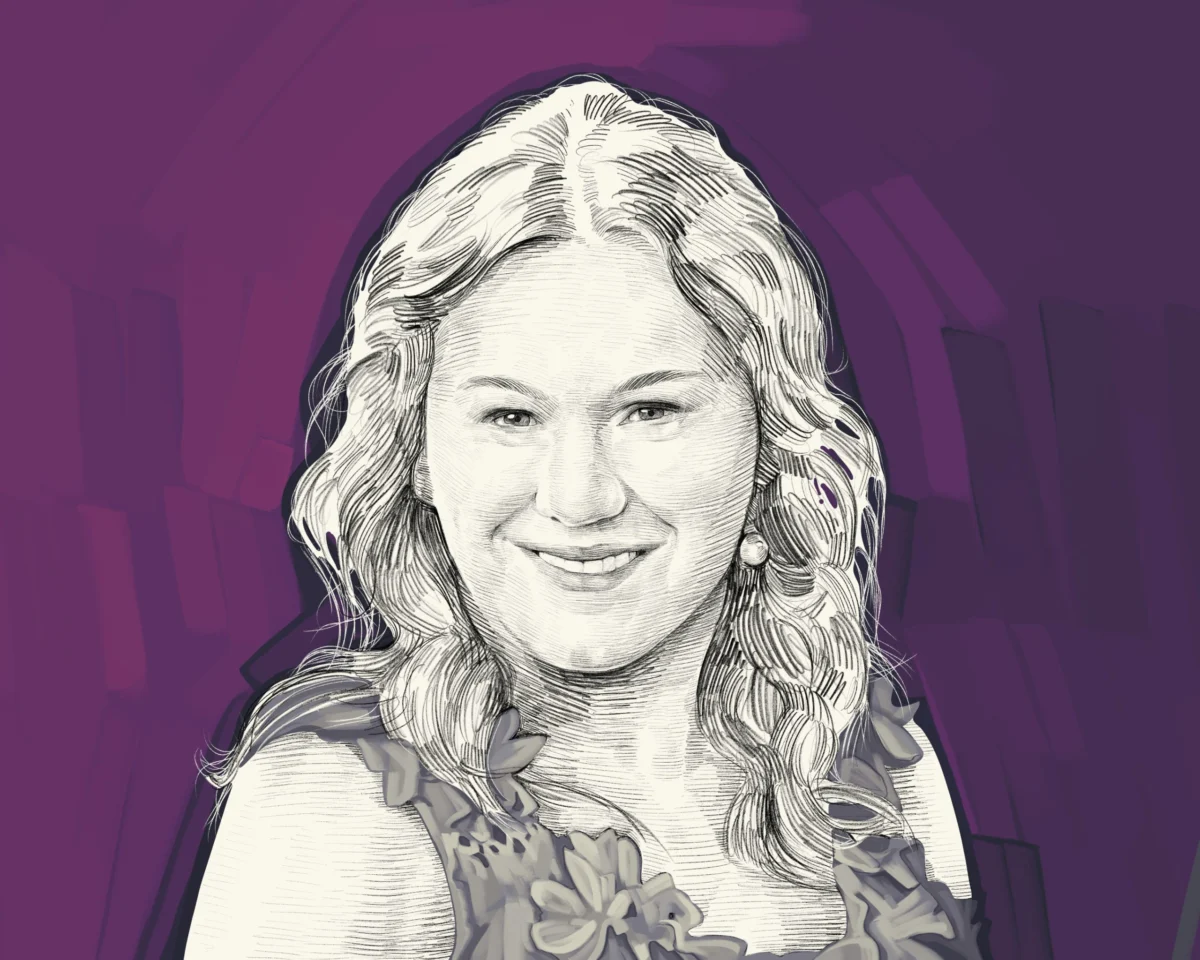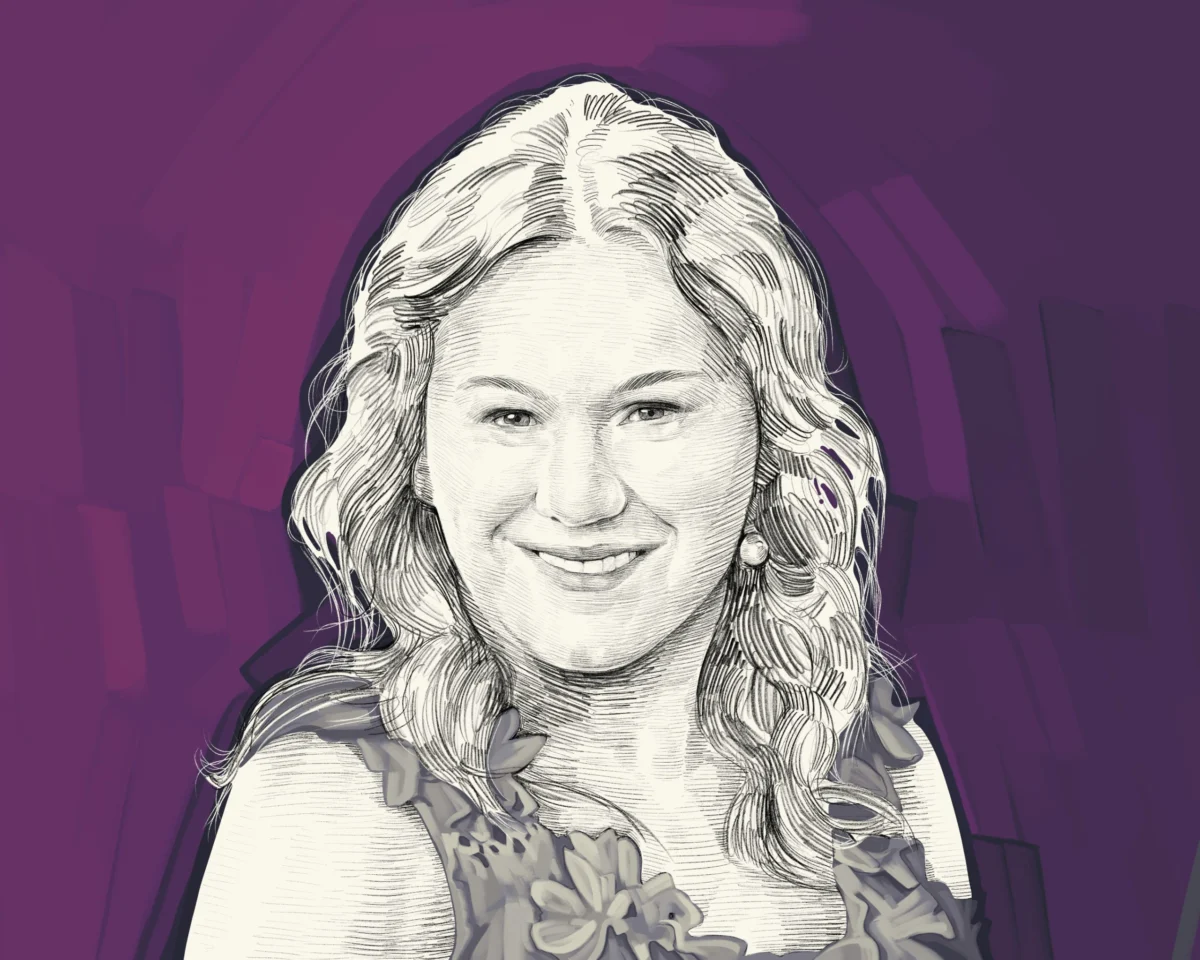
In 2023, the global landscape of psychiatric medicine shifted on its axis. Australia became the first country in the world to officially legalize the prescription of MDMA and psilocybin for specific treatment-resistant mental health conditions. This monumental legislative victory did not occur in a vacuum; it was the culmination of years of tireless advocacy, scientific rigor, and political maneuvering spearheaded by Tania de Jong and her organization, Mind Medicine Australia (MMA).
In a recent, expansive conversation on The Tim Ferriss Show, de Jong sat down to pull back the curtain on the "playbook" behind this unprecedented breakthrough. For those watching the burgeoning field of psychedelic-assisted psychotherapy, her story serves as a masterclass in grassroots advocacy, resilience, and the art of shifting public opinion on a stigmatized subject.
The Main Facts: A New Medical Reality
The Australian Therapeutic Goods Administration (TGA) decision marked a watershed moment. As of July 1, 2023, authorized psychiatrists have been permitted to prescribe MDMA for post-traumatic stress disorder (PTSD) and psilocybin for treatment-resistant depression.
This is not a "decriminalization" effort; it is a clinical, medical framework. The patients are monitored by professionals, and the medicines are administered in controlled, therapeutic environments. Tania de Jong, alongside her husband and co-founder Peter Hunt, approached this not as a cultural movement, but as a public health imperative. Their strategy was grounded in the sheer, overwhelming evidence of the suffering caused by current, limited mental health treatments and the potential for these substances to facilitate profound psychological breakthroughs where traditional pharmaceuticals have failed.
Chronology: The Road to Rescheduling
The path to legalizing these compounds was long, grueling, and fraught with systemic opposition.
- Early Advocacy (2018–2019): De Jong and Hunt recognized that Australia’s mental health crisis—characterized by high rates of PTSD among veterans and rising depression among the general population—was not being adequately served by current standards of care. They founded Mind Medicine Australia to build a bridge between clinical research and policy change.
- The Regulatory Push (2020–2021): The organization began engaging with the TGA, submitting detailed clinical data and evidence from global trials. They faced immediate backlash and skepticism from the medical establishment, which had spent decades operating under the shadow of the "War on Drugs."
- The Resilience Phase (2022): As de Jong notes, the journey required immense fortitude. "When you’re trying to change the law, you need people around you that are very strong," she explained. The team faced persistent resistance, navigating bureaucratic hurdles, ethical committee reviews, and public debates.
- The Historic Approval (February 2023): The TGA issued the decision that, as of July 2023, authorized psychiatrists could prescribe these treatments. It was a victory of persistence over institutional inertia.
Supporting Data and the Efficacy Argument
The argument for legalization was never about "recreational use," but about the data. De Jong emphasized that for patients with treatment-resistant depression, traditional antidepressants are often ineffective.
Clinical studies have shown that psilocybin, when administered in a therapeutic context, can "reset" the neural networks associated with depression, allowing patients to gain perspective on their trauma. Similarly, MDMA has shown extraordinary efficacy in treating PTSD by allowing patients to process traumatic memories without the overwhelming autonomic arousal that usually prevents them from healing.
De Jong recalls her own high-dose psilocybin experience as a catalyst for her advocacy: "I never saw a single piece of nature the same since that… every seashell, cloud, leaf, blade of grass, just everything was transformed by that experience." This subjective depth, when combined with professional psychotherapy, forms the core of the treatment model championed by Mind Medicine Australia.
Official Responses and Institutional Challenges
The medical and political community’s reaction was polarized. On one side, the psychological and psychiatric associations in Australia expressed caution, prioritizing safety and the need for standardized training.
De Jong’s approach was to lean into the rigor. She understood that for the government to move, the infrastructure had to be impeccable. This meant advocating for:
- Strict Practitioner Training: Ensuring that only specialized psychiatrists could administer these substances.
- Safety Protocols: Implementing rigorous screening for patients to ensure that those with contraindications (such as history of psychosis) were not included.
- Ethical Oversight: Establishing clear guidelines on the role of the therapist to prevent boundary violations—a critical concern in the psychedelic space.
The "official" response was one of cautious inclusion. The TGA’s decision was unique because it didn’t wait for a broader global consensus, effectively positioning Australia as a pilot program for the rest of the world.
Implications: A Global Blueprint
What can the rest of the world learn from the Australian experience? De Jong offers several pillars for those looking to replicate this success:
1. The Power of "Chief Medical Officer" Mentality
De Jong argues that individuals must take agency over their own health. "We all have to become our own chief medical officers," she says. By demanding better, more effective care, the public exerts pressure on the medical establishment.
2. Resilience Against Stigma
Pioneers who challenge the status quo will inevitably be attacked. De Jong warns that to lead such a movement, one must be prepared to have their character and motivations questioned. Her mantra, "never let anyone snatch your dreams away," served as the emotional foundation for the team’s persistence.
3. The Humanization of Data
While the scientific data was essential, the human stories were the heartbeat of the campaign. By highlighting the plight of veterans and those suffering from intractable depression, Mind Medicine Australia made the issue personal rather than abstract.
4. Avoiding the "Tech-Trap"
In an era where we are increasingly outsourcing our cognition to artificial intelligence and chatbots, de Jong advocates for a return to human experience. "Let’s just keep asking questions and not outsourcing ourselves to all of the chatbots and all of the robots," she advises. The psychedelic experience, she argues, is the ultimate "human" experience—a way to reconnect with the "sacred" in our daily lives.
Looking Ahead: The Future of Psychedelic Therapy
The Australian model is now under the microscope. As other nations, including the United States, move toward potential FDA approval for similar treatments, the focus shifts to accessibility. Can these treatments be scaled? Can the cost be managed to ensure that they are not just for the wealthy, but for the most vulnerable?
Tania de Jong’s work suggests that the most critical element of this transition is the quality of the therapeutic container. The medicine is only as effective as the human connection that surrounds it. As she continues her work, her focus remains on the "whole and healed" individual.
"We want people to have meaningful lives," de Jong concludes. "We want them to feel healthy. We want them to be able to see the sacred in everything."
Whether the Australian experiment will serve as a permanent standard or a temporary deviation remains to be seen. However, the precedent has been set. The door to psychedelic-assisted therapy has been kicked open, and for the millions suffering from mental health conditions that have previously been deemed "untreatable," the horizon looks fundamentally different than it did just a few years ago.
For those interested in the intricacies of the fight, the full conversation with Tim Ferriss provides a deep dive into the legal, medical, and personal hurdles that made this victory possible. It serves as a reminder that major systemic change is not a matter of luck, but a matter of strategy, unwavering belief, and the courage to endure the long, often lonely road of the pioneer.