In the hyper-competitive landscape of digital content, the blog post title is the single most significant determinant of a piece’s success. It serves as the digital threshold—the gatekeeper between an article that achieves viral status and one that languishes in the obscurity of an archive. As content creators, we often spend hours perfecting the prose within our articles, yet if the headline fails to capture the reader’s attention, that effort is rendered moot.
The reality of the modern web is that your title is often the only element of your content that a reader will encounter. Whether it appears in an RSS feed, a Google search result, or a social media share, it functions as the "first impression." If that impression is dull, overly complex, or confusing, the reader will inevitably move on.
The Strategic Importance of Headlines
Legendary advertising executive David Ogilvy, in his seminal work Ogilvy on Advertising, famously noted: "The purpose of a title is to get potential readers to read the first line of your content." This principle is the cornerstone of effective copywriting. A headline’s sole objective is to create enough intrigue or provide enough value to justify the reader’s click.
Where Headlines Live
Your headline is your brand ambassador across multiple digital touchpoints:
- Search Engine Results Pages (SERPs): The primary indicator for search engines to determine relevance.
- Social Media Streams: A cluttered environment where a title must break through the noise in milliseconds.
- RSS and News Aggregators: Where subscribers scan hundreds of updates in a single sitting.
- Internal Navigation: Helping users discover related content within your site architecture.
8 Essential Techniques for Crafting Compelling Titles
The process of writing a great headline should never be rushed. It is a critical pause point in the content creation workflow. If you invest hours in your writing, you owe it to yourself to invest at least ten minutes in refining your headline. Below are eight proven strategies to maximize your click-through rates.

1. Communicate a Clear Benefit
The most effective headlines answer the reader’s internal question: "What is in it for me?" When a reader identifies a need—whether it’s learning a new skill or solving a technical problem—your title should promise a direct solution. Titles such as "How to Master Digital Photography" or "10 Ways to Increase Your Productivity" perform consistently well because they eliminate guesswork. They do not rely on cleverness; they rely on utility.
2. Ignite Controversy and Debate
Controversy is a powerful, albeit risky, psychological trigger. By challenging industry norms or taking a strong stance on a polarizing topic, you invite engagement. However, this strategy requires integrity: the content of the article must substantiate the bold claim made in the title. Used correctly, it fosters deep discussions and high levels of reader participation.
3. The Power of the Question
Humans are naturally wired to seek answers. When a headline is framed as a question, it prompts the reader to mentally engage with the topic before they have even opened the article. To maximize this effect, incorporate the word "you" to personalize the inquiry. A question directed at the reader’s specific situation is significantly more likely to drive comments and click-throughs than a passive, third-person statement.
4. Personalization and the "You" Factor
Even when you are writing for a global audience of thousands, each reader experiences your content in isolation. By using direct address—specifically the word "you"—you create a sense of intimacy and relevance. This technique signals that the content is tailor-made for the individual reader’s specific challenges, transforming a generic blog post into a personal consultation.
5. Strategic Keyword Optimization
Keywords are the bridge between your content and your audience’s search intent. Incorporating relevant search terms into your title serves two primary functions:

- SEO Visibility: Search engines prioritize titles containing specific keywords, which improves your ranking.
- Relevance Signaling: When a user searches for a specific topic, seeing those exact words in your title confirms that your post contains the information they are seeking.
Pro-tip: Place your most critical keywords at the very beginning of the headline for maximum SEO impact.
6. Utilizing Power Words
Language is a tool of persuasion. Certain words carry an emotional charge that triggers an instinctive response in readers. Words like "Essential," "Proven," "Secret," or "Ultimate" can heighten the sense of urgency and importance. However, use these with caution. If your content does not match the intensity of the "power word," you risk damaging your credibility and fostering skepticism among your audience.
7. Big Claims and Ambitious Promises
While similar to communicating a benefit, this strategy elevates the promise to a level that is difficult to ignore. Whether you are guaranteeing a specific result or promising a "revolutionary" approach, big claims attract attention. The caveat remains the same: you must be prepared to back up your claims. An over-promising headline followed by underwhelming content is a fast track to losing a loyal reader.
8. The Humorous Approach
Humor is a sophisticated tool. When executed correctly, a witty or clever headline can differentiate you from the sea of dry, SEO-driven content. It builds rapport and shows personality. The danger, of course, is that humor is subjective. A joke that falls flat can leave a reader confused or disinterested, potentially costing you a visit that a more straightforward, descriptive title might have captured.
Best Practices: Length and Syntax
Beyond these eight strategies, there are technical considerations that every blogger should keep in mind to ensure their titles are effective across all platforms.
Keep it Concise
While a long, descriptive title can occasionally pique curiosity, shorter is almost always better. Not only does it improve readability, but it also ensures your full title is displayed in search engine results. Most search engines truncate titles after approximately 60–65 characters. If your title is too long, the most important part of your message may be cut off.
The Case Against Periods
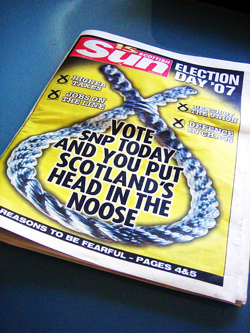
There is a growing consensus among professional copywriters that ending a headline with a period (full stop) can act as a "stop sign" to the reader. It creates a sense of finality that discourages the reader from moving into the first paragraph. To maintain momentum, it is often better to leave the title open-ended or use other punctuation like colons or question marks.
Implications for Long-Term Content Strategy
The discipline of crafting effective titles is not merely about gaining a single click; it is about building a sustainable content brand. A headline that creates a sense of trust and delivers on its promise builds reader loyalty. Over time, this consistency in quality ensures that when your followers see your name in their feed, they know the content behind the title will be worth their time.
Furthermore, as search engine algorithms become increasingly sophisticated, they prioritize "user intent" and "click-through behavior." By crafting titles that are both descriptive and compelling, you align your content strategy with the technical requirements of modern search engines, ensuring long-term visibility.
Conclusion
Your blog post title is the first, and often the most critical, investment you make in your content. It is the bridge between your ideas and your audience. By taking the time to pause, evaluate your options, and apply these strategies—whether through clear benefits, personal connections, or strategic keyword placement—you transform your titles from simple labels into powerful engines for growth. Remember, the goal is not just to be heard, but to be read. Take the extra time to craft your titles, and the impact on your readership will be well worth the effort.