Introduction: A Nation Reaches a Breaking Point
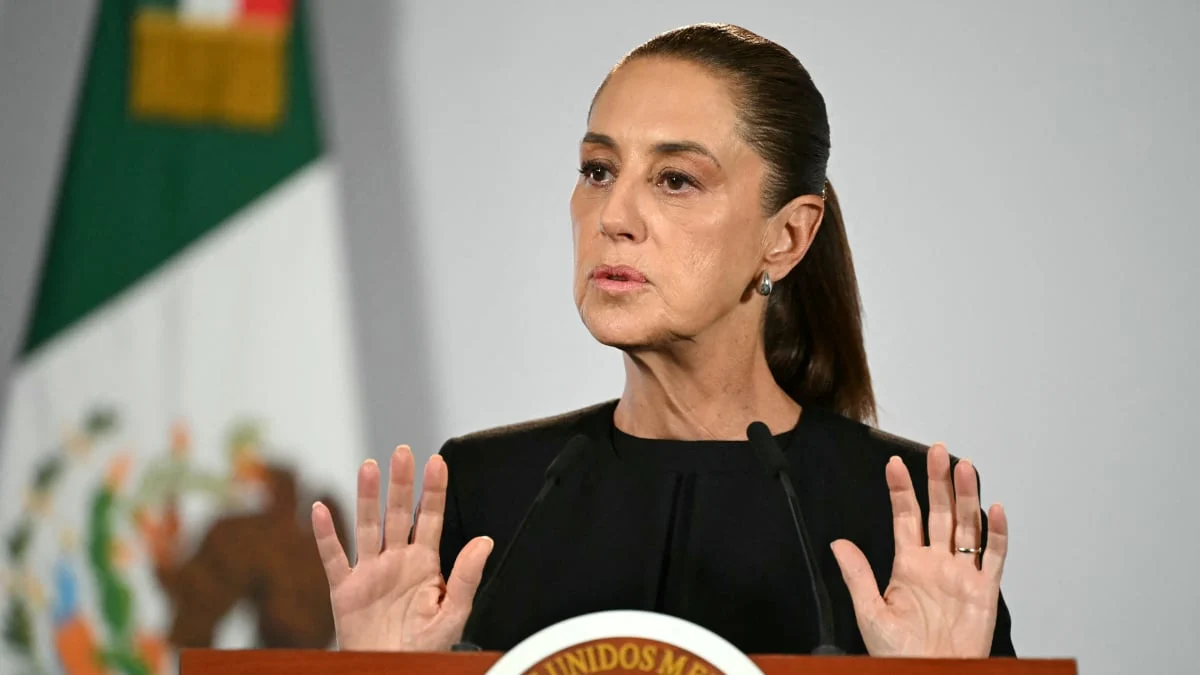
In a decisive and controversial move to protect the nation’s youth, Mexican President Claudia Sheinbaum signed a sweeping presidential decree on October 14, 2026, aimed at curbing the proliferation of dangerous content on social media and streaming platforms. This executive action comes in the immediate wake of a harrowing tragedy earlier this month, when two students at a secondary school in Torreón, Coahuila, murdered their vice principal and launched a violent attack against their peers.
The investigation into the Torreón incident revealed a disturbing nexus between offline violence and digital influence. Authorities have confirmed that the perpetrators were heavily influenced by extremist, violent content encountered online—a realization that has galvanized the Mexican government to shift from passive regulation to active, mandatory oversight of global technology giants.
The Chronology of Crisis and Response
The path to this decree was accelerated by a series of alarming events that shook the Mexican public and placed immense pressure on the administration to prioritize digital safety.
The Torreón Incident
In early October, the tranquility of a Coahuila secondary school was shattered. The perpetrators, both students, carried out an assault that resulted in the death of a school administrator and left several others injured. The subsequent forensic analysis of the suspects’ digital footprints indicated that they had been consuming "extremist and violent content" for an extended period, which authorities believe served as a catalyst for their actions.
The Legislative Pivot
Following the tragedy, President Sheinbaum moved with unprecedented speed. While previous debates regarding social media regulation had lingered in the halls of the Mexican Congress, the Torreón incident provided the political capital necessary for an executive decree. By October 14, the President had finalized a directive requiring digital platforms to implement strict safeguards for minors.
The Education Reform Precursor
This decree did not emerge in a vacuum. In September 2026, the Sheinbaum administration implemented a nationwide "bell-to-bell" cellphone ban across all public schools in Mexico, alongside strict limitations on tablet usage. This move signaled the administration’s growing skepticism regarding the integration of unregulated digital technology into the daily lives of children and adolescents.
The Mandate: What the Decree Requires
The new directive is far-reaching, targeting the algorithmic delivery of content that could pose a threat to the psychological and physical well-being of minors.
Scope of Restricted Content
Under the new law, platforms are barred from displaying or recommending content that promotes:
- Violent Extremism: Material that radicalizes individuals toward physical harm or terroristic acts.
- Self-Harm and Suicide: Content that encourages or provides instructions for self-inflicted injury.
- Eating Disorders: Algorithmic promotion of pro-anorexia or harmful body-image content.
- Sexual Exploitation: Predatory behavior or the distribution of non-consensual imagery.
- Cyber-bullying and Hate Speech: Systematic harassment or discriminatory rhetoric targeting vulnerable groups.
Compliance and Enforcement
The decree imposes a strict one-month deadline for platforms to achieve compliance. This includes the implementation of robust age-verification systems and enhanced parental controls. President Sheinbaum has made the consequences for non-compliance clear: should companies fail to adapt their algorithms and verification tools within the allotted time, she has pledged to fast-track secondary legislation that would introduce punitive financial and operational sanctions.
Supporting Data: The Global Context of Digital Regulation
Mexico’s move to regulate digital platforms is part of an emerging global consensus that the era of "self-regulation" for Big Tech has reached its expiration date.
The Australian Precedent
Mexico is not acting alone. Australia recently became the first country to enact a total ban on social media access for individuals under the age of 16. The global shift toward these restrictive policies is fueled by a growing body of longitudinal research suggesting that social media usage is deeply linked to anxiety, depression, and the erosion of cognitive attention spans in younger users.
The U.S. Comparison
While the United States has seen state-level initiatives—such as phone bans in Los Angeles and New York schools—federal action remains elusive. The lack of a unified American approach has created a vacuum where individual states, and now foreign nations like Mexico, are taking the lead in setting the digital safety standard. Mexico’s decision to adopt a federal, country-wide strategy is being watched closely by policy analysts as a potential template for nations that wish to bypass the slow pace of legislative debate in favor of immediate executive intervention.
Official Responses and Industry Silence
The reaction from the technology sector has been, thus far, characterized by a notable silence.
The Tech Giants
Prior to the formal signing of the decree, officials confirmed they held high-level meetings with representatives from Meta, TikTok, and Google. Despite these consultations, none of the major firms have issued an official public statement regarding the specific technical requirements of the decree or their intended strategy for compliance.
Industry insiders suggest that companies are currently in a state of internal audit, assessing the feasibility of implementing age-verification tools that are both effective and compliant with international data privacy laws—a difficult balance to strike.
The Advocacy Divide
The policy has ignited a fierce debate among child safety advocates and digital rights groups:
- Proponents: Child safety groups argue that government intervention is the only viable stop-gap to protect minors from the predatory algorithms that prioritize "engagement" over human safety. They argue that the potential for harm outweighs the risks of over-regulation.
- Critics: Conversely, privacy advocates and certain tech analysts have raised concerns about the efficacy of age-verification tools. There are valid fears that such tools could lead to massive data harvesting, creating new vulnerabilities for the very children the law aims to protect. Furthermore, skeptics argue that restrictive bans often fail to address the root causes of radicalization, which may simply migrate to encrypted, decentralized platforms that are harder for the government to monitor.
Implications: A New Era of Digital Sovereignty
The implications of President Sheinbaum’s decree extend far beyond the borders of Mexico.
The End of the "Wild West"
For over a decade, social media platforms have operated with relative autonomy in Latin America. The Mexico decree signals the end of this "Wild West" era. By mandating changes to algorithmic recommendations, Mexico is asserting that digital spaces are public spaces subject to national laws and safety standards.
The Economic and Technical Challenge
If companies like Meta or TikTok fail to comply, they face a potential exodus from the Mexican market—or, at the very least, significant legal battles. The technical challenge is immense: reconfiguring an algorithm to "filter" content for a specific age demographic across an entire nation requires a level of precision that these platforms have not yet demonstrated.
The Future of Youth Mental Health
Ultimately, the success of this decree will be measured not by the compliance reports filed by tech companies, but by the tangible impact on the lives of Mexican youth. Will the reduction in exposure to extremist and harmful content actually lead to a safer environment, or will it force harmful communities further underground into the "dark web"?
As the one-month deadline approaches, the international community remains in a state of high anticipation. Mexico has set a high-stakes precedent: by placing the protection of children above the unfettered operation of digital platforms, the country is forcing a confrontation between national sovereignty and the global architecture of the internet.
Conclusion
The tragedy in Torreón was a clarion call that society could no longer afford to ignore the toxic influences embedded in the digital diet of the next generation. President Sheinbaum’s decree is an attempt to rewrite the social contract between the state and the platforms that shape the minds of its citizens. Whether this move effectively secures the safety of students or initiates a long-term legal and technological struggle, it marks a pivotal moment in the history of the digital age—one where governments are finally reclaiming the power to protect their most vulnerable populations from the algorithmic forces that have dominated their lives for far too long.