For years, the barrier to entry for professional-grade TikTok advertising was steep. Between the labyrinthine complexity of the Ads Manager, the technical demands of API integrations, and the creative challenge of producing high-performing short-form video, many small and medium-sized business (SMB) owners found themselves sidelined. However, a seismic shift is underway. With the launch of a suite of AI-powered tools—including the Agentic Hub, Symphony Creative Studio, and Content Suite—TikTok is effectively lowering the ceiling for entry, allowing marketers to trade technical expertise for strategic prompting.
This evolution marks a pivot from manual campaign management to "agentic" workflows, where AI acts as both a strategist and an executor, fundamentally changing how brands approach the TikTok ecosystem.
Main Facts: The New AI Architecture
The core of this transformation lies in the TikTok for Business Model Context Protocol (MCP). Previously, connecting third-party AI models like ChatGPT or Claude to a proprietary ad platform was a task reserved for developers with the time and budget to build custom API integrations.
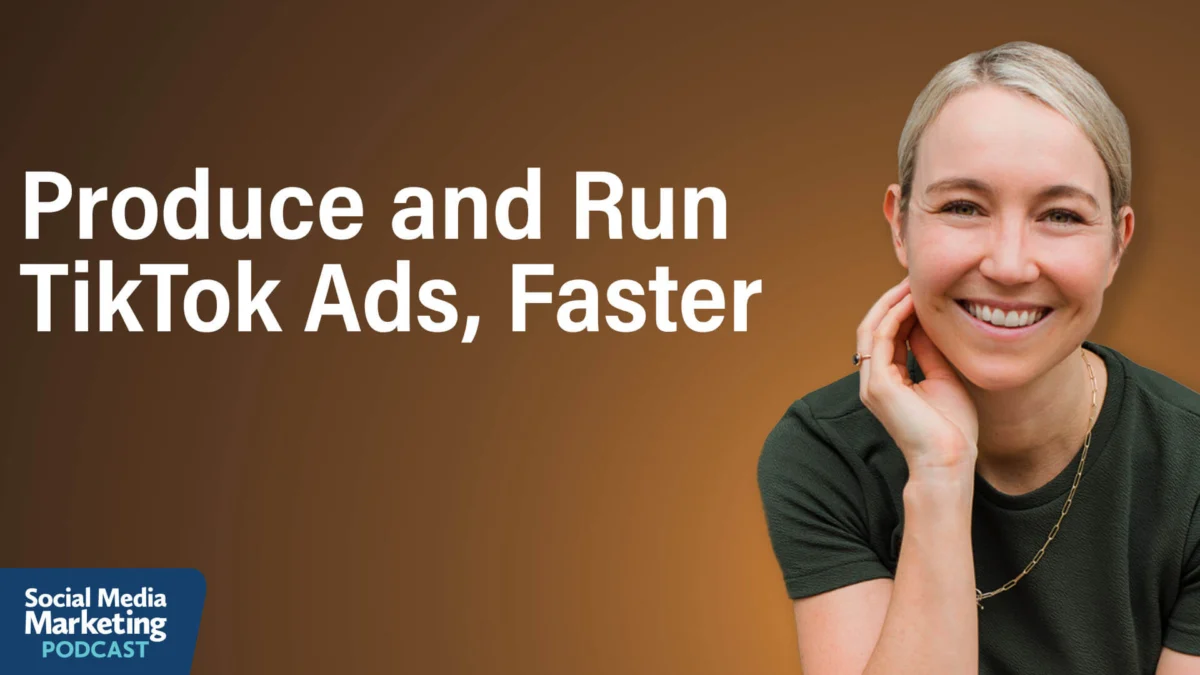
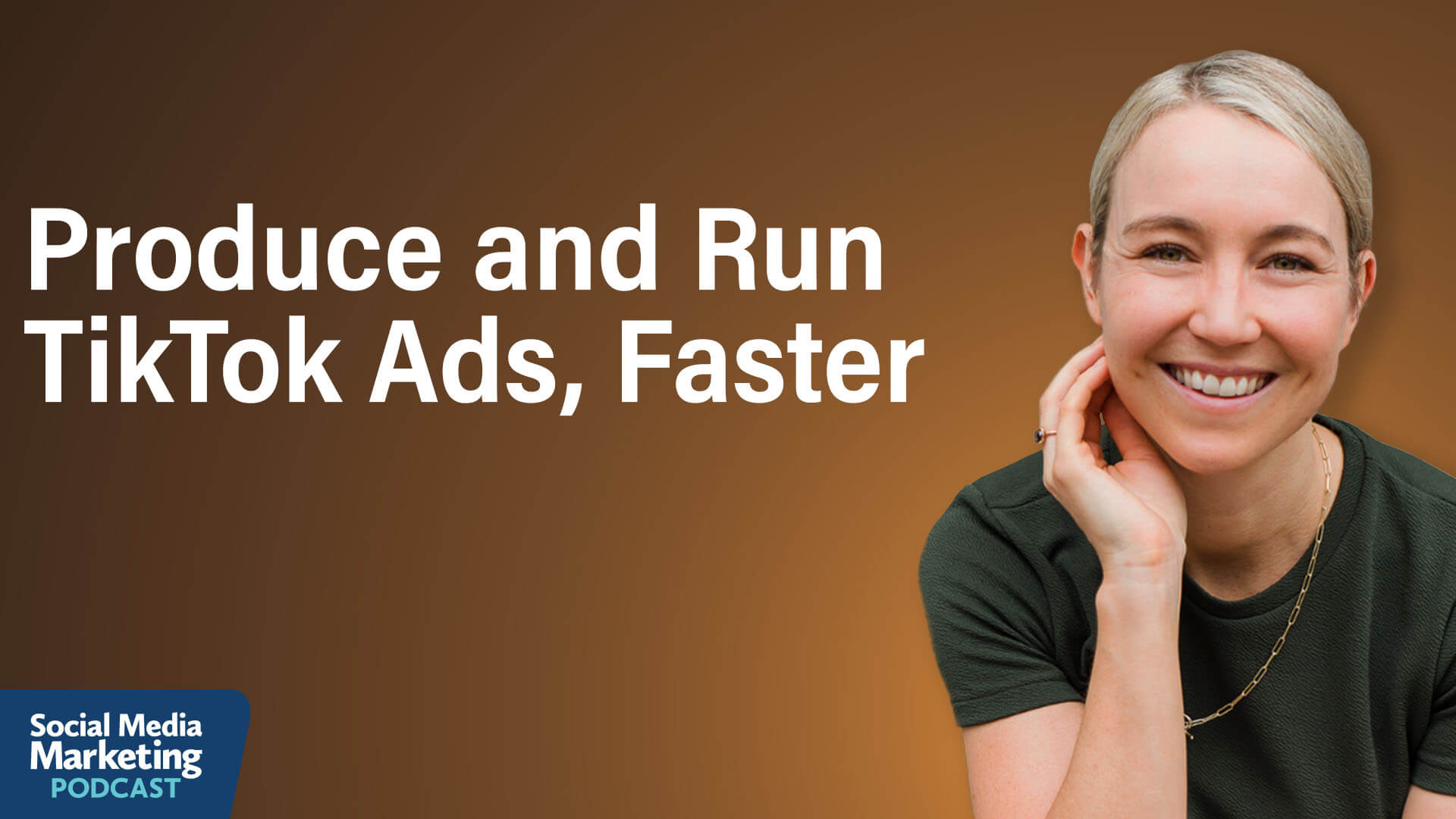
The MCP acts as a universal translator. As expert marketer Melissa Laurie explains, if the TikTok Ads Manager is the restaurant, the MCP is the waiter, and the AI model is the menu. By bypassing the need for manual coding, the Agentic Hub allows marketers to interact with their campaigns in natural, plain language. Whether it is pulling performance reports, analyzing budget pacing, or brainstorming creative hooks, the AI handles the heavy lifting, effectively "talking" to the platform on the user’s behalf.
Chronology of the Shift
The transition toward AI-native advertising has occurred in three distinct phases over the past 18 months:
- The Diagnostic Phase: TikTok introduced basic AI recommendations within the Ads Manager, providing surface-level suggestions for budget adjustments.
- The Integration Phase: With the rollout of the MCP and Agentic Hub, the platform moved beyond static suggestions to active, two-way communication. Marketers can now authorize AI agents to execute changes, not just suggest them.
- The Generative Phase: The introduction of the Symphony Creative Studio allowed for end-to-end video production, shifting the focus from managing logistics to managing the creative output itself.
AI Skills: The Shortcut to Expert Management
One of the most significant developments is the introduction of official "AI Skills"—downloadable instruction sets that provide pre-built expertise to models like Claude or ChatGPT. Instead of asking a generic chatbot to "fix my ads," a user can install a skill like the "Viral Video Creator" or "Account Diagnosis Co-pilot."
These skills function as specialized templates. For instance, the Viral Video Creator is trained on millions of data points from high-performing TikTok advertisements. It provides a blueprint for hooks, mid-video engagement, and calls-to-action (CTAs). While Melissa Laurie notes that these tools typically get a campaign to "70% of the finish line," the remaining 30%—the human touch—is where brands differentiate themselves.
The interoperability of these skills is perhaps the most disruptive aspect. Because these instructions are modular, a marketer can use a copywriting skill developed for one platform on another, or layer custom instructions on top of TikTok’s official tools. This creates a "smorgasbord" of automation options that effectively breaks the traditional "walled garden" model of digital advertising.
Symphony Creative Studio and the Generative Gap
Symphony Creative Studio represents TikTok’s attempt to solve the "creative bottleneck." By leveraging trends, brand guidelines, and high-performance ad signals, the tool can transform a simple text brief into a finished video.
The Power of Product-Focused Content
Symphony shines brightest when utilized for product-based showcases. For example, a furniture brand can now generate hundreds of variations of product-focused videos weekly, highlighting different SKUs without the need for expensive studio shoots.
The Limitations of AI-Generated Humans
Despite the excitement, there remains a critical caveat: AI-generated human avatars are currently failing to resonate with audiences. Research and industry consensus suggest that viewers are highly sensitive to "uncanny valley" effects and perceived lack of authenticity. When an AI avatar attempts to deliver a testimonial, the trust barrier often causes engagement to plummet.
The most effective current application of AI video is the "hybrid model": using real human creators to film the core content, and then using AI to enhance the visuals—such as adding motion graphics, editing for pacing, or generating product-specific assets.
Competitive Research via Content Suite
TikTok’s Content Suite has effectively democratized competitive intelligence. By providing a searchable, AI-enhanced library of UGC-style videos and ads, it allows brands to perform "reconnaissance" before committing a single dollar to ad spend.
Marketers can filter by industry, objective, geography, or time frame. The strategy recommended by experts is to browse the library not to copy, but to understand the "rhythm" of a specific niche. Seeing what competitors are testing allows brands to identify gaps in the market and iterate on proven creative frameworks.
The Anatomy of High-Performing Video
As AI makes high-quality production more accessible, the "floor" of content quality is rising. To stand out, brands must master the specific mechanics of short-form storytelling. Melissa Laurie outlines the "Anatomy of a High-Performing Video":
- The First Frame: This is the most critical asset. It must stop the scroll instantly.
- Billboard Text: Overlay text must communicate the video’s value in a fraction of a second.
- The Glue: The connective tissue that bridges the gap between the hook and the substance, ensuring viewers don’t drop off.
- The Sharp Ending: A crisp, abrupt cut prevents the "slow down" signal that often causes users to scroll past before the video officially finishes.
Furthermore, authenticity remains the gold standard. Content that feels "staged" is ignored. Creators who film themselves while performing a secondary task—such as walking, applying makeup, or organizing a desk—see higher engagement because the activity provides a natural visual anchor that keeps the viewer’s eye moving.
Implications for the Future of Marketing
The rise of AI in TikTok advertising carries three major implications:
- The Shift from "Technical" to "Strategic": The ability to manage complex ad settings is becoming a commodity. The competitive advantage now belongs to those who understand human psychology, brand narrative, and the art of the hook.
- The "Agency" Evolution: Agencies are not being replaced, but they are being redefined. The role of the media buyer is evolving into that of a "Prompt Architect" and "Creative Strategist." The economy-class, DIY approach is now more accessible than ever, but brands seeking "first-class" results will still rely on human expertise to refine the AI’s output.
- The Death of Static Campaigns: With the ability to generate and test hundreds of creative variations, the concept of a single "campaign" is dying. We are entering the era of "ever-testing" creative, where AI continuously iterates on assets based on real-time engagement data.
A Note of Caution: Challenging the Machine
Despite the sophistication of these tools, human oversight remains non-negotiable. AI often operates on logic that doesn’t account for long-term brand equity. For instance, an AI might suggest pausing a new creative simply because it hasn’t outperformed an established ad in its first 48 hours—ignoring the fact that the established ad has the benefit of platform history.
Marketers must be willing to "push back" on AI suggestions. By asking, "What is another way to do this?" or "Could I be doing this better?", users can force the AI to rethink its logic. The most successful marketers of the next decade will be those who treat AI not as a black box of truth, but as a tireless, high-speed intern that requires clear direction and critical verification.
As the technical barriers fall, the focus returns to the core of marketing: telling a story that makes someone stop their scroll and pay attention. The tools have changed, but the objective remains exactly the same.