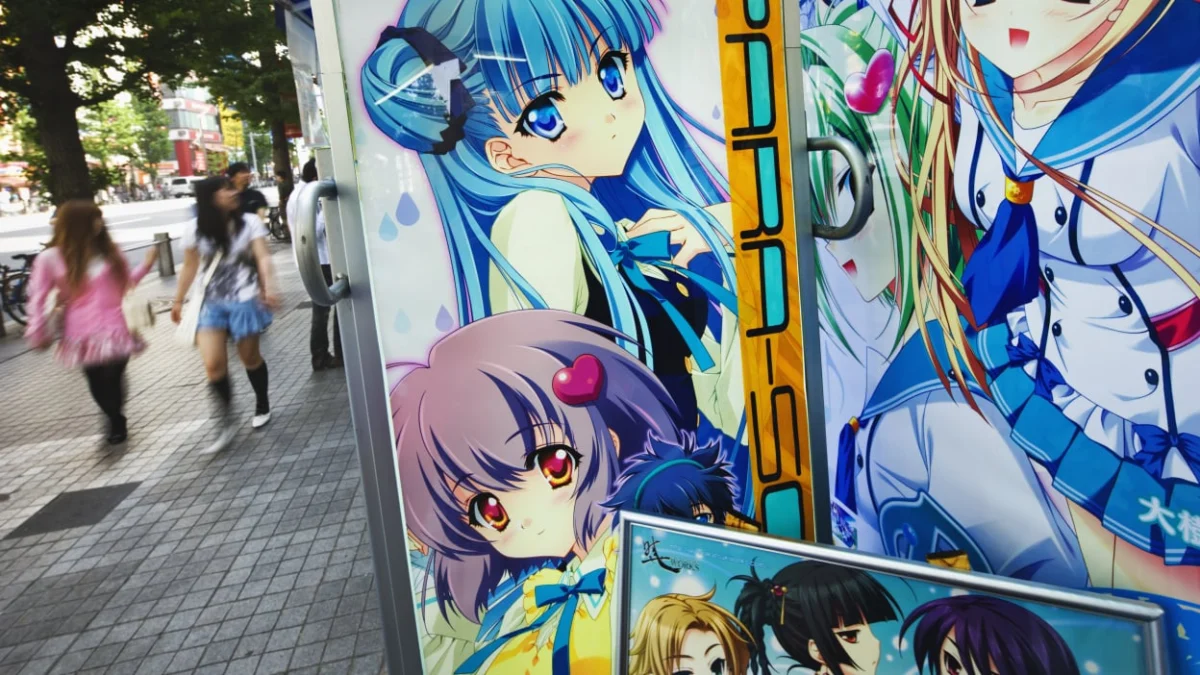
For decades, the American anime experience was defined by isolation and effort. To be an "otaku" in the late 1990s or early 2000s meant scouring the fringes of the internet for fan-subtitled episodes, trading grainy VHS tapes through mail-order clubs, or waiting until the late-night hours for Toonami to air on Cartoon Network. It was a subculture characterized by "gatekeeping" and limited accessibility—a secret language spoken by a dedicated few.
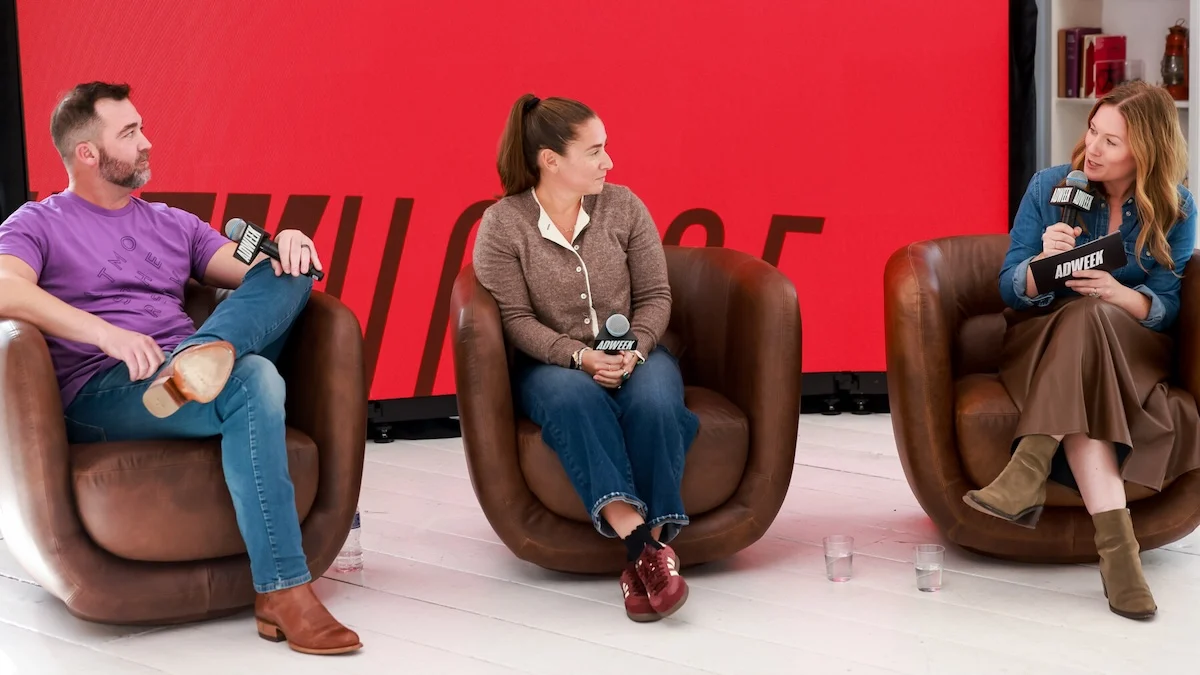
Fast forward to 2026, and the landscape has undergone a seismic shift. Anime is no longer a fringe curiosity; it is a pillar of global pop culture, woven into the fabric of social media algorithms, mainstream sports, and blockbuster cinema. As demonstrated at the recent Crunchyroll Anime Future Forum in New York City, the barrier to entry has evaporated, replaced by an ecosystem where anime finds the audience, rather than the other way around.
The Evolution of the Fan Experience: A Chronology of Discovery
The trajectory of anime in the West is a study in technological convergence. The timeline of its growth reveals a clear path from scarcity to ubiquity:
- The Early Era (1960s–1980s): The foundation was laid by pioneers like Astro Boy, which introduced Japanese animation to U.S. television. However, access remained sporadic and largely limited to local syndication.
- The Golden Age of Cable (1990s–2000s): The emergence of the Toonami programming block on Cartoon Network proved that Japanese animation had a massive, untapped audience. Titles like Dragon Ball Z, Sailor Moon, and Cowboy Bebop became cultural touchstones for a generation.
- The Digital Transition (2010s): As the internet became the primary hub for entertainment, fan-led communities moved from physical conventions to digital forums. This period saw the rise of illegal streaming sites, which, while problematic for creators, proved the overwhelming global demand for localized content.
- The Streaming & Social Era (2020s–Present): With the dominance of platforms like Crunchyroll, and the algorithmic precision of TikTok and Instagram, anime has transitioned into a "discovery-based" consumption model. Fans no longer need to seek out shows; they are served bite-sized, high-tension clips that demand immediate engagement.
The Algorithmic Gateway: How Social Media Changed the Rules
The most significant change in the modern anime landscape is the role of the "accidental viewer." Modern social media platforms—specifically TikTok and Instagram Reels—have gamified the discovery of anime.
During the Anime Future Forum, creator Jordan Howlett shared his own experience with the hit series Solo Leveling. "I saw a clip, then another," he explained. "By the second one, I was hooked." This is the "edit culture" at play: fan-made videos condense complex character arcs, high-octane fight sequences, and emotional climaxes into 30-second bursts of high-fidelity content. These edits often serve as emotional teasers that lure viewers into the source material, even if they have no prior interest in the genre.
This phenomenon is supported by raw data. According to the 2026 Global State of Anime Fandom study, 77 percent of anime viewers have actively recommended a series to a newcomer. Furthermore, the barrier to entry has been lowered by the sheer volume of content available. Whether it is an Olympic figure skater referencing a character or a rapper dropping a track inspired by Jujutsu Kaisen, the "cool factor" of anime has reached a critical mass.

Supporting Data: The Scale of the Mainstream Shift
The growth of the industry is not just anecdotal; the metrics indicate a permanent shift in how media is consumed.
- Market Penetration: Hub Entertainment Research reports that 39 percent of 16- to 24-year-olds are regular anime viewers, nearly double the average of the general population.
- Commercial Power: The theatrical release of Demon Slayer: Kimetsu no Yaiba – Infinity Castle grossed nearly $794 million worldwide, proving that anime is a legitimate box-office titan, standing shoulder-to-shoulder with Hollywood tentpole films.
- Subscription Growth: As of March 2026, Crunchyroll reported over 21 million paid subscribers globally. This indicates that the "piracy-first" era of anime has been effectively replaced by a sustainable, professionalized streaming model.
- Community Engagement: On platforms like TikTok, the hashtag #anime has garnered billions of views across 178 million videos, while the anime community on Threads has surged to over 531,000 active members.
Official Perspectives: The Influencers of the New Wave
The Anime Future Forum highlighted a growing trend: the "crossover influencer." When celebrities and athletes openly embrace anime, they normalize the hobby for their massive, diverse followings.
Rapper Big Sean, a self-described "Toonami kid," noted that the storytelling in anime—centered on overcoming adversity—is what initially drew him to the genre. "It resonated with me and my friends in Detroit," he said. His experience is mirrored by athletes like figure skater Amber Glenn, who uses anime as a creative touchstone for her performances. For Glenn, anime is more than entertainment; it is an aesthetic and emotional language.
This sentiment was echoed by others in the industry. The willingness of high-profile figures to discuss their fandom—from NBA star Jalen Brunson’s debates on character strength to filmmaker Michael B. Jordan’s explicit inspiration from Naruto and Hajime no Ippo for Creed III—has stripped away the "nerdy" stigma that once hindered the medium’s growth.
Implications: The Future of Fandom and Identity
The implications of this shift are profound. We are seeing the death of the "gatekeeper" model of fandom. As the community expands, it is becoming more inclusive and more integrated into everyday life.
The Rise of Identity-Based Fandom
Being an "anime fan" is no longer a binary state. It is now a modular identity. Fans express their devotion through cosplay, fan art, makeup, and social media commentary. The ability to find like-minded people online—regardless of physical geography—means that even niche series can build massive, loyal followings.

The Challenge of Gatekeeping
While the community is more open than ever, the transition to the mainstream has not been without friction. As demonstrated by the backlash faced by stars like Megan Thee Stallion, there remains a vocal minority who cling to the idea that anime must be "earned." However, the data suggests that these voices are being drowned out by a younger, more communal generation that views anime as a shared language rather than an exclusive club.
The Real-World Connection
The digital explosion of anime has also reinvigorated real-world spaces. Conventions like Anime NYC saw 172,000 visits in 2026, a significant increase from the previous year. This suggests that while social media is the engine of discovery, the desire for physical, face-to-face community remains the ultimate goal for the modern fan.
Conclusion: The New Normal
We have moved past the era where anime was a hidden treasure. Today, it is part of the cultural water supply. Whether it is through an algorithm-fueled discovery on a smartphone, a high-budget theatrical release, or a reference in a professional sports arena, anime is inescapable.
As Jordan Howlett noted during the forum, the internet didn’t create the passion for anime; it simply provided the infrastructure for that passion to scale. For the current generation, there is no "before" and "after" regarding anime’s status—it has always been there, waiting to be found. And as the barriers continue to fall, one thing is certain: the conversation around anime is only just beginning, and it is a conversation that everyone is now invited to join.