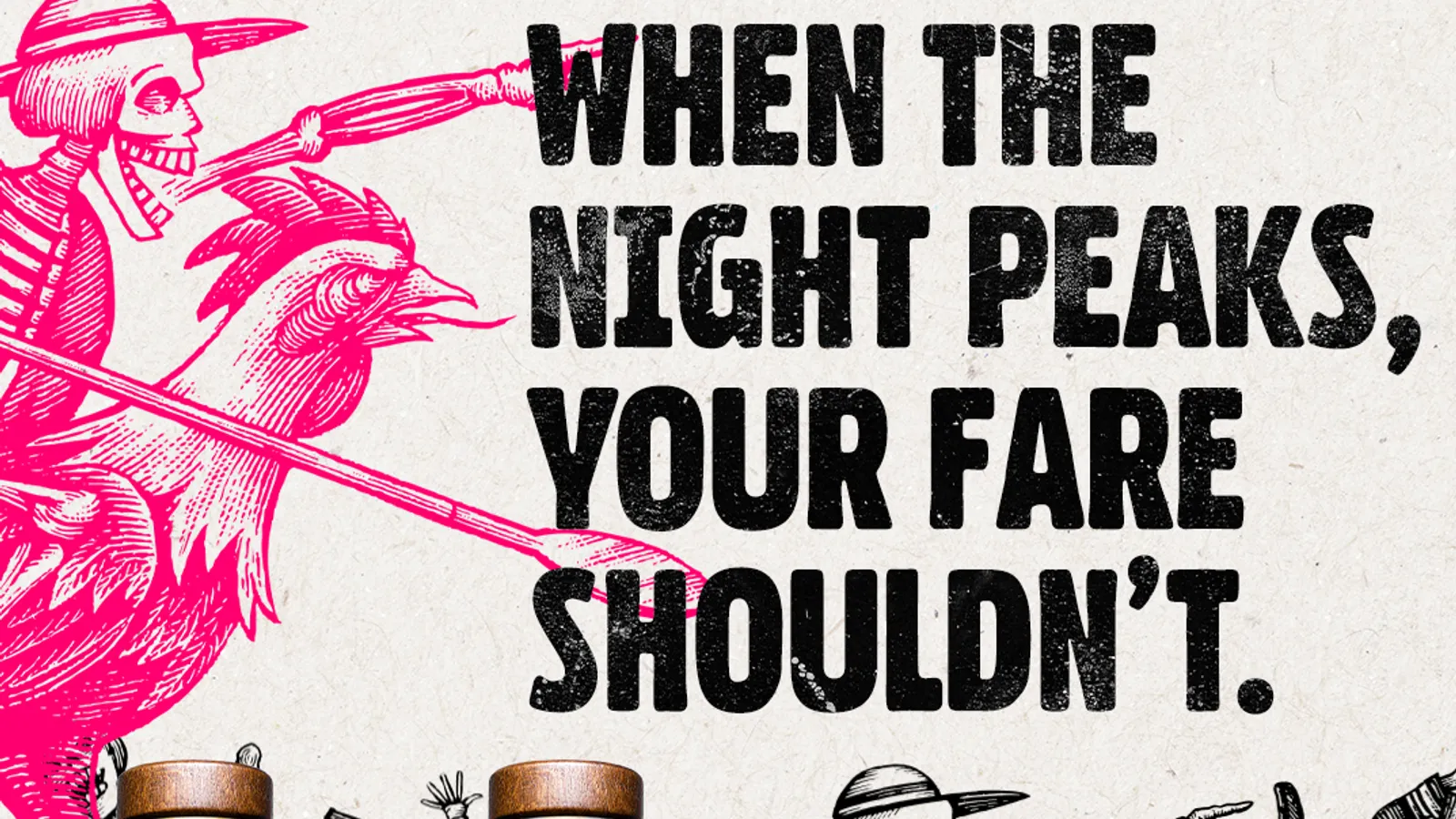
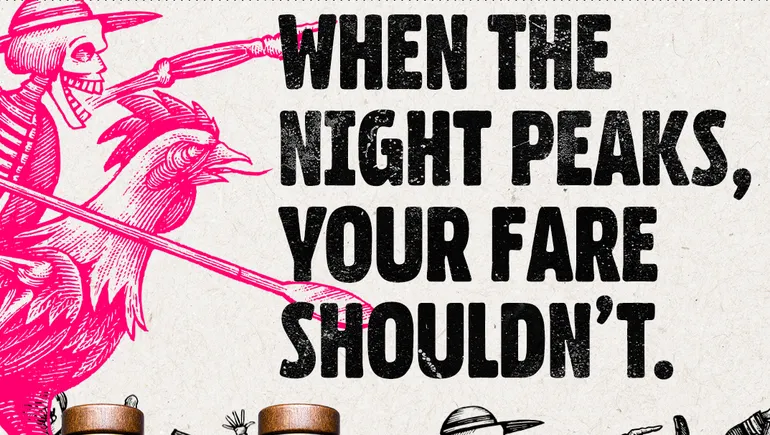
As the festive season approaches, the intersection of alcohol marketing and consumer convenience has reached a new, provocative frontier. Espolòn Tequila, a cornerstone brand within the Campari Group portfolio, has officially unveiled its “Fare Share” program—a strategic initiative designed to alleviate the financial sting of surge pricing for consumers utilizing ride-hailing services like Uber and Lyft during the peak Halloween and Día de los Muertos period.
By positioning itself as an advocate for consumer wallets and safety, Espolòn is not merely promoting a spirit; it is inserting itself into the broader, increasingly contentious debate regarding the ethics of dynamic, algorithm-driven pricing.
The Core Concept: Redefining the Night Out
The Fare Share program is a straightforward, consumer-facing reimbursement scheme. Consumers who use ride-sharing services during specific, high-demand hours—traditionally marked by inflated costs—are invited to submit their digital receipts to the brand for a partial reimbursement.
This campaign is fundamentally timed to coincide with the Halloween weekend, a period historically associated with a significant spike in alcohol consumption and social gatherings. According to industry data, the surge pricing models employed by major platforms can cause ride costs to escalate to eight or nine times their standard rate during these high-traffic windows. By providing a financial buffer, Espolòn aims to decouple the act of celebrating from the anxiety of exorbitant transportation costs.
Chronology of a Campaign
The launch of the Fare Share program follows a summer of brand evolution for Espolòn. The timeline of their recent strategic shifts provides context for why this move is both timely and consistent with their broader mission:
- August 2026: Espolòn launches “Ride the Rooster,” a global brand platform aimed at dismantling the culture of exclusivity in social settings. This campaign established the brand’s voice as one of inclusion and shared experience.
- Late August 2026: The Federal Trade Commission (FTC) gains significant traction with its proposed enforcement policy against "surveillance pricing"—the practice of using personal data to tailor prices to an individual’s perceived willingness to pay.
- September 2026: Parent company Campari Group continues its aggressive marketing trajectory, notably with the “Stay Bitter” campaign featuring Alan Cumming, signaling a broader corporate comfort with bold, disruptive advertising.
- October 8, 2026: Espolòn officially announces the Fare Share program, bridging the gap between their “Ride the Rooster” philosophy and the tangible, real-world frustration of consumer ride-sharing costs.
- Late October/Early November 2026: The program enters its operational phase, supported by in-person activations across major urban centers to educate consumers on the reimbursement process.
The Data Behind the Surge
The necessity for a program like Fare Share is rooted in a growing dissatisfaction with the transparency of the gig economy. Consumer Reports and various independent watchdogs have spent the better part of the year questioning the methodologies behind ride-hailing pricing.
The core issue lies in the opacity of the data used to inform pricing. When a consumer opens their app on a busy Halloween night, the price they see is the result of a proprietary algorithm that accounts for driver availability, traffic, and, crucially, demand-side pressure. For the average consumer, this manifests as a "black box" experience—one where they are forced to accept a premium price without understanding the metrics that justify it.
Espolòn’s decision to tap into this data-driven frustration is a calculated marketing risk. By explicitly labeling the surge as a hurdle to safe and responsible enjoyment, the brand is effectively flipping the script on ride-hailing companies, transforming a mundane logistical problem into a brand-loyalty opportunity.

Implications for the Industry and Regulation
The Fare Share initiative arrives at a critical juncture in the relationship between consumers, corporations, and the federal government. The FTC’s August proposal regarding personalized pricing has cast a long shadow over the tech sector. While platforms like Uber and Lyft maintain that their pricing is based on supply-and-demand mechanics rather than individual surveillance, the public skepticism is at an all-time high.
A New Model for Brand Activism
Espolòn’s strategy represents a shift from "value-based" marketing to "utility-based" marketing. Rather than simply sponsoring an event or a concert, the brand is sponsoring the consumer’s ability to participate in the event. This is a subtle but powerful evolution of brand activism. By subsidizing the cost of the commute, the brand becomes an essential component of the consumer’s night out, rather than just a peripheral part of their drink order.
The Influence of Campari Group
The support of the Campari Group is significant. As a global powerhouse, the group’s willingness to let Espolòn engage in such a targeted, potentially controversial campaign suggests a high level of confidence in the brand’s positioning. The portfolio-wide focus on "shared experiences"—seen in the work of Aperol, Wild Turkey, and Grand Marnier—demonstrates that the company is leaning heavily into the idea that post-pandemic social connection is the primary driver of alcohol sales.
Official Stance and Future Outlook
While ride-hailing platforms have not issued a direct response to the Fare Share program, the industry is watching closely. The program effectively shines a spotlight on the negative externalities of surge pricing. If the campaign proves successful in driving high engagement and brand sentiment, it is likely that other consumer-facing brands will follow suit, using "reimbursement" or "offset" marketing to build loyalty in sectors plagued by price volatility.

For Espolòn, the success of this campaign will be measured not just in receipts submitted, but in the brand’s ability to maintain a narrative of accessibility. In an era where "exclusivity" is increasingly viewed with suspicion, being the brand that helps the consumer get home safely and affordably is a potent competitive advantage.
Conclusion: The Road Ahead
As Halloween approaches, the Fare Share program serves as a litmus test for modern consumer engagement. It acknowledges the complexity of the digital economy while offering a human-centric solution. Whether this initiative marks the beginning of a larger trend toward corporate-subsidized logistics remains to be seen, but one thing is certain: Espolòn has successfully maneuvered itself into the center of the conversation, proving that in the modern marketplace, the most effective way to reach a consumer is to help them navigate the hurdles of their daily life.
As we move deeper into the final quarter of 2026, the industry will be monitoring whether this form of "reimbursement marketing" provides the long-term, sustainable loyalty that the brand is chasing, or if it remains a clever, temporary tactic designed to capture the spirit of a single, spooky holiday weekend. Regardless of the outcome, Espolòn has set a high bar for brands looking to address the real-world anxieties of their target audience.