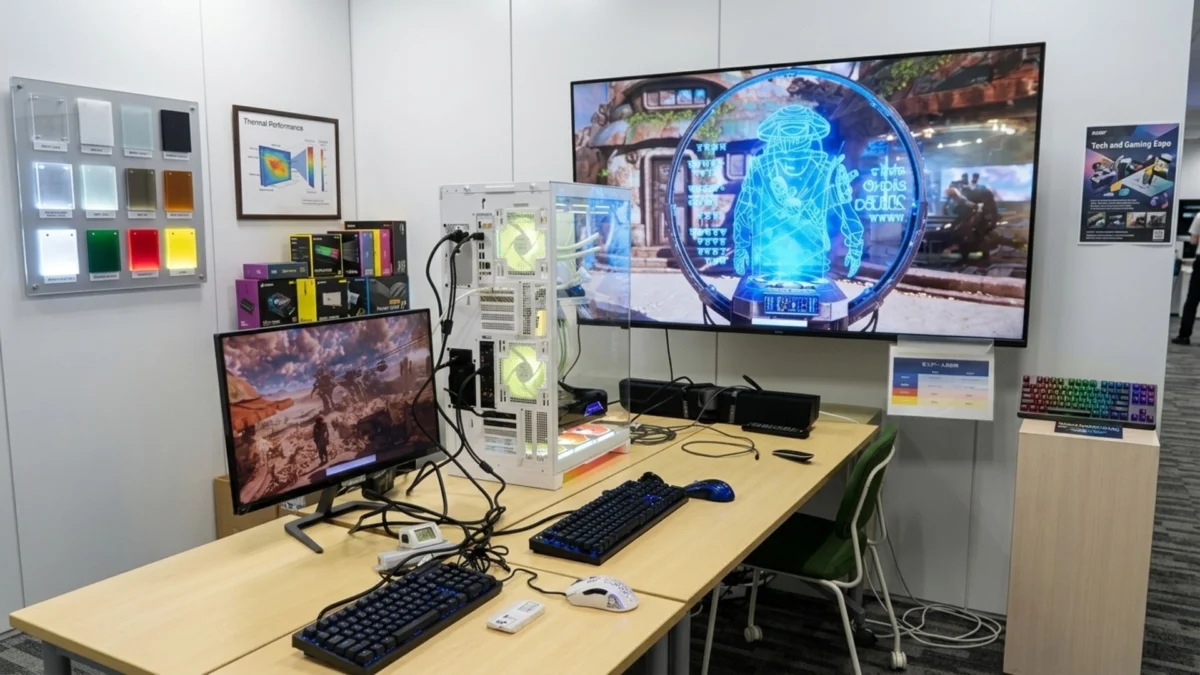
In the rapidly evolving landscape of high-end PC enthusiast hardware, the demand for consolidation—without sacrificing performance—has led to some of the most ambitious chassis designs in recent memory. The Thermaltake CAPO X represents a bold entry into this niche, serving as a full-tower enclosure engineered to house two entirely independent computer systems within a single aesthetic footprint. While the concept of a dual-system case is not entirely new, the CAPO X aims to refine the experience by balancing the thermal realities of running high-TDP components in close proximity.
Recent technical evaluations have cast a spotlight on whether such a configuration is truly viable for power users or if the thermal limitations of a shared chassis prove too burdensome. By putting the CAPO X through its paces with modern flagship hardware, testers have provided a roadmap for what to expect when building a "two-in-one" workstation or gaming rig.
The Hardware Stress Test: Methodology and Setup
To determine the viability of the CAPO X, recent testing utilized a high-stakes hardware configuration. The "upper" compartment of the chassis was populated with an AMD Ryzen 7 9800X3D processor paired with a Radeon RX 9070 XT graphics card. The "lower" chamber was reserved for an Intel-based system, featuring the Core Ultra 7 265K processor and an NVIDIA GeForce RTX 5070 Ti.
The testing protocols were designed to push both systems to their absolute limits simultaneously. Using Cinebench 2026 to stress the processors and the 3DMark Steel Nomad Stress Test to maximize GPU load, investigators sought to identify the "thermal crossover" point—the moment at which the heat output of one system begins to negatively impact the cooling efficiency of the other.
The Thermal Equilibrium Findings
Under independent conditions, the thermal management of the CAPO X is impressive. The upper AMD configuration maintained a stable operating temperature of approximately 60°C for both the CPU and GPU. Similarly, the lower Intel configuration performed admirably, with the RTX 5070 Ti holding at 60°C and the Core Ultra 7 265K idling or running under load at a modest 50°C.
These baseline figures demonstrate that, when operating in isolation, the CAPO X offers more than sufficient airflow to keep modern, power-hungry components well within their safe operating envelopes. The initial startup phase showed a predictable climb in temperatures as the internal air began to saturate, but the system ultimately settled into a steady state without alarming fluctuations.
The Challenges of Dual-System Thermal Interaction
The most critical insight gained from the testing was the behavior of the systems when operated in tandem. When both the upper and lower configurations were pushed to maximum utilization, the upper system—the AMD-powered rig—saw its average temperatures rise by approximately 5°C.
This temperature delta serves as a clear indicator of the primary challenge inherent in the CAPO X’s design: shared thermal management. Even though the chassis is divided, the internal airflow dynamics are not entirely decoupled. The heat generated by the lower Intel system does not simply vanish; it permeates the shared internal structure, effectively warming the intake air for the upper chamber.
The emergence of warmer air from the upper rear exhaust fan confirmed that the lower system’s thermal output was directly influencing the ambient environment of the upper compartment. While a 5°C increase is not necessarily fatal for performance, it highlights that the CAPO X is not a "plug-and-play" solution for those ignoring thermal physics. It requires a nuanced approach to fan curves, pressure management, and exhaust efficiency.
Assembly Complexity: A Case for the Experienced Builder
Beyond thermal performance, the CAPO X poses significant challenges regarding assembly and cable management. For those accustomed to the simplicity of a standard mid-tower ATX case, the transition to the CAPO X is jarring.
The Logistics of Dual-System Builds
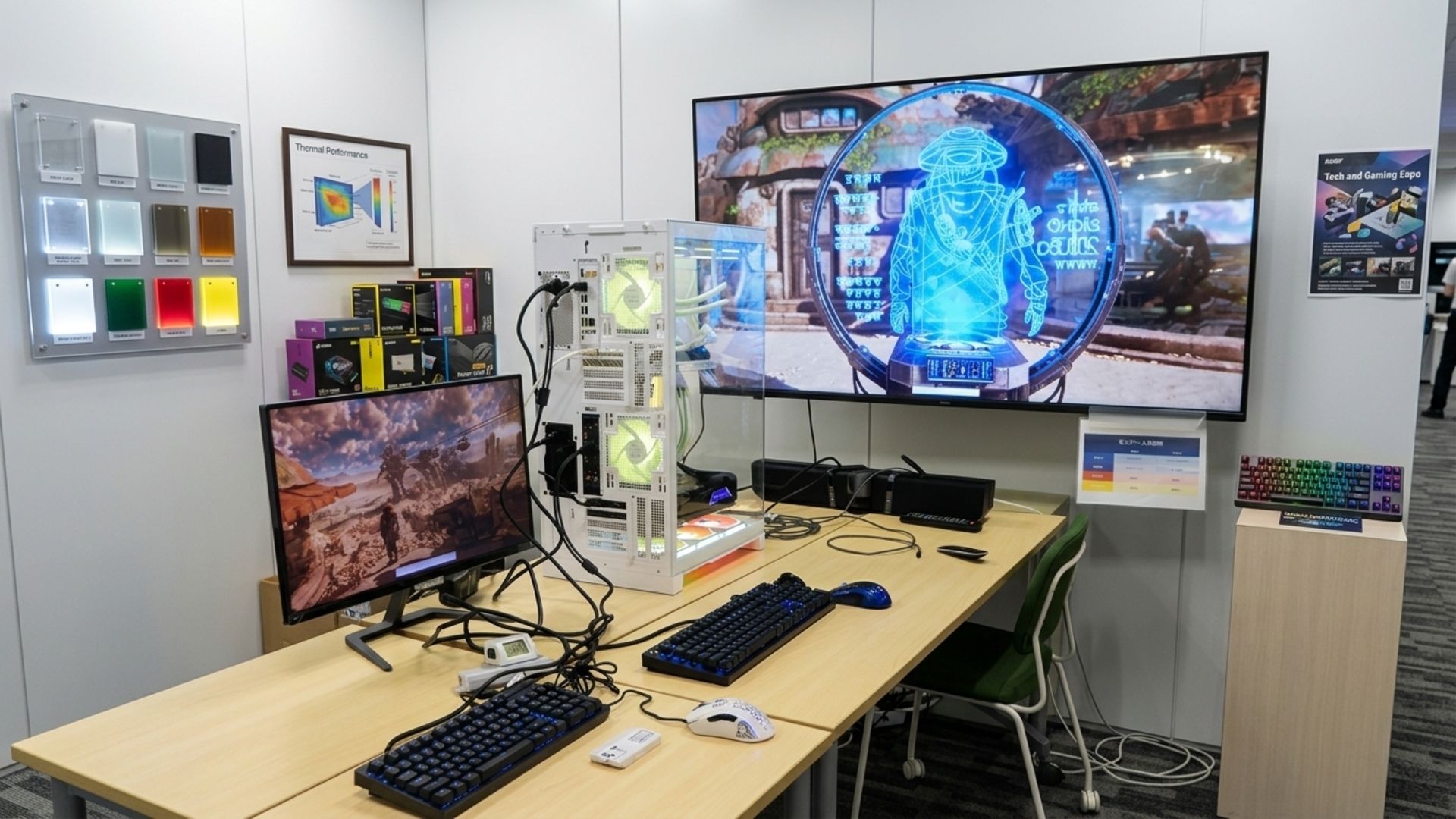
Building a system in the CAPO X is essentially building two distinct computers simultaneously. Each system requires its own dedicated motherboard, power supply, and storage array. This doubles the cable routing requirements, the connection points, and the potential for "cable clutter."
While the chassis is spacious and provides ample room behind the motherboard trays for cable management, the sheer volume of power cables—two sets of 24-pin connectors, two sets of CPU power cables, and multiple PCIe power cables—can quickly overwhelm even the most disciplined builder.
The Missing Fan Hub Deficiency
One of the more surprising findings during the assembly process was the omission of an integrated fan hub. In a chassis designed for two systems, coordinating fan speeds across two separate motherboards is a logistical headache. Builders are forced to either use multiple splitters or purchase an external fan controller to harmonize the cooling performance across the entire enclosure.
For a case that markets itself on convenience and consolidation, the lack of a centralized power/control solution for fans is a notable oversight. It forces the end-user to take responsibility for managing airflow, necessitating a deeper understanding of fan placement and rotational speeds to ensure that neither system "starves" the other of fresh, cool air.
Strategic Implications for Future Builds
The results of these tests suggest that the CAPO X is not a chassis for the faint of heart or the novice builder. Instead, it is a specialized tool for those who specifically require two machines in a single footprint—perhaps for a dedicated gaming rig paired with a streaming PC, or a primary workstation combined with a testing bench.
Optimizing the CAPO X Environment
For those intending to utilize the CAPO X for sustained, high-intensity workloads, there are several strategic optimizations that can mitigate the thermal drift observed in testing:
- Exhaust Velocity: The test findings suggest that upgrading the rear exhaust fans to high-static pressure, high-RPM models could significantly improve heat evacuation. By clearing the "warm air pocket" more aggressively, users can prevent the heat buildup that causes the 5°C temperature rise in the upper chamber.
- Airflow Directionality: Builders must be intentional about how they orient their fans. It is no longer sufficient to treat the two halves of the case as independent entities. Users should look to create a "chimney effect" that encourages the lower system’s heat to exit the case as quickly as possible without traversing the upper compartment’s intake paths.
- Fan Synchronization: Because the systems are physically linked, coordinating the fan curves between the two motherboards is essential. If the lower system is under a heavy load, it is prudent to ramp up the exhaust fans in the upper system to compensate for the anticipated rise in ambient heat.
Conclusion: Is the CAPO X Worth the Effort?
The Thermaltake CAPO X is a triumph of engineering in terms of form factor, but it serves as a reminder that physics remains the final arbiter of PC performance. The case does not suffer from inherent flaws; rather, it demands a higher level of "thermal literacy" from its owner.
The stacked arrangement does not cause systemic overheating, provided the builder takes the time to manage airflow and fan speeds appropriately. The 5°C penalty observed in the upper system is a manageable trade-off for the space-saving benefits of a dual-system setup. However, potential buyers should be prepared for a significantly more complex build process and the likely need for additional cooling hardware to reach optimal performance levels.
For the enthusiast who values the aesthetic and spatial efficiency of a dual-system build, the CAPO X remains an enticing, albeit demanding, option. As PC hardware continues to trend toward higher power draws and more complex cooling requirements, the lessons learned from the CAPO X will undoubtedly influence the next generation of multi-system chassis designs. For now, the CAPO X stands as a capable, if slightly temperamental, platform for those ready to tackle the challenge of dual-system integration.