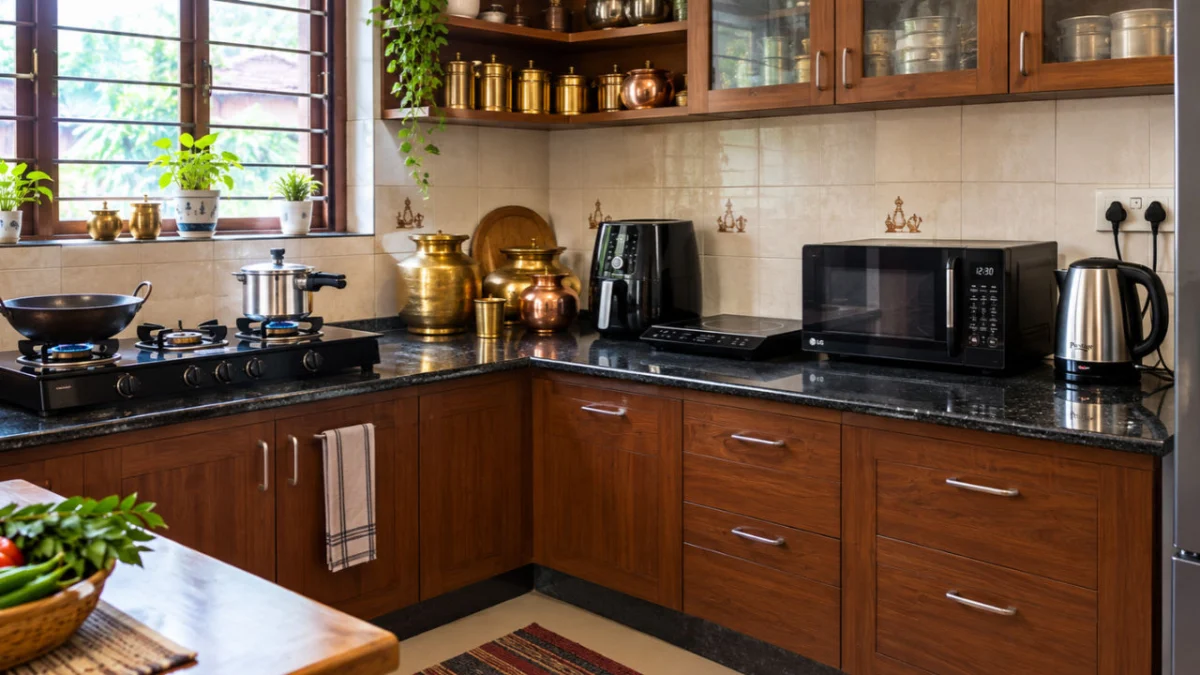
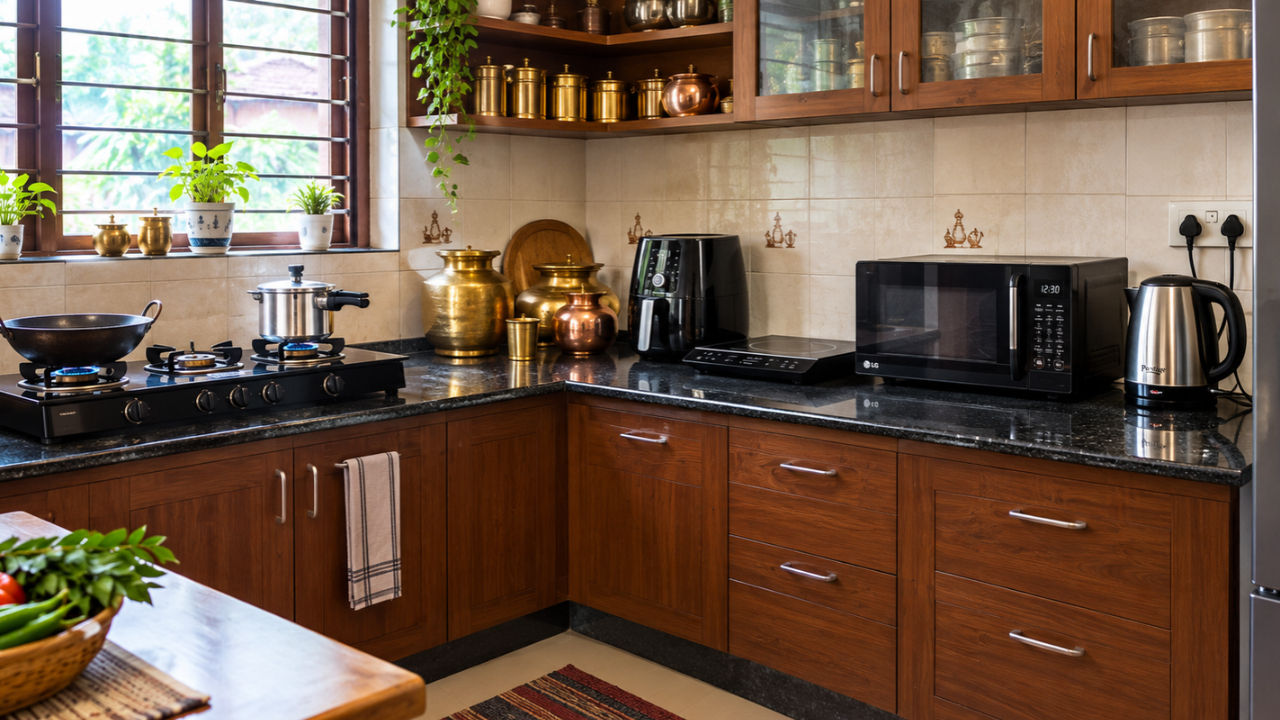
In the heart of the traditional Indian home, the kitchen has long been regarded as a sacred space—a place of labor, heritage, and the aromatic complexity of slow-cooked spices. However, over the last decade, and accelerated by the global pandemic, this space has undergone a radical metamorphosis. The "Smart Kitchen" is no longer a futuristic concept reserved for the elite; it is a burgeoning reality across urban and semi-urban India. From air fryers that promise guilt-free indulgences to induction cooktops that challenge the supremacy of LPG, the integration of technology into the culinary process is fundamentally altering how India eats, cooks, and manages time.
Main Facts: The Digitalization of the Indian Hearth
The modern Indian kitchen is currently defined by a pivot toward automation, precision, and health-consciousness. As lifestyles become increasingly sedentary yet professionally demanding, the consumer’s relationship with kitchen appliances has shifted from "luxury" to "essential utility."
Several key trends define this shift:
- Health-Centric Innovation: The rise of the air fryer is perhaps the most significant cultural phenomenon in the modern kitchen. By utilizing rapid air technology to mimic the results of deep-frying with up to 80% less oil, it addresses the rising concerns regarding lifestyle diseases like diabetes and hypertension in India.
- Energy Diversification: While Liquefied Petroleum Gas (LPG) remains the primary fuel source, induction cooktops and electric kettles are becoming secondary essentials. They offer a faster, safer, and often more cost-effective alternative for specific tasks like boiling water or quick sautéing.
- The Rise of the "Invisible Laborer": Dishwashers, once considered ineffective against the heavy oils and charred remains of Indian cooking (kadhais), have seen a massive surge in adoption. Improved technology specifically designed for Indian utensils has debunked old myths.
- Smart Integration: With the advent of IoT (Internet of Things), appliances are now connected to smartphones. Users can preheat ovens, monitor dishwashing cycles, or receive notifications when a meal is ready, all from their workstations.
Chronology: From the Chulha to the AI-Powered Oven
To understand the current state of the Indian kitchen, one must trace the technological evolution that brought us here.
The Traditional Era (Pre-1970s)
For decades, the Indian kitchen relied on the chulha (clay stove) using wood or coal. Cooking was a slow, arduous process that required constant monitoring. The arrival of the kerosene stove offered a slight improvement in portability but remained hazardous and soot-heavy.
The LPG Revolution (1970s – 1990s)
The introduction of the LPG cylinder was the first major technological disruption. It brought cleanliness, speed, and a controllable flame to the masses. During this period, the pressure cooker became the "hero" of the Indian kitchen, drastically reducing the time needed to cook lentils and meats.
The Entry of the Microwave (Late 1990s – 2010s)
As the Indian economy opened up, global brands introduced the microwave oven. Initially misunderstood as a tool for cooking entire meals, it eventually found its niche in Indian households as the ultimate reheating machine, facilitating the "leftover culture" necessitated by the rise of nuclear families and working couples.
The Smart Kitchen Era (2015 – Present)
The current era is defined by specialized appliances. The "one-size-fits-all" approach has been replaced by a suite of gadgets: air fryers, OTGs (Oven Toaster Grills), electric kettles, and high-speed blenders. The focus has shifted from mere "cooking" to "precision and health."
Supporting Data: Deep-Diving into the Appliance Impact
The transition to high-tech appliances is supported by a mix of economic necessity and health data.
1. The Air Fryer vs. Deep Frying Debate
Traditional Indian snacks like samosas, pakoras, and vadas are deep-fried, absorbing significant amounts of saturated fats. Data suggests that an air fryer uses approximately 1 tablespoon of oil for a batch of fries compared to 500ml used in traditional deep frying. For a middle-aged demographic increasingly wary of cholesterol, this 90% reduction in oil intake is a powerful incentive.
2. Induction Efficiency
Induction cooktops boast an energy efficiency of approximately 84-90%, compared to the 40-50% efficiency of gas stoves. Because induction uses electromagnetism to heat the vessel directly, there is minimal heat loss to the surrounding environment. In the sweltering heat of Indian summers, this also keeps the kitchen significantly cooler.
3. The Dishwasher Boom
Market reports indicate that the dishwasher segment in India grew by over 200% during the COVID-19 pandemic. As domestic help became unavailable, urban Indians turned to technology. Modern dishwashers now feature "Intensive 70°" programs that can dissolve the toughest grease from Indian spices, making them a viable long-term investment for the modern household.
Official Responses and Expert Insights
Industry experts and tech analysts suggest that the next frontier for kitchen appliances is Artificial Intelligence. According to insights from a recent Digit panel involving representatives from tech firms like Qubo and TP-Link, the focus is moving toward "contextual intelligence."
Expert Perspectives:
- On AI Integration: Analysts suggest that future refrigerators won’t just keep food cold; they will track inventory, alert users to expiring products, and suggest recipes based on available ingredients.
- On Durability: Manufacturers have had to respond to the unique Indian environment—fluctuating voltages and hard water. Official responses from leading brands like LG and Samsung emphasize that their Indian-market products now feature built-in stabilizers and specialized filters to handle these challenges.
- On Sustainability: There is a growing push from government bodies for "star-rated" kitchen appliances. Much like air conditioners, kitchen gadgets are now being scrutinized for their "Energy Star" ratings to ensure that the shift to electricity doesn’t result in a massive strain on the national power grid.
Lifestyle and Economic Implications
The enrichment of the kitchen with technology carries profound implications for the Indian social fabric.
The Redistribution of Labor
Historically, the kitchen has been a gendered space. However, the "gadgetization" of cooking has lowered the barrier to entry. Automated appliances with "set it and forget it" features make it easier for all family members to participate in meal preparation. A dishwasher or a programmed microwave reduces the "drudgery" of housework, allowing for a more equitable distribution of domestic labor.
The Economic Trade-off: Capex vs. Opex
While the initial investment (Capital Expenditure) for a smart kitchen is high—a premium air fryer can cost ₹15,000 and a dishwasher ₹40,000—the operational expenditure (Opex) and the "Value of Time" offer a different perspective. For a working professional, the 30 minutes saved by not having to scrub dishes or stand over a frying pan is worth more than the incremental increase in the electricity bill.
Health and Longevity
The long-term economic impact of a healthier diet facilitated by air fryers and steam cookers cannot be overstated. By reducing the intake of oil and preserving nutrients through precision cooking, these appliances act as a form of "preventative healthcare," potentially reducing future medical expenses related to heart disease and obesity.
The "Taste" Challenge
Despite the benefits, there remains a cultural resistance. Many purists argue that the mahek (aroma) of a slow-cooked curry on a gas flame cannot be replicated by an induction stove or a slow cooker. This "sensory gap" is the current challenge for manufacturers, who are now developing "charcoal" or "clay-pot" settings in digital ovens to mimic traditional flavors.
Conclusion: The Future of the Indian Plate
The Indian kitchen is currently in a state of hybrid existence. We are seeing a harmonious (and sometimes chaotic) blend of the old and the new—where a high-tech air fryer sits alongside a traditional stone batta (grinder). However, the trajectory is clear. As AI becomes more integrated and energy prices fluctuate, the reliance on smart, efficient, and health-oriented appliances will only deepen.
The transition from "cooking as a chore" to "cooking as a precise science" is not just about convenience; it is a reflection of a changing India—one that values its health, its time, and its technological prowess. While the flavors of the past remain the goal, the tools of the future are increasingly providing the means to reach them. The kitchen has evolved from a room of heat and smoke into a high-tech hub of health and efficiency, ensuring that while the methods change, the soul of Indian cuisine remains intact.