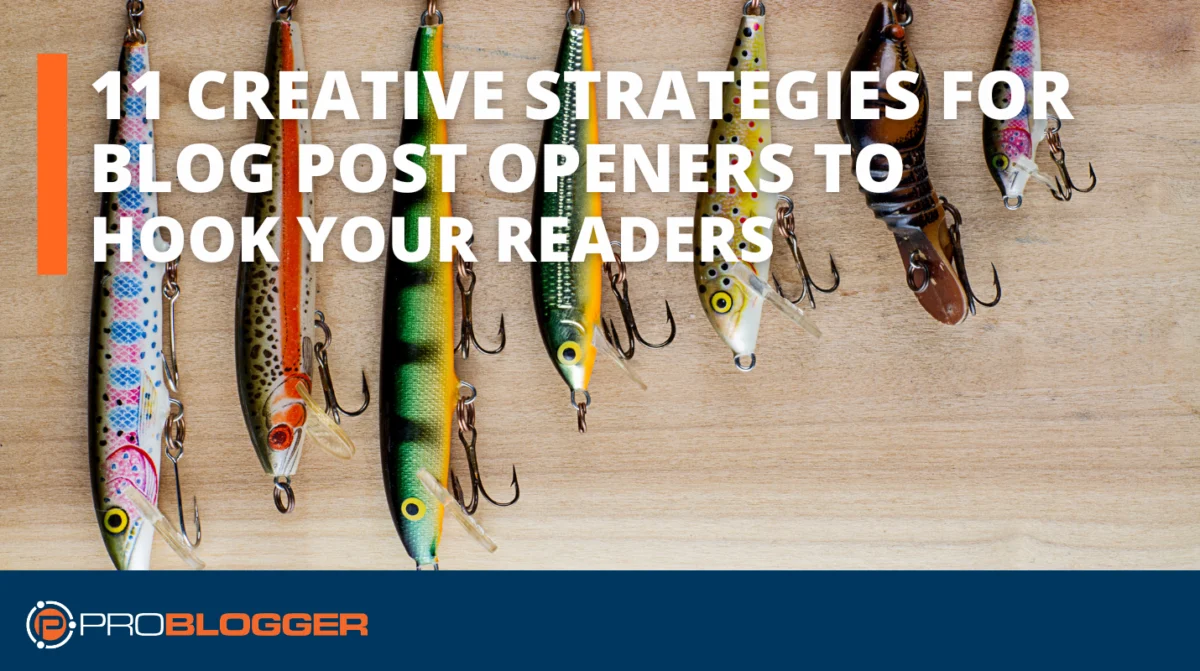
In the digital age, attention is the most valuable currency. With millions of blog posts published daily, the window of opportunity to capture a reader’s interest is often measured in milliseconds. If your headline is the storefront window that draws a passerby in, your opening line is the professional greeter who decides whether they stay to browse or walk out the door.
"My wife’s first words to me were… ‘Hi Michael, it’s nice to meet you.’ Which was both funny and memorable, since my name is Darren, not Michael!"
This anecdote serves as a perfect example of a narrative hook. It is human, slightly embarrassing, and immediately establishes a connection. It highlights a universal truth: the first words you write set the tone for the entire relationship between the author and the reader. If the title of your post is designed to get someone to click, the opening line is designed to ensure they don’t click away.
The Anatomy of Reader Engagement: Why the First Line Matters
The hierarchy of a blog post is clear: the title is the most important element, but the opening paragraph is the "closer." Its sole purpose is to bridge the gap between curiosity and consumption. When a reader scans your content, they are unconsciously asking, "Is this worth my time?" If your opening is sluggish, generic, or overly academic, you have already lost them.
Research into reader behavior suggests that the "inverted pyramid" style of journalism—essential in news—is equally vital in blogging. By leading with high-impact, high-emotion, or high-value sentences, you anchor the reader. Failing to do so results in a high bounce rate, signaling to search engines that your content lacks the substance or engagement to satisfy user intent.
11 Proven Strategies to Hook Your Audience
To master the craft of the opener, writers must move beyond the "Today I want to talk about…" style of introduction. Here are 11 strategic approaches to ensure your readers stay engaged from the very first word.
1. Identify and Articulate the Need
Every successful blog post functions as a solution to a specific problem. By explicitly identifying a reader’s pain point in the first sentence, you validate their reason for clicking. For example, if you are writing a guide on time management, opening with "If you feel like your to-do list is growing while your productive hours are shrinking, you aren’t alone," immediately signals that the content is relevant to their current struggle. You don’t need to solve the problem instantly, but you must acknowledge it to gain their trust.
2. The "Yes-Set" Technique: Asking One-Answer Questions
Copywriters have long used the "Yes-Set" technique to create psychological momentum. By asking a question to which the reader must mentally answer "Yes," you establish a rhythm of agreement. "Ever feel like you’re working harder but achieving less?" By nodding along, the reader enters the post with a positive disposition, already aligned with the premise of your argument.
3. Posing Intriguing Questions
While "Yes" questions build alignment, intriguing questions spark curiosity. These are designed to create a "knowledge gap"—the uncomfortable feeling of knowing there is information missing. A question like, "What if everything you’ve been told about SEO is actually hurting your rankings?" creates an immediate desire for resolution. It forces the reader to scroll down to see if their long-held beliefs are about to be dismantled.
4. The Power of the Unexpected
Humans are hardwired to notice deviations from the norm. If your blog typically features dry, analytical content, starting with a personal, self-deprecating story—like the "Darren vs. Michael" mix-up—acts as a pattern interrupt. It snaps the reader out of their passive, scrolling trance and demands a moment of genuine human connection.
5. Utilizing Stories and Analogies
Stories are the oldest form of communication. They bypass our analytical filters and speak directly to our emotions. An opening analogy can take a complex, dry concept and make it instantly digestible. Whether it’s a short anecdote about a past failure or a metaphor comparing blogging to gardening, stories provide a "hook" that is far more memorable than a list of bullet points.
6. The Bold Claim
If you want to establish authority, start with a bold assertion. A strong promise—such as "This is the only guide you will ever need to double your email subscribers"—sets a high bar. However, this strategy comes with a caveat: you must be able to deliver on the promise. If you make a bold claim and follow it with thin content, you will quickly lose credibility.
7. Stirring Controversy
Controversy is an attention magnet. By taking a firm, perhaps unpopular stance on a trending topic, you invite the reader to either champion your cause or prepare a counter-argument. Both reactions increase engagement. The key is to be intellectually honest; controversy for the sake of clicks can backfire if it comes across as manufactured or insincere.
8. Painting a Vivid Picture
Imagery is a powerful psychological tool. By asking readers to imagine a specific scenario—"Picture yourself waking up to a inbox full of sales notifications without having spent a dime on ads"—you engage their senses and emotions. This visualization technique makes the abstract benefits of your post feel tangible and immediate.
9. Highlighting Startling Statistics
Numbers carry weight. Starting with a shocking statistic—"90% of blogs receive zero traffic after their first year"—immediately highlights the stakes. Data-driven openings provide an objective reason for the reader to pay attention, lending an air of professionalism and research-backed authority to your work.
10. The Power of the Quote
A well-placed, evocative quote from an industry expert or a historical figure can lend instant gravity to your post. A quote acts as a "borrowed authority," signaling that your ideas are part of a larger conversation. When selecting a quote, ensure it is relevant and serves to illuminate your main point, rather than acting as mere window dressing.
11. Leading with Impactful Imagery
In an increasingly visual digital landscape, an image can be the most effective hook. A high-quality, relevant, or striking photo at the top of a post can draw the eye faster than any text. Often, readers will decide to commit to a post based solely on the visual impact of the hero image, which acts as a gateway to the written content.
Implications for Long-Term Content Strategy
The process of crafting an opening line is not merely a stylistic choice; it is a critical component of content strategy. A post that fails to engage in the first 50 words is a post that will underperform in search rankings and social shares.
As we look at the evolution of digital publishing, the "hook" is becoming more vital than ever. Algorithms prioritize user experience metrics—dwell time, bounce rate, and engagement. By focusing on the quality of your opening lines, you are not just being a better writer; you are optimizing your content for a more sustainable, engaged audience.
Conclusion: Refining Your Hook
There is no "one-size-fits-all" solution. The best writers cycle through these 11 strategies, ensuring that their openings remain fresh and surprising. The goal is to avoid the "ho-hum" state of passive consumption and move your reader into an active, interested state of engagement.
Next time you sit down to draft a post, look back at your first paragraph. Ask yourself: "Would I stop scrolling if I saw this?" If the answer is no, take a risk. Try a story, pose a bold question, or share a startling fact. Your readers—and your metrics—will thank you for it.