New Delhi | Sep 21, 2026
For millions of people living with hypertension, the daily ritual of taking prescribed medication is a cornerstone of cardiovascular health. It is a disciplined routine designed to keep the "silent killer"—high blood pressure (BP)—at bay. However, medical experts are increasingly concerned that while patients are diligent about their prescribed regimen, they may be unwittingly sabotaging their progress through the use of common over-the-counter (OTC) drugs, herbal supplements, and dietary additions.
"If you have high blood pressure, taking your prescribed medication is only half the battle," explains Dr. Sanjeev Chaudhary, Chairman of Cardiology at Marengo Asia Hospitals, Gurugram. "The other half involves being hyper-aware of what else enters your body. Many common substances can quietly raise blood pressure or, worse, render your life-saving treatment completely ineffective."
The Hidden Risks in Your Medicine Cabinet
The modern medicine cabinet is often filled with items we consider "benign" because they are available without a prescription. From relief for a common cold to managing a minor headache, these products are ubiquitous. Yet, their physiological impact on the cardiovascular system can be profound.
1. Painkillers: The NSAID Trap
Non-steroidal anti-inflammatory drugs (NSAIDs), such as ibuprofen and naproxen, are the most common culprits. While they are highly effective for inflammation and pain, they cause the kidneys to retain sodium and water, which increases blood volume and, subsequently, blood pressure. For a patient already on antihypertensive medication, this interaction can lead to a dangerous fluctuation in readings.
2. Cold and Allergy Medications
Many decongestants—specifically those containing pseudoephedrine or phenylephrine—work by constricting blood vessels to reduce nasal swelling. While this helps clear a stuffy nose, the vasoconstriction is systemic. It can cause blood pressure to spike, which poses a significant risk to those with pre-existing hypertension.
3. The Salt Content in Effervescent Tablets
A often-overlooked source of sodium is the effervescent tablet—the kind that dissolves in water for vitamins or pain relief. To make these tablets dissolve, manufacturers often use high amounts of sodium bicarbonate. For patients with hypertension, heart failure, or kidney disease, this "hidden" salt intake can be a major contributor to elevated blood pressure levels.
The "Natural" Fallacy: Supplements and Stimulants
Perhaps the most pervasive myth in modern wellness culture is that "natural" is synonymous with "safe." Dr. Chaudhary warns that this misconception is leading many patients into dangerous territory.
"Products containing liquorice (mulethi), ginseng, or ephedra are classic examples," Dr. Chaudhary notes. "Many people take these for energy, immunity, or weight loss, unaware that they can directly interfere with cardiovascular stability."
Herbal Interference
- Liquorice (Mulethi): Chronic consumption of true liquorice can lead to hypokalemia (low potassium) and hypertension by mimicking the effects of aldosterone, a hormone that regulates salt and water balance.
- Ginseng: While touted for its adaptogenic properties, ginseng can elevate blood pressure and interact negatively with medications like warfarin or calcium channel blockers.
- Ephedra: Once popular in weight-loss supplements, ephedra is a potent stimulant that carries a high risk of heart-related side effects, including dangerous BP spikes.
The Stimulant Surge
In the fitness community, the use of "pre-workout" supplements is standard practice. These products are often loaded with high doses of caffeine and other proprietary stimulants. When a person with hypertension consumes these, the resulting surge in heart rate and blood pressure can turn a standard gym session into a cardiovascular stress test.
Chronology of Awareness: How Hypertension Management Evolved
The understanding of drug-induced hypertension has evolved significantly over the last two decades.
- Early 2000s: Clinical focus was almost entirely on lifestyle factors like diet (the DASH diet) and exercise, with pharmacological intervention limited to primary prescriptions.
- 2010–2015: As OTC drug use surged, cardiologists began noticing "resistant hypertension" in patients who were technically compliant with their prescribed medications.
- 2020–2025: Large-scale studies and meta-analyses began to explicitly link NSAID use and certain supplements to the failure of first-line antihypertensive therapies.
- Present Day (2026): Medical guidelines now emphasize a "holistic drug audit" during routine check-ups, where physicians are encouraged to ask specifically about supplements and OTC usage.
Supporting Data and Clinical Implications
Data from global cardiovascular health organizations suggest that nearly 15–20% of patients with "uncontrolled" hypertension are actually experiencing drug-drug or drug-supplement interactions.
The Mechanism of Interaction
When an OTC drug raises blood pressure, it often works via three mechanisms:
- Renal Impact: Reducing the kidneys’ ability to excrete sodium (as seen with NSAIDs).
- Vasoconstriction: Directly narrowing blood vessels (as seen with decongestants and stimulants).
- Sympathetic Nervous System Activation: Increasing the "fight or flight" response, which raises heart rate and pressure.
For a patient with a history of heart failure or chronic kidney disease (CKD), these spikes are not merely inconveniences—they are triggers for potential cardiac events, such as arrhythmias or even hypertensive crises.
Official Guidance: The Path Forward
Medical authorities maintain that the primary directive is never to cease prescribed blood pressure medication without consulting a doctor. "The danger of stopping your BP medication because you believe it ‘isn’t working’ is far greater than the risk of the interactions themselves," says Dr. Chaudhary.
The Physician’s Checklist for Patients:
- Full Disclosure: Always provide your cardiologist with a comprehensive list of every pill, powder, and herbal tonic you consume.
- Read the Label: If you have high blood pressure, scan labels for sodium content, "stimulants," or warnings regarding "hypertension" or "heart conditions."
- Ask for Alternatives: If you need a painkiller, ask your doctor for an alternative to NSAIDs—such as acetaminophen (paracetamol), which generally has a neutral effect on blood pressure.
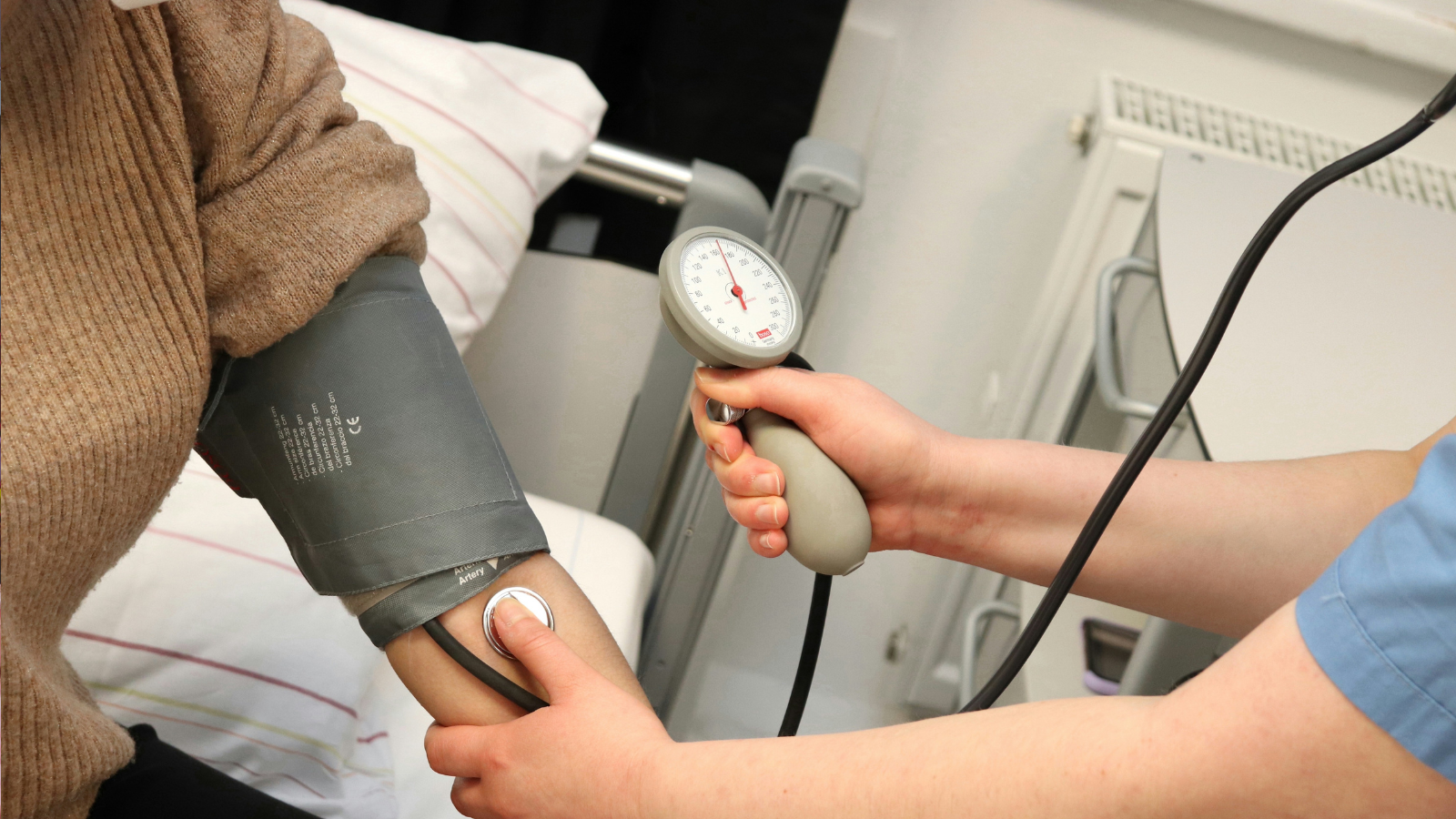
- Monitor Regularly: If you must take a new medication for a temporary ailment, increase the frequency of your home BP monitoring to catch any upward trends early.
Implications for Public Health
The rise of the "self-care" industry, which includes the unregulated sale of supplements, poses a mounting challenge for public health officials. Without standardized warning labels that specifically highlight risks for hypertensive patients, the burden remains on the consumer to be informed.
Health experts are calling for better patient education, suggesting that pharmacies should play a more active role. Pharmacists, being the first point of contact for OTC purchases, are ideally positioned to screen patients for potential interactions. "When you go to buy a cold medicine, tell the pharmacist, ‘I have high blood pressure,’" suggests Dr. Chaudhary. "That one sentence can prevent a cascade of cardiovascular issues."
Conclusion
Hypertension management is an active process that extends far beyond the daily pill box. It requires a vigilant lifestyle, a discerning eye for ingredients, and, most importantly, a collaborative relationship with a healthcare professional. By understanding the "silent saboteurs" lurking in common household medicines and supplements, patients can regain control over their health, ensuring that their efforts to manage blood pressure are not undermined by the very products they use to feel better.
Disclaimer: This article is based on information from the public domain and expert medical opinion. It is intended for educational purposes only. Always consult your healthcare practitioner before starting, stopping, or changing any medical routine, supplement, or over-the-counter medication.
© IE Online Media Services Pvt Ltd