
Achieving and maintaining a healthy weight is a journey that goes far beyond simple calorie counting. For women, the process is uniquely influenced by hormonal fluctuations, metabolic variations, and life stages—from the reproductive years through perimenopause and beyond. While the market is saturated with fad diets, the most effective approach remains rooted in clinical nutrition, sustainable lifestyle adjustments, and an understanding of physiological balance.
This comprehensive guide explores the evidence-based strategies, dietary protocols, and behavioral adjustments necessary for women to manage weight effectively.
1. The Physiology of Weight Management in Women
Weight management is a complex interplay between hormonal signaling and energy expenditure. Hormones like estrogen, progesterone, insulin, and cortisol play pivotal roles in how a woman’s body stores fat and utilizes energy.
- Hormonal Influence: Estrogen levels can impact fat distribution; for instance, fluctuations during the menstrual cycle or the transition into menopause often lead to increased abdominal fat storage.
- Metabolic Rate: As women age, the loss of muscle mass (sarcopenia) often leads to a decrease in the basal metabolic rate (BMR). Consequently, energy needs drop, making it essential to prioritize protein intake and strength training to preserve metabolic function.
- Cortisol and Stress: Elevated cortisol, often a byproduct of chronic stress, is strongly linked to insulin resistance and increased visceral fat, highlighting the importance of stress management in any weight loss program.
2. Evidence-Based Dietary Approaches
Research consistently suggests that restrictive diets fail because they are unsustainable. Instead, nutritional plans that focus on nutrient density and metabolic stability provide better long-term results.
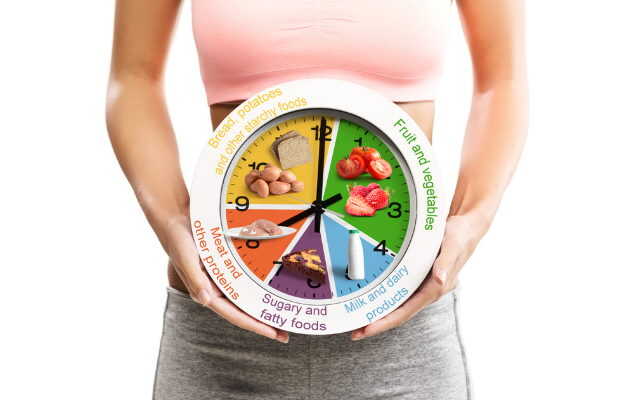
The Plant-Based Approach
A plant-forward diet emphasizes whole grains, legumes, nuts, seeds, and an abundance of vegetables. These foods are high in fiber, which promotes satiety and stabilizes blood sugar levels. Studies indicate that individuals following a plant-based diet often experience lower Body Mass Index (BMI) levels compared to those on traditional omnivorous diets.
The DASH Diet
Originally developed to stop hypertension, the Dietary Approaches to Stop Hypertension (DASH) diet has proven exceptionally effective for weight management. By focusing on low-sodium intake and high-potassium, magnesium, and calcium-rich foods, it improves cardiovascular health while facilitating steady weight loss. It discourages the consumption of processed sugars and red meats, replacing them with lean proteins and heart-healthy fats.
The "Noom" Behavioral Model
Modern weight loss has shifted toward cognitive behavioral therapy (CBT). Platforms like Noom emphasize the psychology of eating, helping women identify emotional triggers and develop healthier habits without completely eliminating food groups. By classifying foods based on caloric density rather than "good" or "bad" labels, users learn to make sustainable, autonomous choices.
3. Chronology of Nutritional Success: A 7-Week Framework
Sustainable weight loss is not an overnight occurrence. A phased approach allows the body to adapt to changes without triggering a "starvation mode" or metabolic slowdown.

- Weeks 1-2: Metabolic Reset. Focus on hydration and the elimination of refined sugars. Introduce more high-fiber vegetables to improve gut health.
- Weeks 3-4: Macronutrient Balancing. Incorporate consistent lean protein sources (chicken, fish, lentils, or tofu) at every meal to maintain muscle mass.
- Weeks 5-6: Behavioral Integration. Focus on mindful eating. Practice portion control and listen to hunger cues rather than eating by the clock.
- Week 7: Stabilization and Maintenance. Evaluate progress and adjust caloric intake to support long-term maintenance rather than aggressive loss.
4. Supporting Data and Clinical Insights
Clinical studies on weight loss demonstrate that the quality of food often supersedes the quantity.
- Protein and Satiety: Increasing protein intake to 25-30% of total daily calories can boost metabolic rate by up to 100 calories per day and significantly reduce cravings.
- The Fiber Advantage: Research shows that for every 10-gram increase in daily fiber intake, there is a measurable reduction in visceral fat accumulation over a five-year period.
- Weight Loss Success Rates: Data from major health organizations suggests that women who incorporate strength training alongside a dietary intervention lose more fat and less muscle compared to those who focus solely on cardiovascular exercise.
5. Implications for Long-Term Health
Weight management is not merely an aesthetic goal; it is a vital health intervention.
Reducing Chronic Disease Risk
Excess body fat, particularly around the midsection, is a known risk factor for type 2 diabetes, metabolic syndrome, and certain types of cancer. By achieving a healthy weight, women can:
- Improve Insulin Sensitivity: Reducing the burden on the pancreas.
- Enhance Cardiovascular Function: Lowering blood pressure and cholesterol levels.
- Support Bone Health: Reducing the physical load on joints and preventing early onset osteoarthritis.
The Importance of Consistency
The primary implication of modern nutritional science is that consistency is the only shortcut. Rapid weight loss often results in muscle loss and a subsequent rebound effect (yo-yo dieting). A moderate, steady loss of 0.5 to 1 kilogram per week is considered the gold standard for long-term success.

6. Official Guidelines and Professional Recommendations
Health experts and nutritionists generally agree on several universal pillars for women’s weight loss:
- Consultation: Before embarking on a significant weight loss program, consult with a registered dietitian or a medical professional to rule out underlying issues such as PCOS (Polycystic Ovary Syndrome) or thyroid dysfunction.
- Hydration: Water is essential for lipolysis (fat burning). Aim for 2-3 liters daily.
- Sleep Hygiene: Quality sleep (7-9 hours) is as important as diet. Lack of sleep increases ghrelin (the hunger hormone) and decreases leptin (the satiety hormone).
- Strength Training: Aim for at least two to three days of resistance training per week to maintain a healthy BMR.
A Note on Supplements
While the market is flooded with "fat-burning" supplements, the clinical evidence for most is weak or non-existent. Traditional Ayurvedic approaches, such as the use of Medarodh or other herbal preparations, may support metabolic health, but they should always be used as an adjunct to a balanced diet and exercise, not as a replacement.
Conclusion
The path to a healthy weight for women is not found in the latest trend, but in the consistent application of science-backed habits. By balancing hormonal health, prioritizing high-quality nutrition, and fostering a positive psychological relationship with food, women can achieve lasting results. Remember, weight loss is a personal journey—one that requires patience, self-compassion, and a focus on long-term vitality rather than temporary results.
Disclaimer: This article is for informational purposes only. Always consult a healthcare provider before beginning any new diet or exercise regimen.