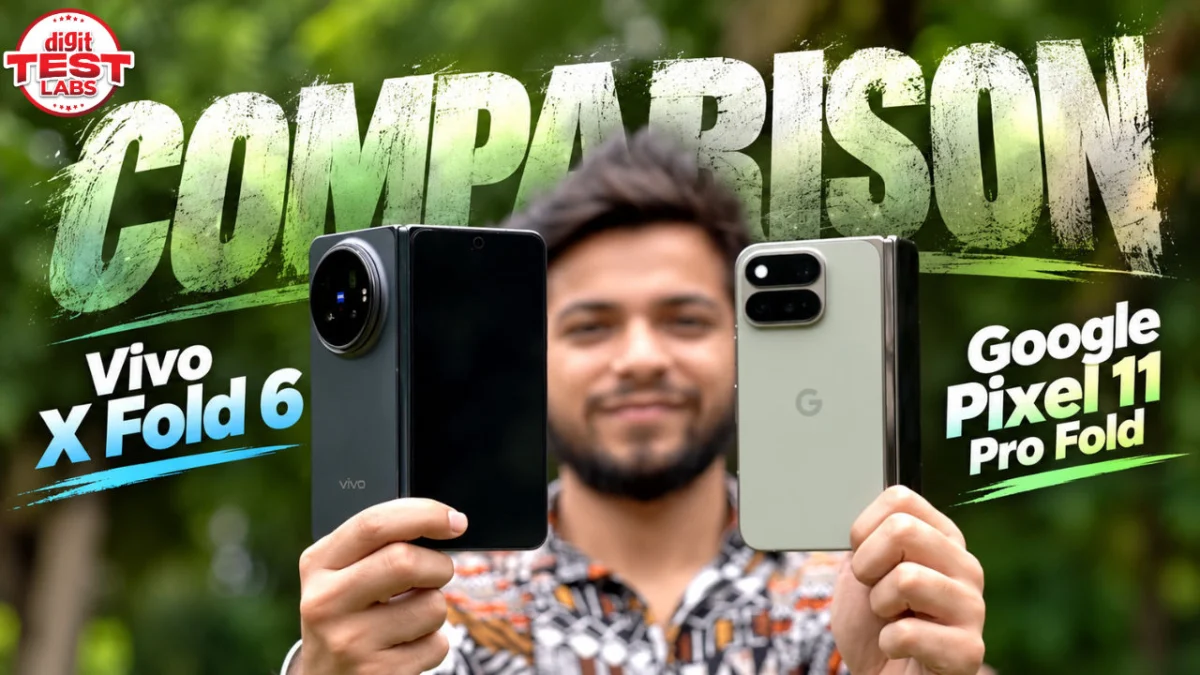
The premium smartphone market has undergone a radical transformation. No longer is the novelty of a folding screen enough to justify a price tag hovering near the Rs 2 lakh mark. Today’s consumers demand a device that serves as a professional-grade camera, a high-performance gaming rig, a long-lasting workstation, and a seamless multitasking tool—all while maintaining a form factor that survives the rigors of daily use.
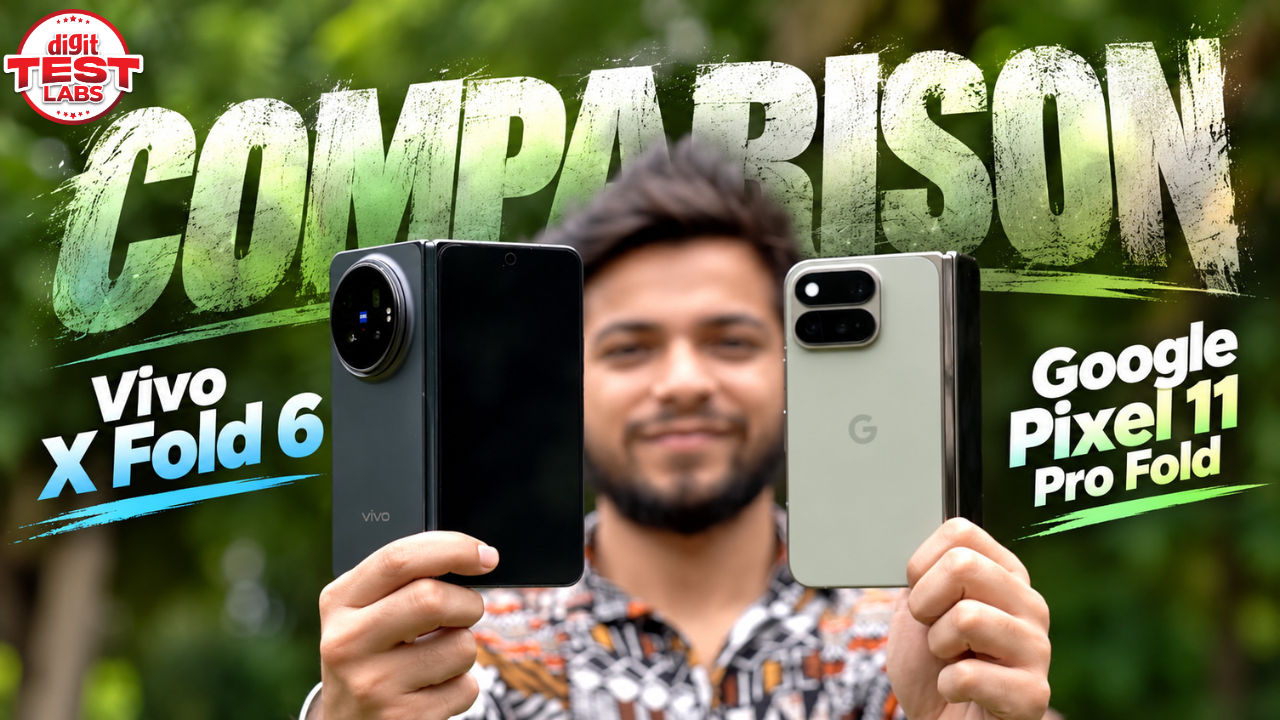
At the Digit Test Labs, we subjected two of the most anticipated foldables of the year to a grueling series of benchmarks and real-world evaluations: the Vivo X Fold 6 and the Google Pixel 11 Pro Fold. The results reveal a fascinating dichotomy in the world of mobile engineering. On one hand, Vivo offers a masterclass in raw hardware prowess, featuring a staggering 200MP camera and a massive battery. On the other, Google leverages its software ecosystem and AI-first philosophy to create a refined, intuitive experience.
Main Facts: The Tale of the Tape
Before diving into the nuances of user experience, it is essential to look at the foundational specifications that define these two devices.
| Feature | Vivo X Fold 6 | Google Pixel 11 Pro Fold |
|---|---|---|
| Chipset | MediaTek Dimensity 9500 Super Edition | Google Tensor G6 |
| Main Camera | 200MP (OIS) + 50MP Tele + 50MP UW | 48MP (OIS) + 10.8MP Tele + 10.5MP UW |
| Battery | 6,900mAh (80W Wired) | 4,806mAh (30W Wired, Qi2 Support) |
| Folded Thickness | 9.4mm | 10.1mm |
| Weight | 228 grams | 239 grams |
| Durability | IP58, IP59, IPX8, IPX9 | IP68 |
| Software | OriginOS 7 (Android 17) | Pixel Experience (Android 17) |
| Price | Rs 2,19,999 | Rs 1,86,999 |
Chronology: The Evolution of the Foldable Standard
The journey to these devices represents a significant shift in the industry. Early foldables were plagued by fragile hinges, prominent creases, and compromised battery life.

By the time we reached the current generation, both Vivo and Google had clearly identified their unique paths. Vivo’s strategy has been one of "Maximum Hardware," attempting to fit the specs of a flagship "Ultra" slab phone into a folding body. Google, conversely, has spent the last few years refining the "Foldable UX," moving away from the narrow, remote-control-like outer screens of the past toward a more traditional aspect ratio that makes the device usable even when closed.
Design and Ergonomics: Thinness vs. Practicality
When you invest nearly a quarter of a million rupees into a handheld device, the tactile experience is paramount.
Vivo X Fold 6:
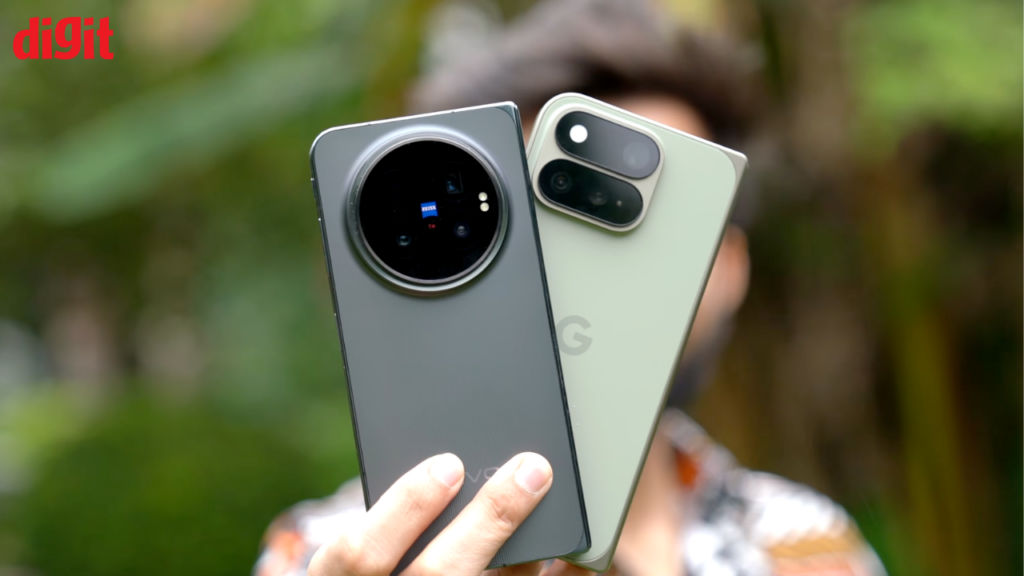
The Vivo follows a traditional book-style aesthetic. We tested the "Prism Black" variant, which distinguishes itself with fine vertical lines that offer a sophisticated texture compared to standard matte finishes. Despite its massive internals, the Vivo is an engineering marvel at 9.4mm when folded and a mere 4.4mm when unfolded. At 228 grams, it is notably lighter than its competitor, a difference that becomes apparent after an hour of one-handed use. However, the large circular camera module on the rear is quite pronounced, causing the phone to wobble when placed on flat surfaces.
Google Pixel 11 Pro Fold:
Google has opted for an understated, premium feel. The back features a satin-textured glass fiber composite, framed by sturdy aluminum. While it is thicker (10.1mm) and heavier (239g) than the Vivo, the Pixel wins on "pocketability" due to its wider outer display. When folded, the Pixel 11 Pro Fold feels remarkably like a standard smartphone, reducing the "need" to unfold the device for quick tasks like replying to a message or checking a map.
Durability:
Vivo takes the lead in environmental protection, offering a complex array of ratings including IP58, IP59, and IPX9, suggesting better resistance against high-pressure water jets. The Pixel sticks to the industry-standard IP68 rating, which is more than sufficient for accidental submersions but less comprehensive than Vivo’s specialized protections.
Supporting Data: Display Performance and Lab Results
The heart of a foldable is its screen. Our Digit Test Labs conducted rigorous testing on brightness, color accuracy, and gamut coverage.
The Brightness Paradox
One of the most surprising findings involved manufacturer claims versus actual measured performance.
- Vivo advertised a peak brightness of 5,000 nits. However, in our controlled lab environment, we measured 3,200 nits on the cover screen and 2,860 nits on the inner display.
- Google claimed a more modest 3,600 nits. In our tests, the Pixel actually exceeded its rating on the outer screen, hitting 3,750 nits, while the inner display reached 3,220 nits.
Implication: Despite the lower advertised number, the Pixel 11 Pro Fold provides a brighter, more legible experience in direct sunlight.
Color Fidelity
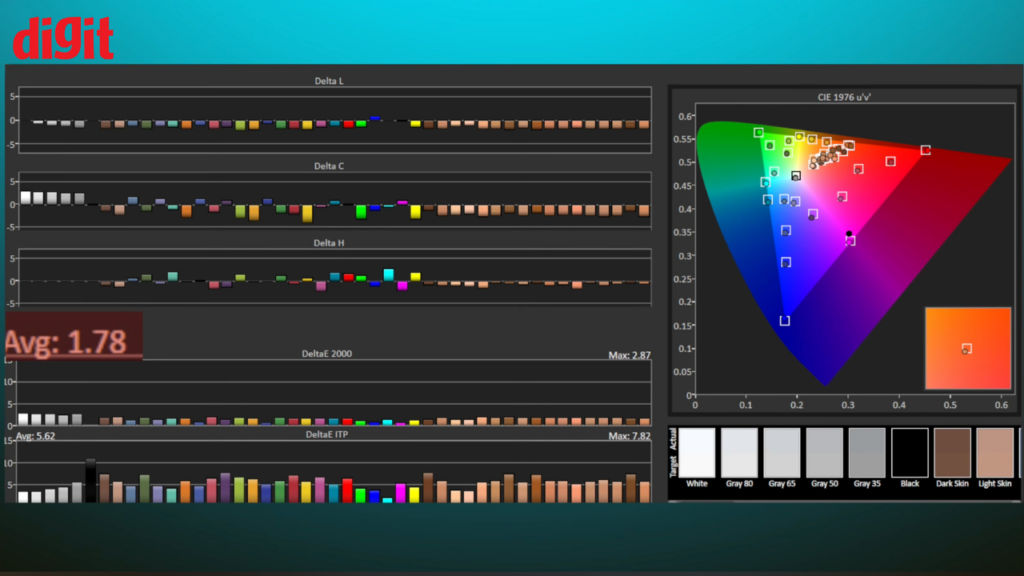
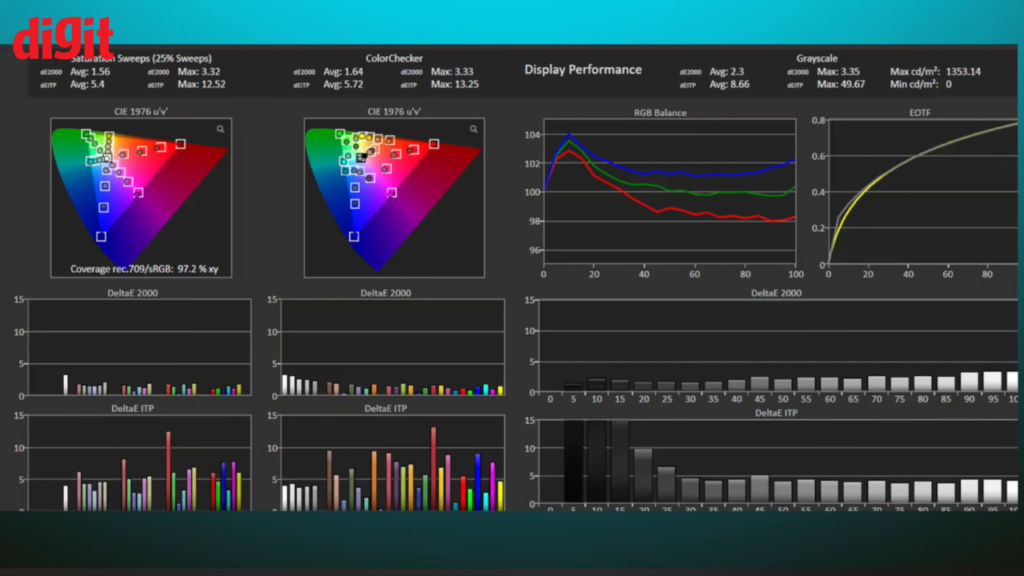
Using Calman color calibration software, we measured the Average Delta E (where a lower score indicates higher accuracy):
- Google Pixel 11 Pro Fold: 1.64
- Vivo X Fold 6: 1.78
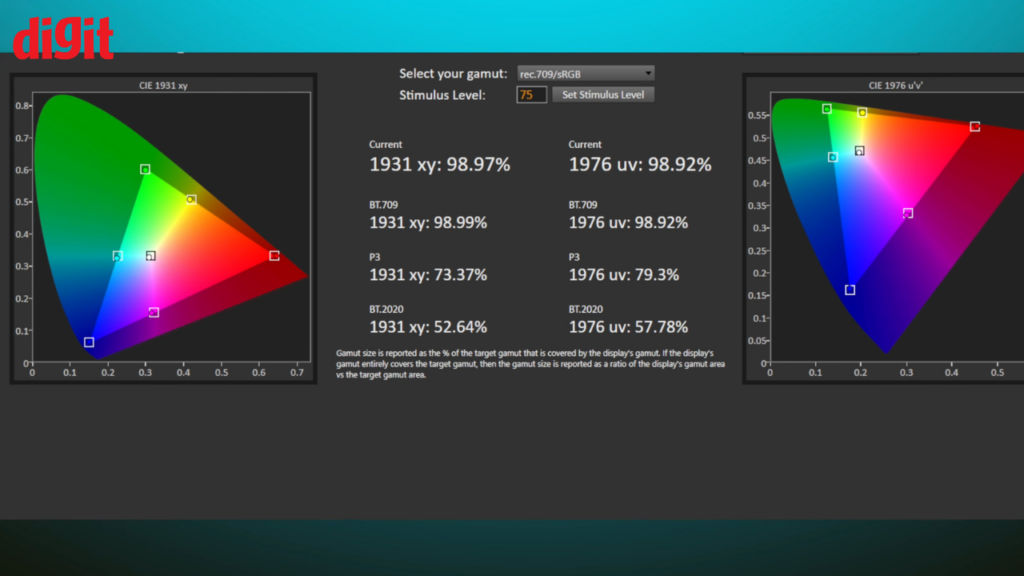
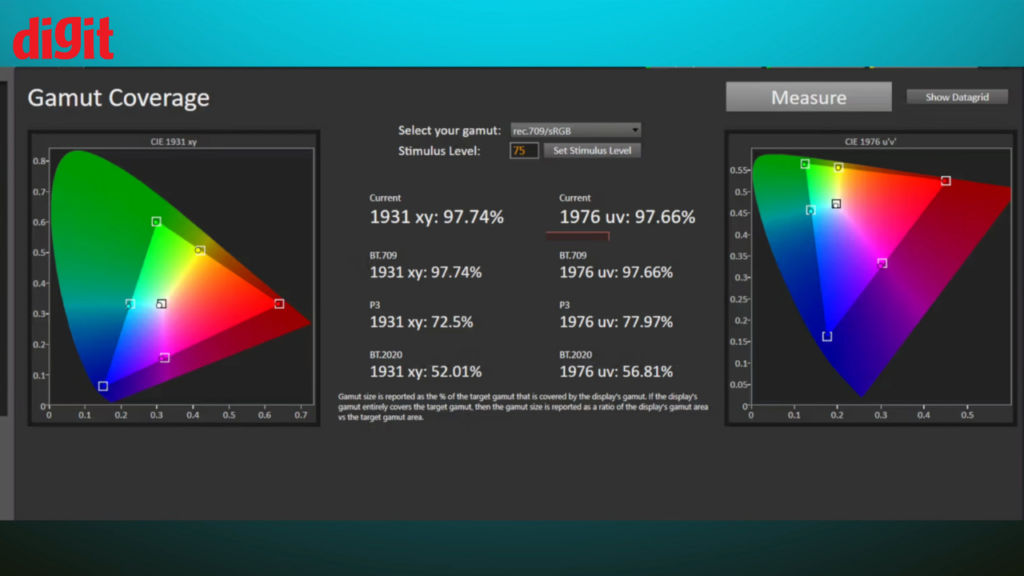
While the Pixel is more accurate, the Vivo covers more of the color gamut (98.92% vs. 97.66%), leading to more vibrant, "punchy" visuals. In real-world testing—streaming Alchemy of Souls on Netflix—the Pixel’s OLED panel produced more natural skin tones and better-calibrated shadows.
Performance and Gaming: The Power Gap
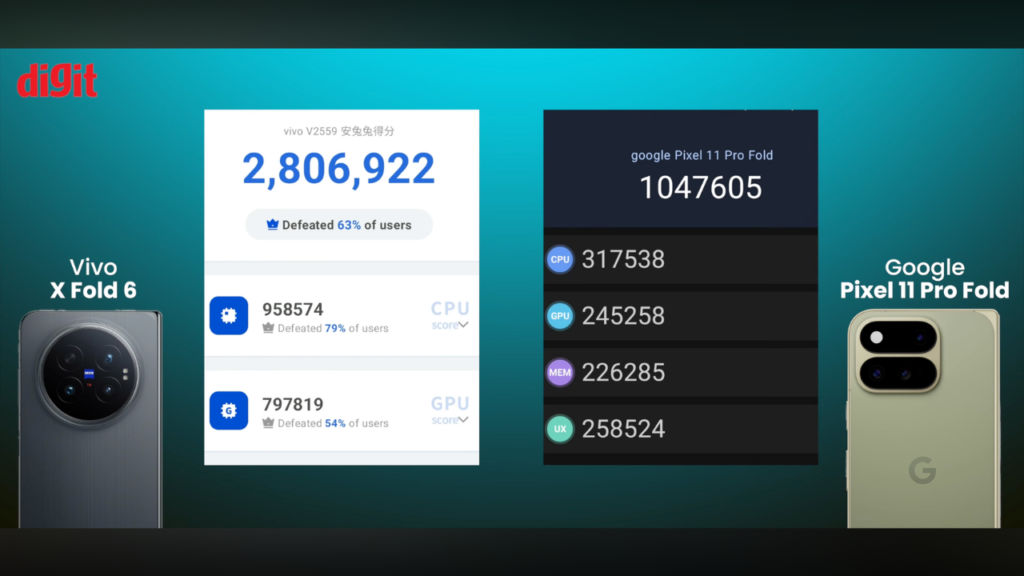
The performance section is where the two devices diverge most sharply. The Vivo X Fold 6 utilizes the MediaTek Dimensity 9500 Super Edition, while the Pixel relies on Google’s in-house Tensor G6.
Benchmark Breakdown
- Antutu: Vivo (2,806,922) vs. Pixel (1,047,605). The Vivo is nearly three times more powerful in this synthetic aggregate.
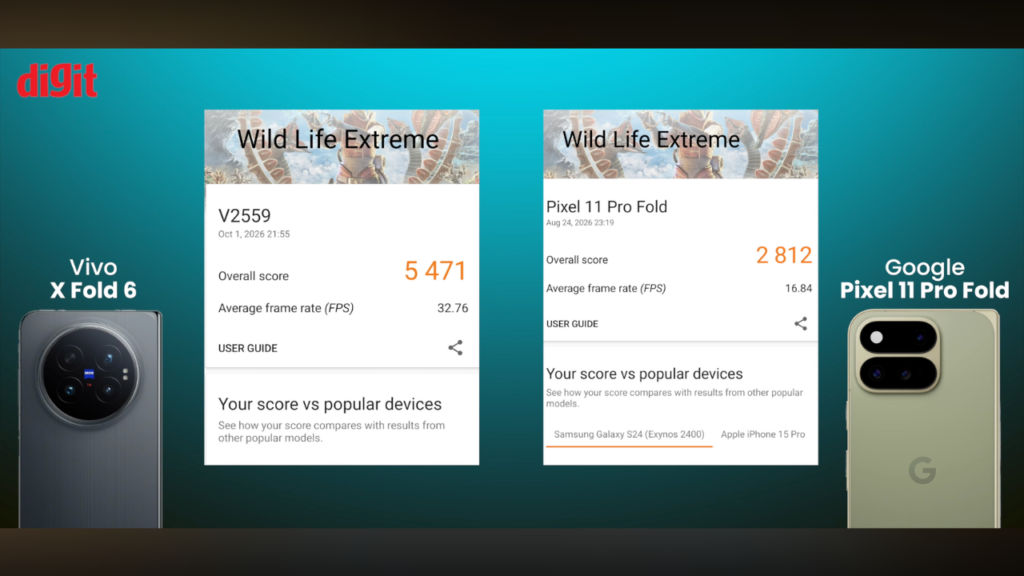
- 3DMark Wild Life Extreme (GPU): Vivo (5,471) vs. Pixel (2,812). Vivo provides nearly double the graphics processing power.
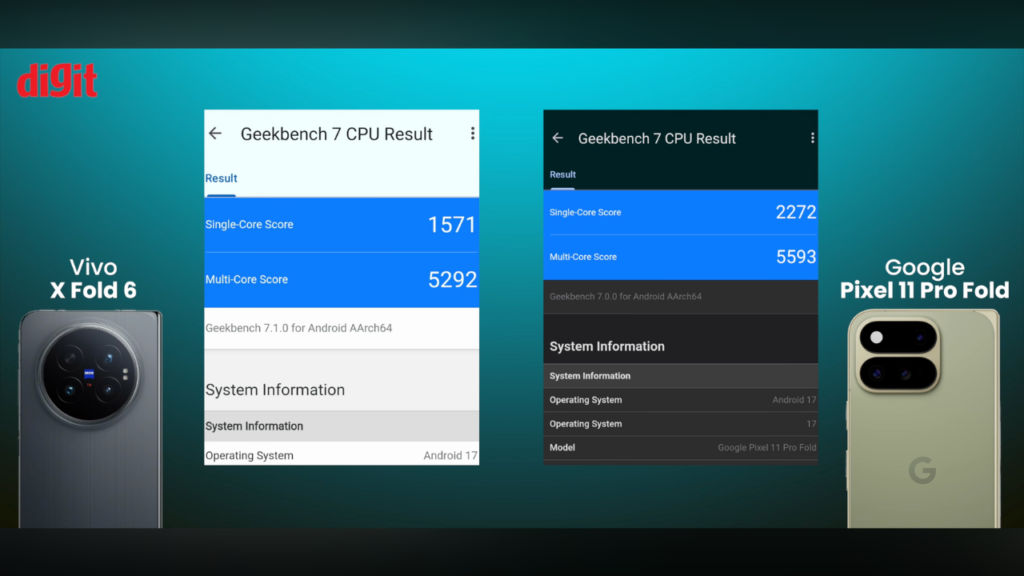
- Geekbench (Multi-core): The gap narrows here, with the Pixel (5,593) actually edging out the Vivo (5,292), showcasing Google’s optimization for CPU-heavy tasks.
The Thermal Reality
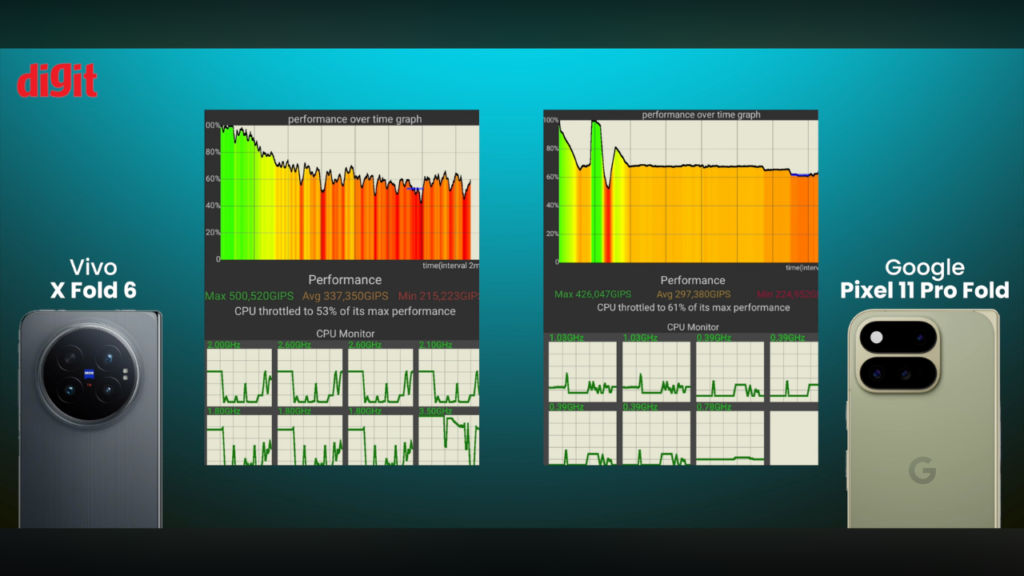
Interestingly, neither phone is a thermal champion. In our CPU throttling test, the Vivo’s performance dropped to 53% stability under sustained load, while the Pixel held onto 61%. This indicates that while the Vivo has a much higher ceiling, it struggles to stay there during long gaming sessions.
The Gaming Disappointment:
Despite the high price points, we were disappointed to find that neither device supports 120 FPS gaming. The Vivo maxes out at 90 FPS in BGMI, while the Pixel is capped at 60 FPS. For a Rs 2 lakh investment, the lack of 120 FPS support remains a significant missed opportunity.
Software and Multitasking: Two Schools of Thought
Both devices run Android 17, but their philosophies couldn’t be more different.
Vivo’s Origin Workbench:
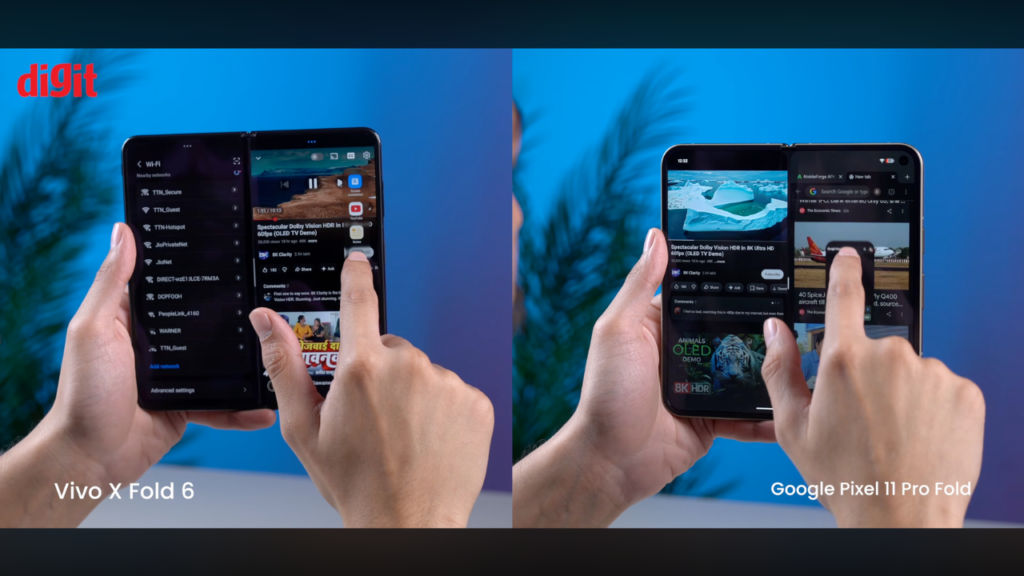
Vivo treats the inner screen like a desktop replacement. The "Multi-Split Screen" feature allows for up to four apps to run simultaneously. During testing, we were able to have a Word document, an email client, a web browser, and a calculator all open at once without any lag. It is a power user’s dream.
Google’s Pixel Experience:
Google focuses on "Intelligent Multitasking." Instead of cluttering the screen, the Pixel uses AI to predict which apps you need and integrates Gemini deeply into the OS. The 16GB of RAM ensures that background apps never close, but the interface feels much more like a "big phone" rather than a "small computer."
Camera Systems: ZEISS Optics vs. Google AI
The Vivo X Fold 6 features a monstrous 200MP primary sensor co-engineered with ZEISS. The Pixel 11 Pro Fold uses a 48MP sensor backed by Google’s legendary computational photography.
- Main Sensor: Both excel in daylight. Vivo’s shots are social-media ready with high saturation, while Google’s are more "true-to-life."
- Portraits: Vivo is the clear winner here. The ZEISS integration provides superior edge detection and a more natural "bokeh" (background blur). It managed to perfectly isolate fine strands of hair that the Pixel occasionally blurred.
- Ultrawide: Vivo’s 50MP sensor captures significantly more detail than the Pixel’s 10.5MP unit.
- Telephoto: The Pixel counters with a 5x periscope zoom, which is better for distant subjects compared to Vivo’s 3x optical zoom.
Battery Life and Charging: A One-Sided Victory
The battery department is perhaps the most decisive win for Vivo.
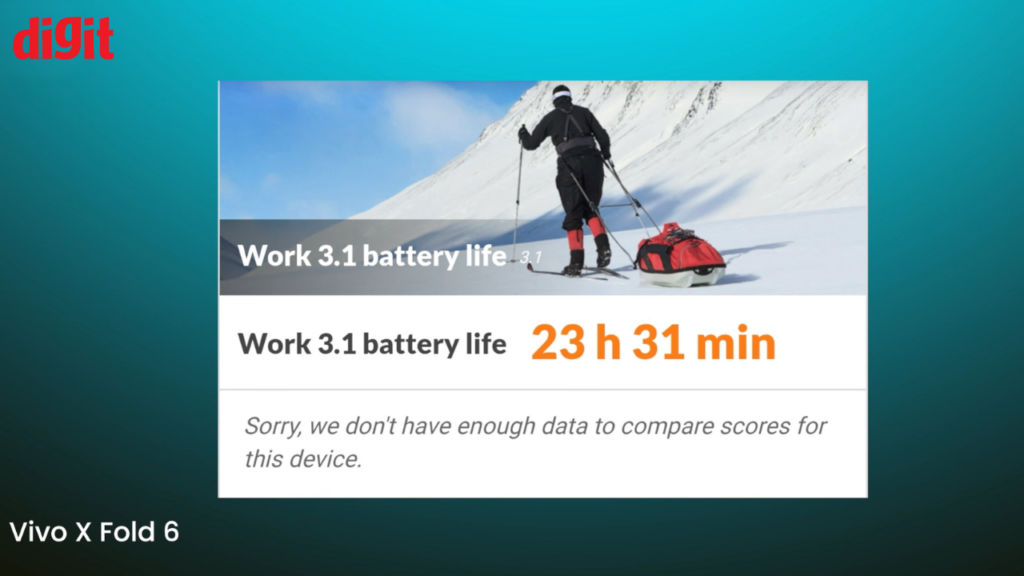
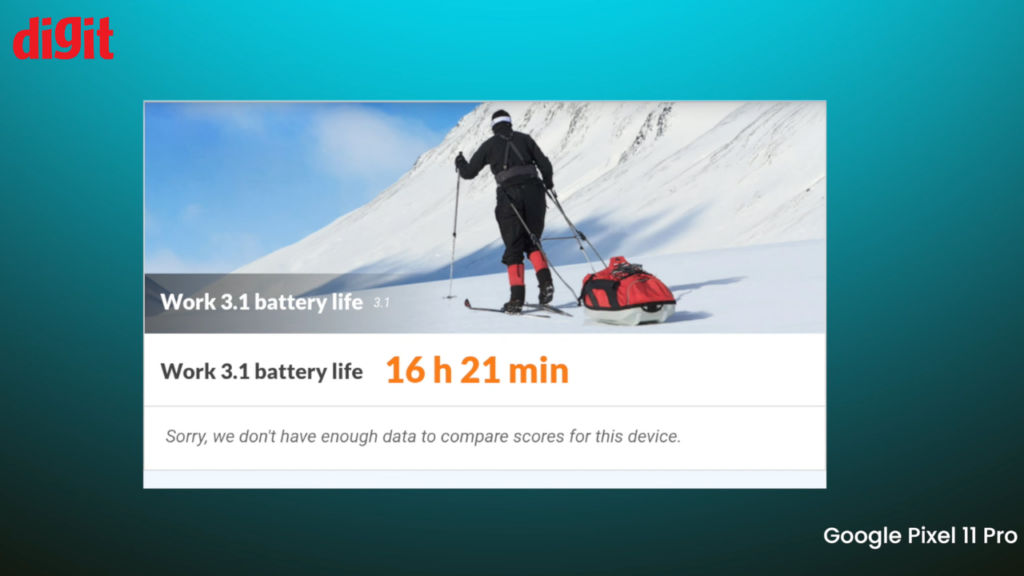
- Endurance: In the PCMark battery test, the Vivo lasted a staggering 23 hours and 31 minutes. The Pixel managed 16 hours and 21 minutes.
- Real-world Drain: An hour of Google Maps navigation consumed only 4% of Vivo’s battery, compared to nearly 9% on the Pixel.
- Charging Speed: Vivo’s 80W charging refills the 6,900mAh tank in 70 minutes. The Pixel, despite having a much smaller battery, takes 101 minutes to charge at 30W.
Google’s only advantage here is the inclusion of Qi2 magnetic wireless charging, allowing for a more modern ecosystem of accessories.
Official Responses and Lab Implications
While the manufacturers have not issued specific rebuttals to our test results, the data from Digit Test Labs suggests a clear trend: The hardware-software trade-off.
Our testing implies that Vivo is pushing the limits of physical engineering—trying to see how much power and battery can fit into a 9.4mm frame. Google, meanwhile, seems to be signaling that "specs don’t matter as much as the experience," prioritizing color accuracy and software fluidity over raw benchmark scores.
Final Implications: Which Foldable Should You Buy?
The choice between these two devices boils down to your personal priorities and your budget.
Choose the Vivo X Fold 6 if:
- You are a mobile gamer who needs the highest possible frame rates and GPU power.
- You are a "battery-anxious" user who needs a device that can reliably last two days.
- You prioritize high-resolution photography and professional-looking portraits.
- You don’t mind paying a Rs 33,000 premium for cutting-edge hardware.
Choose the Google Pixel 11 Pro Fold if:
- You prefer a device that feels like a normal phone when closed.
- You value software cleanlines, AI integration, and long-term Google support.
- You want a more color-accurate screen for professional photo editing or media consumption.
- You want to save Rs 33,000 while still getting a top-tier foldable experience.
In the final analysis, the Vivo X Fold 6 is the superior "machine," but the Google Pixel 11 Pro Fold remains the more "refined" companion. At this price point, there are no losers—only different visions of the future.