In the volatile world of consumer electronics, the phrase "price adjustment" has become the industry’s favorite euphemism for a cost increase. As global supply chains continue to wrestle with fluctuating raw material costs—specifically the surging prices of DRAM and high-speed NAND storage—major smartphone manufacturers are passing the burden of these expenditures directly to the consumer.
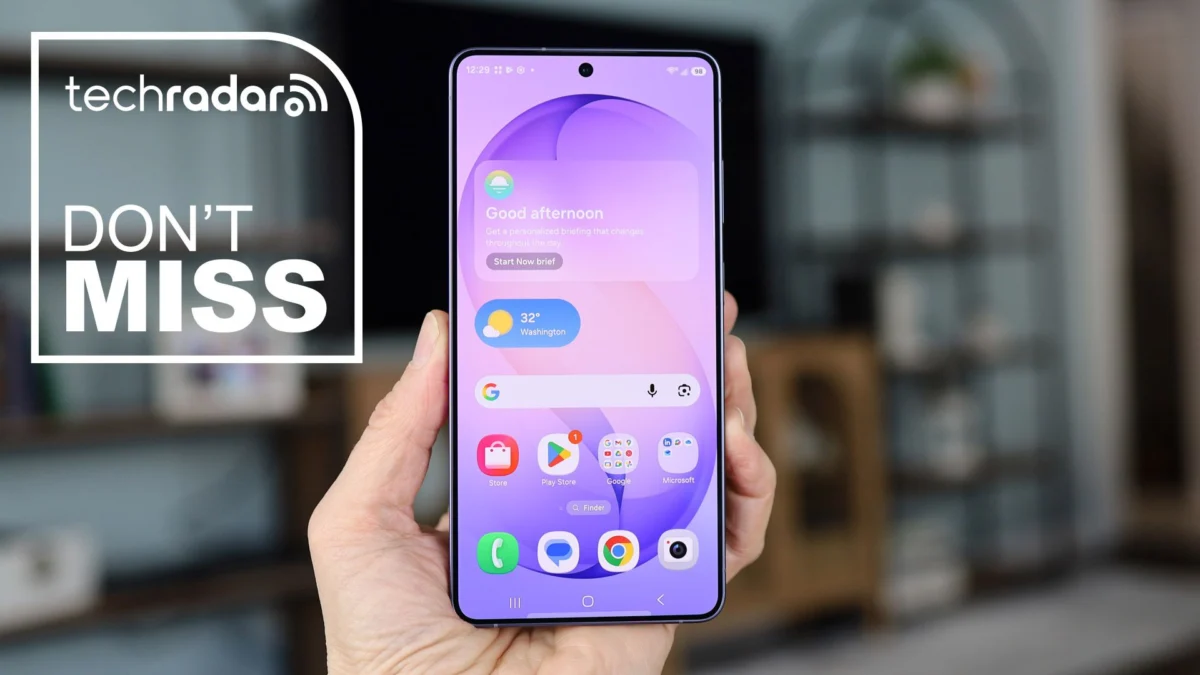
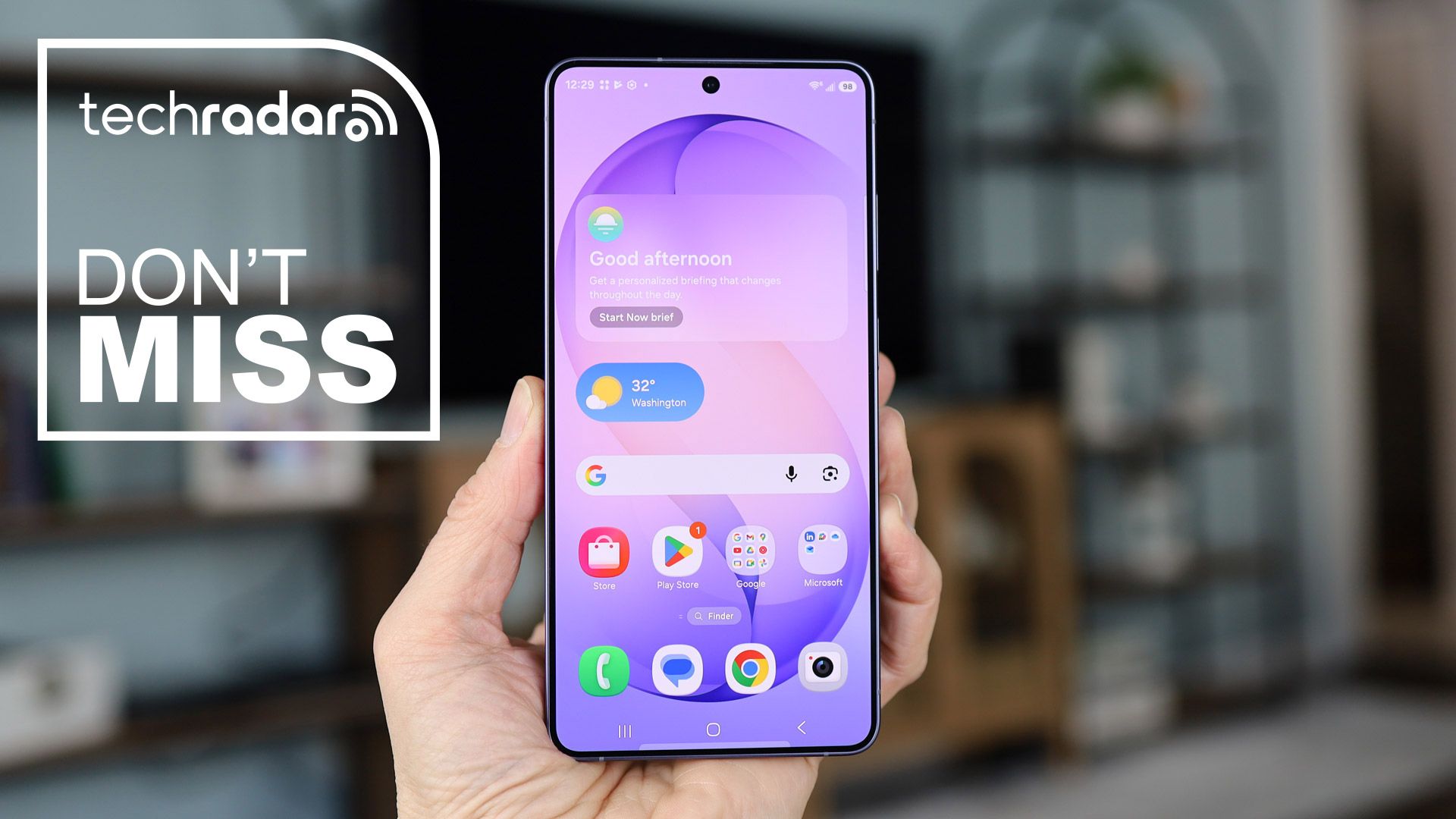
Samsung, the world’s leading smartphone producer, is the latest titan to succumb to this economic pressure. Following in the footsteps of Apple and Google, both of whom recently hiked prices across their flagship portfolios, Samsung has officially raised the retail prices for its Galaxy S26 lineup in Australia. For consumers hoping to upgrade, this development creates a challenging market environment, though, as is often the case, the savvy shopper can still find relief through third-party retail channels.
The Current Landscape: A Ripple Effect of Costs
The smartphone industry is currently grappling with a "perfect storm" of economic factors. Semiconductor manufacturing, while advancing at a breakneck pace, remains susceptible to geopolitical tensions and the soaring cost of refined materials. RAM and flash storage—the backbone of every modern smartphone—have seen significant price volatility over the last twelve months.
When Apple implemented its broad-spectrum price hikes, analysts noted that it was an inevitable reaction to the rising cost of memory components. Google followed suit with its Pixel 11 series, and now, the Samsung Galaxy S26 series, which launched to much fanfare earlier this year, has seen its RRP (Recommended Retail Price) climb. The shift is not merely a reflection of inflation; it is a recalibration of the premium tier of the mobile market.
Chronology: From Launch to the Recent "Adjustment"
The Samsung Galaxy S26 journey has been a study in market dynamics. When the devices debuted in March, they were met with praise for their refined design and hardware specifications. At launch, the base model Galaxy S26 was priced at AU$1,399.
However, the hardware narrative for the S26 was defined by significant upgrades: a transition to a larger 6.3-inch display (up from 6.2 inches) while maintaining the same physical footprint, and a welcome shift to 256GB of base storage, doubling the 128GB capacity found in the S25.
For several months, these devices enjoyed a period of relative price stability, punctuated only by the standard promotional cycles seen during the Australian End of Financial Year (EOFY) sales and Amazon Prime Day. These events offered consumers a chance to pick up the flagship hardware at a discount.
However, earlier this month, the market shifted. Samsung enacted a sweeping price increase across the S26 lineup, with models seeing jumps between AU$100 and AU$250. The base S26, which started at AU$1,399 at launch, saw its price creep up to AU$1,549 shortly thereafter, and it now sits at an official RRP of AU$1,649. This represents a significant cumulative increase, turning what was once a competitively priced flagship into a more exclusive investment.
Analyzing the Hardware: Is the S26 Still Worth the Price?
Despite the price hikes, the Samsung Galaxy S26 remains a powerhouse of modern engineering. In our comprehensive review, we highlighted several key areas where the device excels:
- The AMOLED Advantage: The S26 continues to utilize one of the best display panels in the industry. With high peak brightness and vivid color reproduction, it remains a gold standard for media consumption.
- Camera Versatility: While the sensor hardware is iterative, the image processing pipeline remains highly reliable, offering consistent performance in both low-light and daylight scenarios.
- Storage and Longevity: The move to 256GB as the baseline storage is a critical improvement. In an era where mobile apps, 4K video recording, and high-resolution assets are the norm, 128GB has become woefully inadequate.
However, the device is not without its controversies. The most significant point of contention for the Australian market is the processor. While US models benefit from the high-performance Snapdragon 8 Elite chipset, Australian units are equipped with Samsung’s own Exynos 2600 processor. While independent testing from outlets like Tom’s Guide suggests that the performance delta between the two chips is marginal in real-world scenarios—often imperceptible to the average user—the perception of "getting less for more" continues to frustrate local consumers.
Furthermore, our review noted the device’s charging limitations. The 25W wired charging speed is increasingly sluggish compared to competitors in the Chinese market, who are pushing 80W, 100W, and beyond. Additionally, the lack of full, native Qi2 wireless charging support remains a missed opportunity for a device at this price point.
The "Silver Lining": Finding Value in the Retail Maze
While official pricing has risen, the retail market tells a different, more optimistic story. Because the price hikes are primarily reflected in direct-from-manufacturer channels, third-party retailers—particularly platforms like Amazon—have been slower to match these increases.
Currently, savvy buyers can find the 256GB base Galaxy S26 for as low as AU$1,127. This represents a staggering 32% discount compared to Samsung’s revised RRP. For those who were waiting for a sign to upgrade, this price point transforms the S26 from a "premium-priced luxury" into a "highly recommended flagship."
It is a common phenomenon in the tech sector: when a manufacturer forces a price hike, it often creates a temporary divergence between their direct store and the wider market. If you are in the market for an S26, the current retail landscape suggests that now is the optimal window to strike, as inventory levels at third-party retailers will eventually be replenished at the new, higher wholesale costs.
Implications for the Future of Mobile Hardware
What does this trend of rising prices mean for the average consumer? It signals a move away from the era of "cheap flagships." Manufacturers are under pressure to improve AI capabilities, increase NPU (Neural Processing Unit) performance, and integrate more complex cooling systems to manage heat, all while memory costs remain high.
The "base model" is becoming increasingly expensive, and the "Ultra" or "Pro" tiers are approaching price points once reserved for professional creative equipment. This shift may force a larger segment of the market toward the "FE" (Fan Edition) series or mid-range devices like the Galaxy A-series.
Interestingly, while the S26 series has seen price hikes, Samsung’s latest foldable devices and the S26 FE have largely escaped this trend as of mid-October. This suggests that Samsung is carefully segmenting its increases, targeting the high-volume flagship S-series to recover margins while keeping the entry-to-mid-tier devices accessible to maintain market share.
Conclusion: A Strategy for the Smart Buyer
The recent price hikes from Samsung, Apple, and Google are a reminder that the consumer electronics industry is never stagnant. Costs are rising, and the premium flagship experience is becoming more expensive by the quarter.
However, the existence of deep-discount opportunities at major retailers demonstrates that there is still room for the consumer to win. If you have been eyeing the Galaxy S26, do not let the news of the official price increase deter you. Instead, use it as a catalyst to search for remaining stock at legacy prices.
The S26 is a refined, capable, and durable device. Despite the limitations of its charging speed and regional processor differences, it offers a user experience that justifies its existence in the top tier of the Android ecosystem. By navigating the retail landscape carefully and taking advantage of the current 32% discounts, you can secure one of the best phones of 2026 without paying the "premium tax" of the latest economic adjustments.
As we look toward the end of the year, keep a close watch on major retail events. In a market where prices are trending upward, the ability to act quickly when a deal presents itself has never been more valuable.