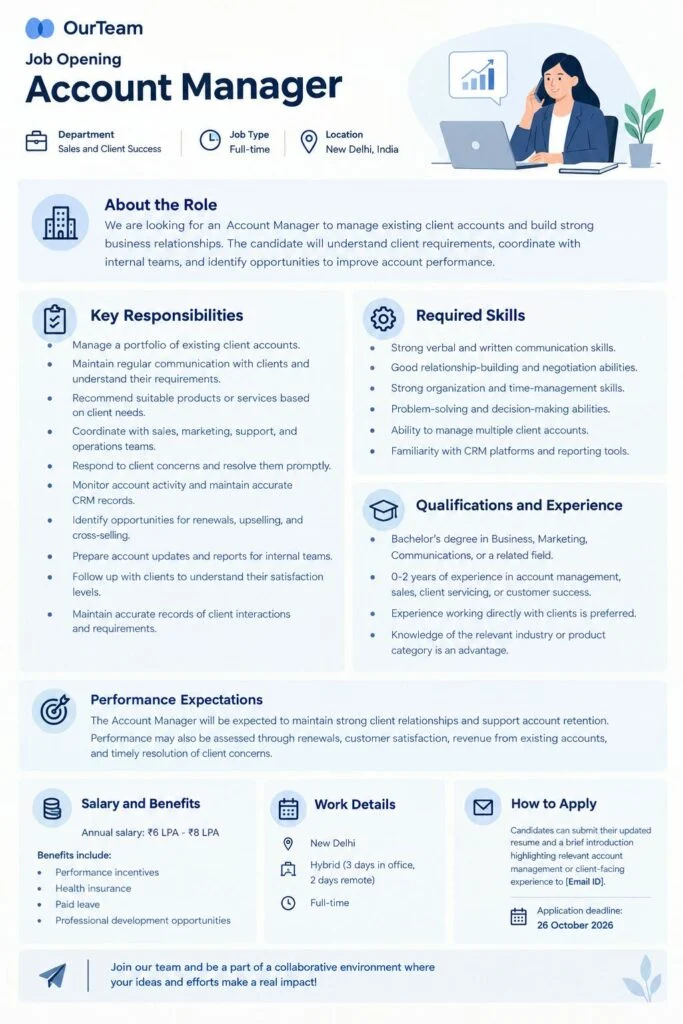
In the fast-paced world of web development, Laravel has cemented its status as the premier PHP framework. Renowned for its elegant syntax, robust security features, and a thriving ecosystem, it is the go-to choice for startups and enterprises alike. However, the popularity of the framework has created a competitive hiring landscape. For employers, the challenge is not just finding a developer who knows the code—it is finding one who can scale with your business.
Writing a compelling job description is the first step in this strategic process. It serves as both a filter for unqualified applicants and a beacon for top-tier talent. This guide explores the nuances of hiring Laravel experts, from understanding the core role to navigating the complexities of compensation and team integration.
The Strategic Importance of Precision in Hiring
Building a successful web application is akin to constructing a skyscraper; the foundation must be solid. A Laravel developer acts as the structural engineer of your digital presence. When an employer writes a vague job description, they often attract a flood of generic applications that fail to address the specific architectural needs of their stack.
Employers must realize that "Laravel Developer" is an umbrella term. A junior developer might be perfectly suited for routine bug fixes and maintenance, while a senior architect is required for high-traffic, multi-tenant SaaS applications. The goal of a job description is to articulate the complexity of the tasks, thereby aligning the candidate’s technical maturity with the company’s business objectives.
Defining the Role: What Does a Laravel Developer Actually Do?
To understand who you are hiring, one must first grasp the depth of the Laravel ecosystem. A Laravel developer is a backend-centric engineer who leverages the framework’s MVC (Model-View-Controller) architecture to build, test, and maintain web applications.
Core Responsibilities
- Back-End Architecture: Designing and implementing server-side logic that is secure, scalable, and efficient.
- API Development: Creating robust RESTful APIs to facilitate communication between the server and front-end frameworks like Vue.js or React.
- Database Management: Using Eloquent ORM to interact with databases, ensuring efficient queries and data integrity.
- Security Implementation: Utilizing Laravel’s built-in features for authentication, authorization, and protection against common threats like SQL injection and Cross-Site Request Forgery (CSRF).
- Collaboration: Working alongside UI/UX designers and front-end developers to ensure seamless integration between the user interface and the backend logic.
The Anatomy of an Effective Job Description
A high-converting job description does more than list requirements; it tells a story about your company culture and the challenges the candidate will solve.
1. The Hook (About the Role)
Start with the "Why." Why should a developer join your team? Is it the scale of the traffic? The opportunity to work on cutting-edge features? Clearly state the mission of the team.

2. The Technical Stack
Be explicit. Does your project require a deep knowledge of AWS? Are you using Redis for caching? Do you rely heavily on Docker for containerization? Listing these tools upfront saves time for both the recruiter and the candidate.
3. The "Soft" Skills
Technical prowess is only half the equation. In a collaborative environment, communication skills, the ability to conduct code reviews, and a mindset geared toward continuous learning are just as vital as the ability to write a migration.
Sample Template: The Junior Laravel Developer
Note: This template can be adapted for senior roles by increasing the focus on architectural decision-making.
Job Junior Laravel Developer
Company: [Insert Name]
Location: [City/Remote]
Job Summary:
We are seeking a motivated Laravel Developer to join our growing engineering team. You will be responsible for maintaining existing applications, implementing new features, and assisting in the transition to more modern, scalable architecture.
Key Responsibilities:
- Collaborate with senior developers to architect and implement new backend features.
- Write clean, readable, and testable PHP code.
- Maintain documentation for all developed features.
- Participate in daily stand-ups and code review sessions.
Required Qualifications:

- Bachelor’s degree in CS, IT, or equivalent experience.
- Proficiency in PHP 8.x and Laravel 9/10/11.
- Solid grasp of SQL (MySQL/PostgreSQL) and Git.
- Understanding of basic REST API principles.
Chronology of the Hiring Process: A Structured Approach
Successful hiring is rarely a single event; it is a phased process that ensures both cultural and technical alignment.
- Phase 1: Sourcing & Initial Filtering. Utilize platforms like LinkedIn, specialized job boards, and AI-powered screening tools to build a pipeline.
- Phase 2: The Practical Assessment. Never rely solely on interviews. Assign a small, time-boxed coding task that mimics a real-world problem, such as creating a CRUD module or consuming a third-party API.
- Phase 3: The Technical Interview. Dive deep into the candidate’s understanding of Laravel’s internals. Ask them about Service Providers, Middleware, and the Request Lifecycle.
- Phase 4: Cultural Fit and Soft Skills. Evaluate their ability to handle feedback during code reviews and their communication style with non-technical stakeholders.
- Phase 5: The Offer. Provide a competitive package based on market standards and the candidate’s specific value add.
Supporting Data: Market Compensation Trends
Understanding the financial investment required is critical for budgetary planning. Salaries for Laravel developers in India (and globally) are heavily influenced by the "experience-to-complexity" ratio.
| Experience Level | Annual Salary Range (INR) |
|---|---|
| Entry-Level (0–2 Years) | 3 LPA – 3.35 LPA |
| Intermediate (3–5 Years) | 5 LPA – 7.5 LPA |
| Senior/Lead (6+ Years) | 5 LPA – 10 LPA+ |
Note: These figures are estimates. Specialized skills in cloud infrastructure (AWS/Azure), DevOps, and microservices architecture can significantly increase the upper bounds of these ranges.
Official Perspectives: Industry Standards in Hiring
Industry experts emphasize that a job description is a "contract of expectations." According to hiring managers in the SaaS sector, the most common mistake is failing to define the depth of the role. A senior developer is not just someone who has been coding for six years; it is someone who understands the trade-offs between different caching strategies, the nuances of database normalization, and the importance of writing code that is maintainable for the next developer.
When asked about the most important quality in a hire, CTOs frequently cite "architectural empathy"—the ability to write code that considers the future health of the entire system rather than just the immediate feature request.
Implications of Getting the Hire Right (or Wrong)
The implications of the hiring decision are profound.
The Cost of a Poor Hire
A mismatch in skill levels leads to "technical debt." If a junior developer is placed in a senior role, they may implement solutions that work today but break under load tomorrow, leading to costly refactoring later. Additionally, turnover is expensive; replacing a developer can cost upwards of 50-100% of their annual salary in lost productivity and recruitment costs.

The Benefit of the Right Hire
Conversely, finding the right fit accelerates the product roadmap. A skilled Laravel developer will not only write code but will also identify bottlenecks in your current processes, suggest improvements to the deployment pipeline, and mentor junior team members, effectively multiplying the output of the entire engineering department.
Conclusion: Setting the Stage for Success
Hiring a Laravel developer is a strategic exercise that goes beyond a job post. By clearly defining roles, understanding the technical depth required for your specific projects, and conducting rigorous, evidence-based assessments, you can attract talent that will drive your business forward.
As you embark on your hiring journey, remember that the goal is to build a partnership. Whether you are looking for a remote contributor or a full-time office-based expert, clarity remains your most powerful tool. Use the templates, follow the structured interview process, and prioritize the long-term health of your application. With the right developer in place, your Laravel-powered platform will be well-positioned to handle the growth and challenges of the future.
Frequently Asked Questions
Q1. Can a Laravel developer work remotely?
Absolutely. Laravel developers are highly accustomed to remote workflows. With modern collaboration tools like Jira, Slack, and GitHub, distributed teams often exhibit higher productivity than their office-bound counterparts.
Q2. What is the difference between a Junior and Senior Laravel developer?
A Junior developer is focused on executing tasks within existing patterns. A Senior developer is responsible for creating those patterns, ensuring security, optimizing for performance, and making high-level architectural decisions.
Q3. Should a job description mention database skills?
Crucially, yes. Laravel’s Eloquent ORM is powerful, but a developer who doesn’t understand raw SQL and database indexing will eventually hit a performance wall. Always mention proficiency in MySQL or PostgreSQL.
Q4. Is knowledge of APIs necessary?
In today’s ecosystem, almost every application communicates with external services. Proficiency in building and consuming RESTful and GraphQL APIs is a non-negotiable requirement for a modern Laravel developer.