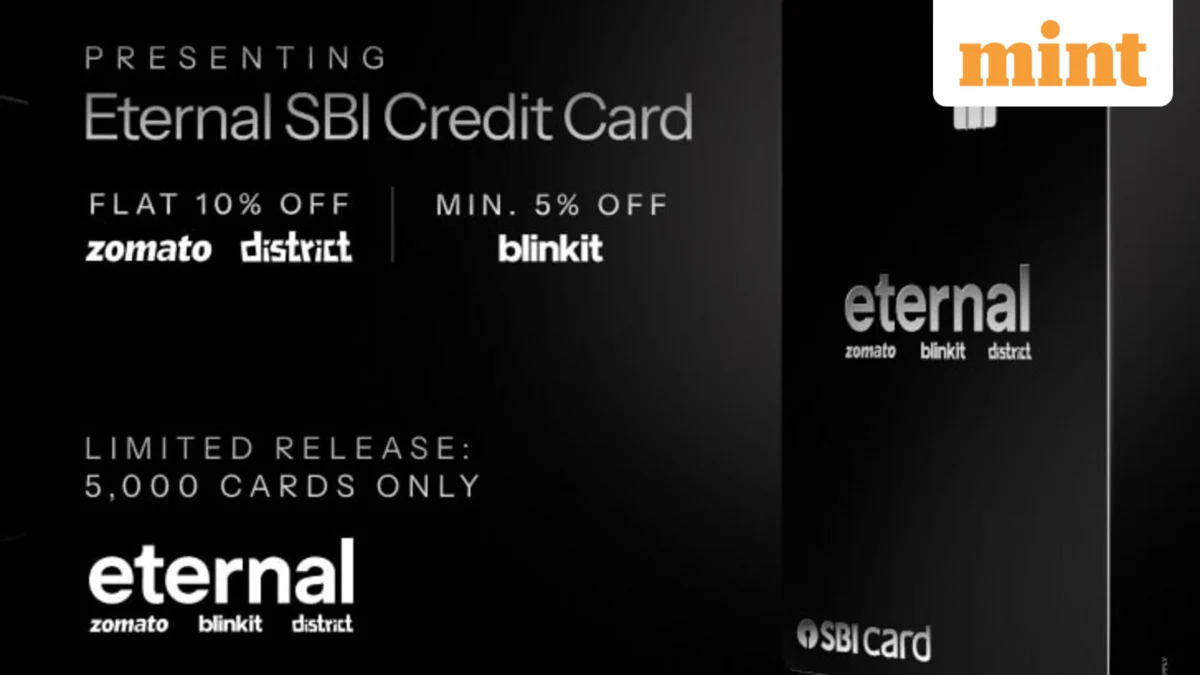
In a move that signals a paradigm shift in how lifestyle platforms integrate financial services, Zomato and SBI Card have officially commenced the rollout of the "Eternal SBI Card." Following a staggering reception that saw over 500,000 early-access requests, the co-branded credit card is now entering its first phase of issuance, with an initial batch of 5,000 cards being distributed to eager applicants. This launch represents a critical milestone in Zomato’s strategy to consolidate its ecosystem—spanning food delivery, quick commerce, and lifestyle services—under a single, high-value financial instrument.
The Genesis of the Eternal SBI Card
The collaboration between India’s largest credit card issuer, SBI Card, and the lifestyle giant Zomato is built on a simple yet ambitious premise: to capture the recurring, daily spending habits of the modern Indian consumer. By offering a card that integrates directly into the Zomato, Blinkit, District, and Bistro apps, the partners aim to reduce friction in the checkout process while providing tangible, high-frequency savings.
The card’s popularity, evidenced by the half-million-strong waitlist, suggests that the market was primed for a product that rewards the "convenience economy." For Zomato, this is not merely a financial product; it is a customer retention engine designed to make their suite of apps the default choice for urban consumers.
Chronology: From Concept to First Issuance
The journey to the Eternal SBI Card began with the recognition that Zomato’s user base, already accustomed to digital transactions, was a prime demographic for a tailored credit product.
- Announcement Phase: Zomato confirmed the development of the card, sparking intense curiosity among its loyal user base.
- The Waitlist Surge: Upon opening early-access registration, the company recorded a viral response, with 5 lakh users signing up to be among the first to hold the card.
- Regulatory & Technical Integration: Behind the scenes, SBI Card and Zomato worked to ensure a seamless digital onboarding experience, allowing for KYC verification and application tracking directly within the Zomato ecosystem.
- The Phase-One Launch: As of late October 2026, the company has begun notifying the first cohort of applicants, moving from digital interest to physical card delivery.
Understanding the Financial Architecture
The Eternal SBI Card is structured to balance entry-level accessibility with premium-tier benefits. It is available on both the MasterCard and RuPay payment rails, ensuring wide merchant acceptance.
Fee Structure
The card is positioned as a mass-premium offering:
- Joining Fee: ₹499 (plus applicable GST).
- Annual Renewal Fee: ₹499 (plus applicable GST).
- The Waiver: The annual fee is waived for customers who demonstrate active usage, specifically through an annual spend threshold of ₹2 lakh.
Savings Potential: The ₹42,000 Promise
The card is marketed with a compelling value proposition: up to ₹42,000 in annual savings. This is achieved through a tiered structure of instant discounts and cashback incentives across the Eternal ecosystem and select external partners.
1. The Eternal Ecosystem Discounts
- Zomato: Cardholders receive a 10% instant discount on food orders, effectively lowering the cost of every meal. Additionally, new users gain six months of Zomato Gold membership, a significant perk for frequent diners.
- Blinkit: The quick-commerce vertical offers a 10% instant discount on beauty and electronics, and a 5% discount on groceries. (Note: Specific exclusions apply, such as infant milk substitutes, tobacco products, and precious metal jewellery).
- District: For users engaging with Zomato’s foray into lifestyle and events, the card provides a 10% discount on dining, movie tickets, and events. A monthly "buy-one-get-one" movie ticket voucher (up to ₹200) adds further utility.
- Bistro: Consistent with the broader ecosystem, users receive a 10% instant discount on all orders.
2. External Partner Cashback
Recognizing that consumers spend outside of the Zomato ecosystem, the card extends its utility:
- Strategic Partners: A 5% cashback is available on transactions with Uber, Urban Company, Ixigo, and Apollo 24|7, capped at ₹1,000 per month.
- General Spends: All other eligible transactions earn 1% cashback, capped at ₹500 per month.
How to Navigate the Application Process
The application process is designed to be entirely digital, reflecting the "app-first" philosophy of the partnership.

Steps for Prospective Cardholders
- Monitor the App: Invitations are currently being sent in batches. Zomato users should keep an eye on their notifications within the Zomato, Blinkit, or District apps.
- Digital Onboarding: Once the invite is received, the application process is handled through a fully digitized flow.
- Tracking: Post-application, the status of the card—from approval to dispatch—can be monitored directly through the "Card Management" section within the associated apps.
- Delivery: Once approved, the physical card is dispatched to the user’s registered address, typically arriving within 7 to 10 business days.
Eligibility Criteria
To ensure responsible lending, SBI Card has set standard but clear eligibility requirements:
- Age: Salaried individuals between 21–60 years; self-employed individuals between 25–65 years.
- Location: Applicants must have a permanent Indian address with a serviceable PIN code.
- Credit Profile: A strong credit score is preferred. As with all SBI Card products, the final decision on issuance remains at the discretion of the issuer based on their internal risk assessment models.
Strategic Implications: Why This Matters
The launch of the Eternal SBI Card is a textbook example of the "Super App" ambition. By embedding credit directly into the user experience, Zomato is effectively creating a "walled garden" that discourages users from turning to competitors.
For the Consumer
The primary implication is a significant reduction in the cost of living for heavy users of Zomato’s services. By bundling instant discounts with high-frequency services like grocery delivery (Blinkit) and food delivery, the card essentially provides a "loyalty dividend" to its most engaged users.
For the Industry
This move puts pressure on other lifestyle and delivery platforms. If a consumer can save ₹3,500 a month simply by using one specific card for their daily needs, the switching cost to a competitor increases dramatically. We are likely to see more fintech-delivery partnerships in the coming months as players race to secure "wallet share" in an increasingly crowded market.
Regulatory and Economic Considerations
While the card promises significant savings, financial literacy remains paramount. The cashback and discount mechanisms are designed to incentivize higher spending volumes. Users are encouraged to view these benefits as a tool for managed consumption rather than an invitation for over-extension. The disclaimer provided by the issuers remains critical: these financial products should be approached with caution, and individual financial health should always take precedence over promotional benefits.
Conclusion: A New Era for Lifestyle Finance
The Eternal SBI Card is more than just a piece of plastic or a digital number; it is a manifestation of the digital economy’s evolution. By blending the convenience of instant delivery with the financial incentives of a credit card, Zomato and SBI have crafted a product that aligns perfectly with the lifestyle of the modern Indian professional.
As the first 5,000 cards reach their owners, the industry will be watching closely to see if the promised ₹42,000 in annual savings translates into sustained customer loyalty. For the consumer, it is a rare instance where the convenience of an app is matched by the fiscal prudence of a rewards-heavy credit instrument. Whether this marks the start of a broader trend or an outlier success story remains to be seen, but for now, the Eternal SBI Card has firmly captured the spotlight in the Indian personal finance landscape.
Disclaimer: This report is for informational and educational purposes only. The features, benefits, and eligibility criteria described are based on current public information provided by the issuers. Financial decisions, including credit card applications, should be made after careful consideration of one’s personal financial situation and in consultation with a certified financial advisor.