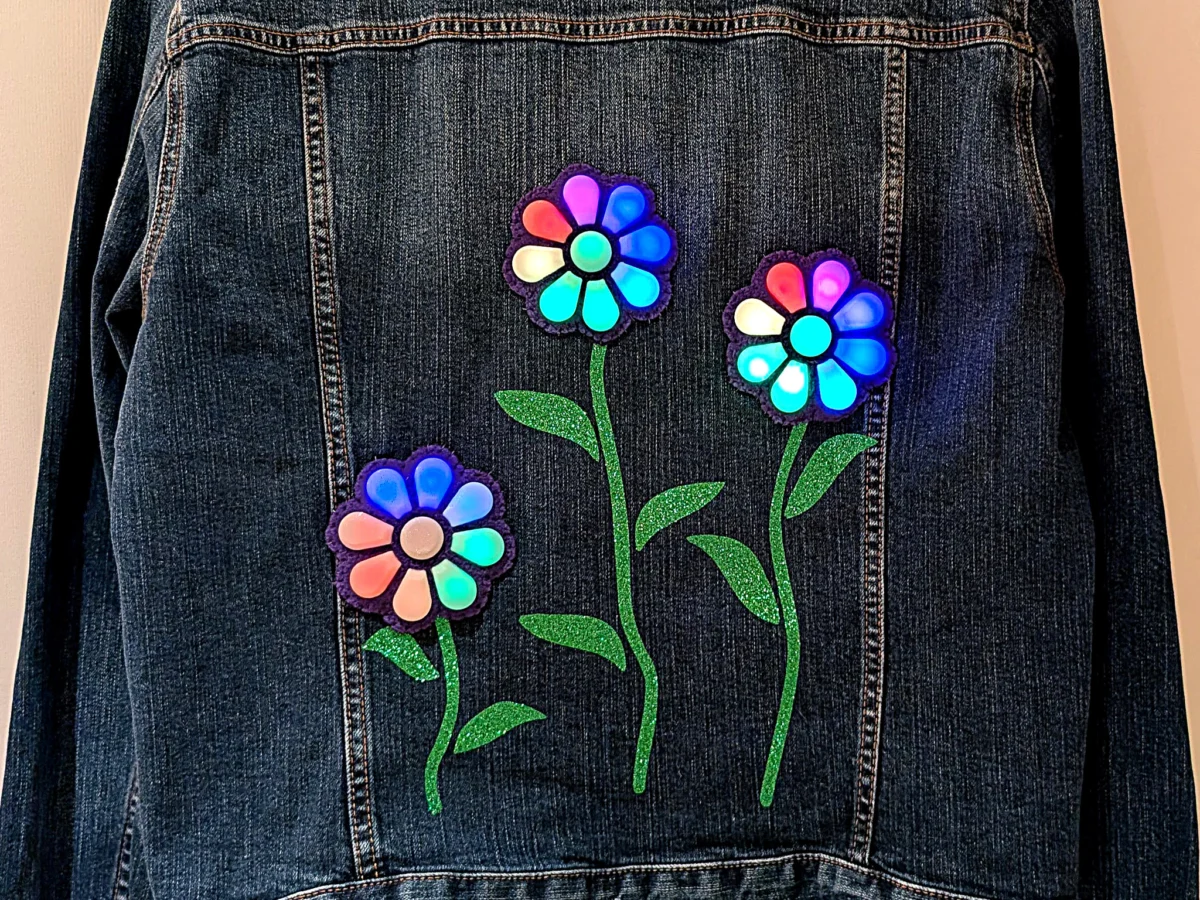
In an era where personal expression meets high-tech innovation, the boundaries between traditional apparel and wearable technology are blurring. No longer restricted to the sterile look of early-stage prototypes, "smart clothing" is evolving into something far more organic and aesthetically pleasing. A prime example of this synthesis is the "BedazzLED" jacket—a project that marries the timeless, utilitarian durability of denim with the ethereal glow of 3D-printed, addressable LED floral arrangements.

Designed by maker and educator Debra Ansell, this project—featured in Make: Volume 97—is more than just a craft; it is a blueprint for the next generation of custom fashion. By utilizing PETG 3D-printing filaments designed for lithophanes, the jacket achieves a soft, diffused luminescence that mimics the delicate nature of real flowers while retaining the ruggedness required for everyday wear.
The Convergence of Craft and Computation
The BedazzLED project is a masterclass in multidisciplinary engineering. It requires the maker to act as a mechanical engineer (designing and 3D-printing components), an electrical engineer (soldering LED strings and managing data flow), and a fashion designer (appliqué and textile integration).
The core philosophy of the design is "stealth technology." When powered down, the jacket appears to be a bespoke piece of designer denim, perhaps embellished with modern, abstract floral art. It is only with the touch of a button that the jacket reveals its true, dynamic nature. This duality ensures the garment remains practical for diverse environments, from quiet gallery walks to high-energy concert venues.
Chronology: Building the BedazzLED Jacket
The construction of this garment follows a rigorous, eleven-step process that demands patience and precision.
Phase 1: Mechanical Fabrication
The foundation begins with the jacket itself. A thrift-store find is often preferred, not just for cost-efficiency, but for the inherent character of worn denim. The crucial requirement is ensuring the back panel has sufficient surface area to host the floral arrangement without interfering with the wearer’s mobility.
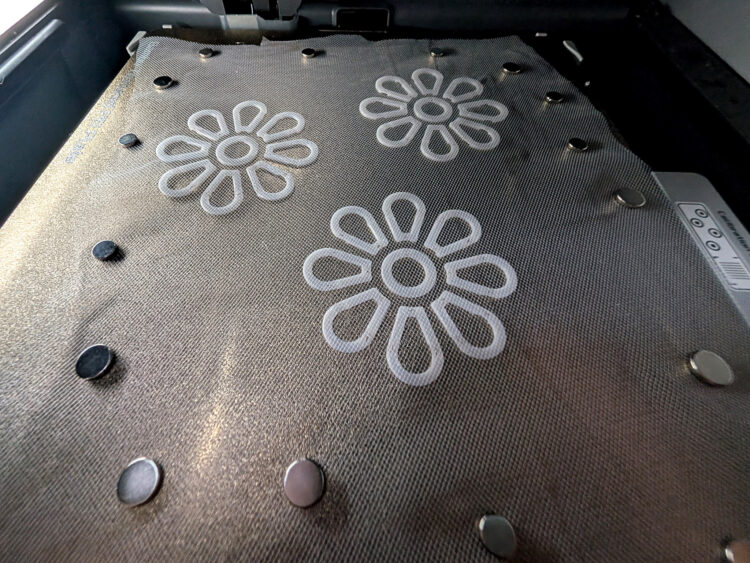
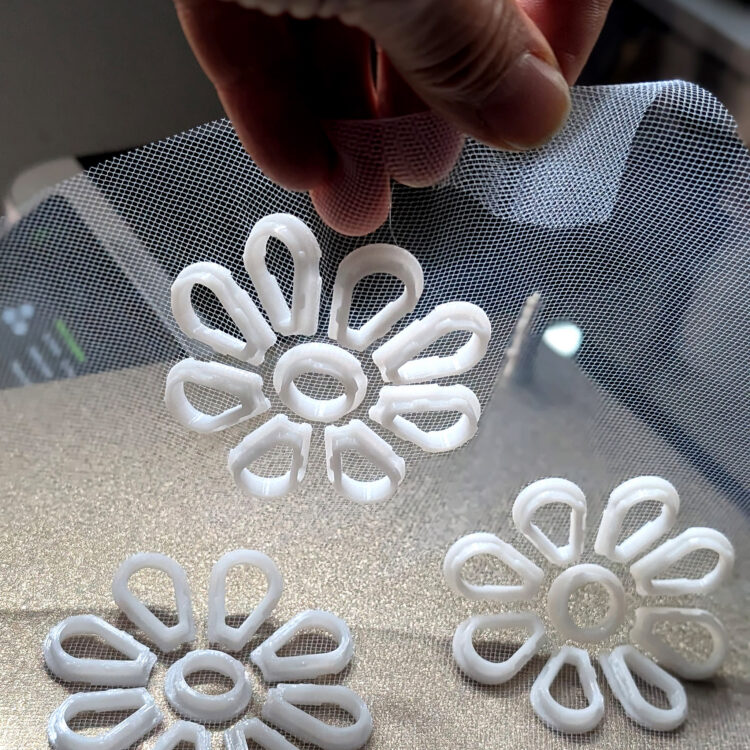
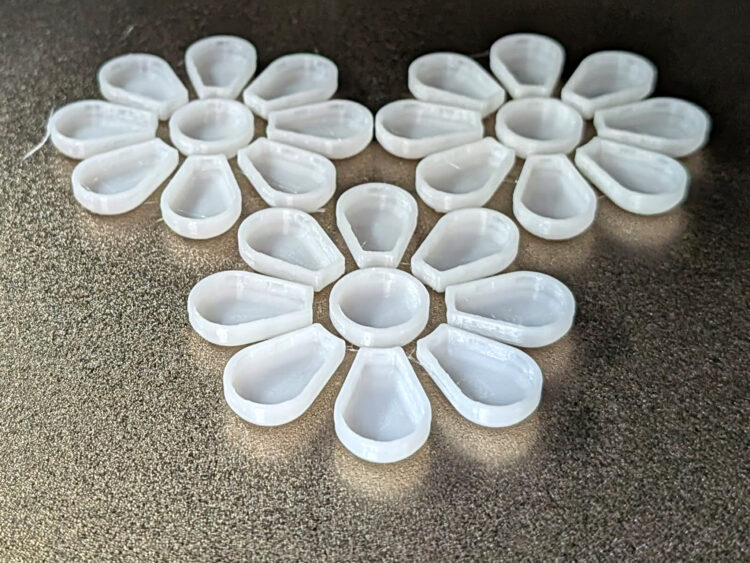
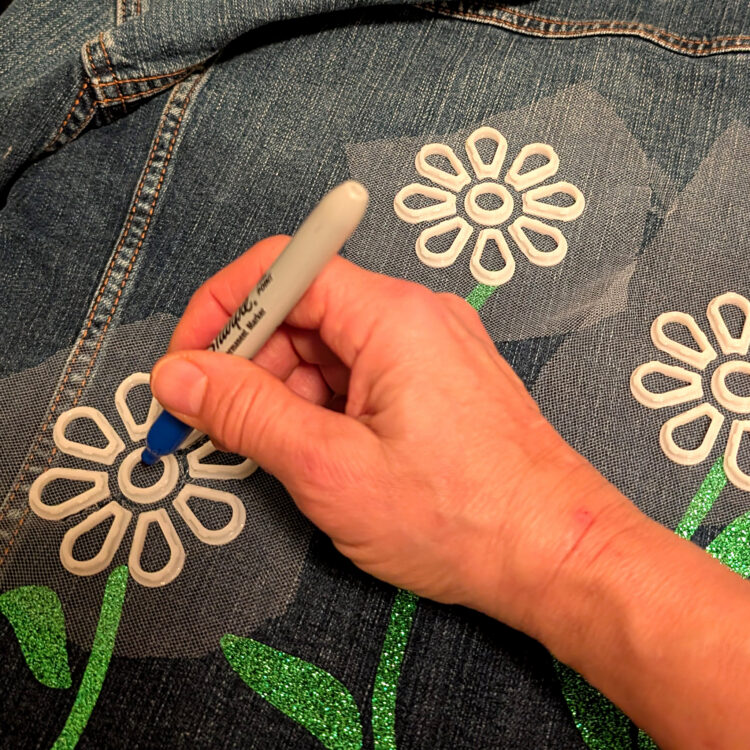
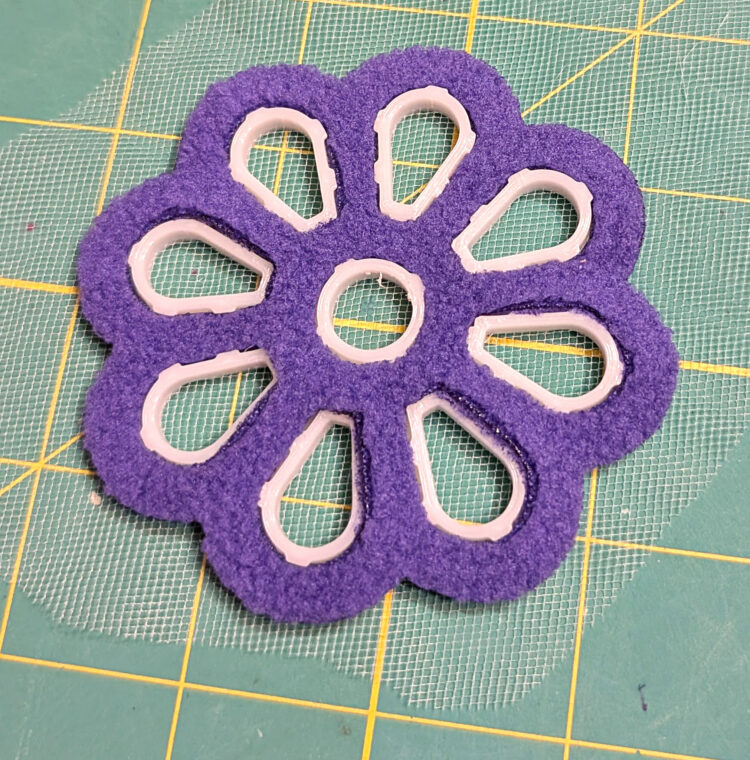
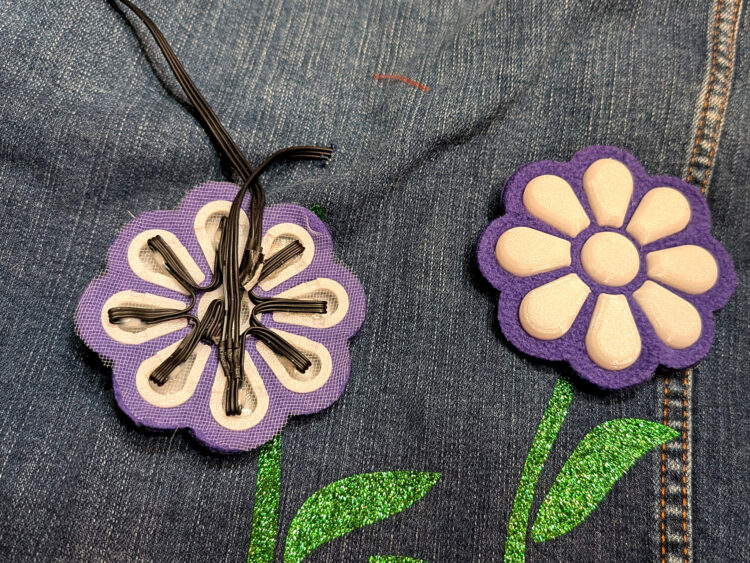
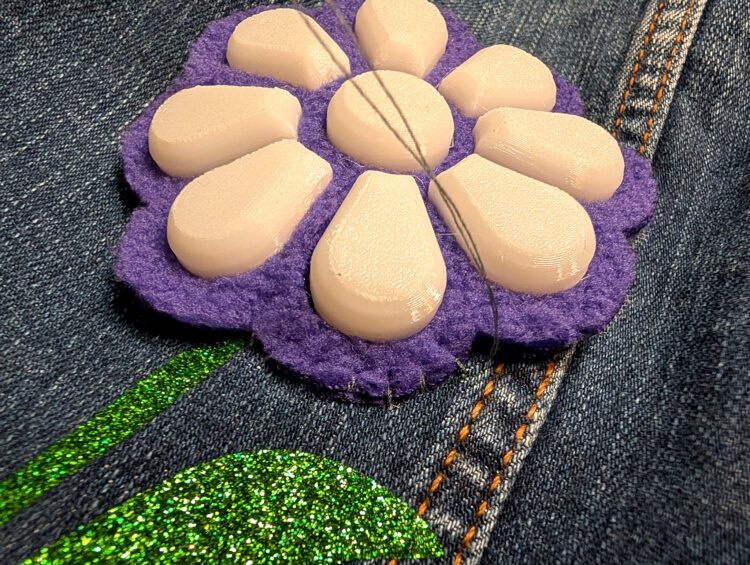
Once the jacket is secured, the focus shifts to the 3D-printed flowers. Using translucent white PETG—specifically chosen for its superior light-diffusion properties—the maker prints a base layer integrated onto a tulle mesh. By pausing the print at 1.5mm to embed the tulle, the flowers gain a structural flexibility that allows them to move with the fabric of the jacket rather than acting as rigid, uncomfortable protrusions.
Phase 2: Aesthetic Integration
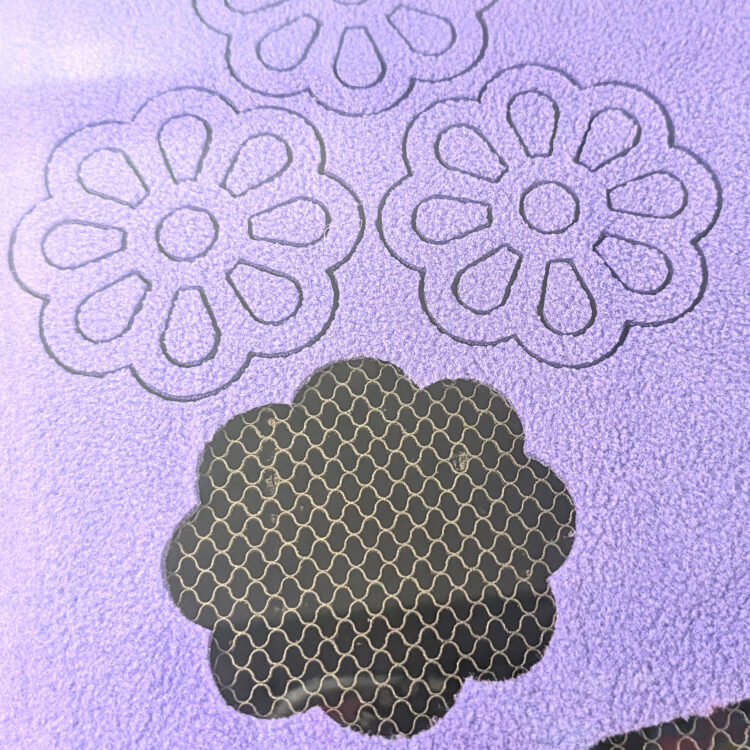
The project moves from the printer to the workbench, where border fabrics—either fleece for a soft, tactile feel or faux leather for a sharp, modern edge—are cut. Using a laser cutter is the gold standard for accuracy here, though manual cutting remains a viable option for the steady-handed maker.
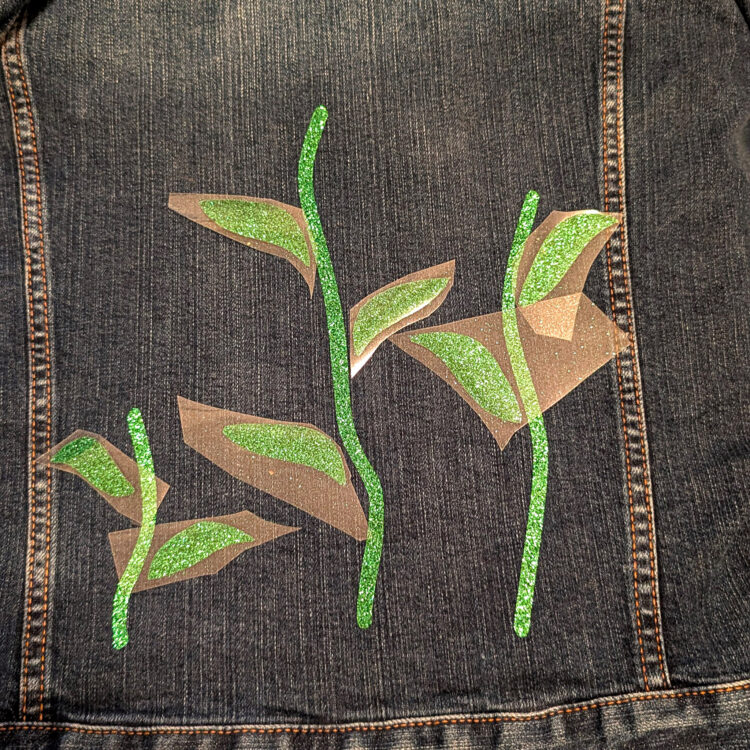
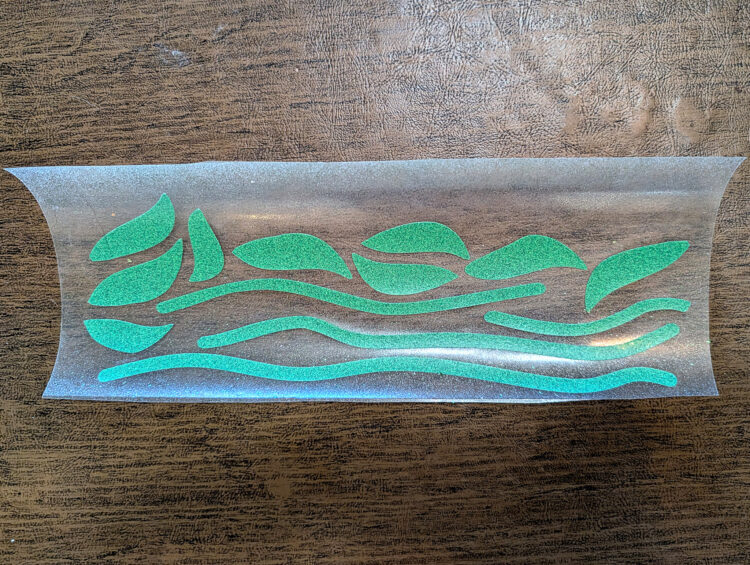
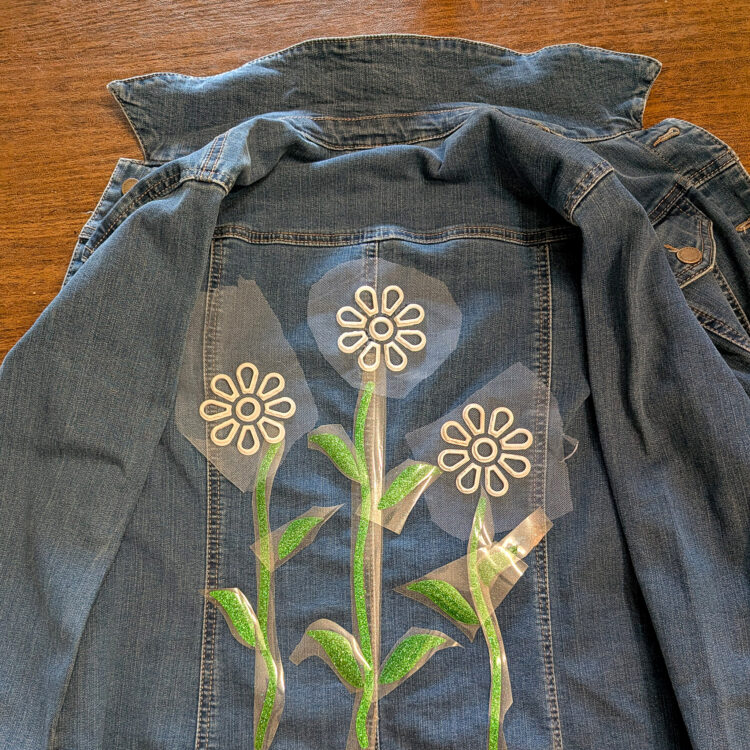
Complementing the flowers, Heat-Transfer Vinyl (HTV) stems and leaves are applied to the denim. This step acts as the "connective tissue" of the design, grounding the 3D-printed elements into a cohesive, organic scene.
Phase 3: The Electronic Nervous System
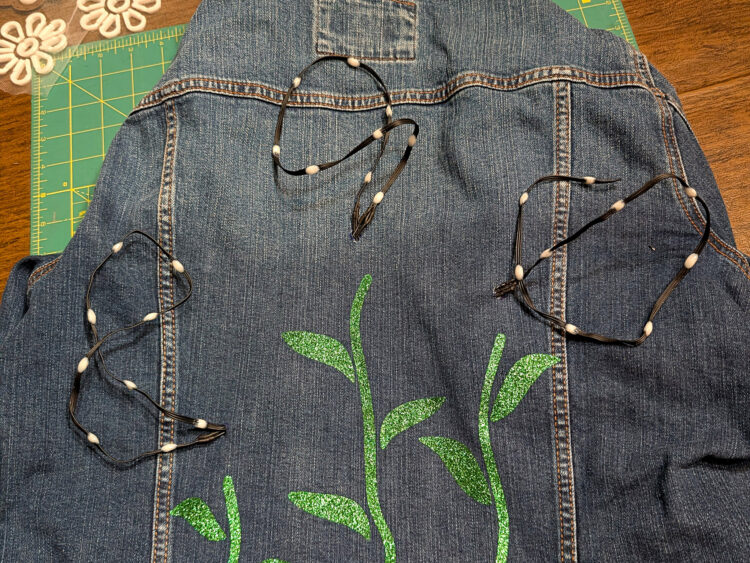
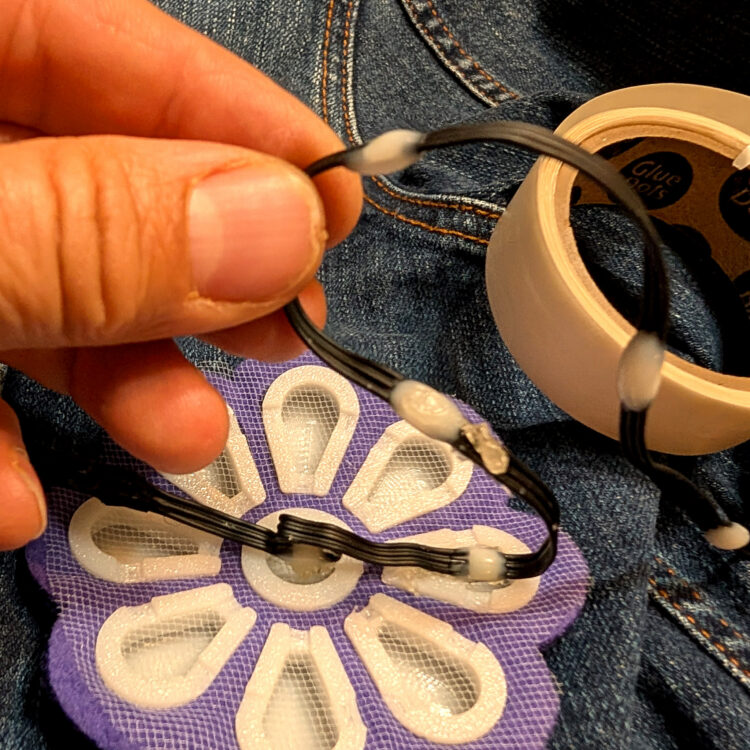
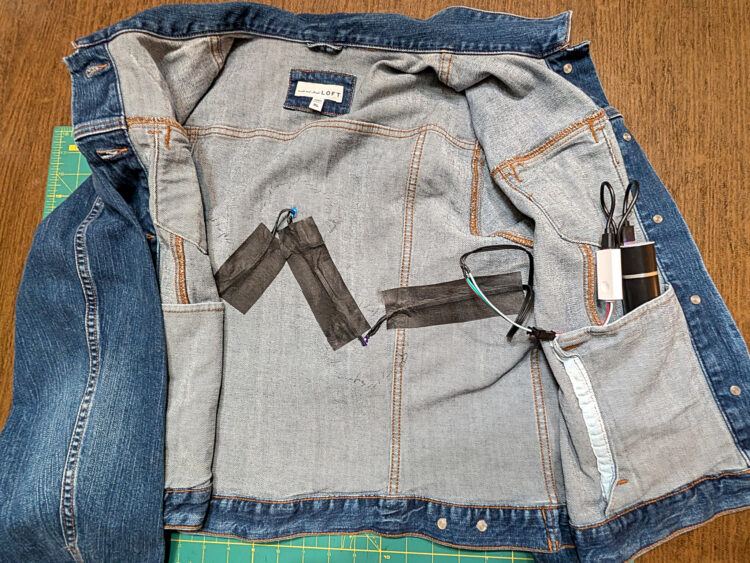
Perhaps the most technical aspect of the build is the wiring. Using pebble light strings, the maker must measure the distance between the center points of the flowers and cut specific lengths of three-wire silicone cable.
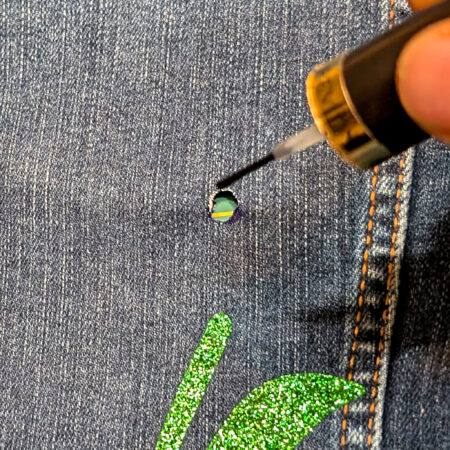
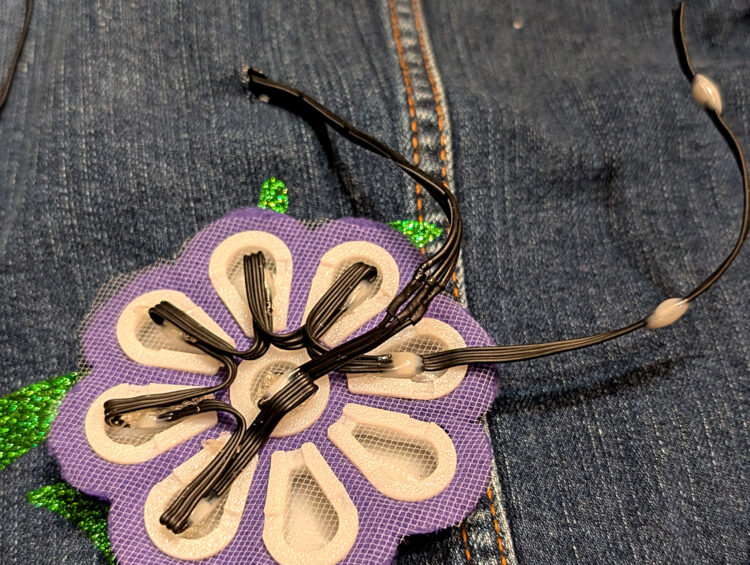
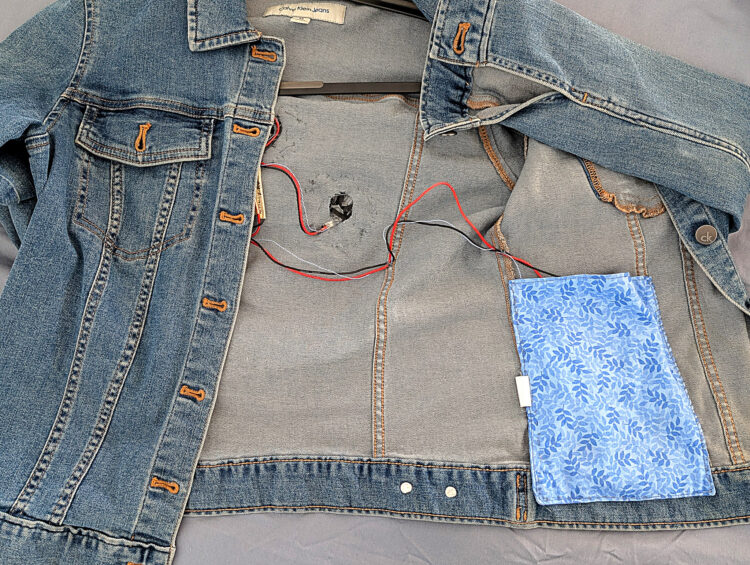
Precision is paramount: the data flow must be consistent across all 27 LEDs (three flowers, nine LEDs per flower). If the wiring is crossed or the signal is interrupted, the animations will fail. After soldering, the wires are threaded through 1cm holes cut into the denim, which are reinforced with clear nail polish or glue to prevent fraying.
Phase 4: Final Assembly and Programming
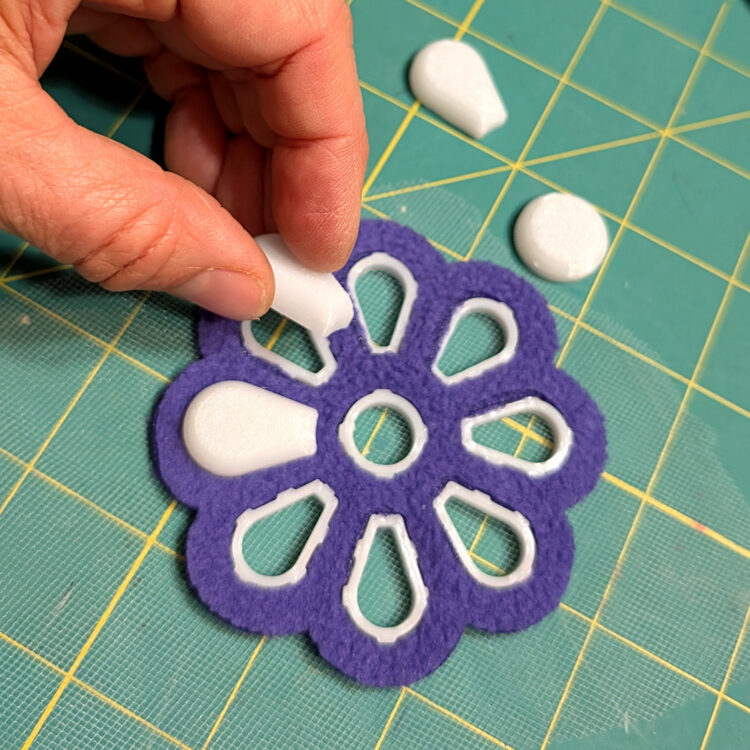
The final assembly involves the delicate task of gluing the LED pixels to the mesh backing of the flowers, ensuring they are oriented in a way that creates a consistent lighting sequence. The flowers are then hand-sewn to the jacket using an appliqué stitch.
With the hardware installed, the system is connected to a WLED-compatible controller. This open-source software platform allows for near-infinite customization. Through the WLED interface, the user can adjust color palettes, speed, and intensity, turning the jacket into a mobile light show.
Supporting Data: Why PETG and Silicone?
The choice of materials in this project is not incidental; it is based on the functional requirements of wearable tech.
- PETG (Polyethylene Terephthalate Glycol-modified): Unlike PLA, which is brittle and heat-sensitive, PETG offers the durability required for a garment that will be worn, folded, and potentially bumped in crowds. Its ability to diffuse light makes it ideal for "lithophane-style" printing, where the goal is to make the plastic look like it is glowing from within rather than shining a direct light through a hole.
- Silicone-Coated Wiring: While standard PVC-coated wires are common in electronics, they are ill-suited for clothing. They are prone to kinking and melting under the heat of an iron. Silicone-coated cables provide the necessary flexibility to withstand the kinetic energy of human movement and the thermal requirements of the assembly process.
Official Responses and Community Impact
Since the publication of the project in Make: Volume 97, the maker community has responded with enthusiasm. Critics and hobbyists alike have praised the project’s "wearability index"—a term coined by the community to describe how well a tech-integrated garment handles the realities of being worn in public.
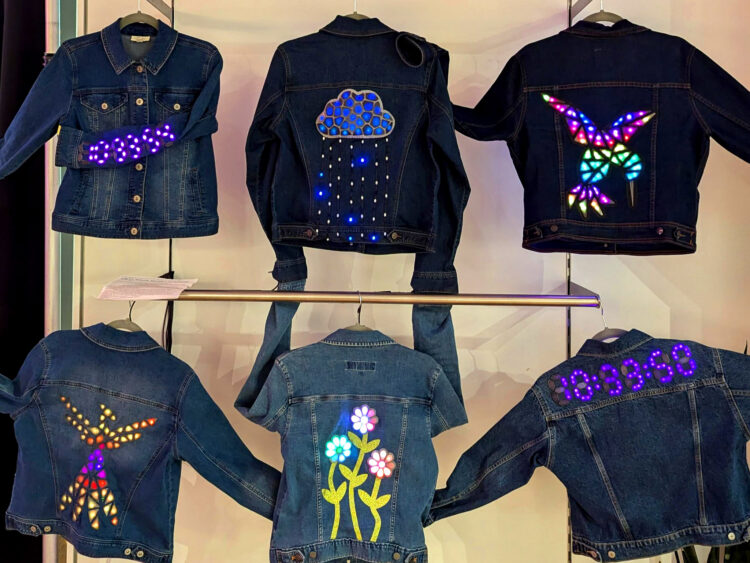
Debra Ansell herself has noted that the project is intended to serve as a catalyst for further exploration. "The BedazzLED technique is a jumping-off point," she says. The community has already begun iterating on the design, moving from flowers to geometric patterns and even reactive systems that change light patterns based on ambient noise or motion sensors.
Implications for the Future of Fashion
The implications of the BedazzLED project extend far beyond the DIY hobbyist market. As 3D-printing technology becomes faster and more accessible, and as flexible, addressable LEDs become cheaper, we are moving toward a reality where "smart fashion" is no longer the exclusive domain of luxury high-fashion houses or experimental tech startups.
1. The Democratization of Wearables
For decades, wearable technology was synonymous with "gadgets"—think bulky fitness trackers or stiff, uncomfortable head-mounted displays. The BedazzLED jacket represents a shift toward "Soft Circuits," where the technology disappears into the fabric of our lives. It suggests a future where our clothing can be updated as easily as our smartphones, with modular designs allowing users to swap out floral patterns for seasonal themes or event-specific aesthetics.
2. Sustainability Through Customization
In an era of "fast fashion," where millions of tons of clothing end up in landfills annually, projects like this offer a path toward circularity. By taking an existing, durable denim jacket and upgrading it with custom electronics, the BedazzLED project encourages a culture of repair, modification, and personalization. It turns a mass-produced garment into a unique, long-term possession that the owner is less likely to discard.
3. The Artistic Horizon
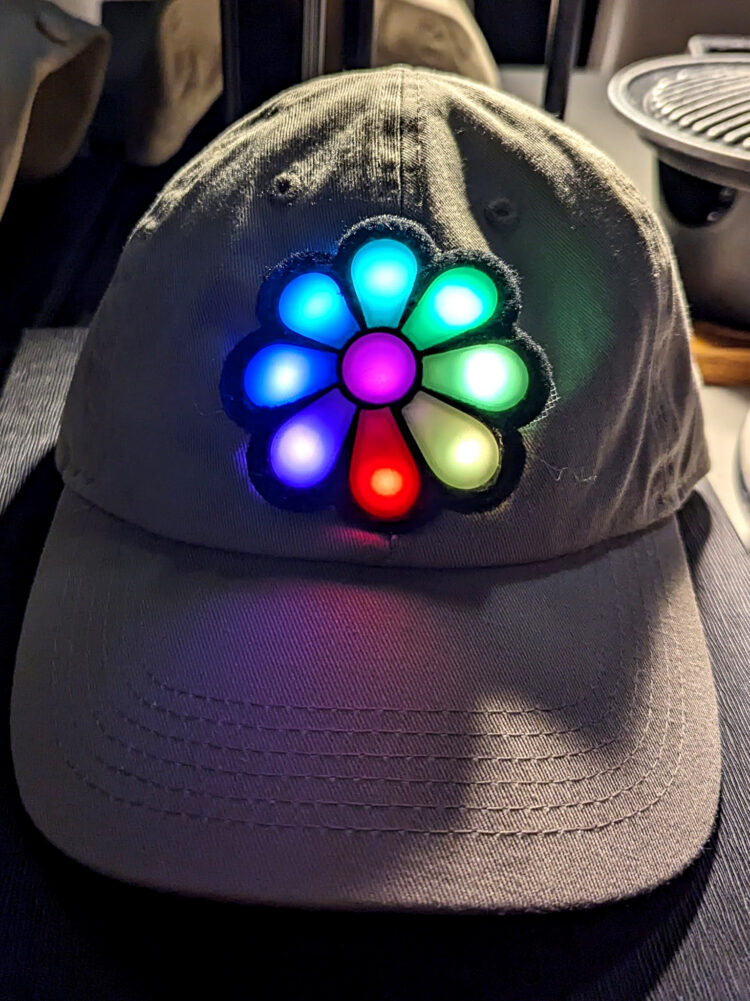
The artistic potential of this project is vast. By utilizing CAD software, users are no longer limited to the designs provided by the project creators. A user could, in theory, print custom logos, abstract shapes, or complex biological structures, all of which could be illuminated with the same addressable LED technology. This places the power of "designer" apparel into the hands of the individual.
Conclusion
The BedazzLED Jean Jacket is a testament to the ingenuity of the modern maker. It is a bridge between the physical and the digital, the traditional and the futuristic. As this project continues to inspire new iterations, it serves as a powerful reminder that our clothes can be more than just a covering—they can be a canvas for innovation, a medium for art, and a declaration of our personal identity in a connected world.
Whether you are a seasoned engineer or a novice sewist, the BedazzLED jacket offers a pathway to creating something that truly shines. As we look toward the future of fashion, one thing is certain: the most interesting designs will be the ones that, quite literally, light up the room.