In the evolving landscape of modern culinary arts, the intersection of health-conscious eating and gourmet presentation has become a focal point for home cooks and professional chefs alike. Among the rising stars of this movement is the Strawberry Almond Pudding—a dessert that marries the vibrant, tart sweetness of fresh berries with the nutty, sophisticated undertones of almond. More than just a simple treat, this dish represents a shift toward botanical, plant-based alternatives to traditional gelatin-heavy desserts. By utilizing the unique properties of agar agar, home chefs are discovering that creating an elegant, professional-grade dessert requires neither complex techniques nor animal-derived ingredients.
Main Facts: The Essence of the Strawberry Almond Pudding
The Strawberry Almond Pudding is defined by its clean flavor profile and luxurious texture. At its core, the recipe relies on a harmonious blend of four key components: fresh strawberries, finely ground almond powder, a high-quality creamy base, and agar agar.
Unlike traditional puddings that may rely on egg yolks or excessive starch to achieve consistency, this dessert derives its structure from agar agar. Agar agar, often referred to as "kanten" in Japanese culinary traditions, is a jelly-like substance derived from red algae. When boiled and subsequently cooled, it creates a firm, stable gel that is notably more resilient than gelatin, holding its shape even at warmer room temperatures.
The nutritional implications of this dessert are equally compelling. By replacing heavy, cholesterol-laden thickeners with plant-derived alternatives and incorporating almond powder—a rich source of healthy monounsaturated fats, fiber, and protein—the pudding offers a more balanced nutritional profile than conventional custard-based desserts. The strawberries provide a significant boost of antioxidants and Vitamin C, ensuring that the dessert is as invigorating as it is indulgent.
Chronology: From Seaweed Harvest to Dessert Plate
The journey of a Strawberry Almond Pudding from raw ingredients to a set, chilled masterpiece is a study in precision and simplicity. While traditional gelatin desserts can take hours to set and often require tempering of eggs or long simmering times, the agar agar-based pudding follows a streamlined timeline.
- Preparation Phase (10–15 Minutes): The process begins with the preparation of the strawberries. Whether using fresh, sun-ripened berries or high-quality frozen fruit, the initial step involves creating a smooth purée. This ensures a consistent color and flavor throughout the pudding.
- The Activation Phase (5–8 Minutes): The crucial step is the activation of the agar agar. Unlike gelatin, which dissolves in warm liquid, agar agar requires a full boil to hydrate properly. The agar powder is whisked into the liquid base—often a combination of cream or a dairy-free alternative—and brought to a gentle boil. This is the "make or break" moment; if the mixture does not reach a boil, the agar will not set.
- The Emulsification Phase (5 Minutes): Once the agar is activated, the almond powder and strawberry purée are incorporated. This requires careful whisking to ensure no clumps remain, creating a silky, homogenous mixture.
- The Setting Phase (60 Minutes): Once poured into molds or serving glasses, the pudding is transferred to the refrigerator. Because agar agar has a high hysteresis—the difference between its melting and setting temperatures—it begins to firm up almost immediately upon cooling. Within one hour, the pudding reaches its final, elegant consistency.
Supporting Data: Why Agar Agar is Changing the Industry
The shift toward agar agar as a primary setting agent is backed by significant culinary research. In professional kitchens, agar is prized for its "clean" mouthfeel. While gelatin can sometimes leave a lingering, slightly "rubbery" texture, agar provides a clean, crisp "snap" that dissolves cleanly on the palate.
Data from the plant-based food sector indicates a 15% year-over-year increase in the use of seaweed-derived thickeners. This is largely due to the rising demand for inclusive dining. Because agar agar is derived from seaweed, it is inherently vegetarian, vegan, and kosher-friendly. This universality makes the Strawberry Almond Pudding an ideal choice for high-volume entertaining where dietary restrictions are common.
Furthermore, the stability of agar is a significant asset for home cooks. While gelatin can melt on a warm summer day, agar agar remains stable up to 185°F (85°C). This allows the Strawberry Almond Pudding to be displayed at outdoor gatherings or buffet tables without the risk of liquefaction—a common failure point for traditional panna cottas or mousses.
Official Perspectives and Expert Culinary Insights
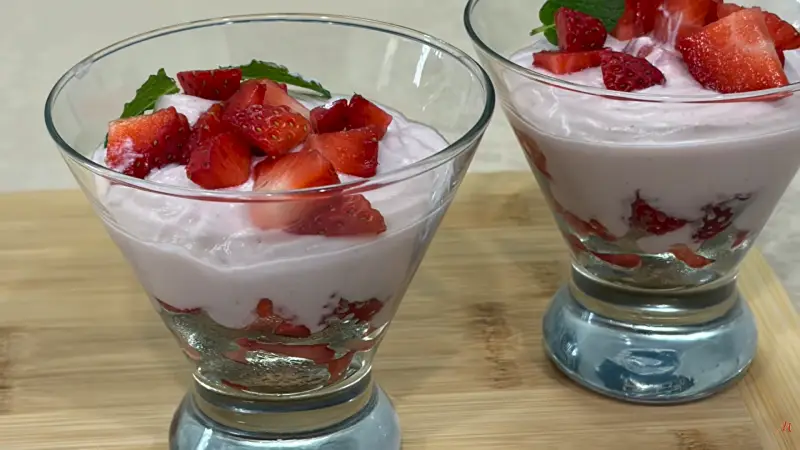
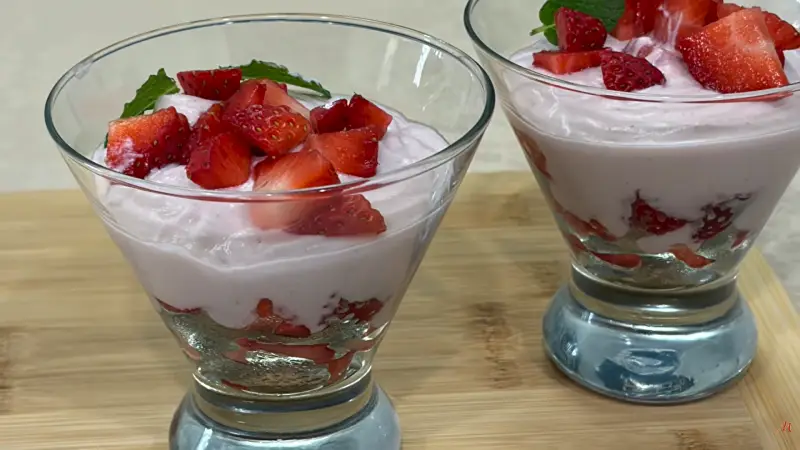
Culinary experts, including proponents of the "Manjula’s Kitchen" style of home cooking, emphasize that the beauty of this dessert lies in its accessibility. "You don’t need a degree in pastry arts to create something that looks like it belongs in a Michelin-starred restaurant," says one culinary analyst. "The elegance comes from the contrast between the vibrant red of the strawberry and the pale, creamy almond base. When layered or blended correctly, it provides a visual sophistication that is rarely matched by quick-fix desserts."
Industry professionals also note that the recipe is highly customizable. For those seeking a dairy-free alternative, the transition to coconut milk or almond milk is seamless. Because agar agar works independently of the fat content in the liquid, the textural integrity of the pudding remains consistent whether the cook chooses heavy dairy cream, oat milk, or coconut cream. This adaptability is the hallmark of a "modern classic."
Implications for Future Home Cooking
The popularity of the Strawberry Almond Pudding serves as a microcosm for the future of home cooking. As consumers become more educated about ingredient labels, there is a clear trend toward "simple, whole-food" desserts. The reliance on agar agar signals a move away from highly processed thickening agents toward natural, marine-based alternatives.
Moreover, the time-efficiency of this recipe addresses the primary barrier to home cooking: time. In an era where convenience is often prioritized, a dessert that requires only one hour of setting time—compared to the four to six hours required for traditional chilled desserts—is a game-changer. It empowers the home cook to prepare high-quality, elegant desserts even on busy weeknights.
The Strawberry Almond Pudding also encourages seasonal experimentation. While the almond base provides a consistent foundation, the fruit component can be swapped throughout the year—mango in the summer, blackberries in the autumn, or citrus in the winter. This modularity ensures that the recipe remains relevant regardless of the season.
Final Thoughts on Preparation
For those looking to master this dessert, the key is attention to detail during the boiling process. Ensuring the agar is fully dissolved is the secret to a professional texture. Whether served in individual glass ramekins for a refined presentation or in a single large mold for family-style sharing, the result is a testament to the fact that elegance does not require complexity. By blending the ancient tradition of seaweed-based setting agents with the timeless pairing of strawberry and almond, this pudding stands as a bridge between the health-conscious future and the sophisticated traditions of the past. It is, quite simply, the perfect dessert for the modern table—light, refreshing, and undeniably beautiful.