For many homeowners, the dream of a rustic, farmhouse-style kitchen is often sidelined by the daunting reality of renovation costs. High-end surfaces like reclaimed barn wood or premium granite are often prohibitively expensive, leading many DIY enthusiasts to settle for less-than-ideal materials. However, as demonstrated by interior design expert and professional faux painter Alyson of The Ragged Wren, achieving a bespoke, character-rich aesthetic is entirely possible with a modest budget, high-quality hardware, and a bit of "remodel-aholic" ingenuity.

This report explores the methodology behind creating custom faux reclaimed wood countertops—a project that transforms builder-grade kitchens into professional-grade living spaces for a fraction of the market cost.

The Financial and Aesthetic Challenge
The primary motivation behind this DIY initiative was the exorbitant cost of natural stone. After receiving quotes for high-end black leathered granite for an island and a contrasting white-and-grey slab for perimeter counters, the project hit a financial wall.

"I wasn’t going to give in on quality for cost," says Alyson, who has spent nearly 14 years perfecting the craft of faux painting. The search for authentic reclaimed wood—planks salvaged from historic barns—initially seemed like the perfect solution. However, the labor-intensive process of planing and prepping such timber often strips the wood of its unique, weathered character. The alternative, therefore, was to source new wood and utilize professional-grade finishing techniques to replicate the aesthetic of antique timber.

The Project Chronology: From Concept to Completion
The journey to the finished kitchen was marked by careful planning and a phased implementation. After moving into their home, the couple lived with a builder-grade kitchen for eight months, biding their time to ensure the final design would align with their vision.

Phase 1: Planning and Base Preparation
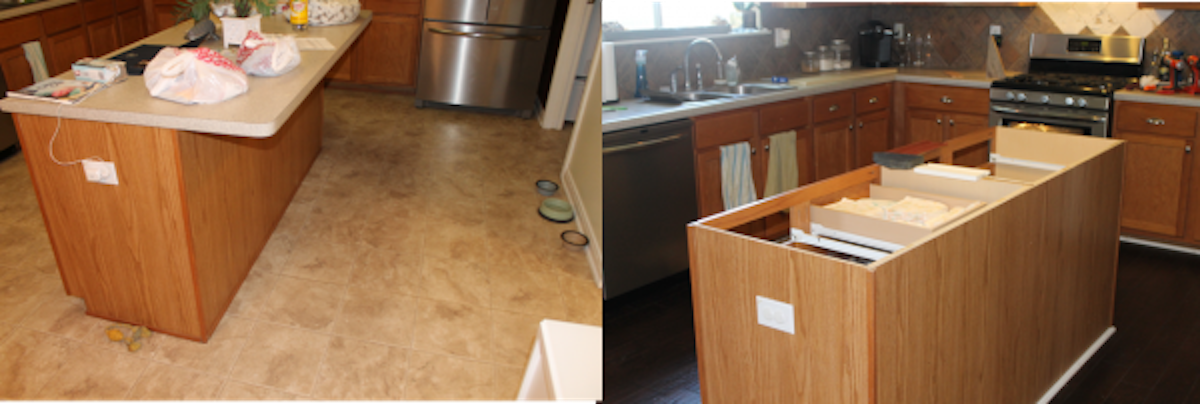
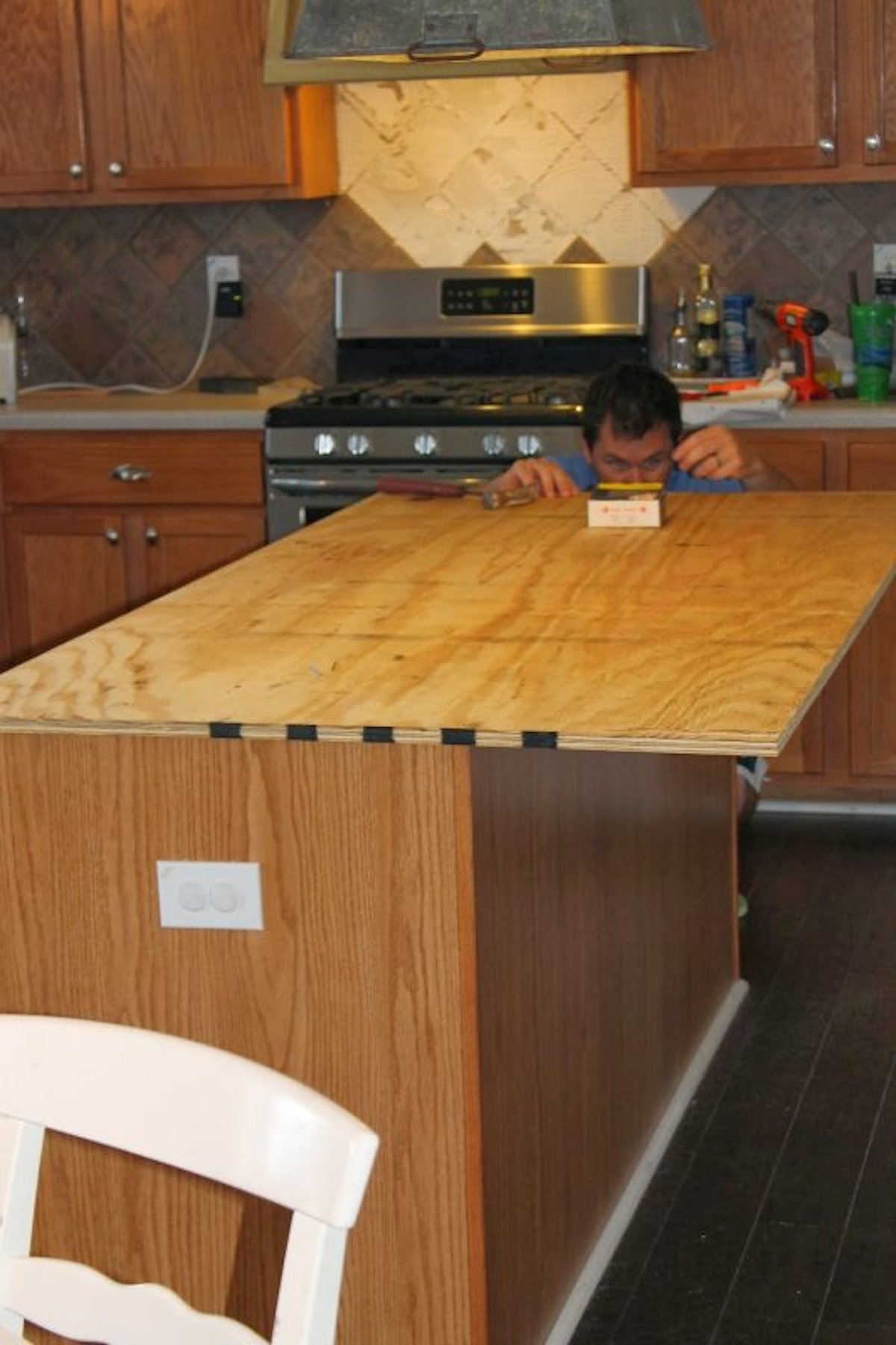
The project officially commenced just after Christmas in 2012. The first step involved removing the outdated laminate countertops. A critical element of this stage was the modification of the island’s footprint. By extending the island by four inches and incorporating decorative molding and furniture-style legs, the team was able to elevate the kitchen’s overall architecture. A plywood base was installed to serve as the structural foundation, secured with L-brackets to support the weight of the new wood top.

Phase 2: Material Selection and Installation
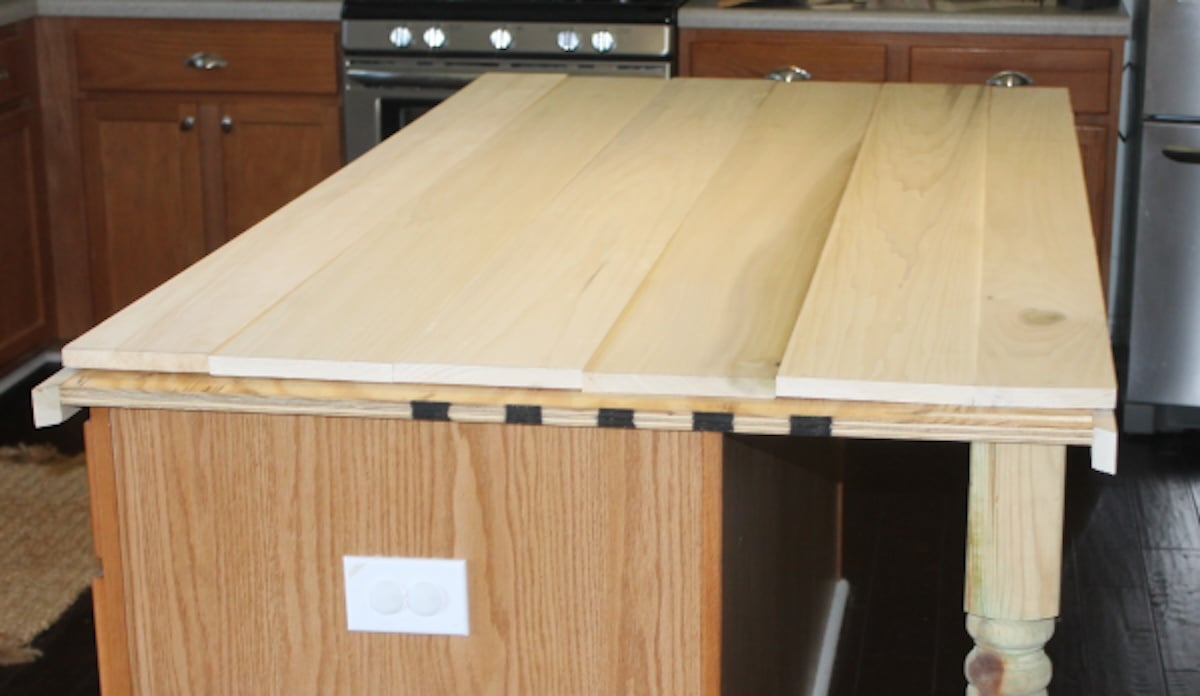
Rather than opting for a standard butcher block look, the project team opted for Poplar, a versatile and affordable hardwood. To avoid a monotonous appearance, two different plank widths (six-inch and eight-inch) were utilized.
A crucial installation tip provided by the project lead is to install the edge trim—a 1 1/4-inch thick piece of pine—before attaching the primary surface planks. This creates a seamless, square-edge profile that gives the impression of a significantly thicker, more substantial countertop. Once the perimeter was established, the primary planks were secured from underneath the plywood base to ensure a clean, fastener-free surface on the top of the counter.
Phase 3: The Art of Distressing
The transformation of "new" wood into "aged" timber relies on a combination of intentional damage and careful sanding. To mimic the wear and tear of decades of use, the project utilized unconventional tools, including chicken wire baskets and heavy-duty garage hooks. These items were used to strike, drag, and puncture the wood, creating a textured surface that mimics the natural patina of salvaged lumber. Edges were softened with a palm sander, and grooves were added between the planks to accentuate the individual character of each board.

Phase 4: Staining and Layering
The secret to a realistic finish lies in the layering of multiple stain colors. The project team utilized a mixture of "Summer Oak," "Dark Walnut," and "Sun Bleached" stains, heavily diluted with paint thinner. By applying these in thin, buildable layers, the wood grain was highlighted, allowing the darker pigments to settle into the pores and distress marks, effectively simulating the appearance of aged timber.
Phase 5: The Final Seal
Durability is the primary concern for wood surfaces in a kitchen. The project team selected Waterlox, a product known for its ability to "lock" out moisture, making the surface resistant to spills and suitable for food preparation. The application process required four coats, with light sanding between layers, totaling a four-day curing process. The final step was a light sanding of the surface to remove excess gloss, resulting in a soft, matte finish that feels natural yet is remarkably resilient.

Supporting Data: Cost Breakdown
The economic efficiency of this project is one of its most compelling aspects. By bypassing expensive raw materials and professional labor costs, the project remained well within a modest budget.

Island Countertop Costs
- Wood Materials: $185
- Finishing Supplies (Stain, Waterlox): $87
- Total for Island: $272
Main Perimeter Countertops
- Wood and Fasteners: $372
- Total for Main Counters: $372
By choosing to DIY, the homeowners saved thousands of dollars compared to traditional granite installation, proving that high-end design does not necessarily require a high-end budget.

Implications for the Home Improvement Industry
This project serves as a case study for the growing trend of "accessible luxury" in home renovations. The success of the faux reclaimed wood technique highlights several key shifts in homeowner behavior:

- Valorization of DIY Skills: Homeowners are increasingly viewing renovations not just as a means to an end, but as a skill-building opportunity. The ability to manipulate materials to achieve a specific aesthetic is becoming as valuable as the materials themselves.
- Sustainability through Longevity: By utilizing new, sustainably harvested wood and high-quality sealers that extend the life of the surface, homeowners are finding alternatives to the "disposable" nature of lower-quality laminates or mass-produced veneers.
- The "Farmhouse" Movement: The enduring popularity of the farmhouse aesthetic—characterized by natural textures, warmth, and the blending of old and new—continues to influence material choices. Projects like this indicate that this trend is not merely surface-level but is driving actual construction and design choices.
Official Perspective and Maintenance
When asked about the longevity of these countertops after a year of heavy use, the results were overwhelmingly positive. The surface has proven to be highly durable against water, heat, and food stains. The project creator notes that the maintenance is minimal, far exceeding the performance of many store-bought options.

The success of this project confirms that while the initial investment in labor and patience is significant, the long-term payoff—both aesthetic and financial—is profound. It is a reminder that in the world of home design, the most striking results often come from the intersection of thoughtful planning, creative distress, and the courage to take on a challenge that others might leave to the professionals.

As Alyson concludes, "I wouldn’t even trade them for granite at a really cheap price." This sentiment encapsulates the value of a personalized, handmade home, where every scratch and grain pattern tells a story of the time and care invested in the space.