In an era where nutritional consciousness has moved from niche health circles to the mainstream, the search for the "perfect meal"—one that balances macronutrients, accessibility, and flavor—has led many to rediscover an ancient staple: the Moong Dal Salad. A refreshing departure from heavy, processed lunch options, this dish is rapidly gaining traction as a gold standard for light, protein-rich nutrition.
By combining the humble mung bean with a symphony of crisp vegetables and a signature ginger-infused dressing, culinary experts and nutritionists alike are championing this salad as a blueprint for sustainable, vibrant eating.
The Main Facts: What Is Moong Dal Salad?
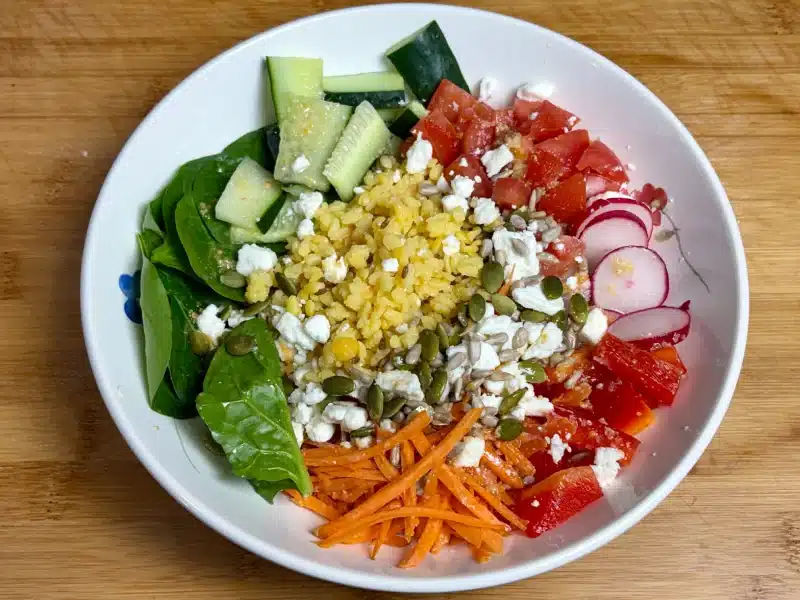
At its core, the Moong Dal Salad is a culinary mosaic. It utilizes moong dal (split yellow mung beans) as its foundation, a pulse revered in Ayurvedic traditions for its high protein content and ease of digestion. Unlike heavy animal proteins that can lead to a post-lunch slump, moong dal provides a steady release of energy, making it an ideal choice for the working professional.
The dish is characterized by its textural complexity. By folding in finely chopped seasonal vegetables—such as cucumbers, bell peppers, tomatoes, and red onions—the salad achieves a "crunch factor" that satisfies the palate. The addition of feta cheese provides a creamy, salty counterpoint to the earthiness of the beans, while a garnish of seeds (such as sunflower or pumpkin) adds a final layer of healthy fats and micronutrients.
What truly elevates this recipe, however, is the dressing. Culinary experts often emphasize that a salad is only as good as its emulsion. In this case, the inclusion of fresh ginger juice is the "secret weapon." Ginger, known for its anti-inflammatory properties and digestive benefits, acts as a brightening agent that cuts through the starchiness of the dal, creating a balanced, tangy, and complex flavor profile that keeps the dish from feeling mundane.
Chronology: From Ancient Staple to Modern Superfood
The history of the mung bean dates back thousands of years to the Indian subcontinent, where it has long been a staple of the diet. However, its evolution into the modern "salad bowl" format is a relatively recent phenomenon, coinciding with the global shift toward plant-forward diets.
- Ancient Origins: Mung beans were cultivated as early as 1500 BC. In traditional systems of medicine, they were prescribed for their cooling properties and high fiber content.
- The Mid-20th Century Transition: As Indian cuisine began to travel globally, the use of moong dal remained largely confined to soups (dals) and curries.
- The 2010s "Superfood" Boom: Nutritionists began identifying the mung bean as a powerhouse of protein and folate. The salad format emerged as a way to package these benefits into a convenient, "grab-and-go" lunch style.
- Present Day: The Moong Dal Salad has transcended its ethnic roots, appearing on the menus of health-conscious cafes from London to Los Angeles. It is now recognized not just as a side dish, but as a nutritionally complete meal.
Supporting Data: The Nutritional Profile
The popularity of this salad is backed by rigorous nutritional analysis. A single serving of Moong Dal Salad provides a comprehensive array of essential nutrients:
- High-Quality Plant Protein: Moong dal is one of the most protein-dense legumes, containing approximately 7 grams of protein per half-cup of cooked dal. This makes it an essential tool for those looking to maintain muscle mass without relying solely on meat.
- Fiber Density: The high fiber content aids in blood sugar regulation. Unlike simple carbohydrates that spike insulin levels, the fiber in the dal ensures that glucose is released slowly into the bloodstream.
- Micronutrient Richness: The inclusion of fresh vegetables acts as a delivery system for Vitamins A, C, and K, as well as essential minerals like iron and potassium.
- Ginger’s Therapeutic Role: Ginger contains gingerol, a bioactive compound that aids in gastric emptying and provides an antioxidant boost, making the salad as beneficial for the gut as it is for the taste buds.
Official Perspectives: What Nutritionists and Chefs Say
Nutritionists have lauded the dish for its versatility and inclusivity. Because the base ingredients are naturally gluten-free and can be easily adapted to be vegan, it serves as a "universal" dish that fits almost any dietary requirement.
"The beauty of this salad lies in its simplicity," says one prominent health educator. "It doesn’t rely on expensive, exotic ‘superfoods.’ Instead, it uses a time-tested legume that is affordable and incredibly nutrient-dense. When you add the ginger-based dressing, you are essentially creating a functional food—a meal that doesn’t just fill you up, but actually supports metabolic health."

Chefs, meanwhile, emphasize the importance of the prep technique. The common advice is to ensure the dal is cooked until tender but not mushy, as the texture is vital for a good mouthfeel. Furthermore, the practice of extracting fresh ginger juice—rather than using powdered spice—is highlighted as the key to the dressing’s signature "zing."
Implications: The Future of the "Lunch Bowl"
The emergence of the Moong Dal Salad as a mainstream staple has significant implications for how we perceive healthy eating.
1. The Decline of Processed Convenience
As more people recognize that they can prepare a nutrient-dense lunch in under 30 minutes, the demand for ultra-processed "diet" bars and pre-packaged salads with long ingredient lists is waning. This shift represents a broader movement toward "home-made" being synonymous with "higher quality."
2. Sustainability and Cost-Effectiveness
In a global economy where food prices are volatile, the mung bean stands out as a highly sustainable crop. It requires less water than many other protein sources and is shelf-stable. For the consumer, it is one of the most cost-effective ways to hit daily protein targets.
3. Culinary Flexibility
The FAQ section of modern recipes highlights the adaptability of the dish. Whether one chooses to use sprouted mung beans (which increase the bioavailability of nutrients) or substitutes feta for a plant-based cheese, the salad is a canvas. This flexibility encourages home cooks to experiment, leading to higher rates of satisfaction and long-term adherence to healthy eating habits.
Crafting the Perfect Experience: Tips for the Home Cook
For those looking to integrate this into their weekly meal prep, the experts provide a clear roadmap:
- Prep Ahead: Cook a large batch of moong dal at the start of the week. When properly stored in an airtight container, it remains fresh for several days.
- The Dressing Rule: Never dress the salad until the final moment before eating. This preserves the structural integrity of the vegetables, ensuring the "crunch" remains intact.
- Texture Balance: Pair the softness of the dal with harder, crunchy vegetables like carrots or radishes to create a more satisfying eating experience.
- Sprouting: For those who want an extra health boost, sprouting the dal for 24 hours before cooking can enhance the vitamin content and introduce beneficial enzymes, making the meal even easier to digest.
Conclusion
The Moong Dal Salad is more than just a fleeting health trend; it is a testament to the enduring power of simple, whole foods. By merging the wisdom of traditional dietary staples with the modern, fast-paced requirement for convenience, it offers a blueprint for how we might eat in the future. Whether you are a fitness enthusiast looking for clean fuel, a busy professional seeking a satisfying lunch, or a home cook eager to experiment with fresh flavors, this salad provides a path to health that is both delicious and undeniably satisfying.
As we look toward a future where our food choices impact both our personal health and the environment, dishes like this—simple, plant-based, and nutrient-dense—will undoubtedly continue to hold a central place at the table.