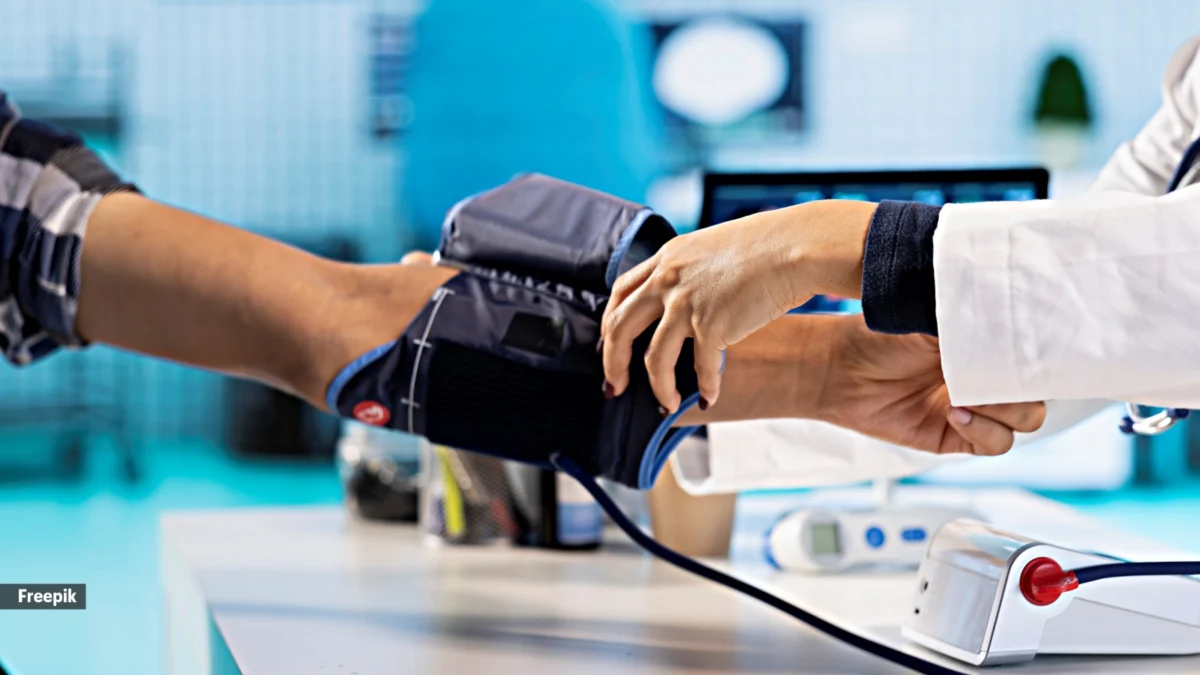
An extraordinarily high blood pressure reading of 179/119 millimeters of mercury (mmHg) serves as an acute warning sign for potential severe cardiovascular and systemic complications. Even in the complete absence of physical symptoms, a reading of this magnitude approaches the threshold of a hypertensive crisis, exposing critical organs—including the heart, brain, kidneys, and eyes—to immediate strain and potential structural damage.
The public health conversation surrounding extreme blood pressure spikes gained fresh momentum following a widely circulated query on the Q&A platform Quora, where a user questioned whether a reading of 179/119 mmHg warranted concern. Medical experts unequivocally confirm that such numbers require urgent clinical assessment. Left unmanaged, severe hypertension can lead to irreversible end-organ damage, stroke, or fatal cardiac events.
Main Facts: The Severity of a 179/119 mmHg Reading
Blood pressure measurements record two distinct forces:
- Systolic pressure (the top number), measuring the force exerted against artery walls as the heart beats.
- Diastolic pressure (the bottom number), measuring the pressure in the arteries when the heart rests between beats.
A normal adult reading is typically defined as below 120/80 mmHg. A reading of 179/119 mmHg places an individual on the perilous precipice of a hypertensive crisis, defined by major cardiological associations as a systolic pressure exceeding 180 mmHg or a diastolic pressure exceeding 120 mmHg.
+-----------------------------------------------------------------------+
|                   BLOOD PRESSURE CATEGORIES (AHA/ACC)                 |
+--------------------------+---------------------+----------------------+
| Category                 | Systolic (mmHg)     | Diastolic (mmHg)     |
+--------------------------+---------------------+----------------------+
| Normal                   | Less than 120   and | Less than 80         |
| Elevated                 | 120 – 129       and | Less than 80         |
| High BP (Stage 1)        | 130 – 139        or | 80 – 89              |
| High BP (Stage 2)        | 140 or higher    or | 90 or higher         |
| Hypertensive Crisis      | Higher than 180 and/or Higher than 120      |
+--------------------------+---------------------+----------------------+
At 179/119 mmHg:
- The diastolic value (119 mmHg) is functionally at the crisis threshold, indicating extreme baseline resistance in the peripheral arteries.
- The pressure places substantial, acute shear stress on blood vessel linings (endothelium), predisposing them to rupture, thrombosis, or acute failure.
- Immediate clinical intervention is required, regardless of whether the individual feels ill or completely healthy.
Chronology: From Digital Query to Clinical Protocol
Understanding how to react to a sudden, severe blood pressure measurement can mean the difference between immediate medical recovery and catastrophic tissue damage. The timeline of events—from discovering high numbers to seeking professional help—requires strict adherence to medical protocols.
[Reading Recorded: 179/119 mmHg]
              │
              ▼
[Immediate Actions]
  ├─ Sit calmly with back supported and feet flat
  ├─ Wait 5 minutes (no smoking, caffeine, or movement)
  └─ Check for warning signs (chest pain, severe headache, confusion)
              │
              ├──────────────────────────────────────────┐
              ▼                                          ▼
     [Red Flags Present]                      [No Symptoms Present]
              │                                          │
              ▼                                          ▼
[Call 911 / Go to ER Immediately]              [Retake Measurement]
                                                         │
                                                         ▼
                                             [Reading Remains High]
                                                         │
                                                         ▼
                                             [Contact Doctor / Urgent Care]
                                             *Do NOT double up on medication*
The Online Inquiry and Expert Intervention
The public discussion originated when an individual posted a query on Quora asking: "Should I worry that my blood pressure is high at 179/119?"
Recognizing the serious health risk implicit in the question, health journalists reached out to Dr. Vineeta Singh Tandon, Senior Consultant of Internal Medicine at ISIC Multispeciality Hospital, to outline the appropriate medical steps and clear up dangerous misconceptions surrounding asymptomatic hypertension.
The Step-by-Step Immediate Action Protocol
Dr. Tandon stresses that when an automated monitor or clinician records a reading near 179/119 mmHg, the individual must immediately follow a standardized verification and safety protocol:
- Initial Rest Period: Sit down quietly in a comfortable chair. Ensure the back is supported, feet are resting flat on the floor, and arms are resting at heart level. Do not speak, pace, or engage in stressful tasks.
- Eliminate Interferences: Ensure no caffeine, nicotine, decongestants, or intense physical exertion occurred immediately prior to the test.
- Wait and Re-measure: Wait precisely five minutes before conducting a second reading on the same cuff to rule out temporary spikes driven by acute movement or anxiety.
- Evaluate Symptoms: Assess the body for subtle or acute warning signs while waiting for the repeat test.
- Seek Guidance: If the repeat measurement remains near or above 179/119 mmHg, contact a physician or visit an urgent care facility immediately—even if you feel completely normal. If acute warning symptoms accompany the numbers, bypass home re-testing and call emergency services right away.
Supporting Data and Medical Benchmarks
To fully grasp the danger of a 179/119 mmHg measurement, it is necessary to examine the diagnostic criteria established by major health organizations such as the American Heart Association (AHA), the American College of Cardiology (ACC), and the World Health Organization (WHO).

Hypertensive Urgency vs. Hypertensive Emergency
In emergency medicine, severe elevations in blood pressure are categorized into two primary states based on the presence of tissue damage:
- Hypertensive Urgency: Blood pressure rises to crisis levels (systolic >180 mmHg or diastolic >120 mmHg), but there is no evidence of immediate, acute target-organ damage. These cases require prompt medication adjustment and evaluation within 24 to 48 hours to gradually lower pressure.
- Hypertensive Emergency: Blood pressure rises to extreme levels and is accompanied by active, progressive target-organ damage. This condition requires immediate hospital admission, often to an intensive care unit (ICU), for controlled intravenous antihypertensive therapy.
Pathophysiology of Vascular and Endothelial Damage
When blood flows through the arterial system at a pressure of 179/119 mmHg, the sheer force damages the delicate endothelial lining of blood vessels. Over time or during acute spikes, this dynamic triggers several dangerous conditions:
- Cerebrovascular Impact: High pressure can burst weakened cerebral arteries (causing a hemorrhagic stroke) or encourage clot formation (causing an ischemic stroke). It can also lead to hypertensive encephalopathy—brain swelling characterized by severe headache, confusion, and altered consciousness.
- Cardiovascular Strain: The heart’s left ventricle must pump with extraordinary force against elevated diastolic resistance (119 mmHg). This acute overload can trigger acute heart failure, pulmonary edema (fluid in the lungs), aortic dissection (a life-threatening tear in the main artery), or myocardial infarction (heart attack).
- Renal Deterioration: The delicate filtering units of the kidneys (nephrons) are extremely vulnerable to elevated pressure. A sudden surge can cause acute kidney injury, compromising the body’s ability to filter waste and balance fluids.
- Ocular Damage: High pressure can cause retinal hemorrhages, exudates, or papilledema (swelling of the optic nerve), potentially leading to permanent vision loss.
          EXTREME BLOOD PRESSURE (179/119 mmHg)
                            │
      ┌─────────────────────┼─────────────────────┐
      ▼                     ▼                     ▼
[BRAIN IMPACT]       [HEART IMPACT]       [KIDNEY/EYE IMPACT]
 • Hemorrhagic Stroke • Left Ventricular   • Nephron Failure
 • Ischemic Stroke      Strain             • Acute Kidney Injury
 • Brain Swelling     • Heart Attack       • Retinal Damage
   (Encephalopathy)   • Aortic Dissection  • Papilledema
Asymptomatic Nature: Why "Feeling Fine" is Deceptive
One of the most dangerous aspects of high blood pressure is its ability to remain completely silent. Millions of adults suffer from uncontrolled hypertension without experiencing headaches, dizziness, or fatigue.
"High blood pressure is often called a ‘silent killer’ because many people feel completely normal despite having readings that can damage organs," Dr. Tandon explains. Relying on physical sensations to judge blood pressure severity is a major clinical mistake. Internal tissue strain occurs continuously at 179/119 mmHg, whether symptomatic or not.
Official Responses and Expert Medical Insights
Medical guidance from internal medicine specialists emphasizes caution, deliberate clinical testing, and strict avoidance of self-medication during a hypertensive spike.
The Pitfalls of Self-Medication
A common and potentially dangerous reaction to discovering a 179/119 mmHg reading—especially among patients already diagnosed with hypertension—is taking an extra dose of prescribed medication without consulting a doctor.
Dr. Tandon explicitly warns against this approach:
"Taking additional medication without guidance can cause blood pressure to drop too quickly, leading to dizziness, fainting, or reduced blood flow to vital organs."
Dropping blood pressure too rapidly can cause hypoperfusion—a state where organs like the brain and heart suddenly do not receive enough oxygen-rich blood because the driving pressure has plummeted. This abrupt drop can actually trigger an ischemic stroke or acute cardiac event. Controlled, gradual reductions managed by healthcare professionals are critical.
Warning Signs Requiring Emergency Care
Dr. Tandon highlights specific red-flag symptoms that turn a high reading into an immediate medical emergency. If a reading of 179/119 mmHg is accompanied by any of the following, emergency services (such as calling 911) should be contacted immediately:

- Chest pain, pressure, or tightness
- Shortness of breath or difficulty breathing
- Severe, sudden headache ("thunderclap" headache)
- Confusion, slurred speech, or difficulty understanding conversation
- Sudden numbness, weakness, or paralysis on one side of the body
- Visual disturbances, such as sudden blurriness or vision loss
- Dizziness, loss of balance, or sudden fainting (syncope)
+-------------------------------------------------------------------+
|               RED FLAG SYMPTOMS REQUIRING EMERGENCY CARE          |
+-------------------------------------------------------------------+
|  • Chest Pain / Pressure          • Sudden Numbness / Weakness    |
|  • Shortness of Breath            • Visual Disturbances           |
|  • Severe "Thunderclap" Headache  • Dizziness or Fainting         |
|  • Confusion or Slurred Speech    • Loss of Consciousness         |
+-------------------------------------------------------------------+
Potential Triggers and Underlying Causes
A sudden spike to 179/119 mmHg can affect individuals with pre-existing high blood pressure as well as those with no prior history of the condition. Dr. Tandon notes that physicians must look for a range of acute triggers and secondary causes, including:
- Acute Psychological or Physical Stress: Severe emotional trauma, panic attacks, or intense, unmanaged acute pain.
- Renal Vascular Conditions: Sudden disruptions in kidney perfusion or primary kidney disease.
- Endocrine Disorders: Adrenal gland abnormalities (such as pheochromocytoma or Cushing’s syndrome) and thyroid dysfunction.
- Substance Interactions: Recent use of illicit stimulants (e.g., cocaine, amphetamines), heavy alcohol consumption, or abrupt withdrawal from medications.
- Pharmaceutical Triggers: Over-the-counter nasal decongestants containing pseudoephedrine, nonsteroidal anti-inflammatory drugs (NSAIDs), systemic corticosteroids, or certain oral contraceptives.
- Pregnancy Complications: Preeclampsia or eclampsia in pregnant or postpartum women.
- Sleep Disturbances: Severe, untreated obstructive sleep apnea paired with systemic sleep deprivation.
Diagnostic Workups in Emergency Settings
When a patient arrives at a clinic or emergency department with blood pressure near 179/119 mmHg, doctors perform a comprehensive diagnostic workup to assess organ function and identify root causes:
- Continuous Hemodynamic Monitoring: Automated, regular BP checks across both arms to confirm accuracy.
- Electrocardiogram (ECG): Assessment for acute myocardial ischemia, left ventricular hypertrophy, or arrhythmia.
- Comprehensive Blood Chemistry: Testing serum creatinine, blood urea nitrogen (BUN), and electrolytes to evaluate kidney function and fluid balance.
- Urinalysis: Checking for proteinuria (protein in urine) or hematuria (blood in urine), which indicate acute glomerular damage.
- Ophthalmoscopic Examination: Direct inspection of the retina to check for vascular swelling, bleeding, or papilledema.
- Advanced Diagnostic Imaging: CT scans or MRIs of the brain if neurological symptoms exist, or chest CT angiography if aortic dissection or pulmonary edema is suspected.
Implications: Health Systems, Patient Literacy, and Long-Term Prevention
The broad public response to the Quora inquiry highlights important issues regarding modern healthcare delivery, digital health literacy, and cardiovascular disease prevention.
+-----------------------------------------------------------------------+
|                    HEALTH SYSTEM & PATIENT IMPLICATIONS               |
+-----------------------------------------------------------------------+
| Strategic Area           | Actionable Imperative                      |
+--------------------------+--------------------------------------------+
| Digital Health Literacy  | Replace internet search with validated     |
|                          | clinical action plans during health crises.|
| System Readiness         | Train primary care teams for rapid intake  |
|                          | of severe hypertensive urgency cases.      |
| Chronic Disease Management| Implement routine home monitoring and     |
|                          | structured medication review protocols.    |
+--------------------------+--------------------------------------------+
Bridging the Digital Health Literacy Gap
The fact that patients turn to public Q&A platforms like Quora during a potential hypertensive crisis reveals a significant gap in patient education. While digital platforms offer accessible information, crowd-sourced advice cannot replace real-time clinical assessment.
Healthcare networks must continue building clear, clear-cut educational resources that inform patients about their personal blood pressure targets, emergency thresholds, and exact steps to take when faced with alarming monitor readings.
Public Health Burden of Uncontrolled Hypertension
Hypertension remains a leading cause of preventable cardiovascular death worldwide. According to global health metrics, less than 25% of adults with hypertension have their condition under control. Spikes reaching 179/119 mmHg represent systemic gaps in:
- Regular preventive health screening.
- Medication adherence and persistent treatment plans.
- Early detection of secondary lifestyle and dietary triggers.
Unmanaged spikes create a heavy financial and operational strain on hospital emergency departments. Many of these visits could be avoided with consistent primary care, regular medication reviews, and timely adjustments to home treatment plans.
Long-Term Management and Prevention Strategies
For an individual who experiences a reading of 179/119 mmHg and receives acute care, long-term stabilization requires a dual approach combining tailored medication with structured lifestyle changes:
- Pharmacotherapy: Most patients with Stage 2 hypertension or severe spikes require two or more anti-hypertensive medications from different drug classes (such as ACE inhibitors, Angiotensin Receptor Blockers [ARBs], Calcium Channel Blockers, or Thiazide diuretics) to maintain steady control.
- Dietary Adjustments: Adopting eating plans like the DASH (Dietary Approaches to Stop Hypertension) diet, which emphasizes reducing daily sodium intake (aiming for less than 1,500 mg per day) while increasing potassium-rich foods.
- Physical Activity: Engaging in 150 minutes of moderate aerobic exercise weekly, tailored to safe baseline targets established by a cardiologist.
- Monitoring Habits: Using validated home blood pressure monitors to log regular, calm readings at consistent times each day, creating an accurate log for primary care physicians.
Ultimately, a blood pressure reading of 179/119 mmHg is a serious medical event that must never be ignored or dismissed simply because a person feels healthy. Prompt, calm evaluation, strict avoidance of unscripted self-medication, and immediate contact with healthcare professionals remain the essential steps for preventing long-term damage and protecting overall cardiovascular health.