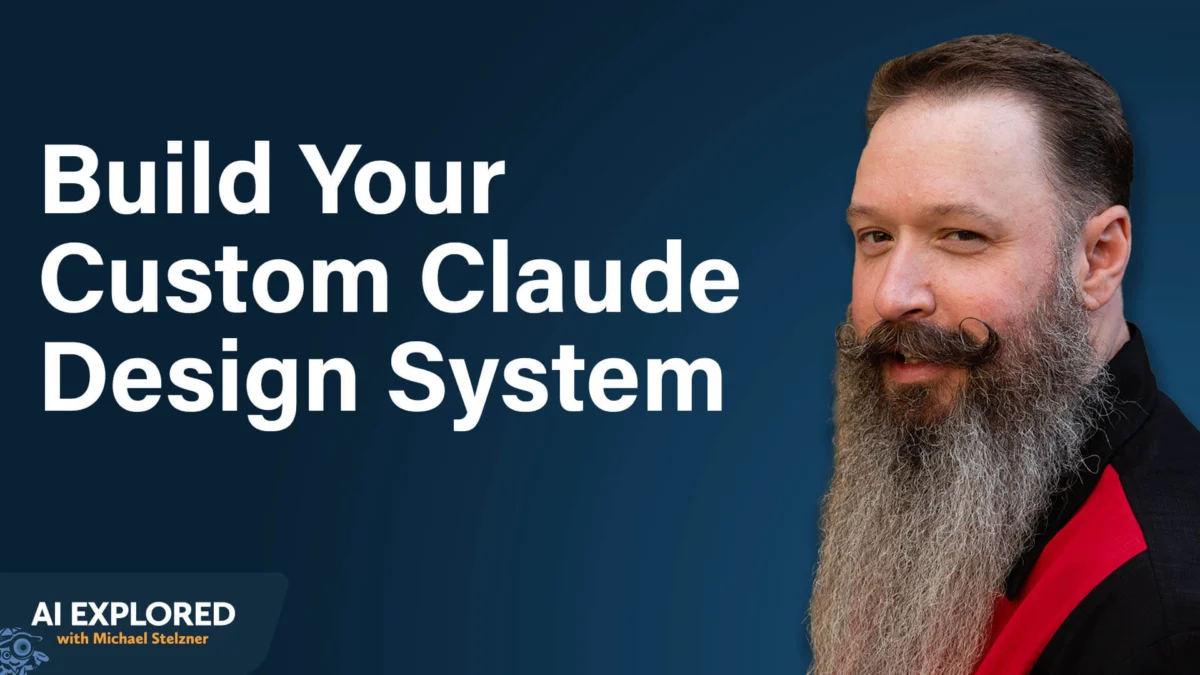
In the rapidly evolving landscape of generative AI, the conversation has long been dominated by image generators—tools like Midjourney or DALL-E that transform text prompts into pixelated art. However, a significant gap has remained for creators: the ability to move beyond a standalone image and into the realm of professional layout, brand consistency, and structural design.
Enter Claude Design, a sophisticated front-end layout tool developed by Anthropic. Unlike its generative counterparts, Claude Design is not a "text-to-image" engine; it is a structural powerhouse designed to handle the complex interplay of typography, white space, color theory, and modular composition. For solopreneurs, agencies, and small teams, it acts as an on-demand front-end designer, capable of producing high-fidelity websites, slide decks, and documents that maintain rigorous brand standards.
The Paradigm Shift: Design Systems over Image Prompts
To understand the utility of Claude Design, one must distinguish between illustration and composition. While AI image generators can create a compelling visual, they often fail to integrate that visual into a functional, branded environment. Claude Design addresses this by focusing on the "Design System"—a standardized framework of visual identity that acts as the bedrock for all content output.
A design system is more than a logo folder; it is a strategic document encompassing color swatches, font hierarchies, spacing rules, and animation styles. By codifying these elements into a design.md file, creators ensure that their brand identity is not just consistent, but portable. This Markdown file can be ingested by various AI models, ensuring that whether a user is drafting a PDF, building a landing page, or creating a slide deck, the visual "DNA" remains identical.
Chronology of Workflow: From Setup to Scale
Building a robust design system in Claude Design is a deliberate process that typically takes 10 to 15 minutes. The workflow is designed to minimize the "trial and error" phase common in prompt engineering.
1. The Foundation: Material Ingestion
The process begins with the user providing foundational assets. This includes logos, color palettes extracted from existing brand assets, and URL references. By pointing Claude Design to an existing website, the tool performs a comprehensive crawl, scraping not only the visual aesthetic but also the written brand tone. This ensures that the system understands the "voice" of the brand in addition to its "look."
2. Iterative Refinement and Contextual Input
Rather than relying on one-click presets, professional users leverage open text fields to provide granular context. Industry experts recommend utilizing voice-to-text tools like Wispr Flow during this phase. Speaking naturally allows for a level of nuance—such as describing a "1950s Googie architecture aesthetic"—that is difficult to achieve through checkboxes. Once the AI grasps a specific style, it applies that logic across every subsequent design, from background elements to image prompts generated for external tools.
3. The Power of Multiple Iterations
A critical technique for efficiency is the "multi-version request." Instead of refining a single draft, power users ask the AI to generate five distinct variations simultaneously. This allows the designer to evaluate different layout strategies side-by-side, narrowing the focus toward the most effective composition before moving into manual refinements.
Supporting Data and Technical Capabilities
Claude Design is not merely a static image generator; it is a functional tool capable of producing deployable assets.
Dynamic Motion Graphics
The tool’s animation capabilities represent a leap forward for digital content. By rendering animations in code—rather than as resource-heavy video files—Claude Design creates vector-based motion graphics. These are lightweight, infinitely scalable, and can be embedded directly into websites, drastically reducing load times while maintaining a high-end, cinematic feel.
The "Anti-Slop" Skillset
One of the most praised features is the integration of "Skills." Users can implement specific instruction sets, such as an "Anti-AI Slop" filter. This ensures that all generated text is scrubbed of common AI indicators—excessive hyphens, overused adjectives, and redundant emojis—resulting in copy that feels human-written and aligns with the brand’s specific tone of voice.
Workflow Automation
The true value of Claude Design is realized when it is tethered to automated systems:
- Automated Cheat Sheets: By connecting the tool to podcast transcripts, users can automate the creation of branded, downloadable resources that are published instantly post-show.
- Carousel Systems: Claude Design can ingest a transcript, divide it into a "Hook-Build-Payoff" structure, and generate image prompts with precise hex codes. This creates a seamless pipeline from long-form content to social media assets.
- Mockup Pipelines: For software development, the tool allows teams to create high-fidelity UI mockups before a single line of code is written. This eliminates the "design-to-development" friction, catching aesthetic errors early in the production cycle.
Official Perspectives: The Role of the AI "Designer"
Anthropic has positioned Claude Design as a laboratory-stage tool that is rapidly evolving. Unlike early iterations that were restricted by separate usage quotas, the tool is now fully integrated into the standard Claude credit system. This signals a move toward making high-level design accessible to non-designers.
The tool’s primary objective is to solve the "intent gap." While generative AI has mastered the art of creation, it has historically struggled with intent—the ability to place an element in a specific spot for a specific reason. By focusing on the structural composition (the "front-end" aspect of design), Claude Design addresses the professional requirement for intentional, purposeful visual communication.
Implications for the Future of Creative Work
The rise of Claude Design has profound implications for the creative industry.
1. The Democratization of Professional Design
For solopreneurs, the barrier to entry for high-quality visual content has been lowered significantly. The ability to produce functional, branded, and aesthetically consistent materials without a professional designer on payroll allows small businesses to compete with larger firms on a visual level.
2. Shift in Designer Roles
The role of the professional designer is shifting from "creator of assets" to "architect of systems." Designers who embrace these tools are no longer spending hours adjusting kerning or aligning elements; they are spending their time building the logic, rules, and brand frameworks that the AI then executes.
3. Portability and the Markdown Standard
The reliance on design.md files is a strategic move toward platform independence. In an industry where tools come and go, the ability to store a brand’s visual identity as portable, machine-readable code ensures that a company’s aesthetic remains secure, regardless of which AI platform currently dominates the market.
Conclusion
Claude Design represents a transition from the "wow factor" of generative AI to the "work factor" of practical, business-ready tools. By focusing on the structural, layout-driven aspects of design and enforcing brand consistency through codified systems, it allows creators to move beyond the experimental phase and into a state of high-volume, high-quality production.
As the technology continues to evolve, the distinction between those who use AI to generate "slop" and those who use it to manage "systems" will become the defining line in the creative industry. For those looking to scale their output while maintaining a professional standard, the architecture of the design system is no longer just a luxury—it is the new standard of operation.