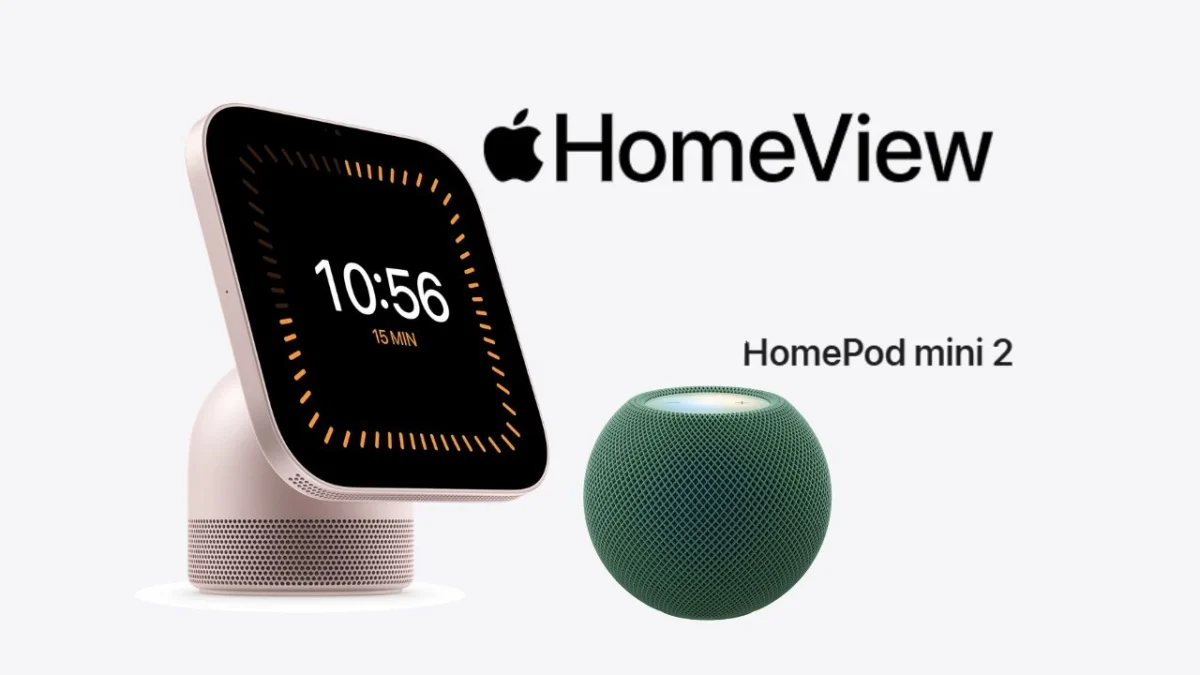
In a move that signals a significant escalation in its battle for the center of the modern living room, Apple has officially unveiled two cornerstone products for its domestic ecosystem: the Home View smart display and the HomePod mini 2. This dual-release marks Apple’s long-anticipated entry into the dedicated smart home display market and a substantial refresh of its most popular smart speaker, aiming to integrate high-performance silicon with seamless environmental control.
The announcement comes at a pivotal time for the tech giant as it seeks to unify its "Apple Intelligence" framework across all hardware categories. By introducing a dedicated screen-based hub and a more sensitive, sensor-rich audio device, Apple is positioning itself to challenge the long-standing dominance of Amazon’s Echo Show and Google’s Nest Hub series.
1. The Main Facts: A New Vision for Home Automation
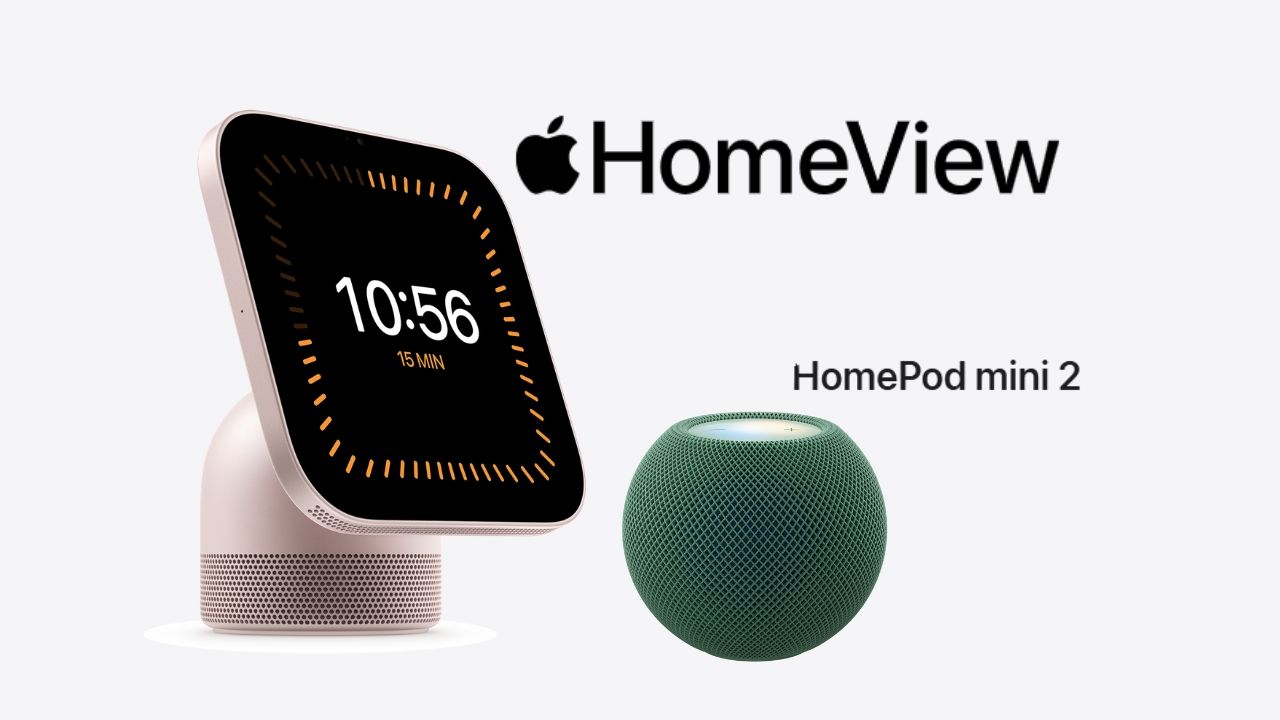
The centerpiece of the launch is the Home View, Apple’s first-ever smart home display. Priced at ₹39,900, the device is designed to act as a command center for HomeKit-enabled devices, offering a visual interface for security cameras, lighting, and climate control. It features a high-resolution 7-inch Liquid Retina display and is powered by the cutting-edge A18 chip, the same silicon found in Apple’s latest flagship smartphones.
Complementing the display is the HomePod mini 2, the successor to the highly successful 2020 original. Retaining its iconic spherical aesthetic but receiving a total internal overhaul, the HomePod mini 2 is priced at ₹18,900. It focuses on three core pillars: refined 360-degree acoustics, enhanced Siri responsiveness via a new three-microphone array, and advanced environmental sensing for automated home management.
Key Pricing and Availability at a Glance:
- Apple Home View: ₹39,900 | Available from November 13.
- Apple HomePod mini 2: ₹18,900 | Available from October 30.
2. Chronology of the Launch: From Announcement to Living Room
The rollout of these products follows a strategic timeline designed to capture the high-demand late-quarter shopping season.
- The Reveal: Apple announced the devices through a coordinated global press release and digital showcase, emphasizing the "Privacy First" approach to home automation.
- Pre-order Window: Early adopters were granted access to pre-orders for the HomePod mini 2 immediately following the announcement, with the Home View pre-orders slated for early November.
- HomePod mini 2 Market Entry (October 30): The smart speaker will be the first to hit the shelves. This allows Apple to establish its updated audio presence before the more complex display unit arrives.
- Home View Market Entry (November 13): The Home View arrives two weeks later. This staggered release ensures that retail teams can focus on demonstrating the unique software capabilities of the new "HomeOS" interface that powers the display.
3. Supporting Data: Technical Deep Dive
Apple Home View: The Power of the A18 in a 7-Inch Frame
The Home View is not merely a passive screen; it is a high-performance computer designed for the wall or tabletop.
- Visual Fidelity: The 7-inch Liquid Retina display boasts a peak brightness of 500 nits, ensuring visibility even in brightly lit kitchens or sunrooms. The resolution is a perfectly square 1088 x 1088, optimized for a new grid-based UI that prioritizes large, touch-friendly widgets.
- The Silicon Advantage: By utilizing the A18 chip, Apple enables on-device AI processing. This means Siri requests regarding home security or personal data are processed locally rather than in the cloud, drastically reducing latency and enhancing privacy.
- Communication Hub: The device features a 12MP ultra-wide camera with support for Center Stage, making it a premier device for FaceTime calls. Whether the user is moving around a kitchen or sitting at a desk, the camera intelligently pans and zooms to keep them in frame.
- Audio Performance: Despite its slim profile, the Home View includes a dual-speaker system with Dolby Atmos support, allowing it to function as a capable standalone music player or a secondary screen for Apple TV+ content.
HomePod mini 2: Acoustic Engineering and Environmental Intelligence
While it looks familiar, the HomePod mini 2 is a significantly more capable machine than its predecessor.
- Dimensions and Build: The device stands at 3.3 inches tall and 3.9 inches wide, wrapped in the signature seamless acoustic mesh. It remains compact enough to fit into any room while providing "room-filling" sound.
- Advanced Audio Hardware: The internal "full-range driver" has been redesigned for deeper bass and clearer high frequencies. A custom acoustic waveguide directs the sound out of the bottom of the speaker for a consistent 360-degree audio field.
- Sensory Array: One of the most significant upgrades is the inclusion of integrated temperature and humidity sensors. These allow users to create "Automations" without needing third-party hardware—for example, the HomePod can automatically trigger a smart plug to turn on a fan when the room temperature hits 25°C.
- Siri and Connectivity: The new 3-microphone setup is designed to hear the "Hey Siri" command even while loud music is playing. Furthermore, the device supports Stereo Pair (when two units are used) and integrates seamlessly with Apple Music, iTunes, and third-party streaming services via AirPlay 2.
4. Official Responses and Ecosystem Integration
Apple’s official stance emphasizes that these products are the "connective tissue" of the modern Apple household. Spokespeople for the company highlighted that both the Home View and HomePod mini 2 are built with Matter support out of the box. Matter is the industry-unifying connectivity standard that allows Apple devices to work harmoniously with smart lights, locks, and plugs from other manufacturers like Philips Hue, Eve, and Nanoleaf.
"Our goal with Home View was to provide a visual anchor for the home," an Apple representative noted during the technical briefing. "With the A18 chip, we are bringing iPhone-level intelligence to a stationary device, ensuring that your home isn’t just smart, but also incredibly responsive and secure."
Furthermore, Apple confirmed that the Apple Intelligence suite will play a major role in the software updates for these devices. This includes smarter Siri summaries of home notifications and the ability for the Home View to recognize different family members via FaceID/Camera recognition to provide personalized schedules and music recommendations.

5. Strategic Implications: A Shift in the Smart Home Landscape
The introduction of these products carries several long-term implications for the tech industry and the consumer market.
Challenging the Status Quo
For years, the smart display market has been a two-horse race between Amazon and Google. Apple’s entry with the Home View at a premium price point (₹39,900) suggests they are not competing on price, but on privacy and ecosystem stickiness. For users already invested in iPhones, iPads, and Macs, the Home View offers a level of integration that the Echo Show simply cannot match—such as viewing iCloud Photo Shared Libraries or handing off a FaceTime call from an iPhone to the display with a single tap.
The Privacy Moat
By processing data locally on the A18 chip, Apple is doubling down on its privacy "moat." In an era where consumers are increasingly wary of microphones and cameras in their homes, Apple’s promise that video feeds and voice recordings stay on the device (or are end-to-end encrypted in iCloud) is a powerful selling point that justifies the higher hardware cost.
Future-Proofing with Matter and Thread
Both devices act as Thread border routers. This is technical shorthand for saying they help create a more stable, faster, and more reliable mesh network for all other smart devices in the home. By making the Home View and HomePod mini 2 the "brains" of the network, Apple ensures that as the smart home industry grows, their hardware remains the essential foundation.
Conclusion
With the launch of Home View and HomePod mini 2, Apple has finally filled the "missing link" in its hardware lineup. No longer just a company that makes devices for your pocket or your desk, Apple is now firmly planted on the kitchen counter and the bedside table. While the premium pricing may be a barrier for some, the combination of high-end silicon, superior display technology, and a robust privacy framework sets a new benchmark for what a smart home should look and sound like in 2024 and beyond.