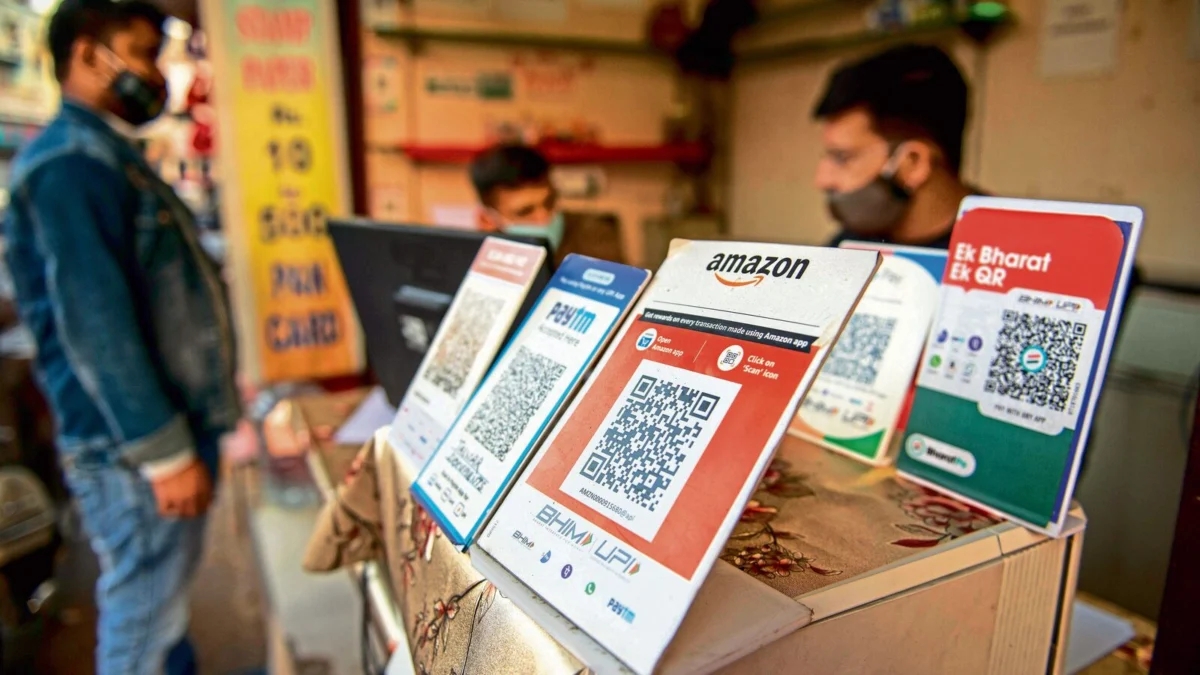
New Delhi, India – October 13, 2026 – In a significant move offering temporary respite to millions of Indian consumers and merchants, the National Payments Corporation of India (NPCI) has announced the deferment of the 0.40% Merchant Discount Rate (MDR) on Unified Payments Interface (UPI) transactions exceeding ₹2,000. Originally slated to take effect from October 15, 2026, the charge will now be implemented only after the auspicious Diwali festive season, with a new date to be notified separately.
The decision, communicated through a statement from the UPI and Services Steering Committee, explicitly cites the ongoing festive period as the primary reason for the postponement. This comes amidst growing pressure from various trader unions and merchant groups who had vociferously campaigned against the new levy, fearing its potential to dampen consumer spending and increase operational costs for businesses during one of the most critical sales periods of the year. The deferment underscores NPCI’s responsiveness to market sentiment and its commitment to fostering the continued growth of India’s ubiquitous digital payments ecosystem.
Main Facts: A Festive Reprieve for India’s Digital Payments
The core of today’s announcement revolves around the temporary suspension of a previously mandated charge. Here’s a breakdown of the key facts:
- What: A 0.40% Merchant Discount Rate (MDR).
- Where: Applicable to Person-to-Merchant (P2M) UPI transactions.
- Threshold: Only on transactions exceeding ₹2,000.
- Original Implementation Date: October 15, 2026.
- New Implementation Date: Deferred until "immediately post Diwali at a date to be notified separately." Diwali 2026 falls on November 8.
- Issuing Authority: National Payments Corporation of India (NPCI), the umbrella organisation for operating retail payments and settlement systems in India.
- Reason for Deferment: "Keeping in mind the festive season," allowing consumers and merchants to enjoy uninterrupted, free UPI transactions during a peak shopping period.
- Context: Follows strong lobbying and protests from trader unions and merchant associations against the imposition of the charge.
This deferment is more than just a procedural delay; it represents a strategic pause in the evolving monetisation strategy for UPI. For millions of users, particularly small and medium-sized enterprises (SMEs) and individual consumers, UPI has become synonymous with instant, free, and seamless digital payments. The prospect of an MDR, even on higher-value transactions, had introduced an element of uncertainty into this established paradigm. By pushing the implementation beyond Diwali, the NPCI has effectively granted a crucial window of normalcy, ensuring that the celebratory spending spree remains unhindered by new transactional costs. The focus on "select P2M UPI transactions" also highlights that peer-to-peer (P2P) transactions, which constitute a significant portion of UPI usage, remain unaffected and free.
Chronology: The Journey of UPI and the MDR Debate
To fully appreciate the significance of this deferment, it is essential to trace the journey of UPI and the long-standing debate surrounding its monetisation.
The Genesis of UPI: Revolutionising Indian Payments
The Unified Payments Interface (UPI) was launched in 2016 by the NPCI, with the backing of the Reserve Bank of India (RBI). Its primary objective was to simplify and unify various payment systems, making real-time, inter-bank transactions seamless and accessible via mobile phones. From its modest beginnings, UPI rapidly gained traction, driven by its user-friendly interface, instant settlement, and interoperability across multiple banking platforms. It quickly became the backbone of India’s digital payment revolution, transforming how millions conduct financial transactions.
The ‘Free’ Paradigm and its Challenges
For years, UPI transactions, especially for P2P and P2M (up to a certain threshold), remained largely free for both consumers and merchants. This ‘zero MDR’ policy was instrumental in driving rapid adoption, particularly among small merchants and in rural areas where traditional card payment infrastructure was lacking or too expensive. However, this ‘free’ model posed a significant challenge for the sustainability of the underlying infrastructure and the payment service providers (PSPs) who invest heavily in maintaining and upgrading the system. Banks and fintech companies incur costs related to transaction processing, fraud detection, customer service, and technology upgrades. The absence of a direct revenue stream from UPI transactions meant these costs had to be absorbed or cross-subsidised.
Early Discussions on Monetisation
The debate around introducing charges for UPI transactions has been ongoing for several years. As UPI volumes soared, reaching unprecedented levels, stakeholders began to openly discuss the need for a viable revenue model. Initial proposals and white papers often explored various options, including a tiered MDR system, subscription models for merchants, or even government subsidies to compensate PSPs. The challenge was always to balance the need for sustainability with the imperative of keeping digital payments accessible and affordable for the masses, particularly small businesses.
The Announcement of 0.4% MDR
While the exact date of the initial announcement regarding this specific 0.4% MDR is not detailed in the original article, it is implied to have been introduced some time prior to its intended October 15, 2026, implementation. This announcement likely followed extensive internal deliberations within the NPCI and consultations with various stakeholders. The decision to target P2M transactions above ₹2,000 was a strategic one, aiming to impact larger-value commercial transactions while keeping smaller, everyday purchases free, thereby minimising the burden on daily consumers and micro-merchants. The choice of 0.4% also mirrored existing MDR structures in other payment ecosystems, suggesting an attempt to align UPI with established industry practices.
Merchant Protests and Calls for Reversal
Upon the announcement, a swift and strong backlash erupted from various merchant associations and trade bodies across the country. Organisations representing small shopkeepers, retailers, and other businesses voiced their concerns vehemently. Their arguments primarily centered on:
- Increased Cost Burden: Merchants argued that the MDR would eat into their already thin profit margins, especially for goods with low markups.
- Impact on Digital Adoption: Fears were raised that the new charge might disincentivise merchants from accepting UPI, potentially reversing the progress made in digital payment adoption.
- Passing on Costs: Many feared they would be forced to pass on the charge to consumers, leading to higher prices and potentially reduced sales.
- Competitive Disadvantage: Concerns about being at a disadvantage compared to businesses that might still operate predominantly in cash.
These groups actively lobbied the government and the NPCI, urging a reconsideration or complete withdrawal of the charge. The timing of their protests, coinciding with the run-up to the crucial festive season, undoubtedly added weight to their demands, highlighting the immediate economic implications.
The NPCI’s Deferment Decision
Against this backdrop of intense public and industry pressure, the NPCI’s UPI and Services Steering Committee convened and ultimately decided to defer the implementation. The statement explicitly cited the "festive season" as the reason, demonstrating an acknowledgement of the unique economic and cultural significance of this period in India. Diwali, falling on November 8, 2026, marks the peak of an extended festive period that includes Durga Puja, Dussehra, Christmas, and New Year. This quarter (October to December) is traditionally associated with heightened consumer spending on everything from electronics and apparel to gold and automobiles. The deferment ensures that merchants can leverage the full potential of UPI’s convenience without the added complication of new charges, and consumers can shop freely.
Supporting Data: The Phenomenal Growth of UPI
The decision to defer the MDR charge is intrinsically linked to the unprecedented scale and impact of UPI on India’s economy. Understanding the underlying data provides crucial context.
Astronomical Growth in Volume and Value
UPI has witnessed exponential growth since its inception. While specific August 2026 data isn’t provided beyond market share, historical trends paint a clear picture. In recent months, UPI routinely processes billions of transactions, collectively worth trillions of rupees. For instance, previous reports indicated UPI crossing over 10 billion transactions in a single month, with the total value often exceeding ₹15-18 trillion. This makes it by far the most dominant retail digital payment system in the country, surpassing debit cards, credit cards, and other mobile wallets. This sheer volume underscores its critical role in facilitating economic activity across all segments of society.
Dominance of Key Players: Google Pay and PhonePe
The original article highlights that "Alphabet’s Google Pay and Walmart’s PhonePe held around 80% of market share by value of UPI transactions in August." This duopoly is a defining characteristic of the UPI ecosystem. These platforms have invested heavily in user acquisition, technology, and merchant onboarding, leveraging their global expertise and financial might. Their dominance means that any policy changes impacting UPI disproportionately affect these two players and their vast user bases. While their market leadership has driven rapid adoption, it also raises questions about ecosystem diversification and potential regulatory oversight. The deferment of MDR provides them with a temporary reprieve from having to potentially adjust their business models or communicate new charges to their extensive merchant networks during a critical period.

Impact on Different Transaction Sizes
The ₹2,000 threshold for MDR is crucial. A significant portion of daily UPI transactions are below this amount, covering small purchases like groceries, transportation, and daily essentials. These transactions remain unaffected by the proposed MDR. The charge specifically targets higher-value transactions, which often involve consumer durables, electronics, apparel, or services. While these larger transactions contribute significantly to the total value processed by UPI, their frequency is lower than micro-transactions. The deferment ensures that even these higher-value purchases continue to benefit from the ‘free’ UPI model during the festive season, potentially encouraging greater digital spending.
UPI and Digital India
UPI is a cornerstone of the Indian government’s "Digital India" initiative, aimed at transforming the country into a digitally empowered society and knowledge economy. The platform’s success has been lauded globally as a model for financial inclusion and digital public infrastructure. The ‘zero MDR’ policy for small transactions was a deliberate strategy to promote digital literacy and reduce reliance on cash. Any move to introduce charges, even if justified by sustainability concerns, must be carefully weighed against the broader objective of maintaining momentum in digital adoption. The deferment aligns with the government’s implied interest in ensuring that digital payments remain attractive and friction-free, especially during economically significant periods.
Official Responses: Navigating the Tensions
The NPCI’s statement, while brief, is packed with implicit messages and reflects a careful balancing act between various stakeholder interests.
NPCI’s Stated Rationale: The Festive Season
The official statement from the UPI and Services Steering Committee is direct: "keeping in mind the festive season, MDR on select Person-to-Merchant (P2M) UPI transactions, shall be implemented immediately post Diwali at a date to be notified separately." This rationale is strategic. By invoking the festive season, the NPCI taps into a widely understood and emotionally resonant cultural and economic phenomenon. It positions the deferment as a consumer-friendly and merchant-supportive measure, rather than a capitulation to pressure. It also implicitly acknowledges the potential negative impact the charge could have had during a period of heightened commercial activity.
Merchant Bodies’ Anticipated Reaction
Trader unions and merchant groups are likely to welcome this deferment with a sense of relief, albeit possibly tempered with continued apprehension. While the immediate pressure is off, the underlying demand for the permanent removal of the charge is expected to persist. Their initial calls for the government to "remove the new charge" indicate a fundamental opposition to any MDR on UPI. The deferment gives them a temporary victory and validates their lobbying efforts, but the battle for a long-term ‘free’ UPI for merchants is far from over. They will likely use this period to re-strategize and continue advocating for alternative funding mechanisms for UPI.
Government’s Implicit Alignment
While the original article does not include a direct government response, the NPCI operates under the guidance of the Reserve Bank of India (RBI) and is a key facilitator of the government’s digital payments agenda. Therefore, the decision to defer the MDR likely has the implicit backing or alignment with broader government objectives. The government has consistently championed digital payments while also expressing sensitivity to the concerns of small businesses. A move that could potentially disrupt festive season spending or alienate a large segment of merchants would be counterproductive to both economic growth and public sentiment. This deferment allows the government to maintain its pro-digital stance without incurring immediate political or economic backlash.
Fintech Companies’ Perspective
For major UPI players like Google Pay and PhonePe, the deferment offers a temporary reprieve. These companies have invested heavily in building their UPI ecosystems and onboarding merchants. Introducing a new charge would have required significant communication efforts, potential system adjustments, and possibly dealing with merchant resistance. The deferment allows them to continue operating under the current ‘free’ model during the peak transaction period, thereby avoiding immediate operational complexities and potential user churn. However, the underlying challenge of UPI’s monetisation remains for these players, as they too seek sustainable revenue streams from their substantial investments.
Implications: A Glimpse into UPI’s Future
The deferment of the UPI MDR has wide-ranging implications for consumers, merchants, the broader digital payments ecosystem, and India’s economic trajectory.
For Consumers: Continued Convenience and Savings
For the millions of Indian consumers who have embraced UPI, the deferment means that their festive season shopping will remain free of additional transaction costs. This encourages continued reliance on UPI for all transaction sizes, fostering a seamless digital payment experience during a time when spending is typically high. It removes any potential hesitation consumers might have had about using UPI for larger purchases, ensuring convenience remains paramount.
For Merchants: A Breath of Fresh Air, But Future Uncertainty
Small and medium-sized merchants, in particular, will breathe a sigh of relief. The festive season is often make-or-break for many businesses, and the absence of an additional cost burden will allow them to focus on sales and customer service. It prevents a scenario where they might have to absorb the 0.4% charge, pass it on to consumers, or even reconsider accepting UPI for higher-value transactions. However, this relief is temporary. The deferment only pushes the problem forward, creating an environment of continued uncertainty about when and how the charge will eventually be implemented. Merchants will likely remain vigilant and continue advocating for solutions that do not burden them directly.
For the Digital Payments Ecosystem: The Monetisation Conundrum
The deferment highlights the ongoing challenge of building a sustainable revenue model for India’s immensely successful UPI platform. While the ‘free’ model has been critical for adoption, the costs incurred by banks and PSPs are real. The NPCI’s decision to introduce MDR signifies a recognition of this need for sustainability. The deferment merely postpones the inevitable discussion on how these costs will be recovered. Future solutions might involve a revised MDR structure, government subsidies, or innovative business models where value is derived from data or ancillary services rather than direct transaction charges. The debate will likely intensify post-Diwali.
Future Outlook: What Happens Post-Diwali?
The NPCI’s statement explicitly mentions that the charge will be implemented "immediately post Diwali at a date to be notified separately." This leaves room for speculation and further consultation. Several factors could influence the new implementation date and even the structure of the charge:
- Economic Conditions: The overall health of the economy post-festive season.
- Merchant Feedback: Continued dialogue and negotiations with trader bodies.
- Government Directives: Any policy pronouncements from the Ministry of Finance or RBI.
- Alternative Models: Exploration of other funding mechanisms that could reduce the burden on merchants.
It is plausible that the NPCI might consider a phased implementation, or even refine the charge based on transaction volume or merchant category, to minimise disruption. The period between Diwali and the eventual new notification will be crucial for stakeholders to prepare and for the NPCI to perhaps offer more clarity or even alternative solutions.
Economic Impact: Boosting Festive Consumption
The deferment is expected to positively impact festive season consumption. By removing a potential friction point for digital payments, it encourages consumers to spend more digitally, which is generally seen as a boost to formal economic activity. Businesses can focus on sales without worrying about absorbing or passing on new costs. This aligns with broader economic goals of stimulating demand during a culturally significant period.
In conclusion, the NPCI’s decision to defer the 0.4% MDR on UPI transactions over ₹2,000 until after Diwali is a strategic, timely, and welcome move. It provides much-needed relief to merchants and consumers, ensuring an uninterrupted festive season of digital spending. However, it also underscores the enduring challenge of balancing the accessibility and affordability of India’s digital public infrastructure with the imperative of its long-term financial sustainability. The ultimate resolution of the UPI monetisation conundrum remains a critical discussion for the post-Diwali landscape.