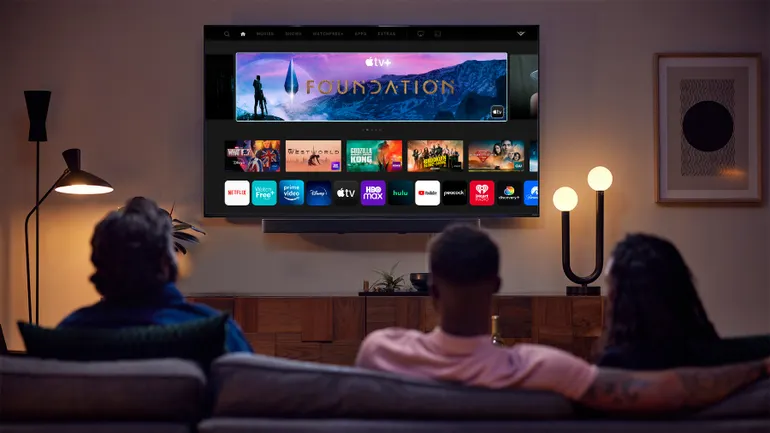
In a rapidly shifting digital landscape where traditional television viewership continues to erode, Vizio—the smart TV titan acquired by Walmart in 2024 for $2.3 billion—is aggressively reshaping its identity. No longer just a hardware manufacturer, Vizio is positioning itself as a central pillar of Walmart’s sophisticated “full-funnel” advertising ecosystem. By pivoting toward creator-led content and expanding its Free Ad-Supported Streaming Television (FAST) service, WatchFree+, Vizio is betting that the future of connected TV (CTV) lies not just in licensed reruns, but in the highly engaged, niche communities built by digital influencers.
The Strategic Evolution of Vizio and WatchFree+
Vizio’s latest expansion marks a significant departure from standard streaming aggregation. The company is integrating over 40 new creator-led channels into WatchFree+, spanning diverse genres including gaming, comedy, lifestyle, sports, and travel. This move is a calculated response to shifting consumer behavior, as modern audiences increasingly prefer the parasocial intimacy of creators over the polished, often distant, world of traditional Hollywood studios.
The roster of creators tapped for this rollout reads like a who’s who of digital stardom. Industry titan MrBeast leads the pack, joined by influencers such as Celine Dept, The Royalty Family, Ben Azelart, Ryan Trahan, Nick DiGiovanni, Rebecca Zamolo, and the culinary personality Uncle Roger. Furthermore, Vizio has secured a high-profile partnership with First We Feast’s "Hot Ones," a brand synonymous with viral engagement.
Beyond these channels, Vizio is leaning into original, branded entertainment. The company announced a creator-led series, Holiday Chocolate Workshop, featuring world-renowned chocolatier Amaury Guichon. The series, an exclusive to WatchFree+, provides a blueprint for how Walmart intends to leverage Vizio: by creating bespoke content that offers integrated, non-intrusive brand opportunities across both streaming and social media experiences.
Chronology: From Hardware Acquisition to Platform Dominance
The trajectory of this transformation is rooted in a series of deliberate corporate maneuvers:
- 2024: Walmart completes its $2.3 billion acquisition of Vizio, signaling its intent to dominate the CTV ad space and link digital viewing habits to physical retail outcomes.
- Early 2026: Vizio OS hits a milestone of 32 million yearly active devices, representing a 20% year-over-year increase, providing a massive scale for Walmart’s advertising ambitions.
- Q2 Fiscal Year 2027: WatchFree+ sees a massive 58% year-over-year surge in viewing hours, validating the strategy of investing in original and FAST content.
- Late 2026: Walmart Connect expands its offsite advertising capabilities, transitioning its partnership with Yahoo DSP for Vizio inventory from a proof-of-concept phase to active alpha testing.
- Current Date: The platform launches its massive creator-led channel initiative, aiming to lock in younger demographics that are traditionally difficult for legacy advertisers to reach.
Supporting Data: The CTV Market Landscape
The financial rationale behind Walmart’s investment is supported by broader industry trends. According to the Interactive Advertising Bureau (IAB), total CTV ad spend in the United States is projected to rise 11% in 2026, reaching an estimated $29.3 billion.
Vizio’s internal metrics suggest they are outperforming these industry-wide growth rates. With over 45,000 movies and shows currently available on WatchFree+ and a library of more than 400 live and local channels, the platform has created a "sticky" ecosystem. When coupled with the fact that Walmart Connect’s revenue (excluding Vizio) grew 43% year-over-year in Q2 of fiscal 2027, the synergy between retail data and streaming inventory appears to be yielding high returns.
Official Perspectives: Aligning Retail with Entertainment
The shift toward branded entertainment is perhaps best illustrated by the upcoming WatchFree+ exclusive film, Jingle Bells Wedding Bells. Starring Rachel Bilson and Scott Foley, the film is backed by a presenting sponsorship from Geico—a move that underscores the desire for advertisers to integrate their messaging into the narrative fabric of the content itself.
"Where people spend their time watching entertainment matters, and we want GEICO to be part of those moments," stated Geico CMO Arianna Orpello. "As viewing habits continue to evolve, partnerships like this give us new ways to connect with audiences through experiences they genuinely enjoy."
This sentiment is echoed by the broader Walmart corporate strategy. By utilizing its retail data to power advertising across streaming platforms, Walmart is attempting to solve the “attribution gap”—the historical inability of brands to track a direct line from a television advertisement to a physical store purchase.
Implications for the Advertising Industry
The integration of creator content into Vizio’s platform has profound implications for the advertising industry:
1. The Death of the "Passive" Viewer
By focusing on creators who have built loyal, active communities on platforms like YouTube and TikTok, Vizio is banking on higher conversion rates. Audiences are less likely to skip ads when they are presented within the context of a creator they trust.
2. The Rise of the "Full-Funnel" CTV Strategy
Walmart’s broader ecosystem, including partnerships with Warner Bros. Discovery and Spotify, is turning Walmart Connect into a media agency in its own right. The ability to offer advertisers private marketplace deals through the Walmart Demand Side Platform (DSP) allows for a degree of targeting that was previously exclusive to social media giants like Meta or Google.
3. Consolidation of Media and Retail
The partnership with Magnite to offer Vizio inventory is a move to standardize the CTV buying experience. For advertisers, this simplifies the process of reaching consumers: they can leverage Walmart’s vast first-party shopping data to target audiences not just in the aisles of a store, but in their living rooms during a streaming session.
4. The Challenge to Legacy Media
As Vizio expands its partnerships with heavyweights like Disney, NBCUniversal, MGM, and A24, it is effectively becoming a cable-replacement service. However, by balancing this traditional library content with influencer-led programming, Vizio is creating a hybrid model that appeals to both Gen Z and older demographics.
Conclusion: The Road Ahead
Walmart’s strategy with Vizio is a long-term play that treats the television as a portal for commerce. By moving beyond simple pre-roll and mid-roll ad spots and into the realm of creator partnerships and exclusive branded content, the company is effectively building a "walled garden" that is highly attractive to major brands.
As Vizio continues to scale its device count and deepen its library of creator-led content, the pressure on competitors—both in the hardware space (like Roku and Samsung) and the streaming space (like Netflix and Hulu)—will intensify. The question remains whether the audience will embrace this fusion of shopping and entertainment. If the 58% growth in WatchFree+ viewing hours is any indication, the answer is a resounding "yes."
For the modern advertiser, the message is clear: the future of media is not just about reach—it is about the intersection of data-driven targeting and the cultural influence of the creator economy. Walmart has placed a $2.3 billion bet that it can own that intersection, and the early results suggest they are well on their way to controlling the next decade of television advertising.