By Tech Insights Bureau
Updated: October 11, 2026
Apple is poised to make its most significant foray into the smart home market to date. According to recent reports from Bloomberg’s Mark Gurman, the Cupertino-based tech giant is set to unveil a dedicated smart home hub, dubbed "HomeView," this coming Tuesday. This launch represents a strategic evolution for Apple, signaling a pivot from peripheral accessories to a centralized command center designed to reclaim its position in the connected household.
The HomeView is expected to be the flagship of a wider hardware refresh, as Apple looks to solidify its ecosystem’s integration. By combining cutting-edge processing power with a dedicated display, Apple is aiming to solve the fragmentation issues that have historically plagued its smart home initiatives.
Main Facts: What We Know About HomeView
The HomeView is described as a Siri-powered smart display hub, functioning as the central nervous system for a user’s digital home. Unlike the existing HomePod, which relies primarily on audio feedback, the HomeView features a physical interface, making it a more direct competitor to devices like the Amazon Echo Show or the Google Nest Hub.
Key Specifications:
- Processing Power: The device is rumored to be equipped with the A18 chip. This is a significant inclusion, as it suggests the device will be capable of on-device processing, likely facilitating advanced artificial intelligence features and ensuring faster response times for Siri.
- Form Factors: Apple is reportedly launching two distinct models to cater to different living spaces. One version is designed for countertop placement—ideal for kitchens or bedside tables—while the other is intended for wall mounting, serving as a permanent fixture for smart home management.
- Primary Functionality: At its core, the HomeView is designed to be the ultimate control panel. Users will be able to manage lighting, security cameras, climate control, and entertainment systems from a single, centralized interface.
Chronology: The Road to HomeView
The journey to the HomeView has been anything but straightforward. Apple’s history in the smart home space has been defined by long development cycles and cautious, sometimes hesitant, market entry.
2014–2020: The HomeKit Era
Apple introduced HomeKit in 2014, a software framework designed to bring order to the chaotic smart home market. While it provided a secure, privacy-focused foundation, it lacked a dedicated hardware hub that could effectively unify the user experience. The release of the original HomePod in 2018 was intended to be the center of the home, but its high price point and Siri’s early limitations hampered widespread adoption.
2021–2025: Challenges and Delays
In recent years, industry analysts have noted that Apple’s hardware efforts were stalling. In March 2025, reports surfaced that a major smart home hub project had been delayed due to "Siri challenges"—specifically, the difficulty of integrating advanced generative AI models into a home device while maintaining the company’s strict privacy standards. This period was characterized by a lack of innovation compared to competitors who were rapidly iterating on smart displays.
October 2026: The Strategic Pivot
Following years of rumors, the announcement on October 13, 2026, marks the end of a long period of internal reorganization. The focus shifted from merely selling speakers to creating a cohesive "Apple Home" ecosystem that relies on the HomeView as its anchor.
Supporting Data: A New Ecosystem Strategy
The HomeView is not an isolated product launch; it is the cornerstone of a broader strategy to dominate the domestic market. Alongside the HomeView, Apple is expected to announce:
- Updated Apple TV: The set-top box will receive hardware upgrades to better integrate with the HomeView hub, potentially serving as a secondary processing node for high-bandwidth home automation tasks.
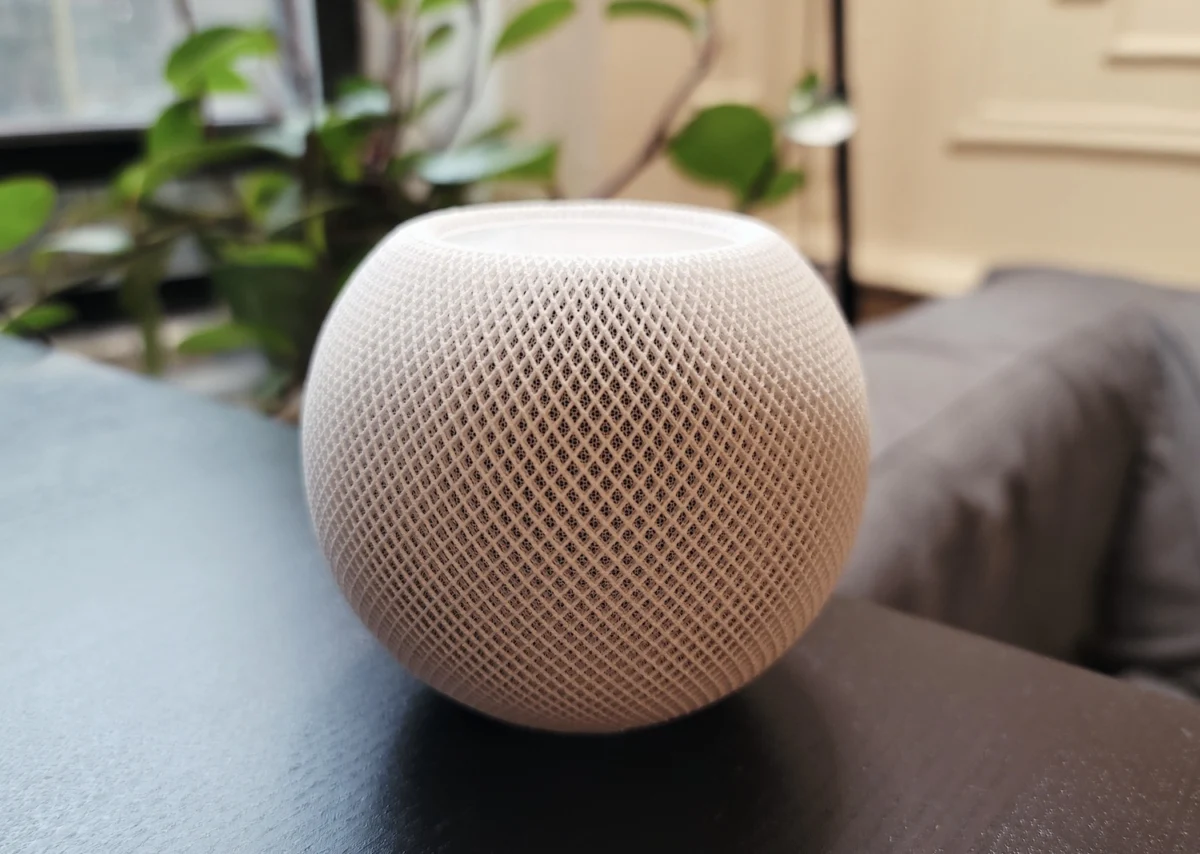
- Next-Generation HomePod Mini: A refreshed version of the popular smart speaker is expected, likely featuring enhanced spatial audio and improved Siri integration to complement the HomeView.
- The LG Partnership: In a surprising move, Apple is collaborating with LG to launch a suite of proprietary smart home hardware, including a smart lock, a smart thermostat, and a video doorbell. This move signals that Apple is no longer content to rely solely on third-party accessories; by partnering with a hardware manufacturing powerhouse like LG, Apple can ensure that these essential devices work perfectly within the HomeKit framework.
This move toward proprietary hardware reflects a shift in Apple’s philosophy. By controlling both the software (HomeKit) and the physical endpoints (the hub, the sensors, and the peripherals), Apple is creating a "walled garden" that promises greater reliability and security—two pillars of the brand’s marketing strategy.
Official Responses and Industry Outlook
While Apple has yet to issue an official press release ahead of the Tuesday event, the industry buzz is significant. Market analysts have long criticized Apple for its lack of a "home-first" device, and the HomeView is widely viewed as a direct response to this criticism.

"Apple has been the ‘sleeping giant’ of the smart home," says industry analyst Sarah Jenkins. "They have the software, they have the user base, but they’ve lacked the physical manifestation of that ecosystem. The HomeView changes the math. If the A18 chip performs as expected, they aren’t just launching a display; they are launching a home computer."
Competitors, particularly Amazon and Google, have spent the last decade building vast smart home ecosystems. However, Apple’s focus on privacy and on-device processing—a hallmark of its AI strategy—may prove to be a compelling differentiator for consumers wary of cloud-based data harvesting.
Implications: What This Means for the Consumer
The introduction of the HomeView and the accompanying LG-branded peripherals carries significant implications for the smart home market.
1. The Death of Fragmentation
The biggest pain point for smart home users is the incompatibility between different brands. By creating a unified hardware hub and a set of official, guaranteed-to-work accessories, Apple is positioning itself as the "easy button" for smart home automation. Users will no longer need to navigate complex third-party setups to ensure their devices talk to one another.
2. Privacy as a Premium Feature
Apple continues to lean into privacy as its primary marketing wedge. Unlike competitors who rely on cloud-based processing, the HomeView’s use of the A18 chip suggests that most interactions—voice commands, home monitoring, and automation triggers—will happen locally. This is a massive selling point for the security-conscious consumer.
3. Siri’s Redemption Arc
Siri has been the subject of much derision in the AI space over the last few years. The HomeView is an opportunity for a clean slate. With the processing power of the A18 chip and a dedicated screen to provide visual context, Siri could finally shed its reputation as a "voice assistant" and evolve into a true "home intelligence" agent.
4. A New Revenue Stream
For Apple, this is a play to capture more of the consumer’s wallet share within the home. By moving from a single speaker (HomePod) to a suite of essential home utilities (locks, thermostats, doorbells), Apple is creating a recurring cycle of hardware upgrades that keeps users locked into their ecosystem for years to come.
Conclusion: The Path Forward
The announcement on October 13 will be a watershed moment for Apple. For years, the company has played the long game, quietly refining its software and waiting for the right moment to strike. The HomeView is not just a gadget; it is the manifestation of Apple’s vision for the future of living.
Whether or not it can successfully challenge the entrenched dominance of Amazon and Google remains to be seen. However, given Apple’s track record of entering markets late and redefining them through superior integration and design, the smart home industry is about to be turned on its head. As the October release date approaches, consumers and competitors alike will be watching closely to see if Apple can finally deliver the home of the future.
With the hardware finalized and the partnership with LG confirmed, the pieces are in place. The question is no longer whether Apple can build a smart home device, but whether they can make the smart home feel as intuitive, secure, and essential as the iPhone. If history is any indicator, they are prepared to try.