
The digital marketing landscape is currently undergoing its most significant transformation since the inception of social media. As artificial intelligence (AI) shifts from a buzzword to a fundamental utility, platform giants are racing to integrate generative tools into the very fabric of their advertising and content ecosystems. From Instagram’s pivot toward search-based content discovery to TikTok’s aggressive push into AI-automated ad management, marketers must evolve or face obsolescence.
This report synthesizes the latest industry developments, providing a strategic blueprint for navigating the current shifts in social media algorithms, advertising tools, and creator economy regulations.
The Strategic Shift: Mastering Instagram as a Search Engine
For years, the Instagram algorithm was viewed as an enigmatic black box. However, the current consensus among leading strategists—including insights shared at Social Media Marketing World—is that Instagram is increasingly functioning as a search engine.
Leveraging Search for Content Strategy
Marketers who struggle with content ideation often overlook the most powerful tool already at their disposal: the Instagram search bar. By treating Instagram as a discovery engine, brands can reverse-engineer high-performing content.

- Pattern Recognition: By inputting niche-specific keywords, creators can identify content that the algorithm has already validated. This "proven demand" approach removes the guesswork from content creation.
- The Competitor Audit: A high-level strategy for staying competitive involves taking the top five handles in your industry and feeding their recent content data into an AI tool like Claude. The objective is not to imitate, but to identify content gaps. By analyzing where competitors succeed and where they fall short, brands can develop a unique content pillar strategy that addresses unmet audience needs.
- The Weekly Cadence: Consistent research is no longer optional. Experts recommend a weekly audit of search results to pivot content pillars in alignment with shifting audience interests, ensuring that your output remains relevant in a volatile attention economy.
Chronology of Industry Updates: September 2026
The last month has seen a rapid-fire series of updates that reflect a broader industry trend: the decentralization of ad management and the enrichment of user-to-user interaction.
- Early Month: TikTok introduces a comprehensive suite of AI agents and a creative studio, signaling a shift toward democratized ad creation.
- Mid-Month: Instagram announces strict labeling requirements for AI-generated profiles to combat misinformation and maintain platform trust.
- Late Month: Reddit rolls out "Max" campaigns globally, removing the manual barrier to entry for small-to-mid-sized advertisers.
- Ongoing: YouTube expands its "Watch With" reaction feature, blurring the lines between traditional content and live collaborative streaming.
TikTok’s AI Revolution: Automating the Media Buying Lifecycle
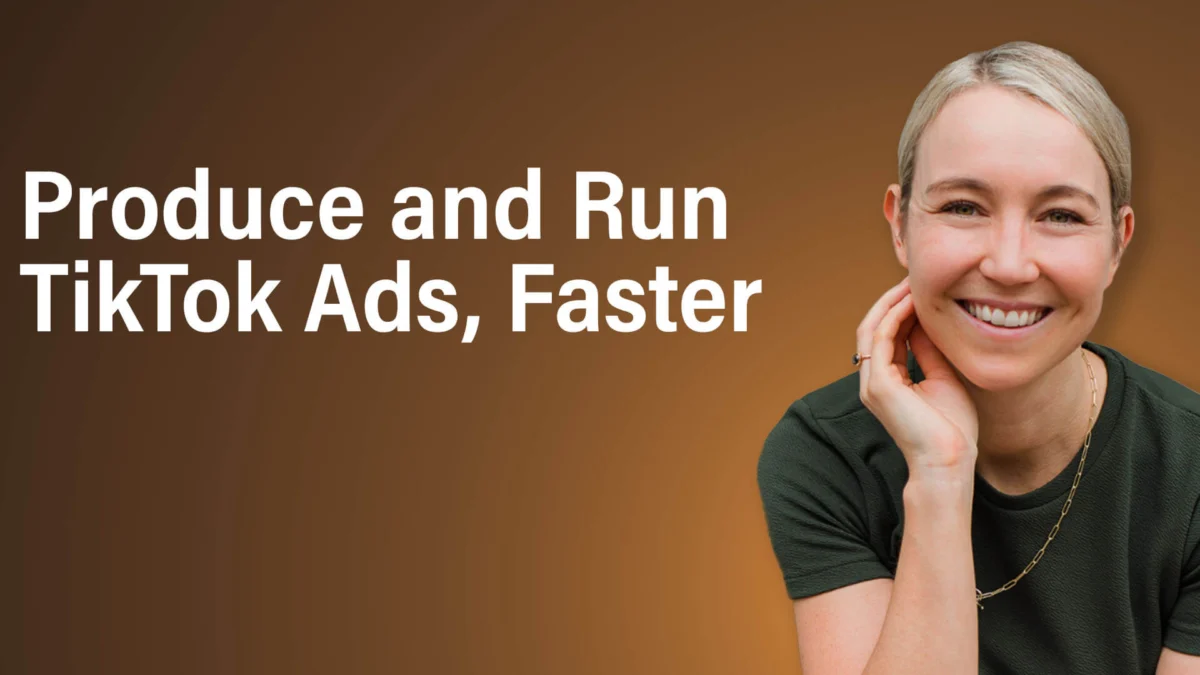
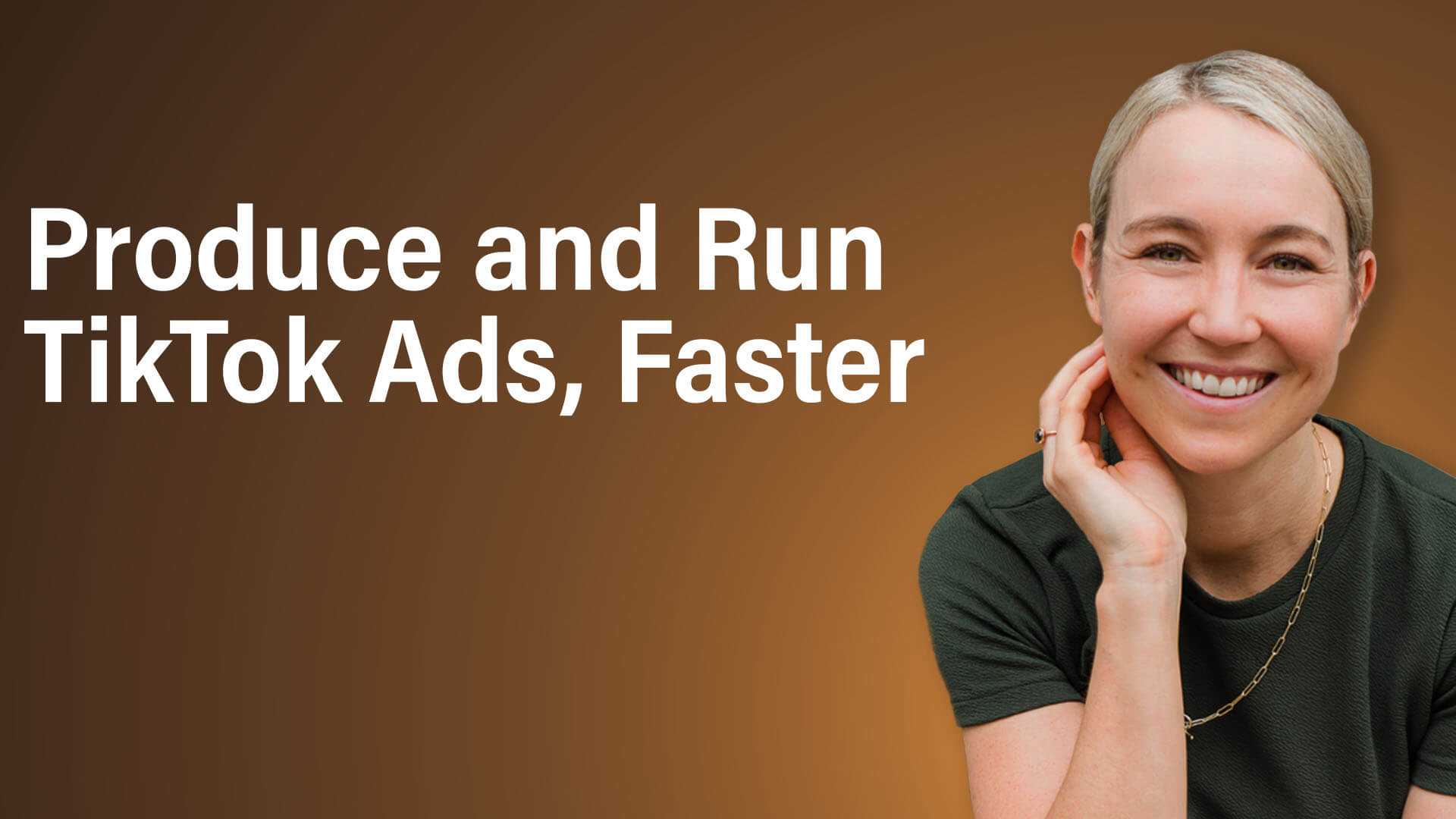
Perhaps the most disruptive change this year is TikTok’s overhaul of its advertising suite. According to Melissa Laurie of Oysterly Media, TikTok is actively removing the technical barriers that once necessitated a full-scale media buying team.

The New Ad Ecosystem
TikTok’s latest tools allow brands to connect ad accounts directly to AI-driven interfaces. This integration enables:
- Conversational Campaign Management: Instead of navigating complex Ad Manager dashboards, advertisers can now brainstorm, pull reports, and adjust strategies through simple, natural language prompts.
- Downloadable AI "Skills": TikTok has introduced a new class of AI agents that function as automated media buyers. These tools analyze historical campaign data to recommend budget allocations and surface winning creative patterns.
- Creative Studios: The platform’s upgraded studio now generates video ads from brand guidelines and current trends. While these tools are powerful, they are most effective when paired with a human-in-the-loop approach to ensure brand voice remains intact.
The Paradox of Production Value
Despite the influx of high-tech AI generation, the data remains clear: raw, unpolished video continues to outperform high-production commercials. The "scroll-stopping" factor is rarely found in polished 4K studio footage; it is found in authentic, relatable opening frameworks. Brands that lean too heavily on AI-generated gloss risk appearing synthetic in an environment that prioritizes human connection.
Supporting Data and Platform Evolution
The data indicates that platforms are prioritizing "deep attention" over fleeting metrics.
- Reddit’s 15-Second Shift: By introducing 15-second "Engaged Video Views," Reddit is forcing a change in advertiser behavior. The platform’s shift from 6-second metrics to 15-second benchmarks acknowledges that true brand impact requires a sustained, multi-second engagement.
- Snapchat’s Unified Attribution: For app advertisers, the fragmentation of data has long been a pain point. Snap’s new global "Unified Attribution" framework provides a much-needed bridge between Snapchat performance metrics and third-party data providers like AppsFlyer. This allows for real-time scaling decisions that were previously hindered by data silos.
Official Responses and Regulatory Implications
As AI becomes ubiquitous, the platforms are taking a firmer stance on transparency.
Instagram’s AI Labeling Policy
Instagram has introduced a clear "AI-generated profile" label. The policy is nuanced: creators who use AI as a tool for content production are generally exempt from penalty, but accounts that represent AI-generated personas must disclose their identity. Failure to label these profiles will result in reduced reach and lower algorithmic recommendation. This is a critical move to protect the integrity of the user experience and maintain trust in an era of deepfakes.
YouTube’s Retail Experimentation
YouTube is currently testing automatic retailer optimization for affiliate products. By allowing the platform to swap in local retailers for tagged products, YouTube is attempting to streamline the path to purchase. While this offers higher conversion potential, it also gives the platform significant control over which merchants get exposure, a shift that affiliate marketers should monitor closely.

Implications: The Future of the Marketing Professional
What does this mean for the professional marketer? The trend is undeniable: The role of the marketer is shifting from "doer" to "architect."
- AI as a Force Multiplier: Tools like the AI Business Society’s micro-training modules suggest that the future belongs to those who can master 5-to-15-minute workflows. The goal is to deploy AI for the heavy lifting so that the human mind can focus on strategy, empathy, and high-level creative direction.
- The Death of the "Sales Pitch": With the rise of conversational ad management and AI-generated creative, audiences are becoming increasingly immune to overt sales tactics. The winning strategy in 2026 and beyond is "utility-first" marketing—creating content that solves problems, informs, or entertains, rather than simply pitching a product.
- Adaptability as a KPI: As platforms like Reddit and TikTok release new campaign types (like Max campaigns) that automate the entire funnel, the "hands-on" work of adjusting bids and keywords is being automated. The new metric of success is how effectively a marketer can feed the right data and constraints into these systems to guide the AI toward the desired business outcome.
Conclusion: Preparing for the Next Quarter
To remain ahead of the curve, marketers must adopt a "three-pillar" content approach informed by search-engine research. They must embrace AI as a partner in media buying while doubling down on the raw, human-centric storytelling that algorithms cannot replicate.

As we move into the final months of the year, the winners will not be those who use the most AI tools, but those who use AI to clear the clutter, allowing their brand’s unique value proposition to shine through in a noisy, automated world. Whether you are auditing your competitor’s content or setting up an automated TikTok campaign, remember: the machine is only as good as the strategy behind it. Stay informed, stay analytical, and stay human.