In the two years since ChatGPT’s public debut, the platform has evolved from a simple conversational interface into a multifaceted engine for productivity and education. While millions of users have mastered the art of asking for email drafts or coding snippets, a new frontier of "prompt engineering" is emerging—one that prioritizes visual synthesis over mere text generation.
Recent insights from the digital creator community, most notably from Lucky Balaraman (known as "AI Voyager" on Instagram), have revealed that ChatGPT can be triggered to function as a sophisticated technical illustrator. By using specific "codes" or structured prompts, users can bypass the traditional trial-and-error of image generation to produce structured, educational diagrams. This development marks a significant shift in how visual learners, students, and professionals interact with Large Language Models (LLMs), turning a text-heavy tool into a dynamic whiteboard.
Main Facts: The Four Visual Shortcuts for Enhanced Learning
The core of this new methodology lies in four specific prompt "codes" designed to exploit ChatGPT’s multimodal capabilities (specifically through its integration with DALL-E 3 and its internal Python-based data visualization tools). These shortcuts are designed to provide instant, structured visual data for complex subjects.
1. The Timeline Code: /timeline
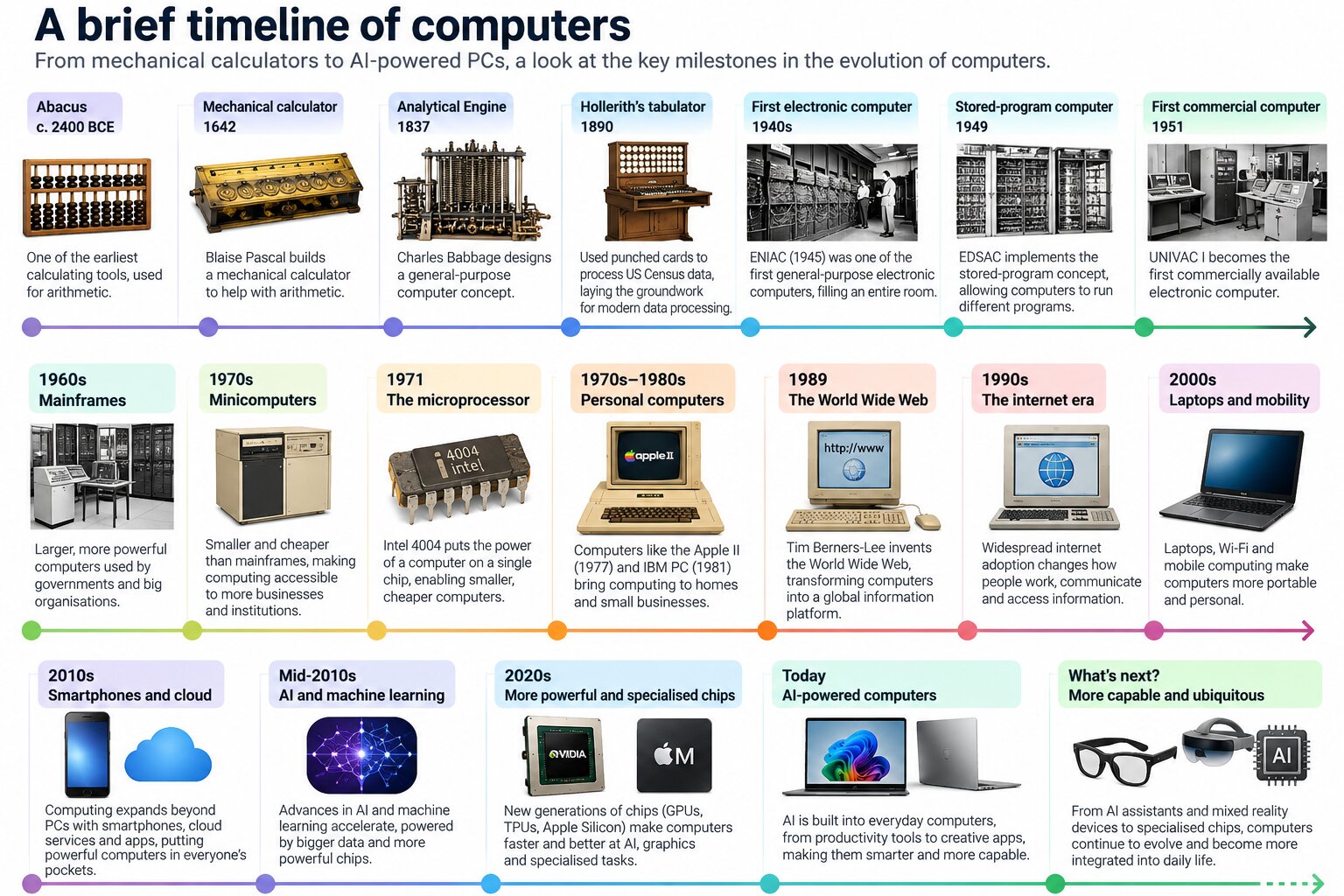
The /timeline prompt is designed for historical and sequential clarity. When a user enters /timeline [Subject], the AI is instructed to synthesize a chronological progression. For instance, a request for /timeline computers does not merely generate a list; it produces a phase-by-phase visual chart. This chart typically spans the evolution from ancient calculation tools like the abacus to the vacuum tubes of the 1940s, the silicon revolution of the 1970s, and the current era of quantum and edge computing.

2. The Exploded View Code: /explodedviews
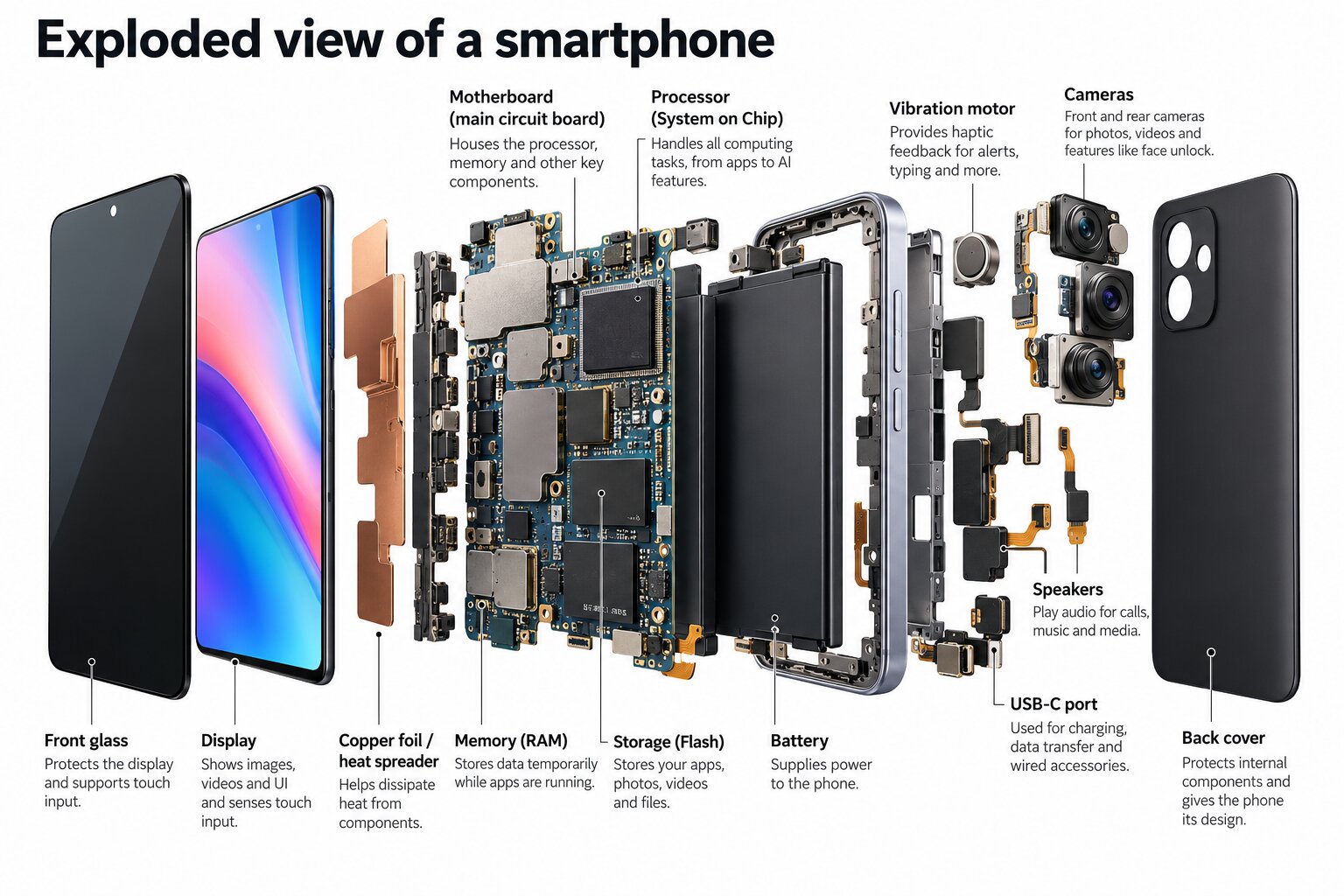
Perhaps the most technically impressive of the shortcuts, the /explodedviews command generates a labeled diagram of an object disassembled into its constituent parts. In engineering and manufacturing, an "exploded view" is a standard way to show the relationship or order of assembly of various parts. Using this prompt for a "smartphone" results in a photorealistic or high-fidelity schematic showing the screen, haptic engine, battery, logic board, and camera modules suspended in 3D space.
3. The Anatomy Code: /anatomy
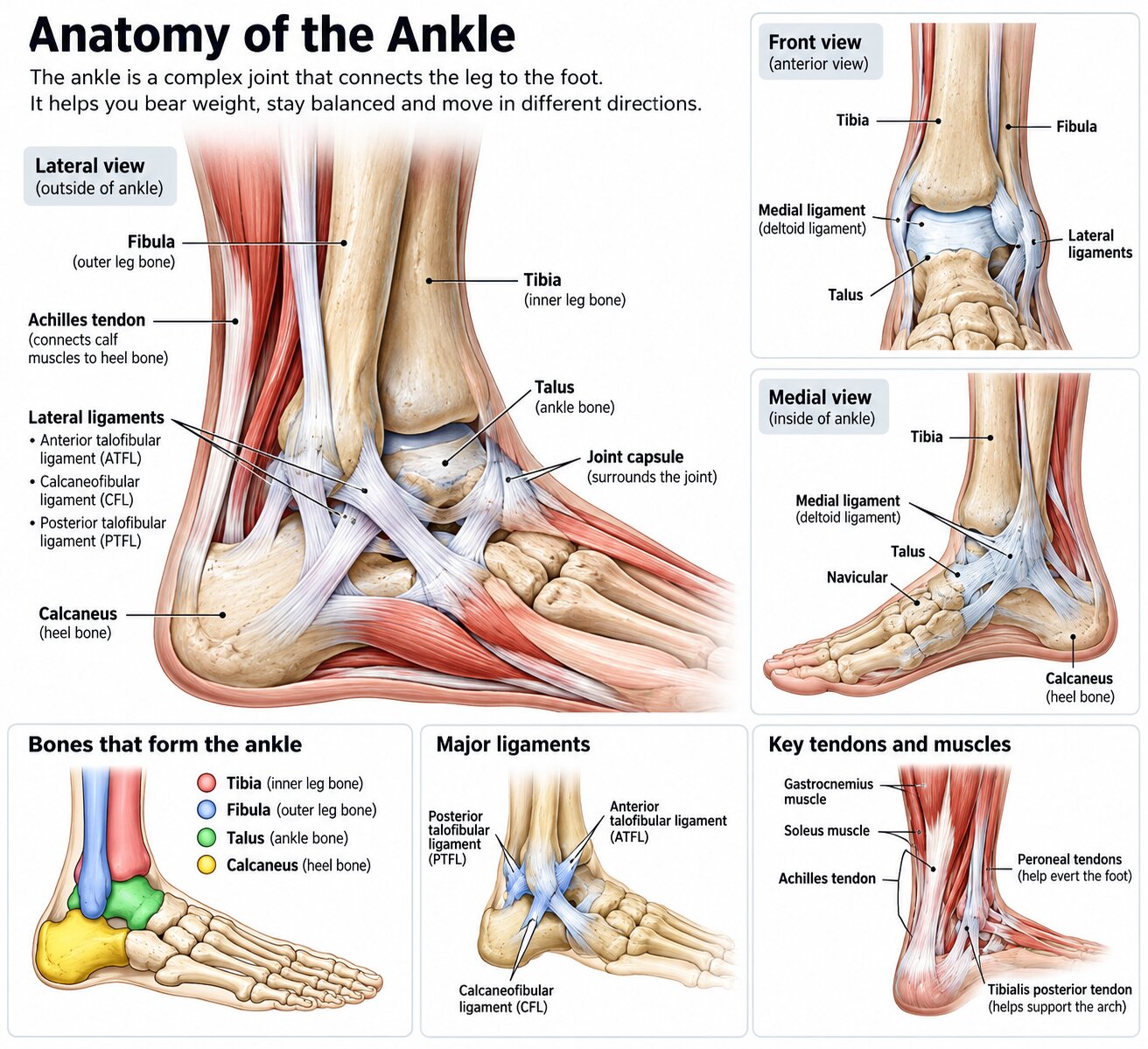
For students of biological sciences or healthcare professionals, the /anatomy code serves as an on-demand medical illustrator. Entering /anatomy ankle prompts the AI to generate a detailed infographic highlighting the talus, calcaneus, and fibula, alongside the complex network of tendons and ligaments. This shortcut is particularly valuable for physiotherapists or fitness coaches who need to explain injury mechanics to clients without searching through stock image databases.
4. The Cross-Section Code: /cross-section
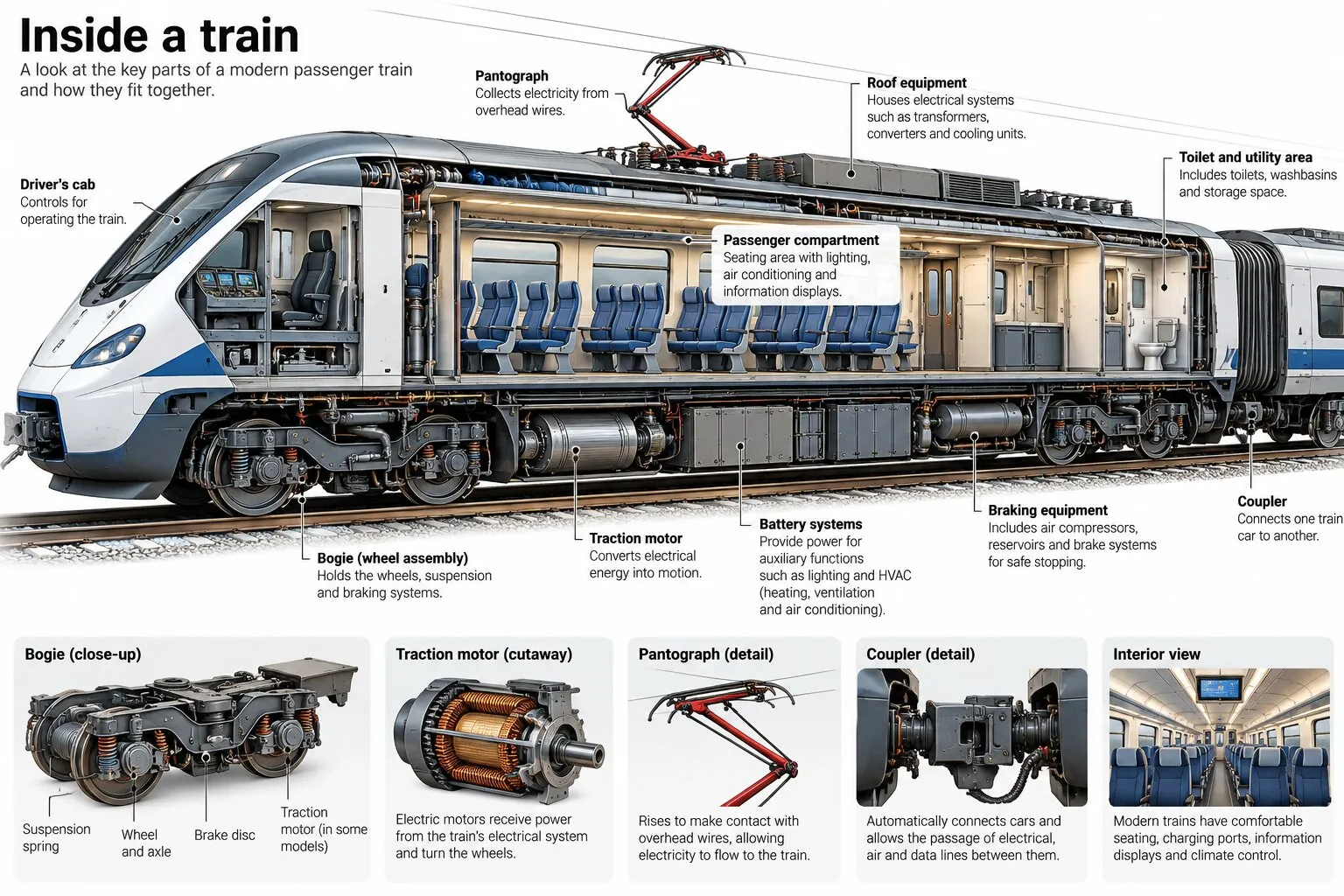
The /cross-section prompt allows users to peer inside complex systems. Unlike the exploded view, which separates parts, the cross-section provides a "cutaway" look. When applied to a "modern passenger train," the AI generates a layered view that exposes the passenger compartments, the internal wiring of the pantograph, and the structural reinforcement of the chassis. This tool is increasingly being used in architecture and mechanical engineering to visualize internal volumes and hidden mechanical systems.
Chronology: The Evolution of Visual Intelligence in LLMs
To understand why these shortcuts are surfacing now, one must look at the rapid chronological development of OpenAI’s architecture over the last 24 months.
- November 2022: ChatGPT (GPT-3.5) launches as a text-only interface. Users are limited to descriptions and ASCII art for any visual representation.
- March 2023: GPT-4 is introduced, showing significantly higher reasoning capabilities but still largely tethered to text and code.
- September 2023: OpenAI integrates DALL-E 3 directly into ChatGPT. This is the pivotal moment where the "text-to-image" pipeline becomes seamless, allowing the AI to understand spatial instructions and labels.
- May 2024: The launch of GPT-4o (Omni) introduces native multimodality. The AI no longer "translates" text to a separate image model; it perceives and generates across text, audio, and vision in real-time.
- Late 2024: Creators and power users begin identifying "system-level shortcuts." By observing how the AI responds to specific syntax, users like Lucky Balaraman formalize "codes" that trigger specific formatting behaviors, leading to the current trend of visual-first prompting.
Supporting Data: Why Visual AI is a Pedagogical Game-Changer
The shift toward visual prompting is backed by decades of educational psychology. According to the "Picture Superiority Effect," a concept supported by numerous cognitive studies, humans are significantly more likely to remember information if it is presented as an image rather than text.
- Retention Rates: Research indicates that after three days, a person typically retains only 10% of information presented orally. That figure jumps to 65% when a relevant image is added.
- The "Time-to-Insight" Metric: In professional environments, the time taken to understand a complex system (Time-to-Insight) is a critical KPI. Preliminary user testing suggests that a labeled "exploded view" can reduce the comprehension time of mechanical assemblies by up to 40% compared to reading a technical manual.
- Accessibility: For neurodivergent learners, particularly those with dyslexia or ADHD, structured visual timelines and diagrams provide a cognitive "anchor" that text-heavy documents often lack.
The success of these ChatGPT shortcuts lies in their ability to automate the creation of these anchors. Traditionally, creating a cross-section of a jet engine would require hours of work in Adobe Illustrator or CAD software. With these prompts, the "cost of curiosity" is reduced to near zero.
Official Responses and Expert Perspectives
While OpenAI has not officially "branded" these specific slashes (like /timeline) as hard-coded features, the company’s documentation emphasizes the flexibility of GPT-4o’s "System Instructions." Experts in the field of Artificial Intelligence note that these shortcuts are essentially a form of "shorthand prompt engineering."
Dr. Aris Thorne, an AI researcher specializing in human-computer interaction, notes: "What we are seeing is the emergence of a new ‘Visual Syntax.’ Users are discovering that the model has a latent understanding of technical drawing styles. When you say ‘/explodedview,’ you aren’t just asking for a picture; you are invoking a specific schematic logic that the AI has learned from millions of technical documents."
However, educational experts offer a note of caution. "The danger of ‘instant diagrams’ is the hallucination of facts," says Sarah Jenkins, an educational consultant. "An AI might generate a beautiful diagram of a human heart, but it might misplace a valve or invent a secondary artery. For students, these tools should be used for conceptual overview—a ‘mental map’—rather than a definitive source for medical or engineering accuracy."
OpenAI’s standing advice remains consistent: users should verify AI-generated facts with primary sources, especially when the output involves specialized fields like medicine, law, or structural engineering.
Implications: The Future of Knowledge Work and Education
The democratization of technical illustration through AI carries profound implications for several sectors.
For Education
The traditional textbook model is being challenged. If a student can generate a custom, interactive timeline of the French Revolution or a cross-section of a plant cell in seconds, the role of the educator shifts from "information provider" to "curator of accuracy." Schools may soon integrate AI-driven visual aids into standard curricula, allowing for personalized learning materials tailored to a student’s specific level of understanding.
For Professionals
In the corporate world, the ability to generate "exploded views" or "timelines" on the fly will transform presentations and reporting. Project managers can use these tools to visualize project lifecycles, while sales teams can use cross-section diagrams to explain complex product offerings to clients without needing a dedicated design team on standby.
Ethical and Privacy Considerations
As with all AI interactions, the "shortcuts" come with caveats. Users are advised against inputting proprietary or sensitive data into these prompts. While the /cross-section of a generic train is harmless, attempting to generate diagrams of proprietary company hardware could lead to data leaks, as most consumer-facing AI models use input data to further train their algorithms unless opted out.
The Accuracy Threshold
The final implication is the "Accuracy Gap." We are entering an era where the quality of a visual is no longer a proxy for its truth. A diagram that looks professional and photorealistic can still be factually incorrect. This necessitates a new form of digital literacy: the ability to critically audit AI-generated visuals.
In conclusion, the discovery of these ChatGPT "codes" represents more than just a clever hack; it is a preview of a future where the barrier between thought and visualization is virtually non-existent. For the visual learner, the world is no longer just a series of articles to be read, but a series of systems to be seen, dissected, and understood.